









Nutricosmetics, a dynamic segment of the health and wellness industry, are defined as non-topical dietary supplements and functional foods consumed primarily for their beauty-enhancing benefits for hair, skin, and nails. This specialized niche continues to experience robust growth, presenting significant opportunities for brands operating within the nutritional supplement sector. The global women’s health and beauty supplement market, a key component of the broader nutricosmetics landscape, demonstrated substantial economic power, reaching an estimated $53.4 billion in 2022. Projections indicate a continued upward trajectory, with the market anticipated to approach $80 billion by 2030. This impressive expansion is fueled by several converging consumer trends, including a heightened emphasis on self-care practices, a widespread adoption of healthier lifestyles, and a burgeoning interest in preventive healthcare strategies.
Over the past few decades, the nutricosmetics market has undergone a significant transformation as consumers increasingly recognize and value the intrinsic connection between nutrition, overall health, and outward appearance. This evolving understanding has led to a paradigm shift in retail, with supplements transitioning from their traditional placement in medical and health aisles to prominent positions within beauty departments. Brands are actively seeking to maintain and enhance their competitive edge in this rapidly evolving space. For both established players and newcomers looking to enter or expand their presence in the nutricosmetics market, staying abreast of emerging trends and understanding the market’s future direction are paramount. This analysis delves into key trends, from product development to brand and market positioning, offering insights for strategic success.
Shifting Market Dynamics and Evolving Consumer Demands

The evolution of nutricosmetic products and the ingredients utilized by brands has been remarkable. Recalling the 1990s, the popularity of biotin as a "holy grail" beauty vitamin, often taken alongside dietary restrictions, highlights an earlier, more focused approach to beauty from within. Today, the landscape has expanded dramatically, encompassing a wide array of vitamins, minerals, and nutrients integrated into sophisticated formulations. Beyond ingredient innovation, contemporary nutricosmetics are characterized by novel delivery formats and creative product and brand positioning strategies designed to capture and retain consumer attention.
Nutricosmetic Ingredient Trends: A Deeper Dive
The scientific understanding of how specific nutrients and botanicals impact beauty markers has deepened, leading to the incorporation of a diverse range of ingredients into nutricosmetic formulations.
-
Ashwagandha (Withania somnifera): This adaptogenic herb has gained significant traction for its potential to combat inflammation, a key factor in skin aging and various dermatological concerns. Emerging research also points to its benefits in enhancing skin hydration, contributing to a plumper, more radiant complexion.
-
Collagen: While long a staple in beauty supplements for its role in skin elasticity and hydration, collagen is now being explored for synergistic benefits when combined with other ingredients. This approach aims to target a broader spectrum of health and beauty concerns beyond mere aesthetic improvements.
-
Magnesium and Melatonin: The interplay between sleep quality and beauty is increasingly recognized. Magnesium, in conjunction with melatonin, is being investigated for its potential to support a healthy sleep schedule, thereby promoting "beauty rest" and contributing to skin repair and rejuvenation during sleep.
-
Botanicals for Skin Health: Advanced formulations are incorporating potent botanical extracts known for their antioxidant and photoprotective properties. French maritime pine bark extract (Pinus pinaster maritima) and cocoa seed extract (Theobroma cacao) are examples of ingredients being utilized to improve skin texture and offer protection against environmental stressors, including UV damage.

Delivery Format Innovation: Enhancing Consumer Experience
Brands are exploring a variety of innovative delivery formats to differentiate their products and enhance consumer appeal.
-
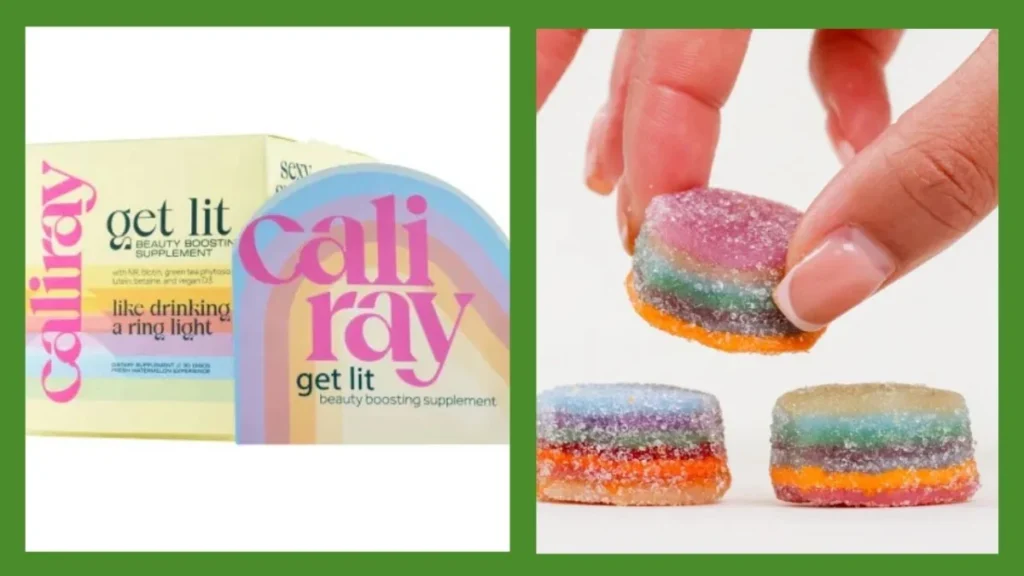
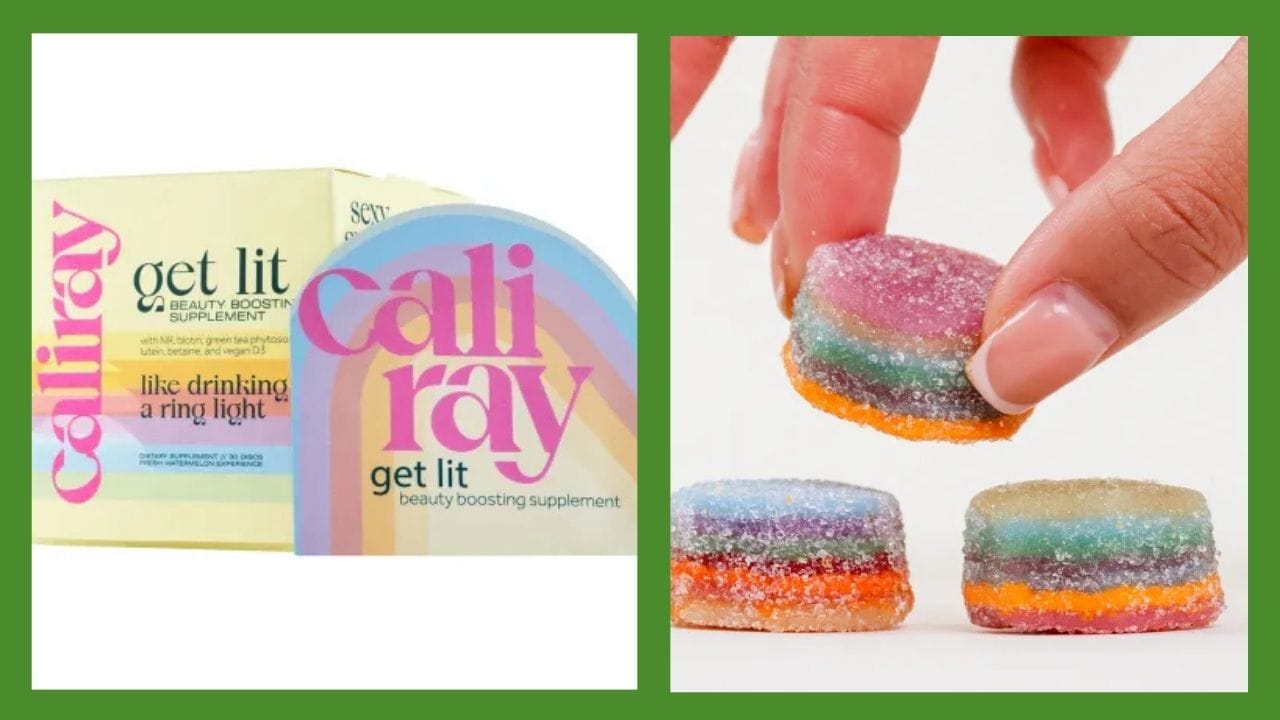
Effervescents: The popularity of effervescent tablets and powders continues to rise, driven by their convenience and engaging sensory experience. An innovative example was the now-discontinued "Beauty Boosting Supplement" from Caliray Beauty (in partnership with Thorne), a watermelon-flavored disc containing biotin, vegan vitamin D3, green tea (Camellia sinensis), nicotinamide riboside (Vitamin B3), and lutein, targeting skin texture, hair dryness, and energy levels.
-
3D Printing: This cutting-edge technology offers the potential for highly personalized nutrition. By printing supplements in layers based on individual needs, brands can create bespoke formulations. The collaboration between Nourished and Neutrogena to develop Skinstacks, a seven-layer 3D-printed gummy, exemplifies this trend, aligning product offerings with specific consumer skin health goals. Furthermore, 3D printing holds promise for reducing manufacturing waste and promoting greater sustainability in product development.
-
Mocktails and Drink Mixes: The trend of "treat yourself" extends to functional beverages. Powdered drink mixes designed to offer beauty benefits, often mimicking the appeal of mocktails, are gaining traction. Products like Moon Juice’s Magnesi-om, focusing on sleep and relaxation, and Dose & Co.’s marine collagen mixes, targeting skin, hair, and nail health, illustrate this category’s growing appeal.
Market Positioning Strategies: Capturing a Broader Audience
Strategic market positioning is crucial for brands seeking to thrive in the competitive nutricosmetics landscape.
-
Multibeneficial Products: A growing body of scientific evidence underscores the interconnectedness of various bodily functions and outward physical appearance. The impact of gut health and sleep on skin, mood, and cognitive function are prime examples. Brands are capitalizing on this understanding by developing single products that deliver multiple health and beauty benefits. This approach not only strengthens existing product lines but also opens avenues for expanding brand reach into new categories. The specialty supplement category, which often includes multibeneficial products, has seen steady growth, with successful brands leveraging multifunctional or multiple ingredients to achieve popularity. Examples include products targeting sleep/stress/mood in conjunction with skin health, gut health with beauty benefits, and the integration of topical skincare with oral nutricosmetics. Furthermore, products addressing women’s health concerns, such as hormone balance and PMS relief, are increasingly paired with beauty-enhancing formulations.
-
Personalized Supplements: The demand for personalized nutrition extends seamlessly into the nutricosmetics space. This trend manifests not only in customized product formulations but also in holistic beauty and wellness routines tailored to individual consumer needs. Brands are adopting various strategies to offer personalized supplements:
- Digital Platforms: Websites featuring custom profile tools, quizzes, and personalized product recommendations guide consumers toward solutions that align with their specific beauty objectives. The data collected through these platforms can inform future product development, customer experience enhancements, and audience targeting strategies.
- Lifestyle Integration: Positioning and marketing nutricosmetics in a way that seamlessly integrates into a consumer’s existing routines and habits fosters brand loyalty and caters to individual interests.
-
Body Positivity and Self-Care: A cultural shift towards greater acceptance of aging, body weight, and physical imperfections is influencing consumer preferences. The focus is moving towards graceful aging and a less critical self-perception, creating an environment where nutricosmetics supporting overall well-being are highly valued.
-
Shifting Demographics: The traditional focus on a female consumer base is expanding to include male consumers, particularly for supplements supporting hair health and growth. Men who may be less inclined towards extensive topical routines may find nutricosmetic capsules or drink mixes a more convenient and approachable option.
Branding Strategies: Building Trust and Connection
A robust branding strategy is indispensable for navigating and competing effectively in the nutricosmetics market. Beyond logos and color palettes, effective branding encompasses a brand’s voice, values, and goals, aiming to forge a genuine connection with the target audience. In the realm of nutricosmetics, where brands often seek to become integral to consumers’ personal rituals, several key considerations are paramount:
-
Authenticity and Transparency: Brands must cultivate trust by clearly displaying relevant certifications, providing comprehensive ingredient lists, and offering educational content. A humanistic, transparent, and honest approach resonates deeply with consumers, especially those seeking solutions for personal insecurities.
-
Relatable Goals and Milestones: Creating accountability and visualizing progress can be achieved by sharing brand goals and displaying related milestones, such as environmental impact metrics (e.g., recycled units, trees saved), accompanied by compelling visual representations.
-
Strong Social Media Presence: A well-developed social media strategy is crucial for showcasing products, engaging directly with consumers, sharing timely information, gathering feedback, and reinforcing brand identity across various multimedia platforms.
-
Sustainability: Environmental consciousness is a significant driver for both brands and consumers. A substantial percentage of consumers prefer and are willing to pay more for sustainable products. Key areas for brands to focus on include:
- Eco-friendly Packaging: Utilizing refillable solutions, upcycling plastics, reducing new plastic consumption, and employing paper or plant-based materials.
- Sustainable Ingredients: Implementing circular processes where materials and ingredients are never wasted, and embracing reuse, recycling, remanufacturing, and composting.
- Certifications: Pursuing recognized sustainability certifications such as Upcycled Certified, Regenerative Organic Certified, and others that validate environmental commitment.
-
User Experience (UX): Designing products with the user at the forefront is essential. A strong UX, encompassing intuitive product design and ease of integration into daily routines, fosters loyalty and satisfaction.
-
Label Design: Labels should be visually appealing and effectively communicate essential product and brand information. Thoughtful use of space, typography, graphics, and colors can tell a brand’s story and encourage purchase decisions. Vital product information should be prominently displayed, with design elements harmonizing with the brand identity and target consumer while maintaining legibility.
Leveraging Design and Market Trends for Enhanced Positioning
As the nutricosmetics sector continues its dynamic expansion, brands must strategically align their product and marketing design with prevailing trends to optimize market positioning and capture consumer interest. Design and packaging serve as powerful vehicles for expressing and reinforcing brand beliefs and values. Several trending design approaches are particularly relevant for nutricosmetic brands:
-
Millennial Minimalism: Characterized by streamlined design, clean lines, industrial materials, and a limited palette of natural colors, this aesthetic emphasizes simplicity, elegance, and ease of use.

-
Vibrancy and Hyper Contrast: Employing bold, eye-catching colors and abstract graphics creates packaging that stands out on shelves and online marketplaces, generating immediate visual appeal.
-
Gender-Neutral Design: Reflecting global cultural shifts towards gender fluidity, some brands are adopting gender-neutral approaches in their branding. These designs often lean towards minimalism, simplicity, a restrained color palette, ample white space, and sans-serif fonts.
-
Interactive Packaging: Brands aiming to create a more immersive experience can integrate interactive elements into their packaging. This can include technological integrations, sensory engagement, or multipurpose capabilities that extend the consumer interaction beyond the visual.
Nutricosmetics Outlook and Emerging Opportunities
The evolving nutricosmetics market presents a fertile ground for brands seeking expansion or entry. Several key opportunities are poised for growth:
-
Plant-Based and Earth-Friendly Products: A growing consumer preference for plant-based and environmentally conscious products offers significant potential. Brands can cater to this demand through vegan-friendly ingredients, sustainable packaging, and design choices that align with an eco-conscious lifestyle.
-
Multifunctional Supplements for Mind, Body, and Beauty: The increasing awareness of mental health needs, particularly among younger generations, is driving demand for supplements that support not only physical beauty but also cognitive function and emotional well-being. The integration of beauty, body, and mind benefits in a single product is a promising avenue for innovation.
The nutricosmetics market stands as a testament to the growing consumer desire to invest in holistic well-being. By understanding and strategically leveraging ingredient innovations, novel delivery formats, sophisticated market positioning, and compelling branding strategies, brands can effectively capture the attention of discerning consumers and secure a significant share in this thriving industry.