


The culinary landscape is continually evolving, driven by an increasing consumer demand for foods that not only satisfy the palate but also contribute meaningfully to health and well-being. In this context, the chocolate chia seed pudding has emerged as a quintessential example of how simple, wholesome ingredients can be transformed into a genuinely enjoyable treat without compromising nutritional integrity. Far from the often-disappointing "healthy" desserts that subtly betray their unconventional components, this particular iteration stands out for its authentic flavor profile, impressive nutritional statistics, and remarkable ease of preparation, signaling a broader shift in how individuals approach dietary choices.
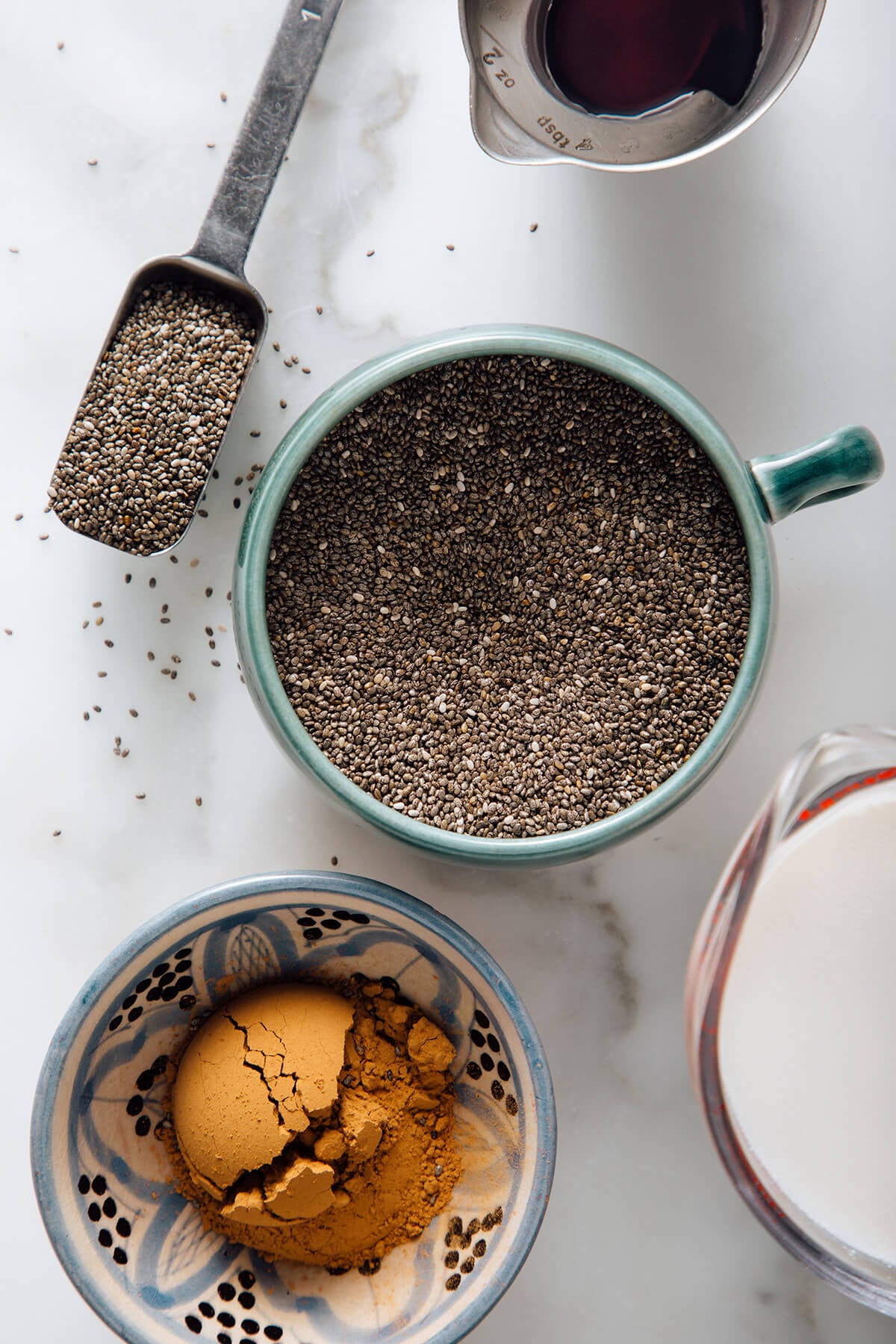
At its core, the appeal of chocolate chia seed pudding lies in its elegant simplicity and robust nutritional offering. A typical serving delivers approximately 8 grams of dietary fiber, 5 grams of plant-based protein, and a notable quantity of healthy fats, all while providing a satisfying chocolate experience. This blend of attributes positions it as an ideal option for breakfast, a guilt-free snack, or a light dessert, catering to a diverse array of dietary needs and preferences, including vegan, gluten-free, and dairy-free lifestyles. Its preparation requires only four fundamental ingredients—a milk of choice, chia seeds, cocoa powder, and a natural sweetener like maple syrup—culminating in a magical transformation where the chia seeds, after a brief chilling period, swell to create a subtle yet pleasing texture reminiscent of traditional puddings but with a distinct, wholesome character.
The Ancient Roots and Modern Revival of Chia Seeds
To fully appreciate the significance of chia seed pudding, it is essential to delve into the historical journey and nutritional prowess of its primary ingredient. Chia seeds, derived from Salvia hispanica, a flowering plant in the mint family native to central and southern Mexico and Guatemala, boast a rich history dating back to pre-Columbian Mesoamerican civilizations. The Aztecs and Mayans revered chia seeds as a staple food, a vital energy source, and a medicinal aid, often incorporating them into their diets for endurance, strength, and overall health. Ancient warriors were known to consume chia seeds for sustained energy during long journeys and battles, earning them the moniker "running food."

Following the Spanish conquest, chia cultivation diminished significantly, overshadowed by European crops. However, the late 20th and early 21st centuries witnessed a remarkable resurgence of interest in chia seeds, driven by a global rediscovery of ancient superfoods. Modern nutritional science has validated many of the traditional claims, highlighting chia seeds as an exceptional source of omega-3 fatty acids, particularly alpha-linolenic acid (ALA), which is crucial for heart health and brain function. Furthermore, they are packed with dietary fiber, offering both soluble and insoluble types, which contribute to digestive health, blood sugar regulation, and satiety. The protein content, while modest, is complete, containing all nine essential amino acids, making them a valuable addition to plant-based diets. Beyond these macronutrients, chia seeds are also rich in antioxidants, calcium, magnesium, and phosphorus, underscoring their comprehensive nutritional profile.
The unique hydrogel-forming property of chia seeds is central to their culinary versatility, particularly in puddings. When exposed to liquid, the seeds absorb up to 10-12 times their weight, forming a gelatinous coating that creates a thick, tapioca-like texture. This natural gelling agent eliminates the need for starches, eggs, or extensive cooking processes typically associated with traditional puddings, making chia pudding a remarkably simple and efficient preparation.
The Evolution of Health-Conscious Desserts
The journey towards palatable and genuinely healthy desserts has been fraught with challenges. For decades, the pursuit of "diet" or "low-fat" desserts often resulted in products laden with artificial sweeteners, fillers, and highly processed ingredients, leading to unsatisfactory taste and questionable health benefits. The initial wave of integrating healthier components into desserts frequently involved "sneaky" ingredients like avocado or sweet potato, intended to add creaminess or sweetness without being detected. While well-intentioned, these attempts often fell short, as discerning palates could identify the underlying flavors, detracting from the authentic dessert experience.
The chocolate chia seed pudding represents a significant evolutionary step in this culinary narrative. It embraces its wholesome ingredients transparently, leveraging their natural properties to create a delightful texture and flavor without resorting to disguise. This transparency aligns with a broader consumer trend towards clean eating, where ingredients lists are short, recognizable, and free from artificial additives. The transition from heavily processed, low-calorie alternatives to nutrient-dense, naturally sweetened options marks a paradigm shift, emphasizing satiety and nutritional value over mere calorie restriction.
This chronological shift can be observed over the last two decades. The early 2000s saw a rise in low-fat and sugar-free products. By the late 2000s and early 2010s, the focus began to shift towards whole foods and natural sweeteners, coinciding with the popularization of superfoods like acai, quinoa, and, notably, chia seeds. The mid-2010s onwards has seen an explosion in plant-based and allergen-friendly recipes, with chia pudding firmly establishing itself as a mainstream healthy dessert option, readily available in cafes and grocery stores in pre-made formats, testament to its widespread acceptance and demand.
Crafting the Perfect Chocolate Chia Seed Pudding: A Study in Simplicity and Customization
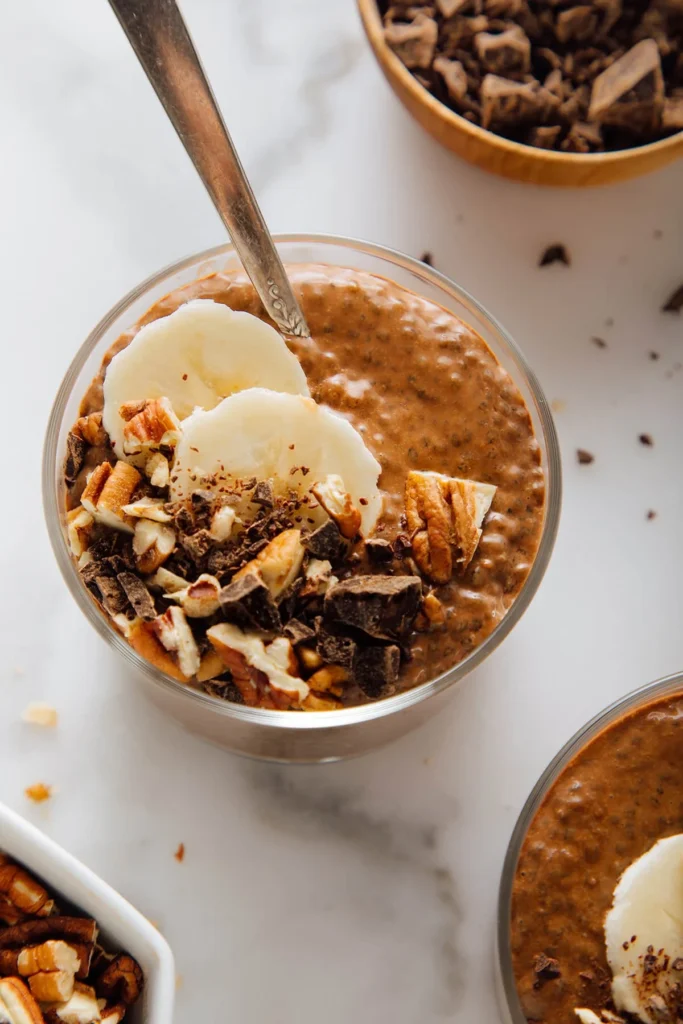
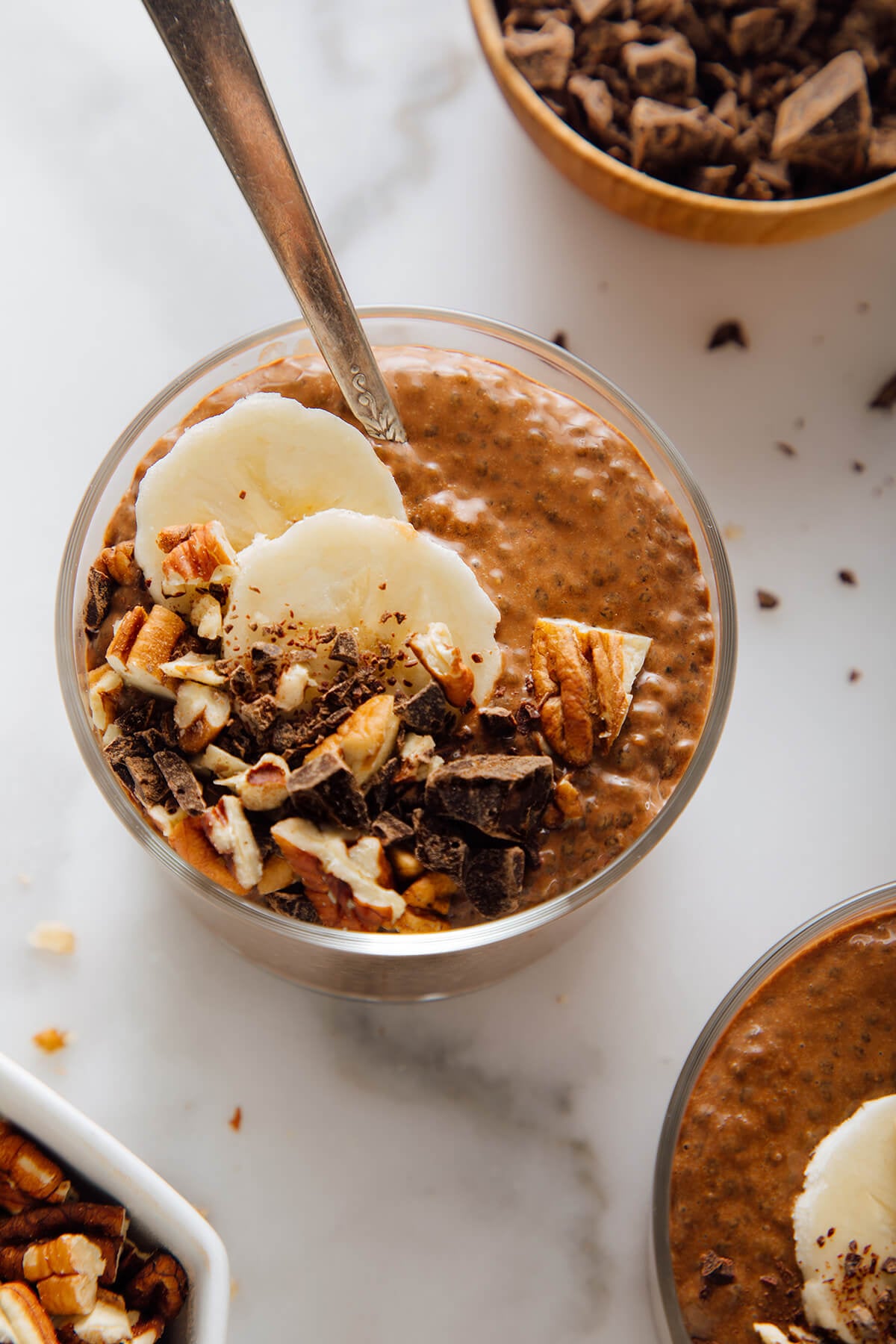
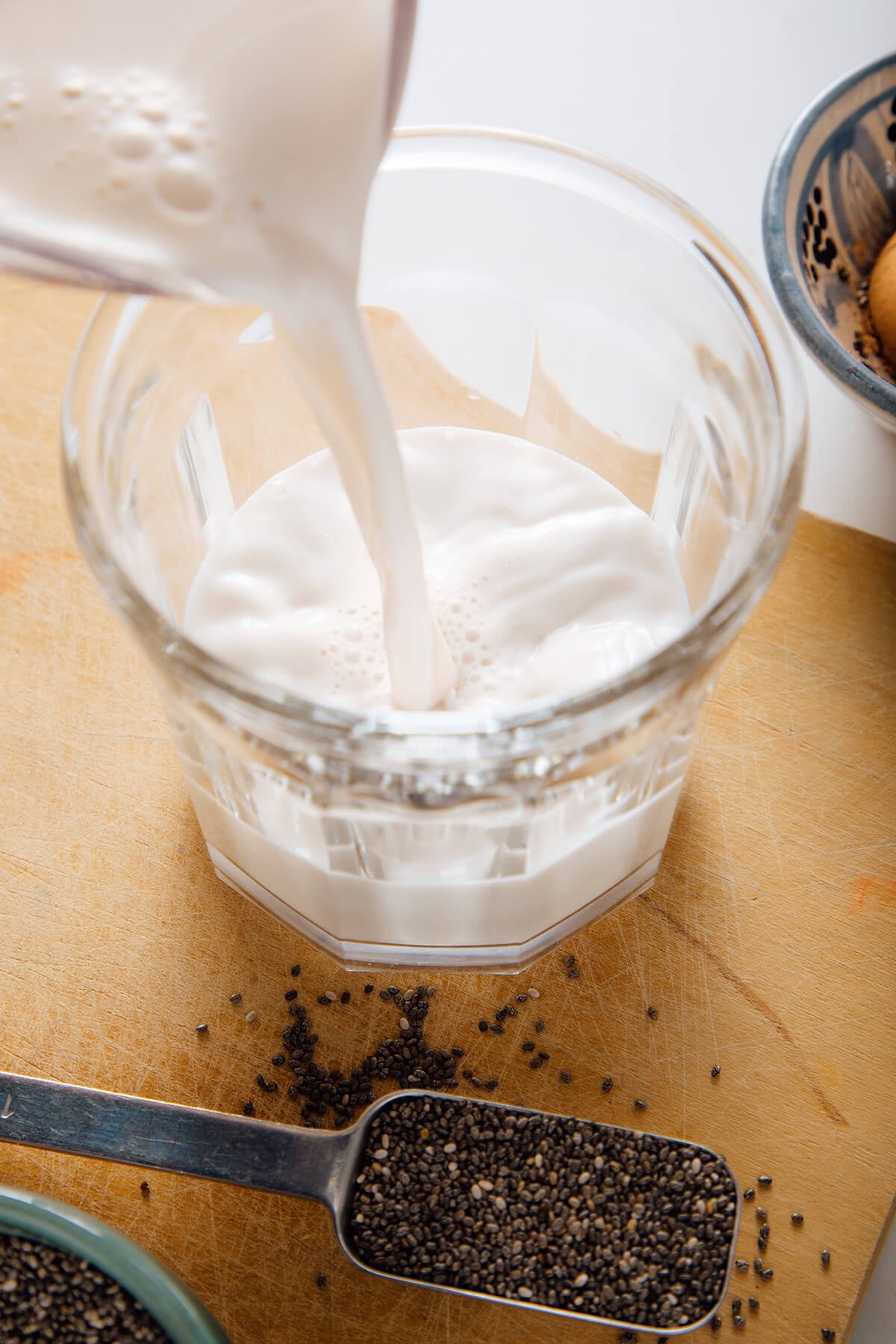
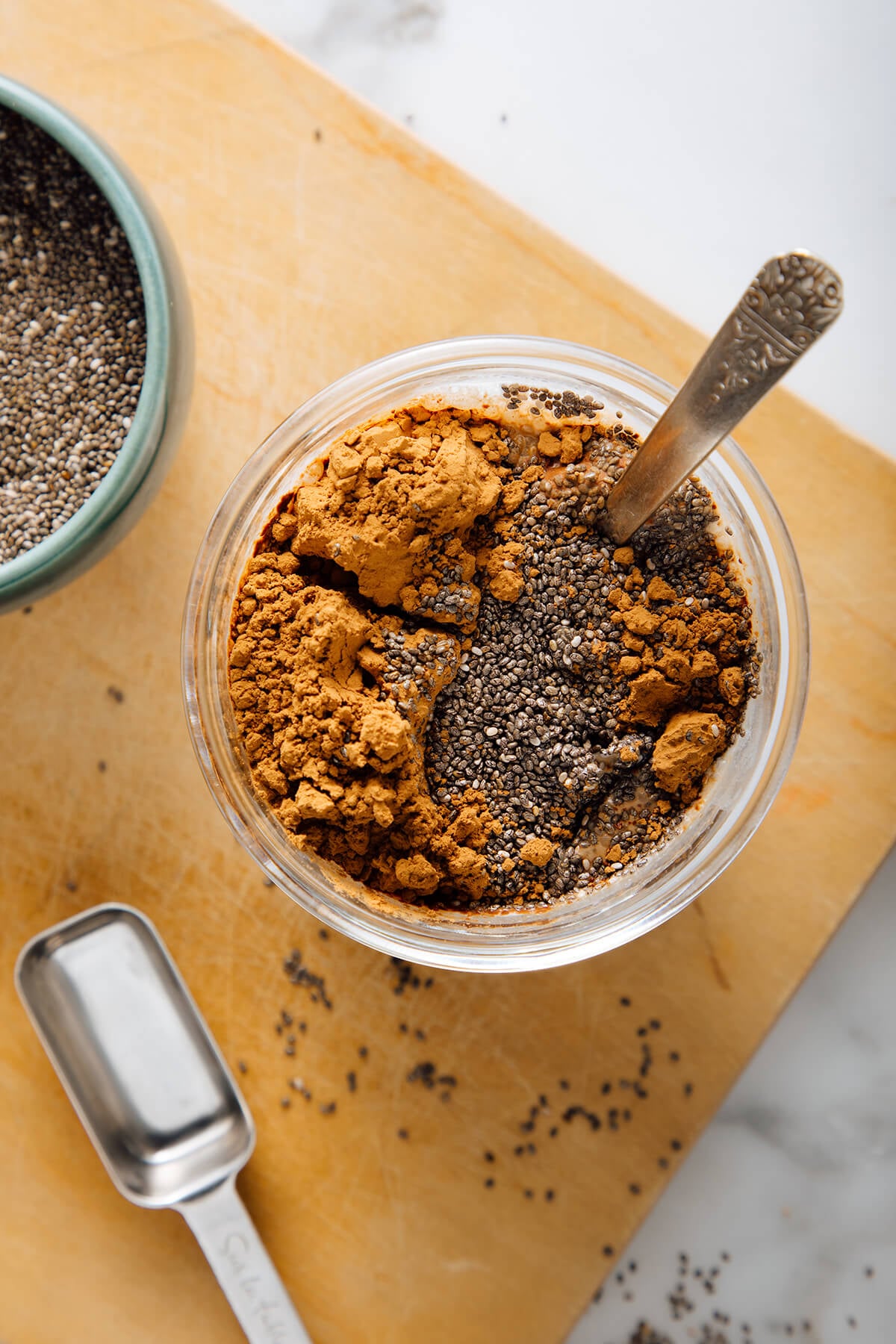
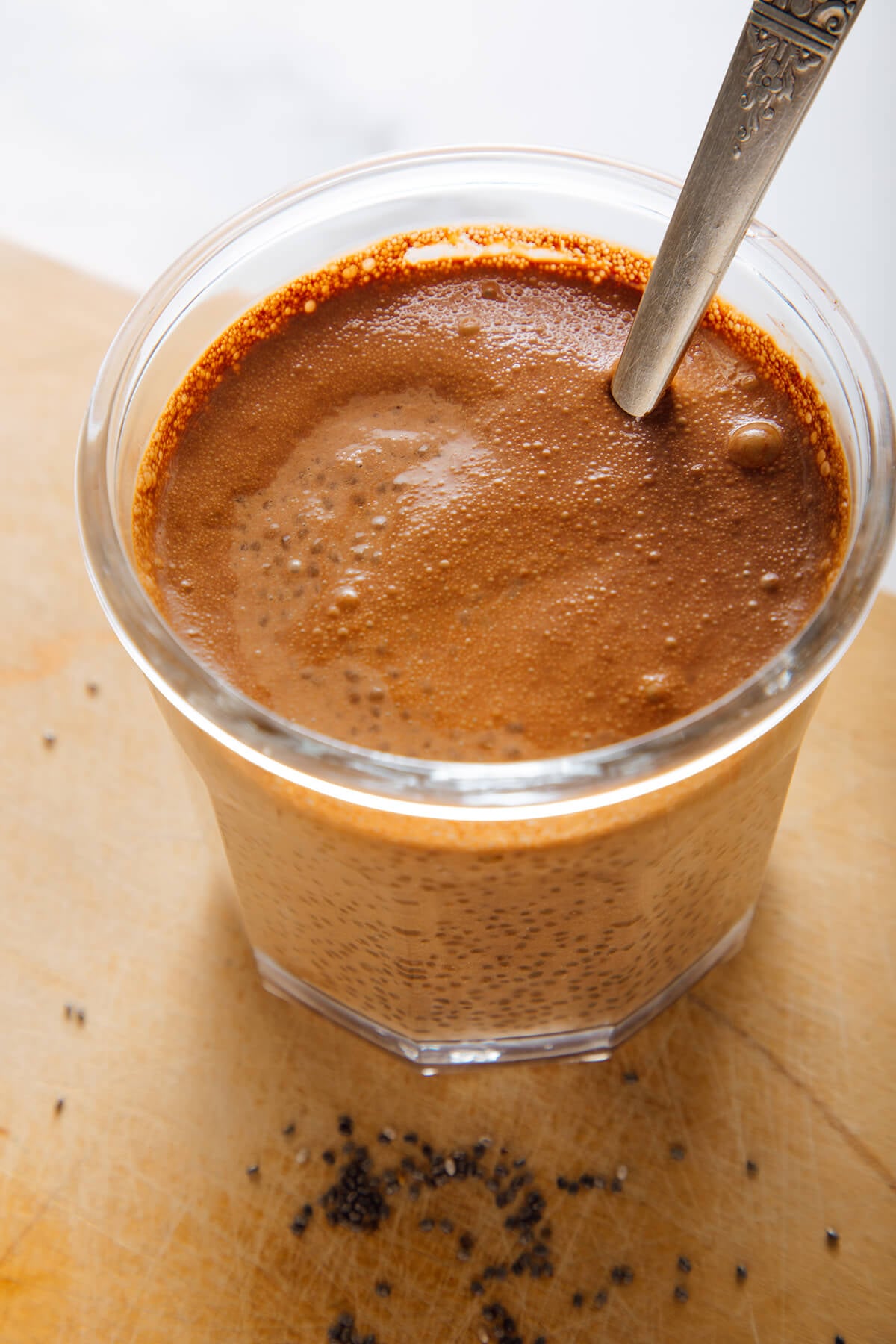
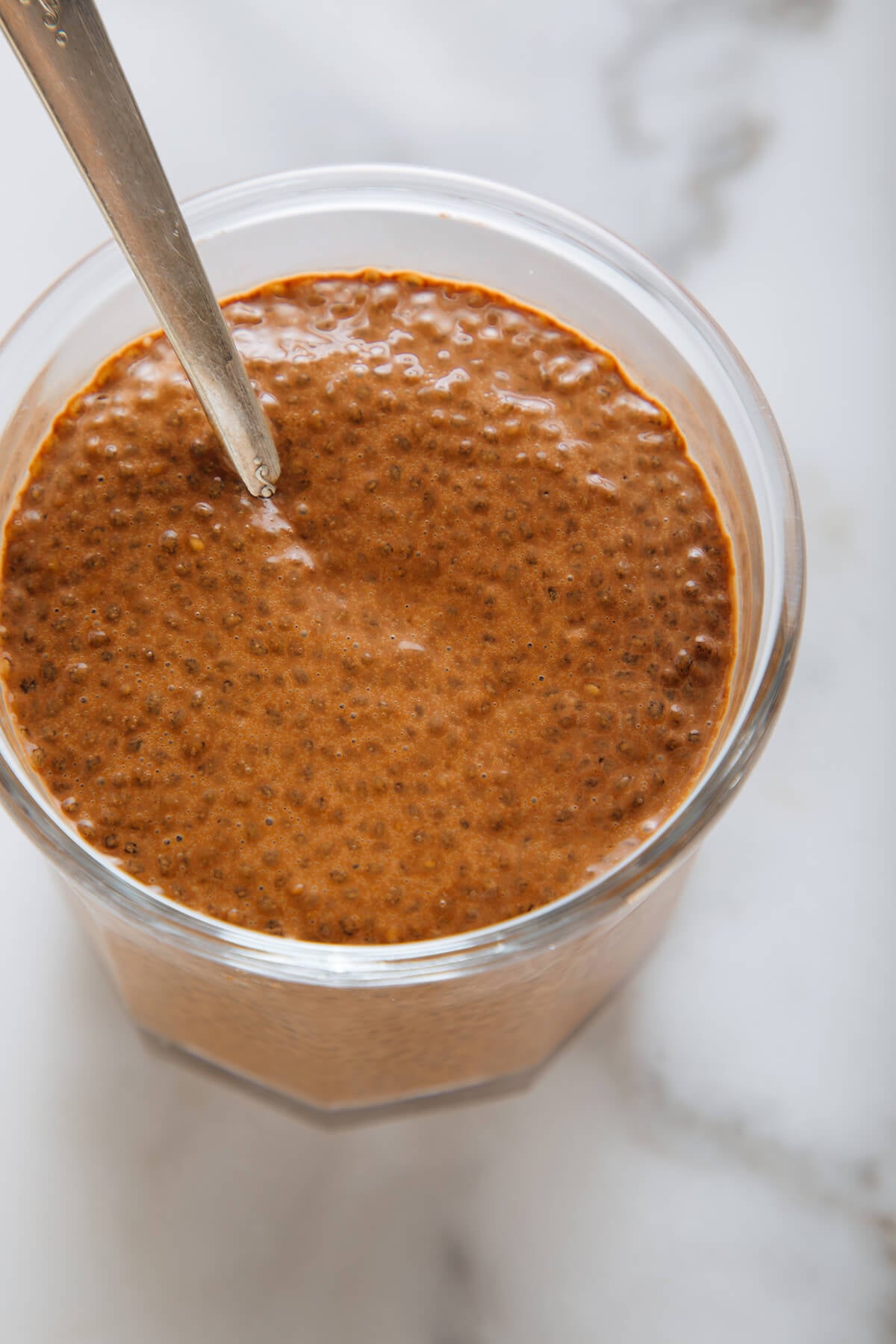
The methodology for creating chocolate chia seed pudding exemplifies efficiency and accessibility. The core process involves combining the four primary ingredients—milk, chia seeds, cocoa powder, and maple syrup—and allowing the mixture to rest in the refrigerator. This passive chilling period, typically lasting a minimum of two hours, is where the "magic" occurs, as the chia seeds absorb the liquid and develop their characteristic gel-like consistency. The result is a smooth, rich pudding with a subtle textural interplay from the plumped seeds, offering a satisfying mouthfeel that can be enjoyed straight from the jar.
The versatility of this base recipe is a significant contributor to its enduring popularity. Customization allows individuals to tailor the pudding to their precise taste preferences and dietary needs:
- Flavor Intensity: Adjusting the amount of cocoa powder can transform the pudding from a lighter, subtly chocolatey treat, often preferred by children, to a deeper, more intense dark chocolate experience.
- Enhanced Texture and Flavor: Incorporating elements like chopped dark chocolate or mini chocolate chips introduces additional textural complexity and amplifies the chocolate notes, providing a more decadent sensation.
- Nut Butter Infusion: Stirring in a tablespoon or two of peanut butter or almond butter introduces a creamy, savory dimension, creating a beloved peanut butter chocolate combination. This often necessitates a slight adjustment in sweetener to maintain balance.
- Smooth Consistency: For those who prefer an utterly smooth texture devoid of any seed bite, blending the fully set pudding on high speed yields a silky, custard-like consistency, offering another layer of customization.
Crucially, the success of chia seed pudding hinges on the quality of its ingredients, particularly the chia seeds themselves. Culinary experts frequently advise checking the expiration date and, more importantly, performing a sensory check for freshness. Rancid chia seeds can impart an unpleasant, off-flavor, undermining the entire dish. This emphasis on fresh, high-quality ingredients underscores the principle of clean eating that the pudding embodies.
Nutritional Advantages and Broader Dietary Implications
Beyond its palatable taste and ease of preparation, the nutritional profile of chocolate chia seed pudding offers compelling advantages in contemporary diets. The substantial fiber content (8 grams per serving) is particularly noteworthy. According to dietary guidelines, most adults fall short of the recommended daily fiber intake (25-30 grams). A single serving of chia pudding can significantly contribute to this goal, promoting digestive regularity, fostering a healthy gut microbiome, and aiding in blood sugar management by slowing glucose absorption. The soluble fiber in chia seeds also contributes to feelings of fullness, potentially assisting in weight management by reducing overall caloric intake.
The 5 grams of plant-based protein further enhances the pudding’s satiety factor, making it an excellent option for breakfast or a post-workout snack. Unlike many conventional desserts that offer empty calories, this pudding provides essential building blocks for muscle repair and growth. Coupled with healthy plant-based fats, predominantly omega-3 fatty acids, it offers sustained energy release and supports cardiovascular health, reducing inflammation and improving lipid profiles.
From a public health perspective, the widespread adoption of such recipes can have a tangible impact. As societies grapple with rising rates of obesity, type 2 diabetes, and cardiovascular diseases, encouraging the consumption of nutrient-dense, minimally processed foods becomes paramount. Chocolate chia seed pudding serves as an accessible entry point for individuals seeking to transition away from ultra-processed, sugar-laden desserts towards more wholesome alternatives.
Market Trends and Expert Endorsements
The growing popularity of dishes like chocolate chia seed pudding reflects several overarching market trends. The plant-based food market continues its rapid expansion, driven by ethical, environmental, and health considerations. Consumers are increasingly seeking vegan and vegetarian options that do not compromise on taste or texture. Simultaneously, the demand for "free-from" products—gluten-free, dairy-free, nut-free—is on the rise, catering to a population with diverse allergies and sensitivities. Chia pudding, being inherently adaptable to these requirements, naturally fits into this evolving market landscape.
Nutritionists and culinary professionals often laud chia seed pudding for its balanced approach to indulgence. Dr. Anya Sharma, a leading dietitian specializing in plant-based nutrition, commented in a recent industry report, "Recipes like chocolate chia pudding are vital in demonstrating that healthy eating doesn’t equate to deprivation. It’s about smart substitutions and leveraging the inherent goodness of natural ingredients to create something truly satisfying and nourishing. The fiber and omega-3 content alone make it a standout." Similarly, Chef David Chen, known for his innovative approaches to health-conscious cuisine, noted in an interview with Food & Wellness Monthly, "The beauty of chia pudding is its simplicity and adaptability. It allows for creativity in toppings and flavors, making it endlessly appealing to a wide audience, from kids to adults seeking a wholesome treat."
The commercial sector has also recognized this trend, leading to an proliferation of ready-to-eat chia puddings in grocery stores and convenience outlets, often marketed as breakfast solutions or healthy snacks. This commercialization further validates the mainstream appeal and consumer acceptance of this once niche health food. Data from market research firms indicate a consistent year-over-year growth in the healthy dessert and plant-based snack segments, with chia-based products being a significant contributor to this expansion. Online search analytics also reveal a sustained interest in "chia pudding recipes" and "healthy chocolate desserts," indicating a broad and active consumer base eager for such options.
Broader Impact and Future Implications
The implications of the chocolate chia seed pudding’s success extend beyond individual dietary choices. It influences food innovation, encouraging manufacturers and chefs to explore more natural, nutrient-dense alternatives for traditional treats. This shift could lead to a broader availability of wholesome options across various food categories. For home cooks, it empowers them with a simple, flexible recipe that can be customized to suit family preferences, potentially fostering healthier eating habits within households.
Furthermore, the emphasis on plant-based ingredients in dishes like chia pudding aligns with global sustainability efforts. Plant-based diets generally have a lower environmental footprint compared to diets rich in animal products, consuming fewer resources like water and land, and producing fewer greenhouse gas emissions. As consumers become more environmentally conscious, the appeal of such recipes is likely to grow further.
In conclusion, the chocolate chia seed pudding stands as more than just a recipe; it is a culinary emblem of a health-conscious movement that values taste, nutrition, convenience, and dietary inclusivity. Its journey from an ancient staple to a modern superfood phenomenon, culminating in this delightful and effortless dessert, underscores a pivotal shift in how we perceive and consume food—a testament to the fact that true indulgence can, and should, be synonymous with well-being. This simple concoction encapsulates the essence of modern healthful eating, proving that satisfying cravings and nourishing the body can indeed go hand-in-hand.