



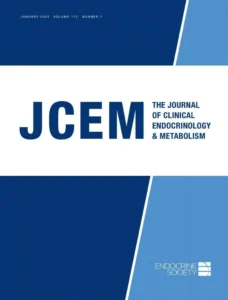



The Endocrine Society has officially announced the opening of the application period for the next Editor-in-Chief of its flagship clinical publication, The Journal of Clinical Endocrinology & Metabolism (JCEM). This prestigious leadership transition comes at a pivotal time for the global medical community, as the field of endocrinology continues to face evolving challenges ranging from the global diabetes epidemic to the integration of artificial intelligence in diagnostic medicine. The search committee is seeking an internationally recognized researcher with a distinguished background in clinical endocrinology, diabetes, and metabolism to helm the publication during a three-year term beginning January 1, 2028.
As one of the most authoritative and highly cited journals in the medical landscape, JCEM serves as a primary vehicle for disseminating groundbreaking research that enhances the understanding of the pathophysiology, diagnosis, and treatment of endocrine and metabolic disorders. The journal has maintained a dominant position in the Clarivate category of “Endocrinology & Metabolism,” currently ranked as the second most-cited journal among 200 peer publications. In 2025 alone, the journal recorded more than 83,000 citations, a metric that underscores its profound influence on clinical practice and academic discourse worldwide.
The Strategic Importance of the Editor-in-Chief Role
The Editor-in-Chief (EIC) of JCEM is more than a traditional editorial role; it is a position of global scientific leadership. The successful candidate will be responsible for setting the editorial vision of the journal, ensuring that it remains at the forefront of clinical discovery. This involves not only the selection of high-quality original research but also the curation of reviews, clinical practice guidelines, and commentaries that shape how physicians treat patients on a daily basis.
In an era of rapid scientific advancement, the EIC must navigate the complexities of modern scholarly publishing, including the transition toward open access models, the maintenance of rigorous peer-review standards, and the ethical considerations of data integrity. The Endocrine Society emphasizes that the candidate must be committed to a forward-looking editorial strategy that maximizes the journal’s impact and success in an increasingly competitive digital environment.
The selected individual will operate from their home institution while maintaining a close collaborative relationship with the Society’s Publications Core Committee and the professional publications staff based at the Society’s headquarters in Washington, D.C. This decentralized model allows the EIC to remain active in their own research and clinical practice while influencing the global direction of the field.
Chronology of the Selection and Transition Process
The search for the new Editor-in-Chief follows a strict timeline designed to ensure a seamless transition between the outgoing and incoming leadership. The Endocrine Society has outlined a multi-stage process that spans nearly two years, allowing for thorough vetting and a substantial period of orientation.
The formal application window is scheduled to open on November 1, 2026, and will remain open until November 30, 2026. During this month-long period, qualified candidates from around the world are encouraged to submit their credentials and vision for the journal. Following the close of applications, the Search Committee will enter a rigorous evaluation phase throughout the early months of 2027.
By mid-2027, the successful candidate will begin preparatory work. This "shadowing" or transition phase is critical for the continuity of the journal’s operations. During this time, the EIC-elect will work alongside the current editorial team and the Executive Editor to understand the nuances of the manuscript submission system, the management of the editorial board, and the strategic goals of the Society. The official three-year term will formally commence on January 1, 2028, and run through December 31, 2030.
Supporting Data: JCEM’s Impact and Global Reach
The significance of this search is highlighted by the journal’s historical performance and current metrics. The Journal of Clinical Endocrinology & Metabolism has long been a cornerstone of the Endocrine Society’s mission. Its reach extends to thousands of institutions across the globe, and its content is a staple in the education of endocrinology fellows and practicing clinicians.
Recent data from 2025 indicates that the journal’s citation count exceeded 83,000, placing it in the top tier of all medical journals globally. This high level of engagement is a result of the journal’s commitment to publishing high-impact studies on prevalent conditions. For context, metabolic disorders such as diabetes and obesity affect hundreds of millions of people globally, and JCEM is the primary venue for the clinical trials and mechanistic studies that inform treatment protocols for these conditions.
Furthermore, the journal’s influence is reflected in its Impact Factor and its role in the development of Clinical Practice Guidelines. Many of the most-cited papers in JCEM provide the evidence base for international standards in treating thyroid cancer, osteoporosis, and adrenal disorders. The new Editor-in-Chief will be tasked with maintaining this level of excellence while identifying emerging areas of research, such as the long-term effects of GLP-1 receptor agonists and the implications of environmental endocrine disruptors.
Editorial Structure and Governance
The EIC does not work in isolation but rather leads a robust editorial team. The structure includes Deputy Editors (DEs) and Associate Editors (AEs), who are identified by the EIC and must be approved by the Endocrine Society. This team is supported by an Executive Editor and a dedicated professional publications staff.
The governance of the journal is designed to ensure editorial independence while remaining aligned with the broader goals of the Endocrine Society. The EIC’s collaboration with the Publications Core Committee ensures that the journal adheres to the highest standards of publishing ethics and that its strategic direction supports the Society’s mission to foster a world where people with endocrine conditions can thrive.
The financial package for the EIC role includes a stipend and a travel allowance, acknowledging the significant time commitment required to manage a high-volume, high-impact monthly publication. This support ensures that the EIC can represent the journal at international conferences and maintain a presence in the global scientific community.
Broader Implications for the Field of Endocrinology
The appointment of a new Editor-in-Chief for JCEM often signals a shift in the clinical priorities of the field. Previous editors have used their tenure to emphasize specific areas such as pediatric endocrinology, reproductive health, or the molecular basis of metabolic disease. As the 2028–2030 term approaches, the medical community anticipates that the new leadership will address the intersection of endocrinology and technology.
With the rise of continuous glucose monitoring (CGM) systems, automated insulin delivery, and the use of big data in clinical research, the next EIC will likely oversee a period where digital health becomes a central theme of clinical endocrine research. Additionally, the global push for diversity and inclusion in clinical trials is expected to be a major focus, ensuring that the research published in JCEM is representative of global populations.
The search also reflects the Endocrine Society’s commitment to institutional stability and excellence. By announcing the search well in advance, the Society provides prospective candidates with the opportunity to develop comprehensive vision statements that address the future of the discipline.
Application Requirements and Evaluation Criteria
The Search Committee has established a rigorous set of criteria for evaluating candidates. Applicants are required to submit a comprehensive curriculum vitae and a vision statement that outlines their goals for the journal’s future. The committee will look for evidence of:
- Scientific Excellence: A proven track record of high-impact research and a deep understanding of clinical endocrinology and metabolism.
- Editorial Experience: Prior experience in the peer-review process, either as an editor or a frequent reviewer for top-tier journals.
- Leadership Skills: The ability to lead a diverse team of international editors and to work collaboratively with society staff and stakeholders.
- Global Perspective: An understanding of the international nature of endocrine research and the needs of clinicians in various geographic regions.
- Innovation: A forward-thinking approach to scientific communication, including the use of social media, podcasts, and other digital tools to enhance the journal’s reach.
The Endocrine Society encourages its members to consider applying and to share the announcement with suitable candidates. Applications are to be directed to Windy Boyd, the Executive Editor of the journal. The deadline for receipt of all completed application materials is November 30, 2026, at 5:00 p.m. Eastern Time.
Conclusion: A Legacy of Excellence
Since its inception, The Journal of Clinical Endocrinology & Metabolism has been at the heart of the endocrine community. The search for a new Editor-in-Chief is a reminder of the vital role that scholarly journals play in the advancement of medicine. By providing a platform for the world’s most significant clinical research, JCEM ensures that the latest scientific discoveries are translated into better care for patients.
As the Endocrine Society prepares for this transition, the focus remains on finding a leader who can build upon the journal’s storied legacy while navigating the challenges of a new era. The 2028–2030 term promises to be a transformative period for JCEM, and the upcoming selection process will determine who will guide the publication through this critical time. With a citation count that continues to rise and a global audience that relies on its content, the stakes for this search could not be higher for the future of clinical endocrinology.