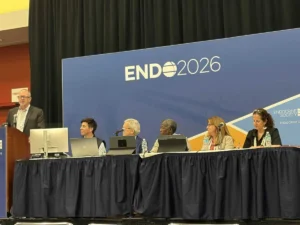








The Endocrine Society’s Bone and Mineral Special Interest Group (SIG) Steering Committee has issued a call to action for the global medical community to address the persistent diagnostic gap surrounding hypophosphatasia (HPP), a rare and often debilitating inherited metabolic disorder. Led by Anika Anam, MD, of the Yale School of Medicine, and Azarmindokht Khosravi, MD, of Cedars-Sinai, the committee is spearheading an educational initiative centered on an upcoming professional webinar scheduled for October 29. This event serves as a critical precursor to World HPP Day on October 30, 2026, aiming to equip clinicians with the tools necessary to identify the subtle laboratory markers of a disease that frequently hides in plain sight within routine metabolic panels.
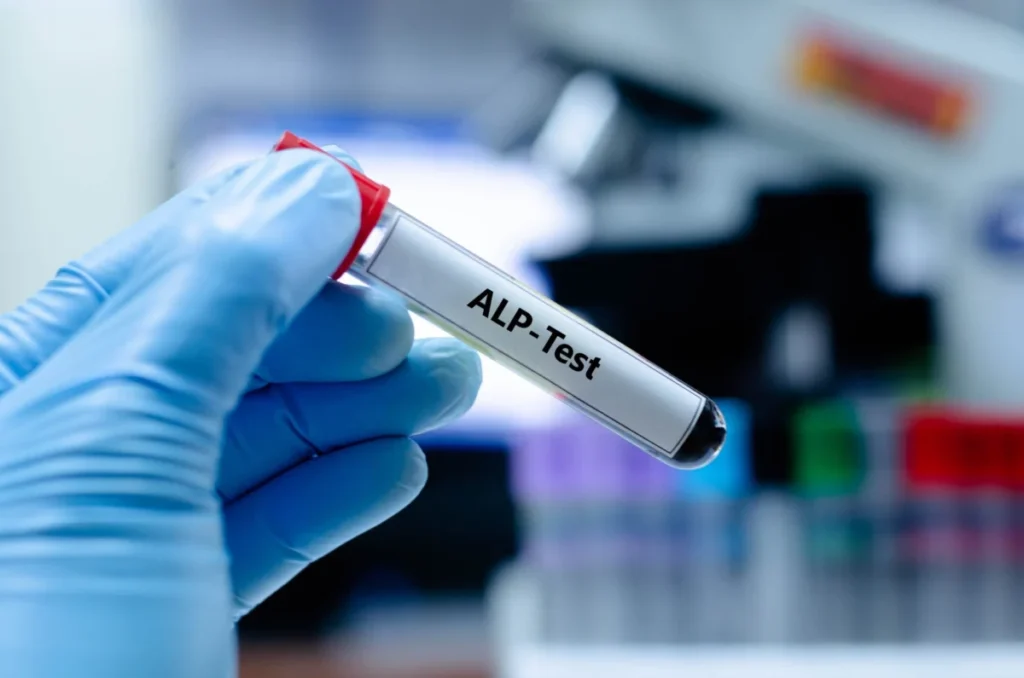
Hypophosphatasia is characterized by a significant deficiency in tissue-nonspecific alkaline phosphatase (TNSALP) activity, resulting from loss-of-function mutations in the ALPL gene. While alkaline phosphatase (ALP) is a standard component of routine blood tests, low levels are frequently dismissed by clinicians as clinically insignificant or laboratory error. However, for patients with HPP, this low ALP level is the primary indicator of a systemic failure to mineralize bones and teeth. Without sufficient TNSALP, inorganic pyrophosphate—a potent inhibitor of mineralization—accumulates in the extracellular space, preventing the formation of hydroxyapatite crystals. This biochemical bottleneck leads to a spectrum of complications ranging from neonatal fatality to adult-onset skeletal fragility.
The Spectrum of Clinical Presentation and Classification
The clinical manifestation of HPP is remarkably heterogeneous, which contributes to its reputation as a "diagnostic chameleon." To aid in clinical management, the medical community recognizes five primary classifications based on the age of symptom onset. The perinatal form is the most severe, often detected in utero or at birth, characterized by profound skeletal demineralization and respiratory failure. The infantile form typically presents before six months of age with failure to thrive, rickets-like bone deformities, and hypercalcemia.

Childhood HPP often presents with the premature loss of deciduous teeth—specifically the loss of teeth with the roots intact—alongside skeletal deformities and delayed walking. The adult form, which is more common but frequently misdiagnosed, manifests as recurrent stress fractures, atypical femoral fractures, and chronic musculoskeletal pain. Finally, odonto-HPP is restricted to dental complications, such as premature tooth loss or severe dental caries, without the systemic skeletal involvement seen in other forms.
The SIG Steering Committee emphasizes that because HPP is a low bone turnover state, individuals are paradoxically more prone to fractures. Unlike osteoporosis, where bone density is lost over time, HPP represents a fundamental defect in the "hardening" of the bone matrix. This distinction is critical because standard treatments for low bone density can be actively harmful to HPP patients.
Diagnostic Pearls and the Hazard of Misdiagnosis
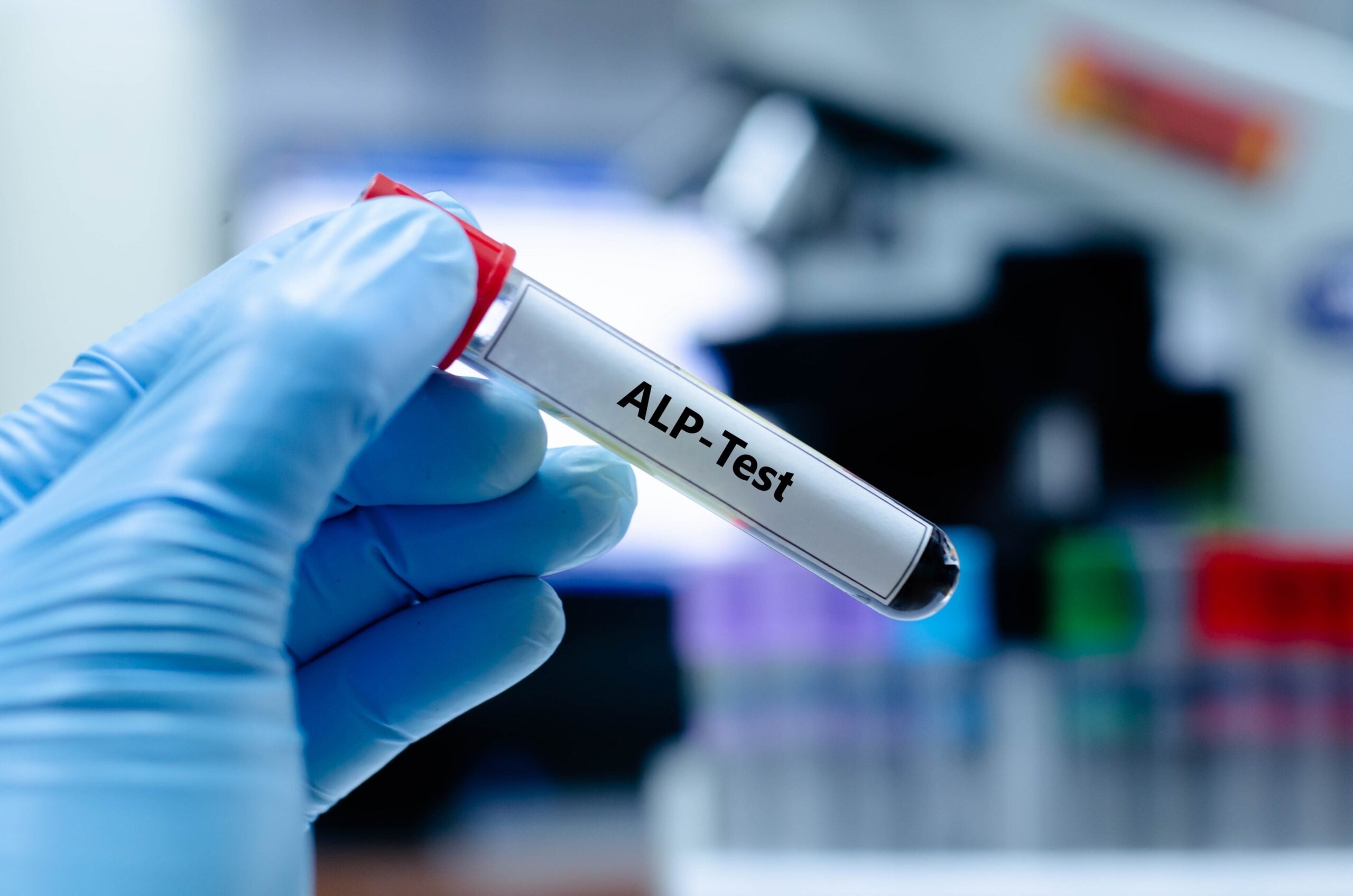
A primary challenge in diagnosing HPP is the widespread lack of awareness regarding age- and sex-specific reference ranges for alkaline phosphatase. Children and adolescents naturally have much higher ALP levels due to active bone growth and puberty. A level that appears "normal" for an adult may actually be pathologically low for a child. Furthermore, many electronic health record systems do not automatically flag low ALP values, focusing instead on elevated levels that might indicate liver or gallbladder disease.
Beyond ALP levels, the diagnosis is supported by measuring substrates that accumulate in the absence of TNSALP. High levels of plasma pyridoxal 5’-phosphate (PLP), the active form of vitamin B6, and urinary phosphoethanolamine (PEA) are hallmark biochemical markers. Genetic testing remains the gold standard for confirmation, with over 480 pathogenic or likely pathogenic ALPL variants identified to date.
The consequences of misdiagnosis are severe. Patients with HPP are frequently mislabeled with fibromyalgia, chronic fatigue syndrome, or seronegative osteoarthritis. Most dangerously, they are often prescribed bisphosphonates—the first-line treatment for osteoporosis. Because bisphosphonates are chemically similar to inorganic pyrophosphate, they can exacerbate the mineralization defect in HPP patients, significantly increasing the risk of atypical femur fractures and subtrochanteric fractures. The SIG Steering Committee explicitly warns clinicians to exclude HPP before initiating antiresorptive therapy in patients with low bone density and low ALP.
Genetic Prevalence and Population Data
Recent large-scale genomic screenings have reshaped the understanding of HPP’s prevalence. Data published in the Journal of Bone and Mineral Research (JBMR) suggests that the carrier frequency for pathogenic ALPL gene variants is approximately one in 341 individuals in unselected populations. While the severe forms are rare, the prevalence of milder, adult-onset forms may be higher than previously estimated.

HPP can be inherited through both autosomal dominant and autosomal recessive patterns. This genetic complexity means that a single family may exhibit a wide range of disease severity, a phenomenon known as variable expressivity. A parent with mild dental issues may have a child with significant skeletal involvement, or vice versa. This unpredictability necessitates comprehensive genetic counseling for any individual diagnosed with an ALPL mutation.
Multidisciplinary Management and Pharmacologic Innovation
Managing HPP requires a coordinated effort across multiple specialties, including endocrinology, nephrology, dentistry, and orthopedics. Because TNSALP is also required for the activation of vitamin B6 in the central nervous system, neurologists are often involved in treating vitamin B6-responsive seizures in affected infants.
The current landscape of HPP treatment was revolutionized by the introduction of asfotase alfa, a bone-targeted recombinant TNSALP. As the only approved pharmacologic treatment for perinatal, infantile, and juvenile-onset HPP, it has significantly improved survival rates and quality of life. By replacing the missing enzyme, asfotase alfa improves skeletal mineralization, enhances pulmonary function, and resolves hypercalcemia.
However, the SIG committee notes that the decision to start enzyme replacement therapy (ERT) in adults is complex. ERT requires frequent subcutaneous injections—ranging from three to six times per week—and is associated with significant financial costs and potential side effects such as injection site reactions and ectopic calcifications. For adults with mild symptoms, the focus remains on supportive care: avoiding high doses of calcium and vitamin D to prevent kidney stones (nephrolithiasis) and using osteoanabolic agents rather than antiresorptives if bone-strengthening medication is required.
Timeline of Awareness and Future Implications
The upcoming October 29 webinar represents a significant milestone in the Endocrine Society’s ongoing mission to reduce the "diagnostic odyssey" for rare disease patients. Historically, rare disease patients wait an average of five to seven years for an accurate diagnosis, often seeing multiple specialists in the process. By aligning professional education with World HPP Day, the Bone and Mineral SIG aims to condense this timeline through earlier recognition of laboratory "red flags."

The chronology of HPP research has moved rapidly from the initial identification of the ALPL gene in the late 1980s to the 2015 FDA approval of asfotase alfa. As the medical community moves toward 2026, the focus has shifted toward precision medicine—identifying which specific genetic variants respond best to treatment and developing long-term safety data for adult patients on ERT.
Broader Impact on Clinical Practice
The implications of increased HPP awareness extend beyond the rare disease community. It serves as a reminder of the importance of "critical looking" at routine laboratory data. The SIG’s message, "low ALP, think HPP," encourages a shift in the clinical mindset from ignoring low-range values to investigating them as potential indicators of systemic pathology.
For healthcare systems, improving the HPP diagnostic rate can lead to better resource allocation. Preventing the inappropriate use of bisphosphonates in HPP patients reduces the incidence of preventable fractures and the subsequent surgical and rehabilitative costs. Furthermore, as genetic screening becomes more integrated into primary care, the identification of ALPL carriers will allow for proactive dental and skeletal monitoring, potentially preventing the onset of severe complications.
As Dr. Anam and Dr. Khosravi prepare to present their findings and clinical guidance, the Endocrine Society continues to advocate for a multidisciplinary, informed approach to metabolic bone health. The upcoming webinar is expected to draw a global audience of endocrinologists, pediatricians, and primary care providers, all unified by the goal of ensuring that no patient with hypophosphatasia remains undiagnosed due to an overlooked laboratory value. Through education and advocacy, the SIG Steering Committee aims to transform the "diagnostic gap" into a bridge toward effective, life-altering care.