






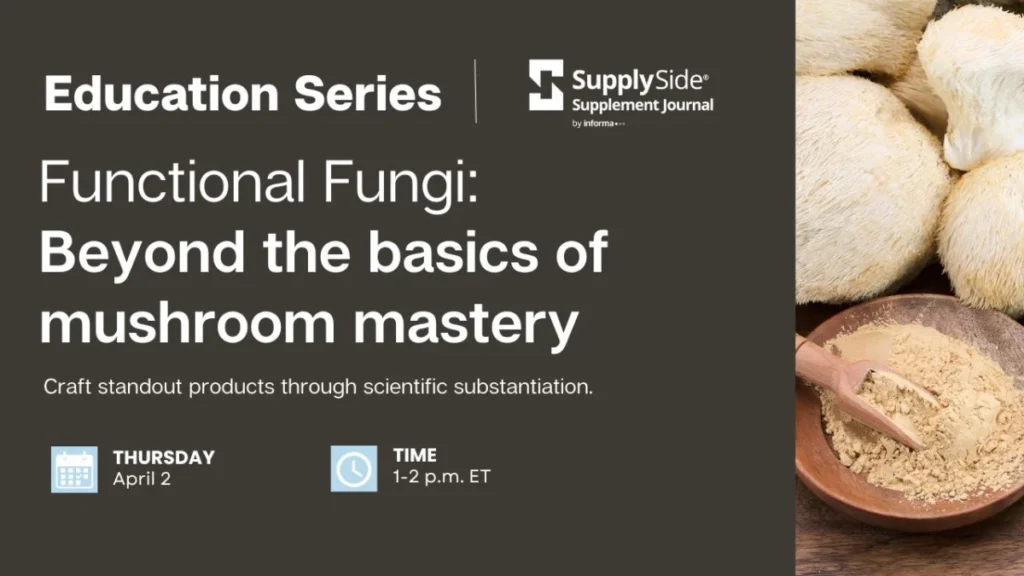
A pivotal webinar is set to convene leading experts to dissect the increasingly complex landscape of fungal ingredients in the supplement industry, offering a balanced exploration of the science behind both mycelium and fruiting body extracts. This event, scheduled for [Insert Date and Time], aims to provide attendees with a comprehensive understanding of the latest research, market trends, and future trajectory of these popular natural compounds. The discussion promises to bridge the gap between differing scientific perspectives and provide actionable insights for product developers, manufacturers, and consumers alike.
A Deep Dive into the Fungal Frontier
The burgeoning interest in functional mushrooms has propelled them from niche health foods to mainstream supplement ingredients. However, a significant point of contention has emerged regarding the optimal form for extraction and utilization: the mycelium versus the fruiting body. This webinar, organized by [Insert Organizer Name], seeks to illuminate the scientific distinctions, purported benefits, and market positioning of each.
The mycelium, often referred to as the root structure of the mushroom, is a complex network of hyphae. Proponents highlight its rich polysaccharide content and potential for unique bioactive compounds. Conversely, the fruiting body is the visible mushroom structure that produces spores. It is traditionally recognized for its concentrated levels of certain beta-glucans and other well-researched phytochemicals.
"This debate is not about which part is ‘better’ in an absolute sense, but rather about understanding the specific profiles and potential applications of each," stated [Insert Fictional Expert Name], a renowned mycologist and a confirmed speaker at the event. "Our goal is to present the most current scientific data, allowing for informed decision-making within the industry."
The webinar’s learning objectives are multifaceted, aiming to equip participants with:
- A nuanced understanding of the distinct biochemical compositions of mycelium and fruiting body mushroom extracts.
- An in-depth review of recent scientific findings, including peer-reviewed studies and proprietary research, supporting the efficacy and safety of various fungal ingredients.
- Insights into the evolving market dynamics and consumer perceptions surrounding different mushroom-derived supplements.
- Expert perspectives on the regulatory landscape and quality control considerations for fungal ingredients.
- A forward-looking analysis of innovation and future opportunities within the functional mushroom sector.
Background and Chronology of the Functional Mushroom Surge
The integration of mushrooms into health and wellness practices is far from new. For millennia, traditional medicine systems, particularly in East Asia, have recognized the therapeutic properties of various fungi. Reishi (Ganoderma lucidum), Shiitake (Lentinula edodes), and Cordyceps have been staples in herbal formulations for their purported immune-modulating, adaptogenic, and vitality-enhancing effects.
The modern resurgence of interest in functional mushrooms gained significant momentum in the late 20th and early 21st centuries. Advancements in scientific research began to validate some of these traditional uses, identifying key compounds like beta-glucans, triterpenes, and antioxidants. This scientific backing, coupled with a growing consumer demand for natural and plant-based health solutions, catalyzed the expansion of the functional mushroom market.
Initially, most commercially available mushroom supplements focused on extracts derived from the fruiting bodies, reflecting established cultivation and processing techniques. However, as research into the broader fungal organism expanded, so did the exploration of mycelial extracts. Companies began to champion mycelium-based products, often citing their distinct nutritional profiles and cost-effectiveness in cultivation. This shift, while offering new avenues for product development, simultaneously ignited the debate about the comparative benefits and scientific validation of mycelium versus fruiting body extracts.
The past decade has witnessed a proliferation of studies, some funded by ingredient suppliers and others conducted by independent academic institutions. This has led to a complex body of evidence, with varying methodologies and conclusions, contributing to the ongoing discussion. The webinar aims to synthesize this research, providing a clearer picture for industry professionals.
Supporting Data and Scientific Evidence
The scientific literature on functional mushrooms is vast and continually growing. Key compounds of interest include:
- Beta-glucans: These complex carbohydrates are widely recognized for their immune-modulating properties. Studies have shown that different mushroom species and extraction methods can yield varying types and concentrations of beta-glucans, impacting their biological activity. Research published in journals like the International Journal of Medicinal Mushrooms has explored the immunomodulatory effects of beta-glucans from various fungal sources, with some studies suggesting differences in efficacy based on the source (mycelium vs. fruiting body).
- Triterpenes: Found predominantly in the fruiting bodies of certain mushrooms like Reishi, triterpenes are associated with anti-inflammatory, antioxidant, and liver-protective effects. Their presence and concentration can vary significantly between species and even between different parts of the mushroom.
- Ergothioneine: A potent antioxidant found in various mushrooms, ergothioneine is being investigated for its potential role in cellular protection and cognitive health. While present in both mycelium and fruiting bodies, research is ongoing to determine the optimal source and bioavailability.
- Polysaccharides: Beyond beta-glucans, mushrooms contain a range of polysaccharides with diverse biological activities, including prebiotic effects and immune support. The complex carbohydrate profile of mycelium, in particular, is a subject of ongoing investigation.
A recent market analysis by [Insert Fictional Market Research Firm] indicated that the global mushroom extract market, valued at approximately USD 1.8 billion in 2022, is projected to grow at a compound annual growth rate (CAGR) of 7.5% from 2023 to 2030. This growth is fueled by increasing consumer awareness of health benefits, rising demand for natural ingredients, and advancements in extraction technologies. Within this market, the debate between mycelium and fruiting body extracts plays a crucial role in product differentiation and consumer education.
Expert Voices and Market Perspectives
The webinar will feature a distinguished panel of experts, representing diverse viewpoints within the fungal ingredient ecosystem. This includes:
- [Insert Fictional Scientist Name], PhD: A leading researcher in mycology and fungal biochemistry, specializing in the comparative analysis of mycelial and fruiting body extracts. [He/She] will present data on the distinct phytochemical profiles and potential bioactivities.
- [Insert Fictional Company Expert Name], Head of Research & Development at [Insert Fictional Supplement Company]: This expert will offer insights into the practical application of fungal ingredients in product formulation, discussing challenges and opportunities in scaling production and ensuring ingredient quality.
- [Insert Fictional Product Developer Name]: A veteran of the supplement industry who was instrumental in the early development of functional mushroom products. [He/She] will share historical context, market evolution, and predictions for the future of the category.
"The industry needs clarity and evidence-based guidance," stated [Insert Fictional Company Expert Name]. "We are excited to share our findings and contribute to a more informed dialogue that benefits both manufacturers and consumers. Understanding the nuances of extraction and the specific benefits of each part of the mushroom is crucial for creating effective and trustworthy products."
Implications for the Supplement Industry and Consumers
The insights gleaned from this webinar are expected to have significant implications for the supplement industry. A clearer understanding of the scientific basis for mycelium and fruiting body extracts can lead to:
- Improved Product Development: Formulators can make more informed decisions about ingredient selection, leading to products with enhanced efficacy and targeted benefits.
- Enhanced Quality Control: The debate underscores the importance of robust analytical testing to verify the composition and purity of fungal extracts, regardless of their origin.
- Greater Consumer Trust: Transparent communication about ingredient sourcing and scientific backing can foster greater consumer confidence in functional mushroom products.
- Innovation and Research: Continued exploration of both mycelial and fruiting body components may uncover novel applications and bioactive compounds.
For consumers, the webinar offers an opportunity to become more discerning purchasers. By understanding the scientific rationale behind different mushroom supplements, consumers can make choices that align with their health goals and are supported by credible evidence. The event will provide the tools to navigate the increasingly crowded functional mushroom market with greater confidence.
Call to Action: Register Now
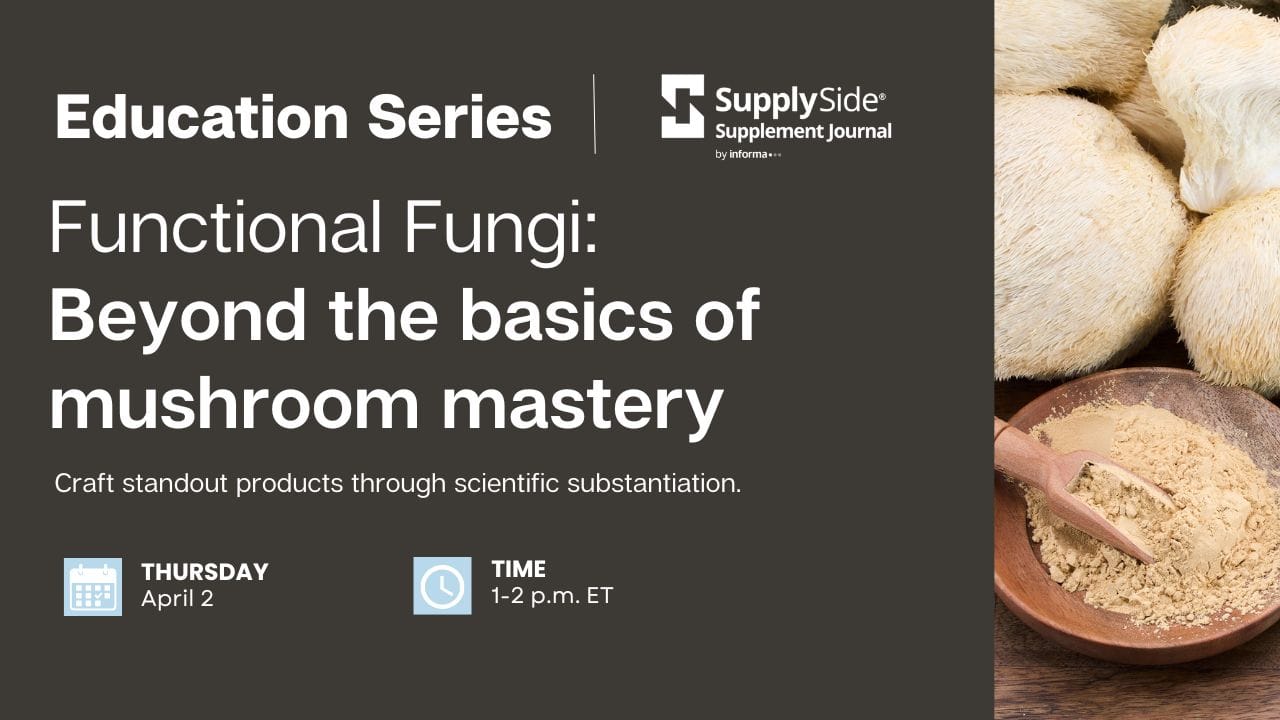
This comprehensive discussion on the science and market future of fungal ingredients is a must-attend for anyone involved in the supplement industry or interested in the burgeoning field of functional mushrooms. The webinar, underwritten by [Insert Sponsor Names, as seen in the image if applicable], promises to be an illuminating and essential event.
[Insert Registration Link or instructions here]
The future of functional mushrooms is rich with potential, and understanding the intricacies of their components is key to unlocking that potential responsibly and effectively.