







Dietary supplement companies must urgently address a significant and accelerating trend in state legislation that will profoundly impact their operational frameworks and, consequently, their financial performance. As of February 2026, an increasing number of states are enacting Extended Producer Responsibility (EPR) laws, which shift the financial and operational burdens of managing end-of-life packaging from municipalities to the companies that introduce packaged products into the marketplace. This legislative movement represents a fundamental paradigm shift in how businesses are required to handle packaging waste, moving away from a system where local governments absorb these costs towards one where producers are directly accountable.
The states that have thus far enacted EPR legislation include California, Colorado, Maine, Maryland, Minnesota, Oregon, and Washington. These laws mandate that producers, a term often encompassing manufacturers and other entities involved in bringing products to market, take on responsibility for the collection, recycling, or disposal of their product packaging. This legislative momentum is not slowing; with additional states actively considering and moving toward implementing similar EPR frameworks, proactive and strategic preparation is no longer optional but essential for businesses in the dietary supplement sector. Early engagement with these evolving requirements can help companies avoid substantial penalties, potentially reduce compliance fees, and even transform regulatory obligations into a strategic competitive advantage.
Understanding the Scope: Which Businesses Are Affected and What Are the Requirements?

The core of EPR legislation lies in its imposition of obligations on "producers." The definition of a producer under these laws is broad and can be interpreted to include not only manufacturers but also brand owners, importers, distributors, and even retailers, depending on the specific state’s statutory language and regulatory interpretation. While brand owners are frequently designated as the primary responsible parties for EPR compliance, the tiered hierarchy employed by most state EPR programs means that various actors in the supply chain may be implicated.
For the dietary supplement industry, the implications are significant. With the exception of Colorado, which has specifically exempted dietary supplement packaging from its EPR program, most states have included such packaging within the purview of these regulations. This means that companies distributing dietary supplements in these states must now account for the lifecycle management of their packaging materials.
While the specifics of EPR compliance can vary from state to state, most programs revolve around four primary obligations for producers:
- Registration and Reporting: Companies are typically required to register with the relevant state environmental agency or a designated Producer Responsibility Organization (PRO). This registration process involves providing detailed information about the types and quantities of packaging materials placed on the market. Regular reporting on packaging weight, material composition, and end-of-life management efforts is also a common requirement.
- Financial Contributions: Producers are generally obligated to contribute financially to the management of packaging waste. These fees are often calculated based on the amount and type of packaging introduced into the state’s market, with the aim of funding collection, sorting, and recycling infrastructure. The financial models can vary, with some states employing pay-as-you-throw systems or requiring contributions to a central fund managed by a PRO.
- Packaging Design and Material Standards: Many EPR laws encourage or mandate the use of more sustainable packaging materials. This can include requirements for increased recycled content, enhanced recyclability, or the reduction of problematic materials. Some legislation may also set targets for packaging reduction or the elimination of certain components.
- Program Participation: Companies are expected to actively participate in approved EPR programs. This often means joining a PRO, which acts on behalf of producers to manage compliance obligations, including fee collection, program administration, and engagement with recycling and waste management entities. PROs play a crucial role in facilitating the collective responsibility of producers.
The enforcement mechanisms for EPR laws are robust, with state environmental agencies empowered to impose significant penalties for noncompliance. These penalties can vary considerably by jurisdiction. For instance, California has established penalties of up to $50,000 per day for failures to register, report, or pay required fees. In Minnesota and Oregon, penalties can reach up to $25,000 per violation. Beyond monetary sanctions, noncompliance can lead to market access restrictions, public disclosure of violations, and potentially extensive civil enforcement actions, underscoring the critical need for diligent adherence to these regulations.
A Shifting Landscape: The Evolution of EPR Legislation
The concept of Extended Producer Responsibility is not entirely new, having gained traction globally over the past few decades, particularly in Europe, as a means to address mounting waste management challenges and promote circular economy principles. In the United States, the movement gained significant momentum in the late 2010s and early 2020s, driven by a confluence of factors. Growing public awareness of plastic pollution and the limitations of traditional municipal recycling programs, coupled with the increasing costs associated with waste management, have created fertile ground for EPR legislation.
The timeline of EPR adoption in the U.S. has been characterized by incremental progress, with states like Maine, Vermont, and Oregon being among the earliest adopters of legislation focused on specific waste streams, such as electronic waste and packaging. However, the past few years have seen an acceleration of this trend, with a broader range of states, including larger economies like California and Maryland, enacting comprehensive EPR laws that encompass a wider array of product categories, including packaging.
The current wave of EPR legislation primarily targets packaging because it represents a significant portion of the municipal solid waste stream and poses substantial challenges in terms of collection, sorting, and recycling. Traditional recycling systems have often struggled to keep pace with the volume and complexity of modern packaging materials, leading to low recycling rates and increased landfill dependency. EPR aims to internalize these externalities, forcing producers to consider the entire lifecycle of their packaging from design to disposal.
Key Milestones in U.S. EPR Packaging Legislation (Illustrative Timeline):
- 2019-2021: Early legislative efforts in states like Maine and Vermont lay the groundwork for packaging EPR, focusing on specific materials or product categories.
- 2022: California passes its landmark SB 54, the Plastic Pollution Prevention and Packaging Producer Responsibility Act, a comprehensive EPR law for packaging that sets ambitious targets for recycling and waste reduction. Maryland also enacts EPR legislation, initially focusing on single-use plastic bags.
- 2023-2024: The trend continues with states like Colorado, Minnesota, Oregon, and Washington passing or significantly expanding their EPR packaging laws. Discussions and legislative proposals emerge in numerous other states, indicating a widespread adoption trajectory.
- February 2026: As reported, seven states have enacted EPR laws, with many more actively pursuing similar legislation, solidifying EPR as a significant and growing regulatory force across the nation.
This evolving legislative landscape necessitates a proactive approach from businesses. Companies that are slow to adapt risk facing a patchwork of differing regulations across states, increasing compliance complexity and costs.
Data Insights: The Impact of Packaging Waste
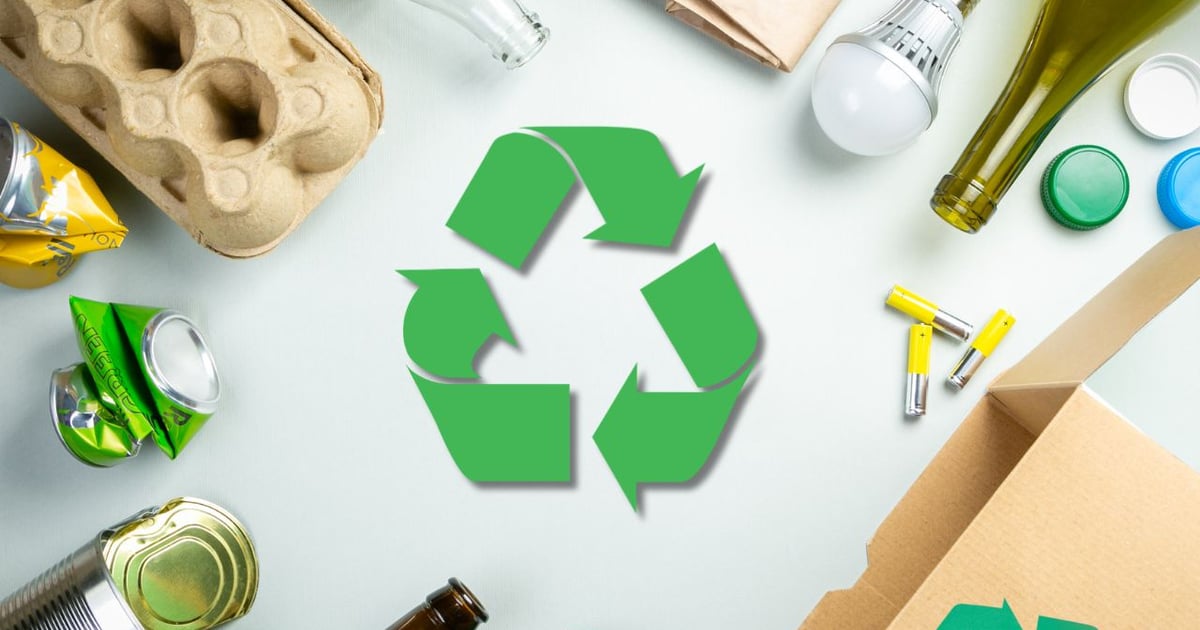
The rationale behind EPR legislation is deeply rooted in data concerning packaging waste. Globally, the production and disposal of packaging materials contribute significantly to environmental challenges. For instance, the Ellen MacArthur Foundation has highlighted that packaging accounts for a substantial portion of plastic waste. In the United States, packaging waste constitutes a significant percentage of municipal solid waste (MSW). According to the U.S. Environmental Protection Agency (EPA), in 2018, packaging represented 30.3% of the total MSW generated, amounting to approximately 82.1 million tons. Of this, only about 32.1% was recycled or composted, leaving a substantial amount to be landfilled or incinerated.
The financial implications for municipalities are also considerable. The costs associated with collecting, transporting, sorting, and processing recyclables, as well as managing residual waste, place a heavy burden on local government budgets. EPR laws aim to alleviate this burden by shifting these costs to the entities that benefit from placing products in the market.
The dietary supplement industry, in particular, utilizes a diverse range of packaging formats, including plastic bottles, glass jars, flexible pouches, cardboard boxes, and various sealing and labeling materials. Many of these materials, especially multi-layer flexible packaging, can be challenging to recycle through conventional municipal systems. This complexity makes the industry a key focus for EPR regulations designed to incentivize the use of more easily recyclable or reusable packaging solutions.
For example, studies on the recyclability of common supplement packaging materials reveal significant disparities. While many PET (polyethylene terephthalate) bottles used for supplements have established recycling streams, other materials like certain types of flexible plastic pouches or composite materials often do not. This disparity in recyclability contributes to higher end-of-life management costs, which EPR aims to address by making producers financially responsible for the waste generated by less recyclable packaging.
Strategic Preparation for EPR Compliance
Given the escalating complexity and rapid evolution of EPR requirements, early and strategic preparation is paramount for dietary supplement companies. A reactive approach can lead to increased costs, missed opportunities, and potential penalties. Conversely, proactive engagement can transform regulatory challenges into avenues for innovation and market differentiation.
Here are specific, actionable steps companies can take to prepare for EPR compliance:
- Conduct a Comprehensive Packaging Audit: The first step is to thoroughly understand the types, volumes, and materials of all packaging currently used across all product lines and all markets where the company operates. This audit should include primary packaging (bottles, pouches, caps), secondary packaging (boxes, shrink wrap), and tertiary packaging (shipping materials). This data will be crucial for registration and fee calculations.
- Monitor State-Level Legislative Developments: Stay informed about proposed and enacted EPR legislation in all states where products are sold. This requires dedicated legal and regulatory monitoring, often through industry associations or specialized legal counsel. Understanding the nuances of each state’s law, including definitions of "producer," scope of covered materials, and compliance deadlines, is critical.
- Engage with Producer Responsibility Organizations (PROs): As EPR laws are implemented, PROs will emerge as central intermediaries. Companies should research and engage with reputable PROs that specialize in packaging EPR. Joining a PRO can streamline compliance by consolidating fee payments, managing reporting obligations, and coordinating with recycling infrastructure. PROs can offer valuable expertise and operational support.
- Develop Robust Data Management Systems: Accurate and reliable data on packaging will be essential for EPR compliance. Companies need to establish or enhance their internal systems for tracking packaging weights, material compositions, recycled content, and end-of-life management data. This will facilitate accurate reporting to state agencies and PROs, as well as inform strategic packaging decisions.
- Review and Redesign Packaging for Sustainability: EPR laws often incentivize or mandate the use of more sustainable packaging. Companies should proactively explore opportunities to:
- Increase Recycled Content: Prioritize the use of post-consumer recycled (PCR) materials where feasible and compliant with product safety standards.
- Enhance Recyclability: Opt for materials and designs that are more easily sorted and recycled in existing municipal infrastructure. This might involve reducing the use of mixed materials or problematic additives.
- Reduce Overall Packaging Material: Explore lightweighting options or minimalist design approaches to reduce the total amount of packaging introduced into the market.
- Investigate Reusable Packaging Models: For certain product types or distribution channels, consider the feasibility of reusable packaging systems, which can offer long-term cost savings and environmental benefits.
- Collaborate with Supply Chain Partners: EPR compliance is a shared responsibility. Engage with suppliers of packaging materials, co-packers, and distributors to ensure alignment on sustainability goals and compliance requirements. Sharing data and best practices can foster a more effective and efficient approach to EPR.
- Assess Financial Implications and Budget Accordingly: Understand the potential costs associated with EPR fees, which will likely vary based on packaging volume and material type. Incorporate these costs into financial planning and budgeting processes to avoid unexpected financial strains.
- Seek Expert Legal and Consulting Advice: The intricacies of EPR legislation and compliance can be substantial. Engaging with legal counsel specializing in environmental law and regulatory compliance, as well as sustainability consultants, can provide invaluable guidance and support.
The Amin Wasserman Gurnani LLP Perspective
Evan Phelps, Partner at Amin Wasserman Gurnani LLP, emphasizes the critical nature of this legislative shift. "State Extended Producer Responsibility requirements will significantly affect how dietary supplement companies manage packaging and packaging waste," Phelps stated. "With seven states already implementing EPR requirements and more on the horizon, companies should not delay in assessing their obligations, building data systems, registering with PROs and beginning to redesign packaging to the company’s best advantage."
Phelps further elaborated, "The financial and operational consequences of noncompliance can be significant. However, companies that approach EPR strategically can potentially reduce costs, mitigate risks and position themselves as sustainability leaders in their industries. Early adoption of sustainable packaging practices and robust compliance frameworks can turn a regulatory burden into a competitive asset, enhancing brand reputation and consumer trust."
The insights from Amin Wasserman Gurnani LLP underscore the dual nature of EPR: it presents a compliance challenge but also an opportunity for innovation and leadership. Companies that proactively embrace these changes are likely to be better positioned for long-term success in an increasingly environmentally conscious market.
Conclusion: A Call to Action for the Dietary Supplement Industry
The proliferation of Extended Producer Responsibility laws represents a fundamental and irreversible shift in the regulatory landscape for product packaging. For dietary supplement companies, this trend demands immediate attention and strategic planning. The implications extend beyond mere compliance, touching upon product design, supply chain management, financial forecasting, and corporate social responsibility.
By understanding the scope of these laws, actively monitoring legislative developments, investing in robust data management, and embracing sustainable packaging solutions, companies can navigate this evolving terrain effectively. Early and proactive engagement with EPR requirements will not only help avoid penalties and reduce potential costs but also foster innovation, enhance brand reputation, and position dietary supplement companies as leaders in environmental stewardship. The future of packaging management is here, and preparedness is key to thriving in this new era.