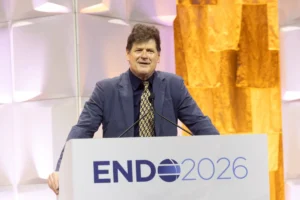








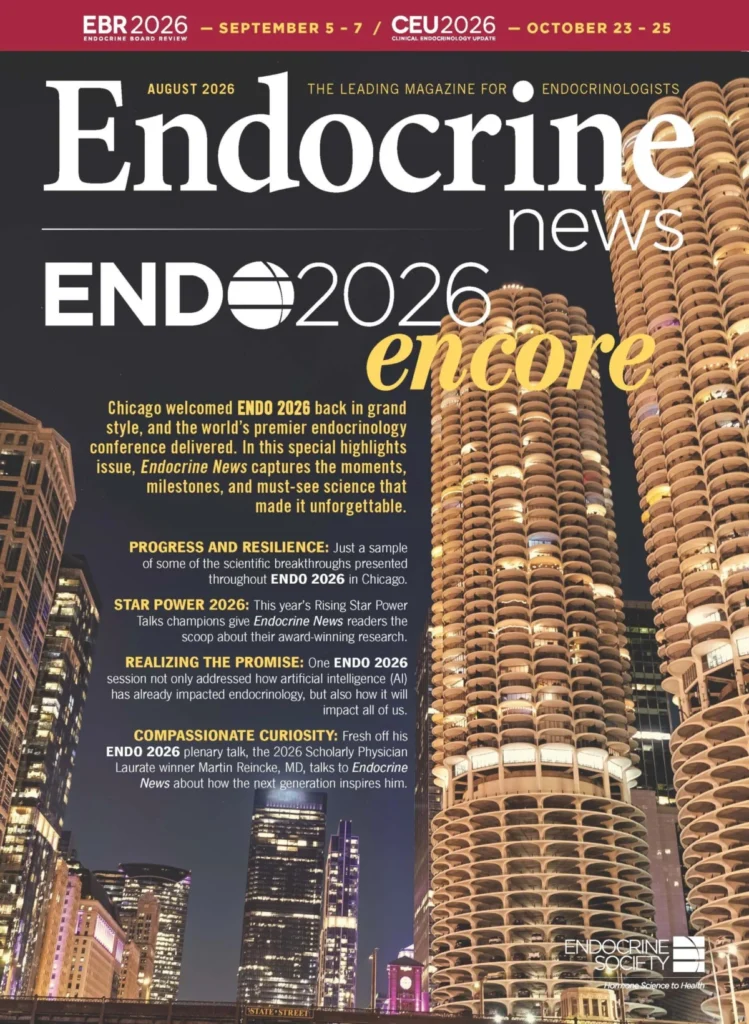
The ENDO 2026 annual meeting concluded this past June in Chicago, marking a pivotal moment for the field of endocrinology during a period of significant transition and economic pressure within the global healthcare sector. Despite a backdrop of fluctuating research budgets and systemic uncertainties, the event drew record-breaking attendance, underscoring the unwavering commitment of the scientific community to advancing hormonal health. The gathering served not only as a showcase for groundbreaking clinical data but also as a forum for addressing the socioeconomic challenges that dictate how life-saving treatments reach the patients who need them most.

A City of Transformation: The Intersection of History and Science
The choice of Chicago as the host city for ENDO 2026 carried a symbolic weight that resonated throughout the conference. Often described as the city where jazz "grew up" following its birth in New Orleans, Chicago has historically functioned as a crucible for transformation and the refinement of complex ideas. This parallel was frequently drawn by attendees and speakers alike, noting that while the foundational "notes" of endocrinology were written decades ago, the field is currently undergoing a transformative "Great Migration" of its own—moving from niche metabolic research to the forefront of global public health strategy.
Endocrinologists have faced a turbulent few years, characterized by rigorous budget constraints and shifts in federal funding priorities. However, the atmosphere at the McCormick Place convention center was one of focused resilience. Professionals from both the "bench" (basic research) and the "bedside" (clinical practice) convened to discuss how the field has maintained its momentum. The consensus among leadership was that the discipline’s strength lies in its breadth, covering everything from reproductive health and bone density to the current pharmacological revolution in weight management.

The GLP-1 Revolution: Beyond Glycemic Control
Perhaps the most significant theme of ENDO 2026 was the continuing evolution and expansion of Glucagon-like peptide-1 (GLP-1) receptor agonists. Originally developed as a secondary treatment for Type 2 diabetes, these medications have fundamentally altered the landscape of obesity medicine. The conference highlighted the latest data on semaglutide and tirzepatide, illustrating their efficacy not just in weight reduction but in mitigating the myriad of comorbidities associated with obesity, such as cardiovascular disease and obstructive sleep apnea.
The plenary sessions featured two of the most distinguished figures in the field: Daniel Drucker, MD, the 2025 recipient of the Endocrine Society’s Fred Conrad Koch Lifetime Achievement Award, and Barbara Kahn, MD, recipient of the 2025 Roy O. Greep Award for Outstanding Research. Dr. Drucker, a professor at the University of Toronto, is widely credited with the foundational research that led to the development of GLP-1 therapies. Dr. Kahn, a vice chair at Beth Israel Deaconess Medical Center and professor at Harvard Medical School, has spent her career elucidating the molecular mechanisms of insulin resistance and adipose tissue function.
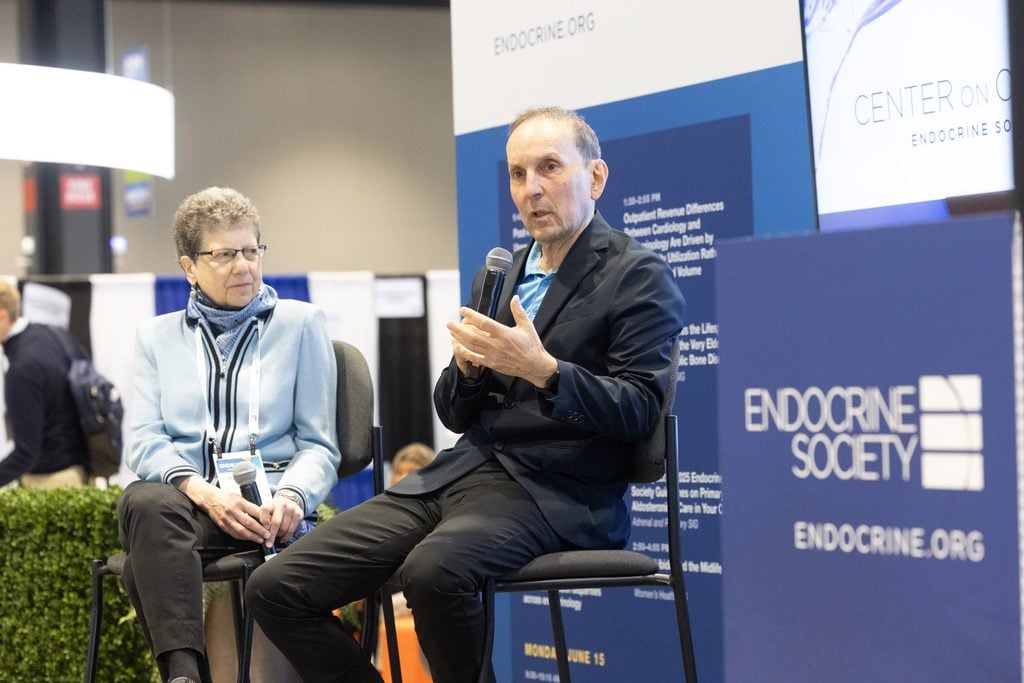
During a highly attended Q&A session, the discussion veered toward the future of these therapies. Dr. Drucker offered a visionary perspective, suggesting that by 2036, the medical community might finally understand the environmental and genetic triggers that caused the global BMI surge over the last four decades. He expressed hope that future interventions would focus on environmental and food system reforms, potentially rendering chronic GLP-1 use less necessary. However, he noted that if the need persists, the goal must be to ensure that dozens of affordable, generic versions of these medications are available worldwide.
Nutrition Science and the Complexity of Metabolic Health
The conference also tackled the nuances of nutrition science, which is often plagued by contradictory findings. A notable point of discussion was a controversial 2023 study suggesting a link between modest ice cream consumption and a reduced risk of heart disease in diabetic patients. Dr. Barbara Kahn addressed this "preposterous result" by offering a biochemical hypothesis. She suggested that the high lipid content in ice cream might slow the absorption of carbohydrates, thereby preventing the sharp glucose spikes that contribute to metabolic strain.
Furthermore, Dr. Kahn pointed out that ice cream contains fatty acid esters of hydroxy fatty acids (FAHFAs), which are also found in breast milk, apples, and broccoli. While not an endorsement of a high-sugar diet, the discussion emphasized the need for a more sophisticated understanding of how complex food matrices—the combination of fats, proteins, and carbohydrates—interact with human physiology.
Despite the excitement surrounding pharmacotherapy, the faculty remained adamant that lifestyle interventions and environmental changes are indispensable. Dr. Kahn observed that the expo floor lacked vendors promoting physical activity equipment, such as stationary bikes, highlighting a potential disconnect between pharmacological solutions and holistic health. The consensus was clear: while GLP-1s are a powerful tool, they are not a "silver bullet" that negates the need for systemic changes in the food industry and urban design.
Addressing Barriers to Access and Health Equity
A critical portion of ENDO 2026 was dedicated to the stark realities of health disparities. In a session titled "Breaking Barriers: Addressing Endocrine Disorders in Underserved Populations," moderated by Alicia Diaz-Thomas, MD, MPH, of the University of Nevada, Reno, experts discussed the "hoops" that minority patients must jump through to access modern treatments.
Eric Bomberg, MD, MAS, presented data indicating that while there are now nine approved medications for treating obesity, access remains heavily skewed. Non-Hispanic White Americans with private insurance have significantly higher rates of access to both bariatric surgery and new-generation medications. In contrast, Black, Hispanic, and Asian patients are less likely to be prescribed these treatments, even when accounting for education and income levels.
The financial disparity was further illustrated by Dr. Drucker, who noted that in Canada, a month’s supply of semaglutide costs approximately $78 CAD—roughly the price of a long-distance Uber ride. In the United States, however, the out-of-pocket cost can be ten times higher, creating a barrier that often forces patients into bankruptcy or leads to the discontinuation of treatment. The speakers argued that until obesity is universally recognized and covered as a chronic disease rather than a behavioral failing, the "GLP-1 revolution" will remain a privilege of the wealthy.
New Frontiers: Liver Disease, Menopause, and Behavioral Science
While obesity and diabetes dominated the headlines, ENDO 2026 also spotlighted significant advancements in other areas of endocrinology:
- Tirzepatide and Gender Differences: A massive collaborative study involving 80,000 adults, led by researcher Hans Johnson, found that women tend to lose a higher percentage of body weight on tirzepatide than men. The study also noted that pre-existing conditions like metabolic liver disease and hypertension could slow weight loss progress, reinforcing the need for individualized, "precision" endocrinology.
- Metabolic Dysfunction-Associated Steatotic Liver Disease (MASLD): Chinese researchers, led by Xuejiang Gu, MD, PhD, presented a study linking long daily naps (exceeding 30 minutes) to an increased risk of MASLD in patients with Type 2 diabetes. The findings suggest that sedentary behavior during the day may disrupt circadian rhythms and metabolic processing in the liver.
- Non-Hormonal Menopause Treatment: Pauline M. Maki, PhD, of the University of Illinois Chicago, presented promising data on fezolinetant, an FDA-approved non-hormonal treatment for menopause. The study found that the medication not only reduced the frequency and severity of hot flashes but also improved symptoms of depression and anxiety, offering a vital alternative for women who cannot or choose not to use hormone replacement therapy.
The Future of the Field: A Constant Evolution
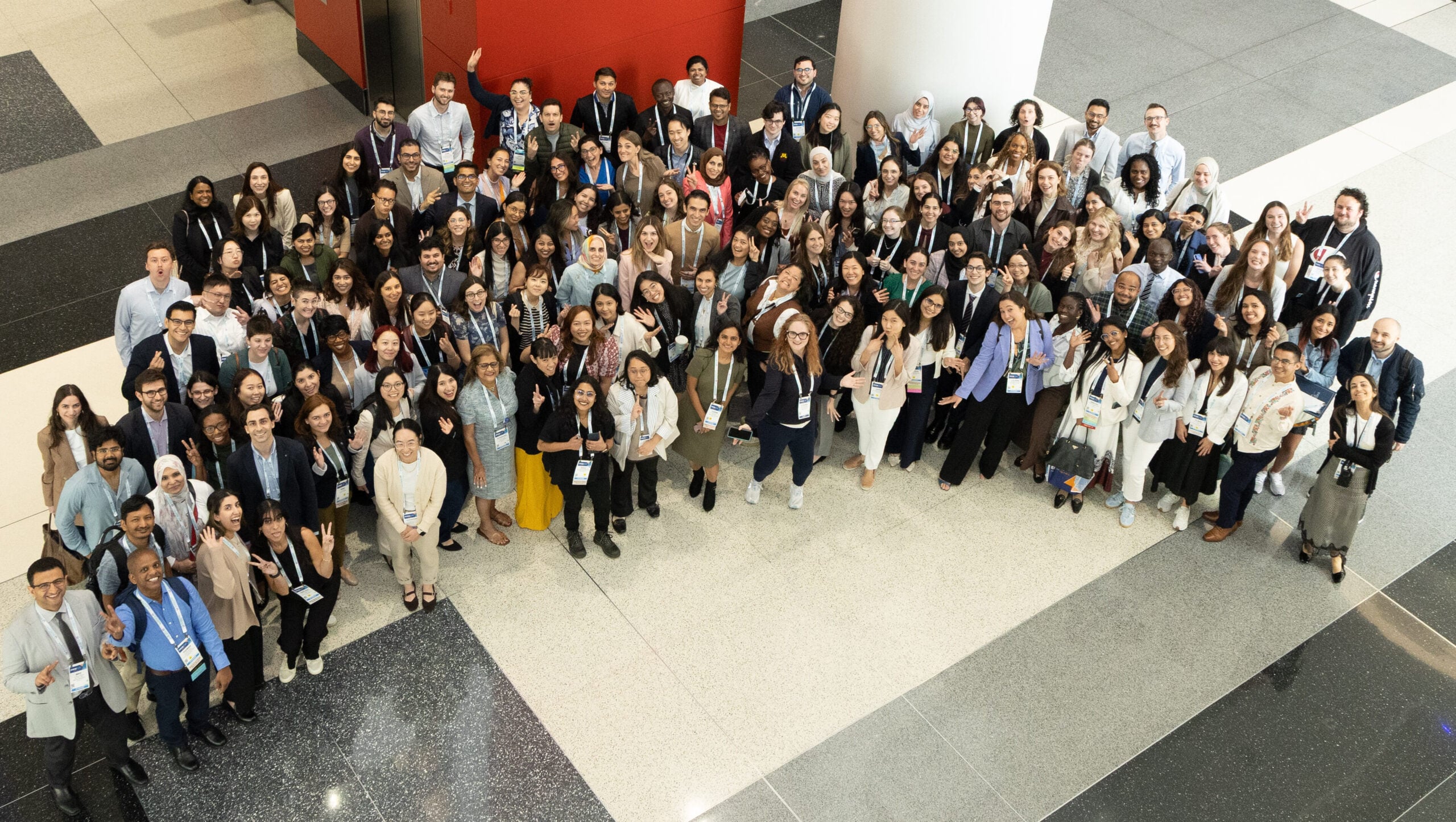
As the conference drew to a close, the mood was one of cautious optimism. The incoming and current presidents of the Endocrine Society, including Nanette Santoro, MD, and Carol Lange, PhD, emphasized that the field is in a state of constant evolution. They pointed to the "Early Career Forum" as evidence of a robust pipeline of new talent ready to tackle the challenges of the next decade.
The meeting concluded with a final nod to the jazz metaphor that opened the event. Just as jazz depends on the "notes not played"—the silence and the rhythm between the sounds—the future of endocrinology may depend on the questions not yet answered. Whether it is identifying the "hidden" endocrine disruptors in processed foods or developing generic medications for global distribution, the work of the endocrinologist is far from finished.
ENDO 2026 proved that despite the "turbulent notes" of the current healthcare economy, the practitioners of this discipline remain unflappable. By merging rigorous basic science with a growing focus on social justice and environmental reform, the Endocrine Society has set a clear course for the next decade of medical innovation. The "notes" yet to be played in this field promise to be the most transformative yet, potentially redefining what it means to prevent, rather than just treat, chronic human disease.