









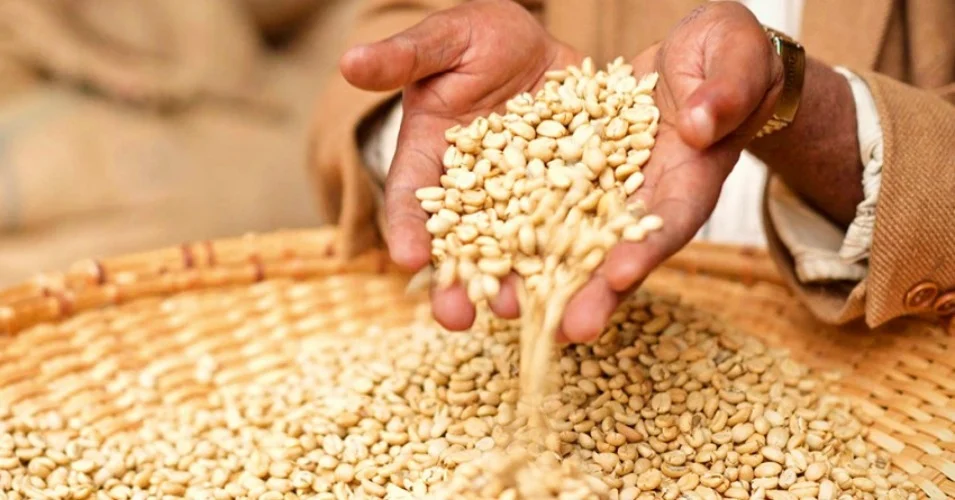
The foundation of resilient agricultural systems rests upon the fundamental understanding of botanical classification and the hereditary traits of cultivated crops. On March 8, 2026, Chelsea Green Publishing released a comprehensive analysis within its "Seed Series," highlighting the critical importance of identifying plant family characteristics when selecting crops for seed production. This research underscores a pivotal shift in modern agronomy: the move toward decentralized, regional seed sovereignty depends less on trial and error and more on a rigorous application of taxonomic science. By recognizing the shared phenotypic traits and reproductive structures within the nine primary plant families that comprise the majority of global vegetable production, growers can more effectively predict crop behavior, prevent cross-pollination, and ensure the genetic purity of their harvests.
As global food systems face increasing pressure from climate volatility and supply chain disruptions, the ability of individual farmers and gardeners to produce high-quality, viable seeds has transitioned from a niche hobby to a strategic necessity. The latest data from the "Seed Series" indicates that successful seed saving is predicated on a deep understanding of flower structure and fruit development. These botanical markers serve as the primary criteria for categorizing the angiosperms—the true flowering plants—into their respective species and genera. This scientific framework allows growers to categorize plants not just by their culinary uses, but by their biological requirements and reproductive limitations.
The Taxonomic Framework of Cultivated Crops
The classification of plants into families is not an arbitrary exercise in nomenclature; it is a recognition of shared evolutionary history. Research indicates that closely related crops within a particular family usually share a number of prominent features, ranging from the arrangement of leaves on the main stem to the specific architecture of their root systems. In the context of seed production, these shared traits dictate the methods of pollination, the isolation distances required to prevent hybridization, and the techniques for harvesting and cleaning seeds.
There are nine primary plant families that dominate the vegetable garden: Brassicaceae (mustards), Solanaceae (nightshades), Fabaceae (legumes), Cucurbitaceae (gourds), Apiaceae (carrots), Asteraceae (sunflowers), Amaranthaceae (beets/spinach), Amaryllidaceae (onions), and Poaceae (grasses/grains). Each of these families possesses a distinct "botanical signature." For instance, members of the Brassicaceae family, such as broccoli, kale, and cabbage, are known for their four-petaled flowers resembling a cross and their unique seed pods known as siliques. Understanding these commonalities allows a grower to apply a singular set of seed-saving principles across dozens of different crop varieties.
Flower Structure as a Diagnostic Tool
For centuries, flower structure has been the principal method for categorizing plants. From a journalistic and scientific perspective, the flower is the plant’s reproductive identity card. The arrangement of sepals, petals, stamens, and pistils provides the definitive blueprint for how a plant interacts with its environment to produce the next generation.
The "Seed Series" emphasizes that the fruit of a plant is, in biological terms, the fertilized ovary of the flower. This distinction is vital for seed savers. Whether the "fruit" is a fleshy tomato, a dry bean pod, or a winged maple samara, its structure determines the timing and method of seed extraction. In the Solanaceae family, for example, the fruit is typically a berry with seeds embedded in a moist pulp. This requires a fermentation process to remove germination-inhibiting coatings—a step that is entirely unnecessary for the dry pods of the Fabaceae family. By understanding the transition from flower to fruit, growers can pinpoint the exact moment of physiological maturity, ensuring that the seeds harvested possess the highest possible germination rates.
A Chronology of Seed Science and Selection
The evolution of seed selection has moved through several distinct eras, leading to the current emphasis on taxonomic literacy.
- The Era of Landraces (Pre-18th Century): Before the formalization of botany, seed selection was largely intuitive. Farmers saved seeds from the healthiest plants, creating "landraces" that were perfectly adapted to local microclimates but lacked a standardized scientific framework.
- The Linnaean Revolution (1735–1850): Carl Linnaeus published Systema Naturae, introducing the binomial nomenclature system. This provided the first global language for plants, allowing for the systematic categorization of crops based on reproductive organs.
- The Mendelian Shift (1860s–1920s): Gregor Mendel’s work with peas (Fabaceae) revealed the laws of inheritance. This era marked the beginning of intentional breeding for specific traits like height, color, and yield.
- The Industrialization of Seed (1950s–2010s): The rise of F1 hybrids and patented genetics centralized seed production. During this time, much of the public knowledge regarding plant families and seed saving was lost to the average grower as seeds became a commodity rather than a shared heritage.
- The Resilience Movement (2020–Present): A resurgence in organic farming and home gardening, accelerated by the global events of the early 2020s, has led to a renewed demand for botanical education. The March 2026 release from Chelsea Green Publishing represents the culmination of this movement, providing the technical data necessary for a new generation of seed stewards.
Supporting Data: Morphological Consistency Across Families
To understand the practical application of this knowledge, one must look at the morphological consistency within families. Data collected by agricultural researchers shows that phenotypic traits—the observable physical characteristics—are highly conservative within families.
- Leaf Arrangement: In many families, the phyllotaxy (the arrangement of leaves on a stem) is a constant. For example, most members of the Lamiaceae (mint) family have opposite leaves and square stems.
- Vascular Structure: The type of stem—whether it is herbaceous, woody, or succulent—often remains consistent across a genus, providing clues to the plant’s water needs and structural integrity during the seed-heavy drying phase.
- Root Architecture: Knowledge of whether a family typically produces taproots (like Apiaceae) or fibrous root systems (like Poaceae) informs the spacing and soil depth requirements for mother plants intended for seed production.
Expert Analysis and Industry Responses
Agricultural analysts suggest that the emphasis on plant family characteristics is a response to the "genetic erosion" observed in modern monocultures. Dr. Elena Vance, a senior agronomist specializing in biodiversity, notes that "when growers view their crops through the lens of taxonomy, they become better observers of disease and pest patterns. Many pests are family-specific. A grower who knows that their potatoes and eggplants both belong to the Solanaceae family will be better prepared to manage the Colorado potato beetle across their entire landscape."
Publishing houses like Chelsea Green have seen a 40% increase in demand for technical botanical literature over the last three years. This trend reflects a broader shift in the agricultural sector toward "functional literacy." Industry experts argue that the democratization of seed-saving knowledge is a direct threat to the monopoly of large-scale seed corporations, as it empowers local communities to develop and maintain their own genetic libraries.
Broader Impact and Global Implications
The implications of widespread taxonomic knowledge extend far beyond the garden gate. On a global scale, the ability to identify and preserve diverse seed crops is a cornerstone of climate adaptation. As weather patterns shift, certain plant families may prove more resilient than others. For example, the drought-tolerance traits found in many members of the Amaranthaceae family make them increasingly valuable in aridifying regions.
Furthermore, the focus on flower structure and reproductive biology is essential for protecting pollinator populations. By understanding which families require insect pollination (like the Cucurbitaceae) versus those that are wind-pollinated (like the Poaceae), farmers can design "pollinator corridors" that support the specific insects needed for their seed crops.
In conclusion, the science of choosing the right seed crop is an exercise in biological detective work. By looking at the "prominent features" shared by closely related plants, growers can unlock the secrets of the nine major vegetable families. This knowledge provides the framework for a more stable and diverse food system. As the "Seed Series" suggests, the future of agriculture is not found in a laboratory, but in the careful observation of the leaf, the stem, the flower, and the fruit. Through the application of these timeless botanical principles, the art of seed saving is being transformed into a rigorous and replicable science, ensuring that the genetic heritage of our cultivated crops remains vibrant for generations to come.