








The persistent challenge of managing weight, particularly the reduction of abdominal fat, remains a significant health priority for many individuals globally. While no single food acts as a magical solution, dietary choices play an undeniable and crucial role in achieving sustainable weight management. For cheese enthusiasts, the good news is that this beloved dairy product does not necessarily need to be excluded from a weight loss regimen. On the contrary, strategic incorporation of certain protein-rich cheeses can actively support satiety and muscle maintenance, two cornerstones of effective fat loss, according to leading experts.
Tara Collingwood, MS, RDN, CSSD, LD/N, ACSM-CPT, a Board Certified Sports Dietitian and co-author of the Flat Belly Cookbook for Dummies, emphasizes that the key lies in selecting cheeses that offer a high protein content and are amenable to portion control. "No single food causes belly fat loss. However, higher-protein cheeses that are easy to portion can support fullness and muscle maintenance, both of which are important for overall fat loss," Collingwood explains. This guidance counters older, often restrictive dietary narratives that broadly demonized cheese due to its fat content, instead advocating for a nuanced approach focused on nutritional density and strategic consumption.
The Scientific Foundation: Protein, Satiety, and Metabolic Health


Understanding why certain cheeses can be beneficial requires delving into the scientific mechanisms of weight loss. Protein is widely recognized as the most satiating macronutrient. When consumed, protein stimulates the release of gut hormones like cholecystokinin (CCK), glucagon-like peptide-1 (GLP-1), and peptide YY (PYY), all of which signal fullness to the brain, thereby reducing appetite and caloric intake. This inherent ability to promote sustained satiety is a powerful tool in creating the necessary caloric deficit for weight loss, as individuals feel fuller for longer and are less prone to overeating or snacking on less nutritious options.
Furthermore, protein has a higher thermic effect of food (TEF) compared to carbohydrates and fats. This means the body expends more energy (calories) to digest, absorb, and metabolize protein. While the absolute caloric expenditure from TEF is modest, it contributes incrementally to overall energy expenditure.
Beyond satiety, Collingwood highlights the critical role of muscle maintenance. During periods of caloric restriction for weight loss, there is always a risk of losing not just fat but also valuable muscle mass. Muscle tissue is metabolically active, meaning it burns more calories at rest than fat tissue. Preserving or even building muscle mass while losing weight helps sustain a higher resting metabolic rate, making it easier to continue burning calories efficiently and prevent weight regain. High-quality protein, such as that found in dairy products like cheese, provides the essential amino acids required for muscle protein synthesis, directly supporting this objective. The focus on "belly fat loss" specifically aligns with public health recommendations, as visceral fat (the fat surrounding organs in the abdomen) is metabolically active and strongly linked to increased risks of type 2 diabetes, heart disease, and certain cancers.
Navigating Dairy and Fat Content in a Weight Loss Diet
For decades, dietary advice often steered individuals away from full-fat dairy products, including cheese, due to concerns about saturated fat and cholesterol. However, contemporary nutritional science has evolved, with a greater emphasis on overall dietary patterns and the quality of food sources. While moderation and portion control remain paramount, the inclusion of dairy products, even some with moderate fat content, is now often viewed within the context of a balanced diet. Dairy provides essential nutrients like calcium, vitamin D, and potassium, which are crucial for bone health, blood pressure regulation, and overall well-being.
Collingwood’s recommendations implicitly acknowledge this shift, suggesting that both low-fat and full-fat options can be viable depending on individual preferences and how they fit into total daily calorie and macronutrient targets. The key is understanding that "no single food causes belly fat loss" but rather contributes to an overall dietary strategy.
Here are the 7 best cheeses that can be strategically incorporated into a diet aimed at supporting fullness and promoting fat loss:
1. Cottage Cheese
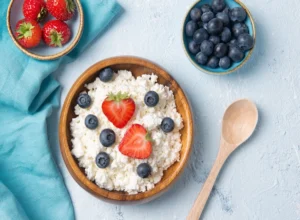
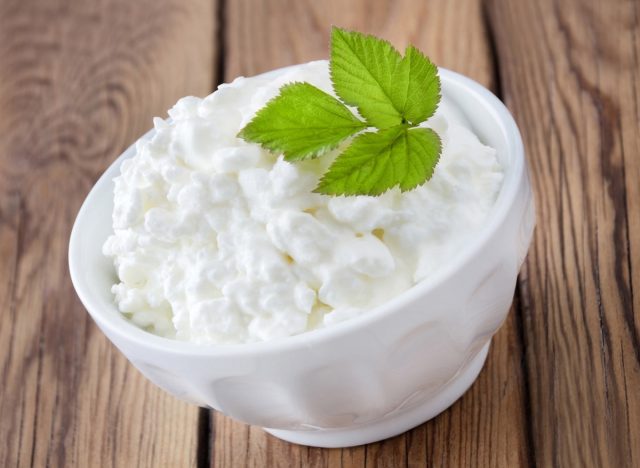
Cottage cheese stands out as a nutritional powerhouse in the dairy aisle, consistently lauded by dietitians for its exceptional protein content. It is rich in both casein and whey proteins. Casein is a slow-digesting protein, providing a sustained release of amino acids, which contributes to prolonged feelings of fullness. Whey protein, on the other hand, is rapidly absorbed, making it excellent for post-exercise muscle recovery and stimulating muscle protein synthesis. Collingwood notes, "Cottage cheese is one of the highest-protein cheeses, which helps support muscle growth and keep you full. Maintaining muscle is important for metabolism, especially when you’re trying to lose abdominal fat. Low-fat or full-fat can work depending on portions and preferences."
A typical half-cup serving of low-fat cottage cheese can provide approximately 12-15 grams of protein for around 80-100 calories, along with a good dose of calcium. Its mild flavor and creamy texture make it incredibly versatile. It can be enjoyed as a savory snack with fresh herbs, black pepper, and sliced tomatoes, or transformed into a sweet treat with berries, a drizzle of honey, or a sprinkle of cinnamon. Its ability to serve as a base for various flavor profiles makes it an easy and satisfying addition to any meal plan, helping to prevent dietary monotony that can derail weight loss efforts.
2. Greek-Style Feta
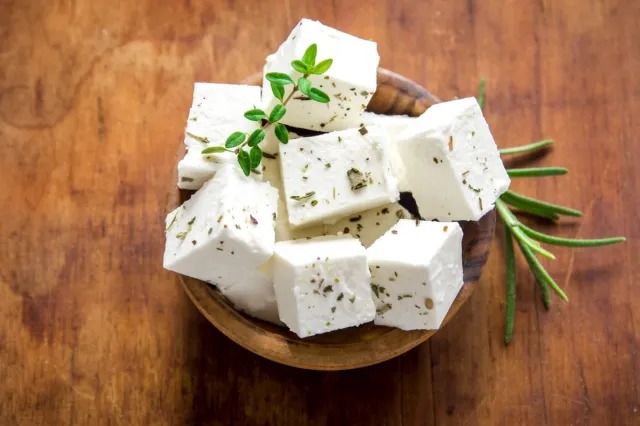
Greek-style feta, with its distinctive salty and tangy profile, offers a powerful flavor punch that naturally aids in portion control. "Feta has a strong flavor, so a little goes a long way," Collingwood advises. "That makes it easier to control portions while still adding satisfaction to meals. Great crumbled over salads or roasted vegetables." This characteristic is invaluable for those looking to add flavor without significantly increasing caloric intake.
Originating from Greece, traditional feta is made from sheep’s milk, or a blend of sheep’s and goat’s milk, and is cured in brine, which contributes to its unique taste and crumbly texture. While higher in sodium due to the brining process, its strong flavor ensures that only small quantities are needed to impart significant taste. A 1-ounce serving typically provides around 4-5 grams of protein and about 75 calories. Its protein content, coupled with its robust flavor, makes it an excellent choice for enhancing salads, scrambled eggs, grilled chicken, or Mediterranean-inspired bowls, ensuring culinary satisfaction with controlled portions.
3. Part-Skim Mozzarella
Part-skim mozzarella is a lean and versatile cheese, offering a favorable nutritional profile for those focused on weight loss. "Mozzarella is relatively low in calories and provides protein and calcium, nutrients that support body composition when included in a balanced diet. String cheese portions make this especially easy to manage," Collingwood states. The "part-skim" designation indicates that it has a lower fat content compared to its full-fat counterpart, thereby reducing its caloric density.
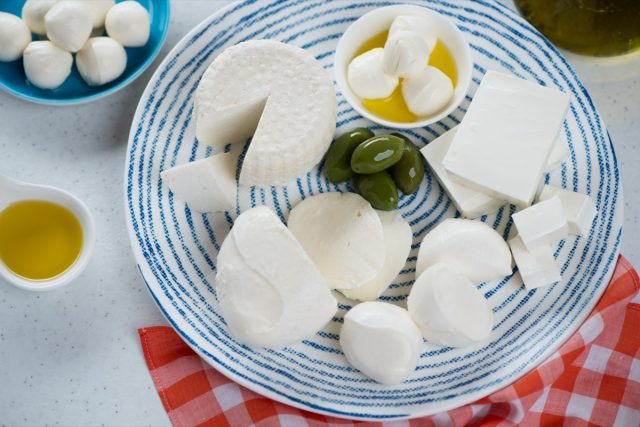
A single ounce of part-skim mozzarella contains approximately 6-7 grams of protein and around 70-80 calories, along with a significant amount of calcium, vital for bone health. Its mild flavor and excellent melting properties make it a staple in various cuisines. The availability of pre-portioned string cheese is particularly advantageous, as it eliminates the guesswork of portion control, making it an ideal grab-and-go snack that delivers protein and keeps hunger at bay. It can be added to whole-wheat pizzas, layered in caprese salads, or simply enjoyed as a standalone snack.
4. Parmesan
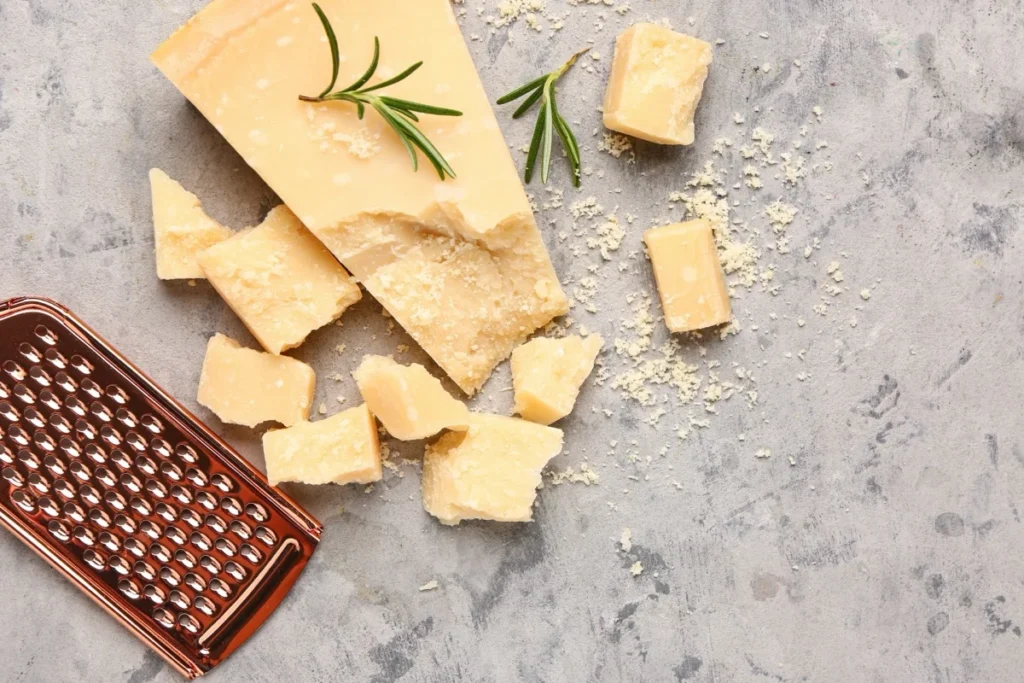
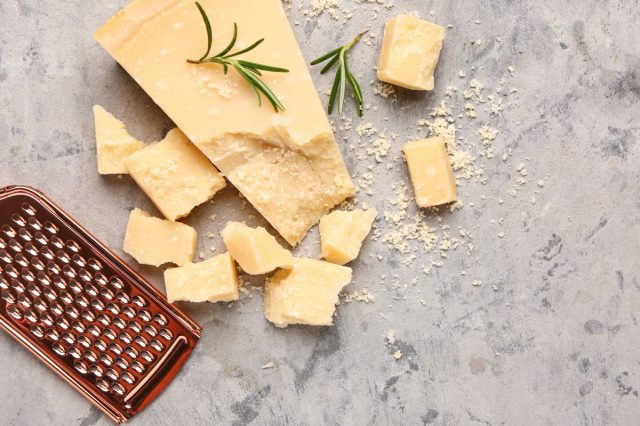
Parmesan, a hard, aged Italian cheese, is another excellent option for those seeking to lose weight without sacrificing flavor. Its intense, umami-rich taste means that a small amount goes a long way in flavoring dishes. "Hard cheeses like Parmesan are flavorful and protein-dense, meaning you can use small amounts and still feel satisfied. A tablespoon or two adds big flavor without many calories," Collingwood explains.
Due to its aging process, Parmesan is naturally very low in lactose, making it a suitable choice for individuals with lactose sensitivities. A typical tablespoon of grated Parmesan offers about 2-3 grams of protein for roughly 20-25 calories, along with calcium. Its concentrated flavor allows it to be used sparingly yet effectively as a seasoning. It can be grated over pasta, roasted vegetables, soups, salads, or even used to make a savory crust for lean proteins, enhancing the overall meal experience without contributing excessive calories or fat.
5. Swiss Cheese
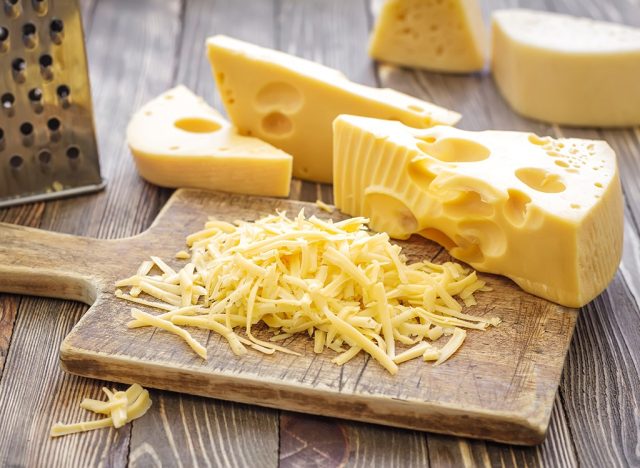
Swiss cheese, known for its distinctive holes and mild, nutty flavor, presents another solid choice for a weight-conscious diet. "Swiss cheese offers protein with less sodium than many other cheeses, which can be helpful for people watching their bloating or water retention. Pairs well with whole-grain bread or fruit," Collingwood highlights. The lower sodium content is a notable benefit, as excessive sodium intake can lead to water retention and bloating, which can be particularly frustrating for individuals monitoring their body composition.
An ounce of Swiss cheese typically provides around 7-8 grams of protein and about 100-110 calories, alongside a substantial amount of calcium. Its protein-to-calorie ratio is favorable, and its mild flavor makes it highly adaptable. It is an excellent addition to sandwiches made with whole-grain bread, providing a satisfying protein boost. It also pairs well with fresh fruit, offering a balanced snack that combines protein, healthy carbohydrates, and fiber, promoting sustained energy and fullness.
6. Ricotta (Part-Skim)
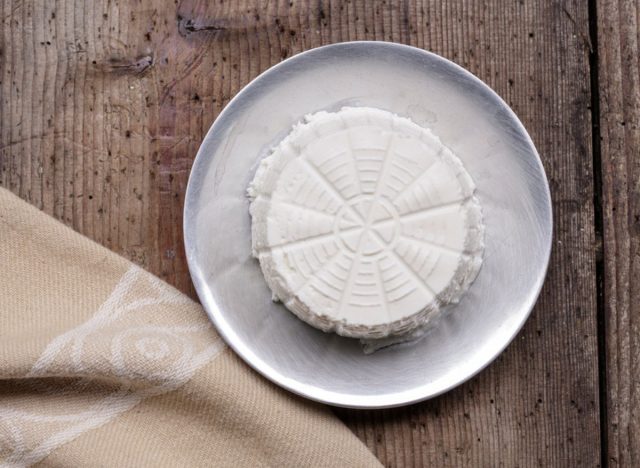
Part-skim ricotta cheese is a creamy, fresh cheese that is remarkably versatile, lending itself to both sweet and savory preparations. Collingwood is a strong advocate for ricotta, noting that it "provides protein and calcium and works well in both sweet and savory dishes, making it easier to stick with a calorie-controlled plan. Try it with berries or herbs and vegetables." Its soft, granular texture adds a unique mouthfeel that can enhance satiety.
A half-cup serving of part-skim ricotta offers approximately 14 grams of protein and around 170 calories, making it a substantial source of muscle-building protein and bone-strengthening calcium. Its adaptability is a major advantage for maintaining dietary adherence. For a sweet application, it can be layered with fresh berries and a sprinkle of nuts for a nutritious dessert or breakfast. In savory dishes, it can be incorporated into lasagna, stuffed shells, or spread on whole-grain toast with herbs, offering a rich yet healthful component to meals.
7. Goat Cheese
Goat cheese, also known as chèvre, is the final recommendation from Collingwood for supporting belly fat loss. Its distinctive tangy and earthy flavor, coupled with its creamy texture, makes it another excellent choice for portion control. "Goat cheese is rich and tangy, which helps with portion control, and some people find it easier to digest than cow’s milk cheeses. A little adds creaminess to salads and bowls," Collingwood states.
Many individuals find goat cheese easier to digest than cheeses made from cow’s milk, often due to its different protein structure and lower lactose content. A 1-ounce serving of soft goat cheese typically provides about 5-6 grams of protein and around 75-80 calories. Its rich, pungent flavor allows for small amounts to deliver significant satisfaction. It can be crumbled over salads, spread thinly on whole-grain crackers, incorporated into omelets, or used to add a creamy, flavorful element to various grain bowls, enhancing the dining experience without excessive caloric contribution.
Integrating Cheese into a Holistic Weight Management Strategy
While these protein-rich cheeses offer distinct advantages for satiety and muscle maintenance, it is crucial to remember that they are components of a larger dietary framework. Successful and sustainable weight loss, particularly the reduction of abdominal fat, requires a holistic approach that extends beyond individual food choices.
An effective strategy for fat loss integrates these cheeses into a diet rich in whole, unprocessed foods, including abundant fruits, vegetables, lean proteins from various sources, and healthy fats. Portion control, even with these recommended cheeses, remains paramount. Overconsumption of any food, regardless of its nutritional benefits, can lead to a caloric surplus and hinder weight loss efforts.
Furthermore, dietary considerations must be coupled with adequate hydration, consistent physical activity, and sufficient sleep. Regular exercise, particularly a combination of cardiovascular training and strength training, directly contributes to calorie expenditure and muscle preservation, synergizing with the dietary benefits of high-protein foods. Sufficient sleep helps regulate appetite-controlling hormones like leptin and ghrelin, while chronic sleep deprivation can sabotage even the most well-intentioned dietary plans.
Expert Consensus and the Evolving Landscape of Nutrition
The advice provided by Tara Collingwood aligns with the evolving consensus in nutritional science, which increasingly moves away from restrictive "good" versus "bad" food categorizations towards promoting balanced, nutrient-dense dietary patterns. Leading health organizations and dietitians now emphasize the importance of protein for weight management, not just for athletes but for the general population. The recognition that dairy products, when chosen wisely, can be valuable contributors to a healthy diet underscores a more flexible and sustainable approach to eating. This guidance empowers individuals to enjoy a wider variety of foods, including cheese, without feeling deprived, fostering a more positive and long-term relationship with food.
In conclusion, for those embarking on a journey to reduce belly fat and improve overall body composition, the strategic inclusion of protein-rich cheeses can be a flavorful and effective tool. By focusing on options like cottage cheese, feta, mozzarella, Parmesan, Swiss, ricotta, and goat cheese, individuals can leverage the power of protein to enhance satiety, preserve muscle mass, and make their weight loss journey more enjoyable and sustainable. As always, these choices should be part of a well-rounded diet and active lifestyle for optimal results.