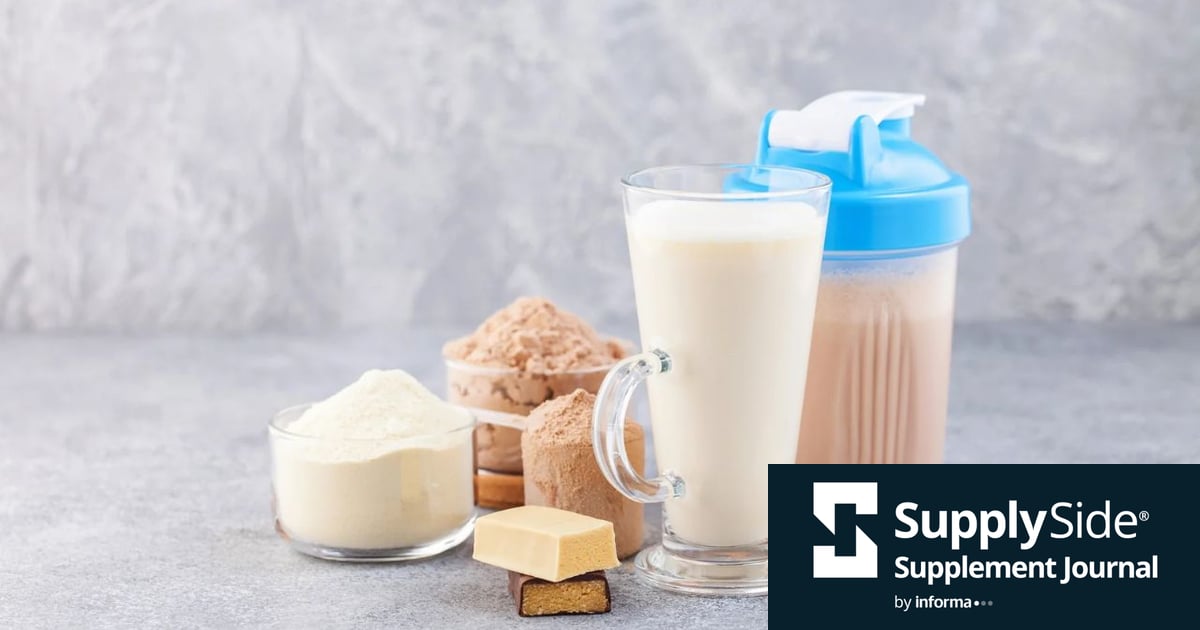
SupplySide Global 2026, a premier gathering for the health and nutrition industry, was dominated by a single, pervasive topic: whey. From bustling client meetings to candid vendor discussions, the escalating price and dwindling availability of whey protein were the inescapable conversation starters. Chris Ritter, senior vice president of CPG at Actus Nutrition, a prominent dairy protein producer, observed, "There wasn’t a client or vendor that I talked to where it didn’t come up." This sentiment underscored the widespread impact of a market dynamic that has seen whey prices surge to historic highs.
The roots of this whey crisis have been extensively documented, tracing back to a confluence of record-breaking consumer demand for protein-fortified products and a significant contraction in cheese production. This intricate supply chain disruption, which SupplySide Supplement Journal detailed in depth during the summer of 2026, has fundamentally reshaped the protein landscape. While whey protein concentrate has shown some signs of price stabilization, whey protein isolate remains stubbornly high, fetching between $13 and $14 per pound. This figure represents a staggering threefold increase compared to just a few years prior, translating to retail prices for some protein powders exceeding $50 per pound.
Ritter, while emphasizing his personal perspective, offered a forward-looking assessment: "I think there’s going to be ongoing volatility. It’s really going to be an interesting six months to a year." This prediction signals a period of continued uncertainty for manufacturers and consumers alike, as the industry grapples with the economic realities of a key ingredient’s scarcity. For now, consumers appear largely willing to absorb these increased costs, driven by a persistent demand for the perceived quality and taste of whey. However, many brands are proactively seeking alternatives to avoid reaching their consumers’ financial breaking point. At SupplySide Global, the critical question was not if brands would reduce their reliance on whey, but with what and how to do so while preserving whey’s core appeal: its exceptional protein quality and desirable flavor profile.

The event showcased several innovative strategies emerging to address this challenge, with some representing significant breakthroughs. Four distinct approaches gained considerable traction and were highlighted as breaking news at the exhibition.
Option 1: Leveraging Yeast to Bridge the Plant-Based Protein Gap
When Revyve, a yeast protein innovator, was established approximately five years prior to SupplySide Global 2026, its initial focus was on replacing egg in baked goods, deliberately setting aside nutritional applications. At that time, with whey priced around 5 euros per kilogram, it seemed unfeasible to compete on cost. However, the market dynamics have dramatically shifted. Today, Revyve’s CEO, Cedric Verstraeten, notes that yeast protein is increasingly attractive to both brands and consumers. This evolution culminated in the announcement, timed with the commencement of SupplySide Global, of Revyve’s new baker’s yeast-derived yeast protein concentrate, boasting approximately 70% protein content.
"Whey is too expensive," Verstraeten stated. "Everyone’s trying to get out. But plant is just not good enough. And just by adding yeast to that plant-based mix, it can close the gap." This sentiment reflects a growing recognition that while plant-based proteins have improved, they often fall short of the complete amino acid profile and functional properties of whey. The introduction of yeast protein is positioned as the crucial element to elevate plant-based formulations to parity.
A compelling example of this integration is Osage Food Products’ SolvPro. This innovative blend combines pea and faba proteins with 50% Revyve yeast protein. The resulting product achieves a Protein Digestibility-Corrected Amino Acid Score (PDCAAS) of 1, equivalent to whey, and garnered significant attention by winning the People’s Choice award in the GLP-1 category at the Ingredient Idol Food and Beverage competition. This success demonstrates the potential for yeast-enhanced plant-based proteins to meet stringent nutritional benchmarks and resonate with specific market segments.
Revyve utilizes baker’s yeast, a process that ensures the resulting protein concentrate is gluten-free. Furthermore, gentle processing preserves dietary fiber, including a substantial 50% beta-glucan content. This beta-glucan not only contributes to potential gut health benefits but also imparts a creamy, dairy-like texture to otherwise earthy plant-based ready-to-mix (RTM) blends, enhancing their palatability.
Consumer acceptance remains a key consideration. Verstraeten shared insights from consumer research conducted in Europe, indicating a lack of resistance to yeast protein appearing on ingredient labels. "There’s nothing strange in there," he reported. However, he acknowledged that taste remains a limiting factor in certain applications. "From a pure taste, whey is still, I think, the standard," he conceded. While Revyve’s yeast protein can be incorporated at up to 30% in a blend with whey concentrate without noticeable flavor changes, higher concentrations, around 60%, begin to introduce discernible "yeasty notes." Revyve’s ingredient is recognized as non-novel in the European Union and has secured an expert panel GRAS (Generally Recognized As Safe) determination in the United States, with ongoing review by the Food and Drug Administration (FDA).
Option 2: Synergistic Blending of Yeast with Whey
NURA’s introduction of its yeast protein, Yestein, in 2024, initially met with questions about its nature. However, according to Caydie Carrizosa, integrated marketing manager, the market response has since transformed: "Now people are asking for it." This growing demand is particularly evident among dairy brands seeking to diversify their protein offerings.
At a NURA breakfast session during SupplySide Global, Nick Bitz, Ph.D., VP of Innovation, echoed the sentiment that whey remains "the gold standard." However, he argued that the industry has placed an undue burden on a single protein source by expecting whey to be the singular solution for a multitude of product requirements. Bitz outlined six key challenges that protein ingredients are often expected to address within a single formulation, noting, "We don’t ever ask of any one ingredient to solve all six of those problems in a formula, but we do with protein for whatever reason."
NURA’s strategy centers on the power of blending. By substituting 30% of a product’s whey content with Yestein, brands can achieve "at least 20% savings… without changing the grams on the label," Bitz explained. This approach offers a tangible cost-reduction benefit while maintaining the perceived protein value for consumers.
Similar to Revyve, NURA’s Yestein is derived from fermented baker’s yeast. However, Yestein undergoes a more intensive refinement process, allowing NURA to achieve protein concentrations of 80% or even 90%. This advanced processing also enables the creation of a "neutral flavor" variant, alongside a more savory option, and facilitates its use in clear protein beverages, a challenging application for many protein sources. NURA’s yeast protein is vegan and allergen-free on its own (though not vegan when blended with whey). The ingredient also boasts an impressive array of certifications, including USDA Organic, Non-GMO Project Verified, and Upcycled Certified, appealing to a growing segment of environmentally conscious consumers.
Option 3: Precision Fermentation for Cow-Free Casein
SupplySide Global 2026 also showcased the burgeoning field of precision fermentation, with two startups presenting casein products produced without the involvement of cows. Standing Ovation Foods, a French company, utilizes acid whey derived from yogurt production as a starter culture to convert into casein. This process was previously highlighted by SupplySide Food and Beverage Journal in its reporting from IFT First earlier in the year. The second company, Germany-based Formo, employs a completely animal-free precision fermentation process to create "enhanced casein." This innovative approach earned Formo the judge’s pick for GLP-1 Category Winner in Ingredient Idol Food and Beverage.
On the show floor, Formo offered samples of its protein cold foam and poured a clear protein beverage containing 6% casein protein, a formulation previously considered unattainable for casein due to its functional properties. Roman Plewka, co-CEO and co-founder of Formo, expressed optimism about the future, anticipating multi-ton production in 2027. Initially, Formo’s casein is expected to be priced at a slight premium to whey, with an initial focus on hybrid products that partially replace whey in existing formulations.

"Casein can be a ‘holy grail’ with protein functionality," Plewka remarked. "Maybe we can substitute some part of whey, because it’s not only cost, right? It’s also functionality." This highlights the dual drivers behind the pursuit of alternatives: economic relief and the desire for enhanced functional attributes that casein can offer.
Formo received an FDA "no questions" letter on its GRAS notice for its precision-fermented casein approximately 12 hours before the official opening of SupplySide Global. This initial clearance is limited to cheese applications, but Formo has ambitious plans to expand into cold foam and other protein-centric product formats. The development marks a significant step forward in the commercialization of animal-free dairy proteins.
Option 4: Expanding Protein Options Within the Dairy Spectrum
For brands seeking a less radical departure from whey, exploring the broader spectrum of milk-derived proteins presents a logical and accessible pathway. Milk protein is composed of approximately 80% casein and 20% whey. Chris Ritter anticipates that milk protein isolate (MPI) will continue to gain market share. He noted that prominent brands like Glanbia’s Optimum Nutrition and NutraBio have introduced "milk-first" MPI formulas in 2026. Other manufacturers are reportedly combining MPI with whey concentrate as a substitute for whey isolate or blending milk proteins with egg proteins to create novel protein profiles.
However, the burgeoning demand for milk protein is not without its own supply chain challenges. The surge in popularity of ready-to-drink (RTD) beverages, such as Fairlife’s Ultra-Filtered Milk, has created a competitive landscape for milk protein sourcing. The ubiquity of these shakes, even among industry insiders on the go, as evidenced by observations at SupplySide sessions, underscores their significant market penetration.
Navigating Consumer Perception in a Shifting Protein Landscape
Regardless of the specific alternative chosen, Ritter offers a crucial piece of advice to formulators: "Know your target consumer." While the protein market is expanding, offering opportunities for various ingredients to find their niche, not all consumers who have historically favored single-ingredient whey products will readily accept the introduction of new proteins. The perception of a brand "cheaping out" by altering its core formulation is a significant hurdle that must be addressed.
"Yes, it can help with costs," Ritter conceded. "But there’s also this whole consumer perception aspect: What’s this new thing on my label? Is this brand ‘cheaping out’?" This highlights the delicate balance between economic necessity and maintaining brand integrity and consumer trust. As the industry navigates this period of unprecedented whey volatility, innovation in protein sourcing and formulation will be key, but understanding and managing consumer perception will be paramount to sustained success. The evolving landscape at SupplySide Global 2026 clearly indicated that while whey’s reign may be challenged by soaring prices, the drive for protein-rich products remains strong, fueling a wave of ingenuity across the industry.