






The Endocrine Society has officially launched its January 2026 programming, marking the beginning of the year with a comprehensive tribute to the global leaders of hormone research and clinical practice. This month’s initiative, headlined by the announcement of the 2026 Laureate Award winners, serves as a cornerstone for the endocrine community, highlighting the intersection of veteran mentorship, cutting-edge thyroid pathology research, and the evolution of digital research connectivity. As the medical community moves further into the decade, these developments underscore a period of rapid transition toward minimally invasive therapies and the democratization of scientific data through global digital portals.
Recognition of Excellence: The 2026 Laureate Awards
The 2026 Laureate Awards represent the pinnacle of achievement within the field of endocrinology, recognizing individuals who have made significant contributions to the understanding of hormonal systems and the treatment of endocrine disorders. This year’s cohort features a diverse group of "legends of endocrinology," ranging from molecular biologists to clinical practitioners. The awards are traditionally seen as a barometer for the most influential trends in the field, emphasizing the Society’s commitment to both basic science and patient-facing clinical excellence.
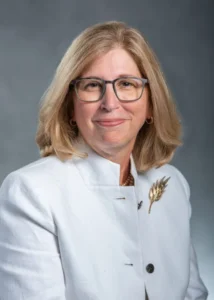
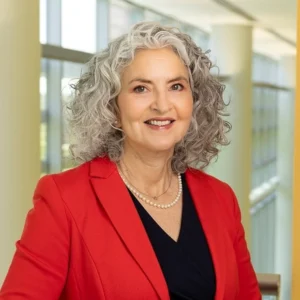
Among the most prominent honorees is Patricia Lee Brubaker, PhD, the recipient of the 2026 Outstanding Mentor Award. Dr. Brubaker’s recognition highlights a growing emphasis within the Society on the sustainability of the profession. In an era where the demand for endocrinologists is outstripping the supply of new specialists, the role of mentorship has become a critical strategic priority. Dr. Brubaker’s approach emphasizes the delegation of responsibility and the cultivation of independence in trainees. By encouraging early-career scientists to manage laboratory operations, mentors allow them to develop the essential administrative and grant-writing skills required for long-term success in academia and clinical research.
Furthermore, the Endocrine Society continues to advocate for the Endocrine Society Annual Meeting, known as ENDO, as the premier venue for professional development. For junior researchers, presenting at ENDO is not merely an academic exercise but a vital networking opportunity that facilitates the building of international collaborations. The 2026 awards ceremony, scheduled to take place during the annual meeting, will serve as a focal point for the global endocrine community to celebrate these lifetime achievements.
Advancements in Thyroid Care: Minimizing Risk and Maximizing Choice
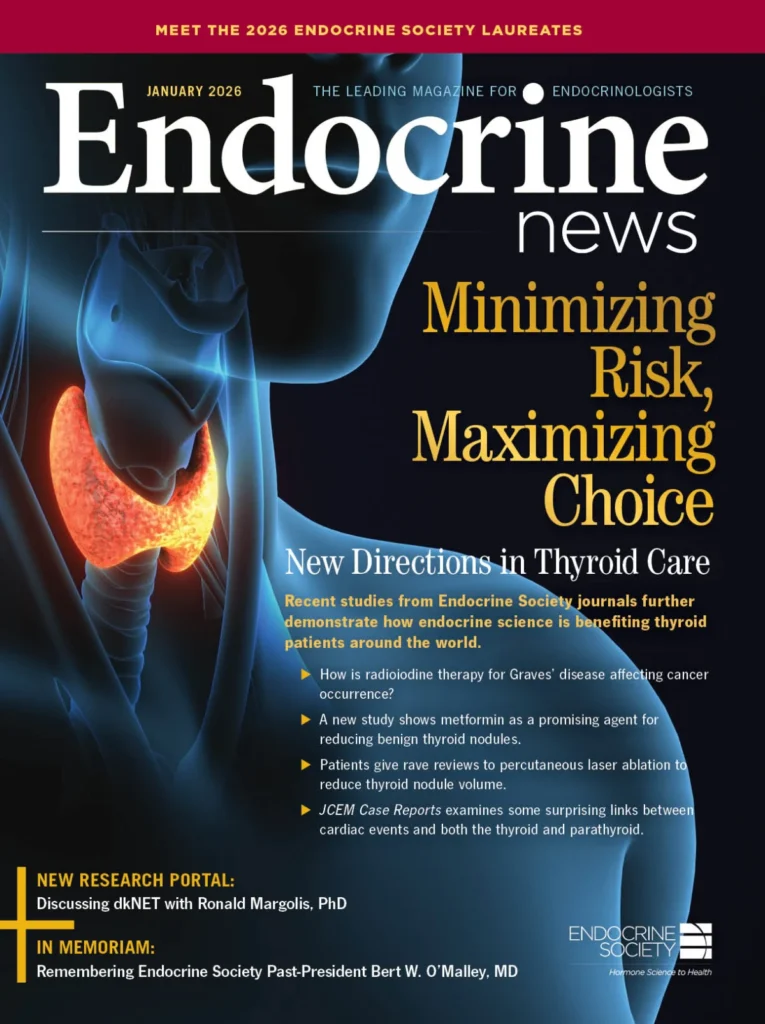
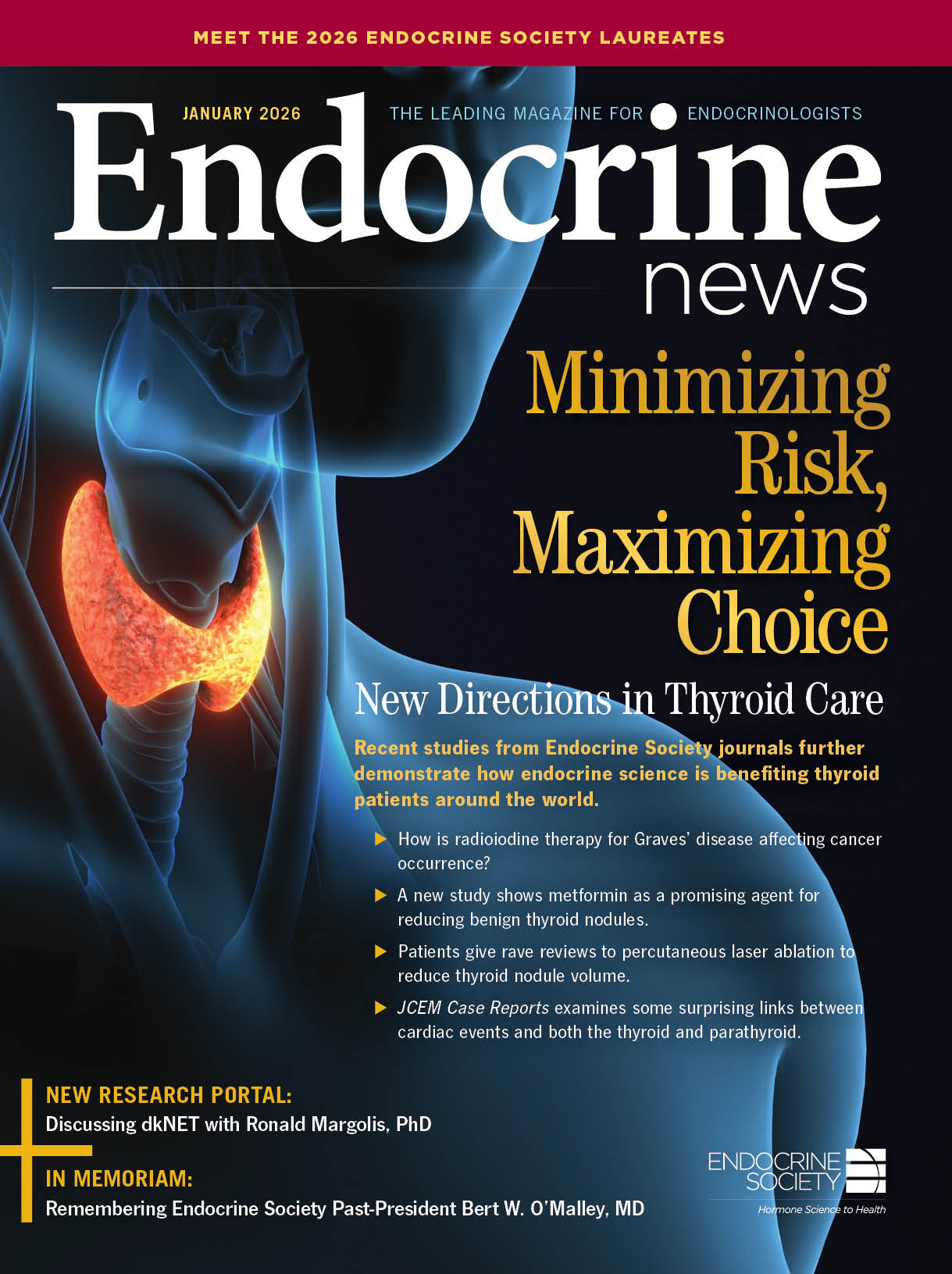
Coinciding with Thyroid Awareness Month in January, new clinical evidence published in The Journal of Clinical Endocrinology & Metabolism (JCEM) is reshaping the therapeutic landscape for thyroid disorders. The current focus of the medical community is moving away from aggressive surgical interventions toward more nuanced, patient-centric options that prioritize long-term quality of life and minimize procedural risks.
One of the primary areas of investigation involves the long-term impacts of radioiodine therapy for Graves’ disease. While radioiodine has been a standard treatment for hyperthyroidism for decades, recent longitudinal studies have sought to clarify its relationship with secondary cancer occurrences. This research is vital for clinicians who must balance the immediate need to control thyroid function with the lifelong monitoring of patient health. By refining the risk-benefit analysis of radioiodine, the endocrine community is providing patients with more accurate data to inform their treatment decisions.
Simultaneously, the management of benign thyroid nodules is undergoing a paradigm shift. Traditionally, large or symptomatic nodules often required partial or total thyroidectomies, which carry risks of nerve damage and necessitate lifelong hormone replacement therapy. New research into pharmacologic treatments for benign nodules offers a potential alternative for patients who wish to avoid surgery. However, the most significant breakthrough highlighted this month is the long-term efficacy of percutaneous laser ablation (PLA).
The Rise of Minimally Invasive Laser Ablation
Percutaneous laser ablation has emerged as a robust, minimally invasive treatment option for thyroid nodules. Dr. Giovanni Gambelunghe, a leading researcher from the Endocrine Unit at Clinica Liotti in Perugia, Italy, has provided data confirming that the procedure is not only safe in the immediate post-operative period but also maintains its effectiveness over several years. Unlike traditional surgery, PLA is performed under local anesthesia, involves the insertion of a fine needle into the nodule, and uses laser energy to shrink the tissue.
The clinical implications of Dr. Gambelunghe’s findings are significant. Data indicates that the vast majority of patients who undergo the procedure report high levels of satisfaction and would choose the same treatment again if necessary. This high rate of patient acceptance is a strong indicator of the technique’s minimal impact on daily life and physical recovery. As a result, professional organizations are increasingly encouraging clinicians to adopt laser ablation as a standard part of their therapeutic armamentarium, particularly for patients who are poor candidates for surgery or those who prioritize cosmetic outcomes and the preservation of healthy thyroid tissue.
Digital Transformation: The Launch of dkNET
In a move to modernize the research process, the National Institute of Diabetes and Digestive and Kidney Diseases (NIDDK), a division of the National Institutes of Health (NIH), has developed a new research portal known as dkNET. This platform is designed to serve as an "information superhighway" for endocrine scientists, bridging the gap between isolated research teams and the vast quantities of data generated across the globe.
Dr. Robert Margolis, an emeritus Endocrine Society member and long-time researcher, has been a vocal proponent of this digital infrastructure. The primary goal of dkNET is to provide a single-entry point for researchers to access data, services, and community-wide knowledge. In the past, scientific investigations were often hindered by "data silos," where valuable information remained trapped within specific institutions or proprietary databases. The dkNET portal utilizes cross-disciplinary access to ensure that a researcher studying diabetes in one part of the world can easily connect with findings related to kidney function or digestive health in another.
This initiative is expected to accelerate the pace of discovery by allowing for the meta-analysis of large datasets and the sharing of specialized tools. By enhancing connectivity, the NIDDK aims to maximize the impact of federal research funding and foster a more collaborative scientific environment.
Timeline of Recent Endocrine Milestones
The current state of endocrinology in 2026 is the result of several years of coordinated efforts by international health bodies. A brief chronology of these developments includes:
- 2023–2024: Increased clinical trials for non-surgical thyroid treatments, driven by patient demand for shorter recovery times.
- 2024: The NIDDK begins the pilot phase of dkNET, testing the interoperability of research databases across different medical specialties.
- 2025: The Endocrine Society updates its clinical practice guidelines to include minimally invasive techniques like laser ablation for specific nodule types.
- January 2026: Official recognition of the 2026 Laureates and the full-scale rollout of the dkNET portal to the global scientific community.
Supporting Data and Statistical Context
The importance of these advancements is reflected in the prevalence of endocrine disorders worldwide. According to the American Thyroid Association, approximately 20 million Americans have some form of thyroid disease, and up to 60% of those with a condition are unaware of it. Furthermore, thyroid nodules are found in up to 50% of the population via ultrasound by age 60. The move toward laser ablation and pharmacologic management directly addresses a public health need affecting millions of individuals.
On the research front, the NIH’s investment in digital portals like dkNET comes at a time when the volume of biological data is doubling every few years. The ability to navigate this data is no longer a luxury but a necessity for meaningful scientific progress. The Endocrine Society’s membership, which includes over 18,000 scientists and clinicians from 120 countries, stands to benefit significantly from these centralized resources.
Broader Impact and Future Implications
The integration of high-level mentorship, advanced clinical procedures, and sophisticated research tools marks a new era for endocrinology. The 2026 Laureate Awards do more than just honor individuals; they set the standard for the next generation of medical professionals. By highlighting the work of Dr. Brubaker and her peers, the Society ensures that the values of academic rigor and professional guidance remain central to the field.
In the clinical realm, the validation of laser ablation signifies a broader trend in medicine toward "interventional endocrinology." This sub-specialty allows endocrinologists to perform procedures that were previously the sole domain of surgeons, providing more continuity of care for the patient. As these techniques become more widely adopted, the cost of treating thyroid nodules is expected to decrease, and patient outcomes are expected to improve due to the reduction in surgical complications.
Finally, the success of dkNET may serve as a blueprint for other medical specialties. As healthcare becomes increasingly data-driven, the ability to access real-time, relevant content across disciplinary boundaries will be the key to solving complex endocrine mysteries, such as the rising rates of metabolic syndrome and the long-term effects of environmental endocrine disruptors. The Endocrine Society’s start to 2026 reflects a profession that is not only looking back at its legends but is also actively building the infrastructure for the future of global health.