








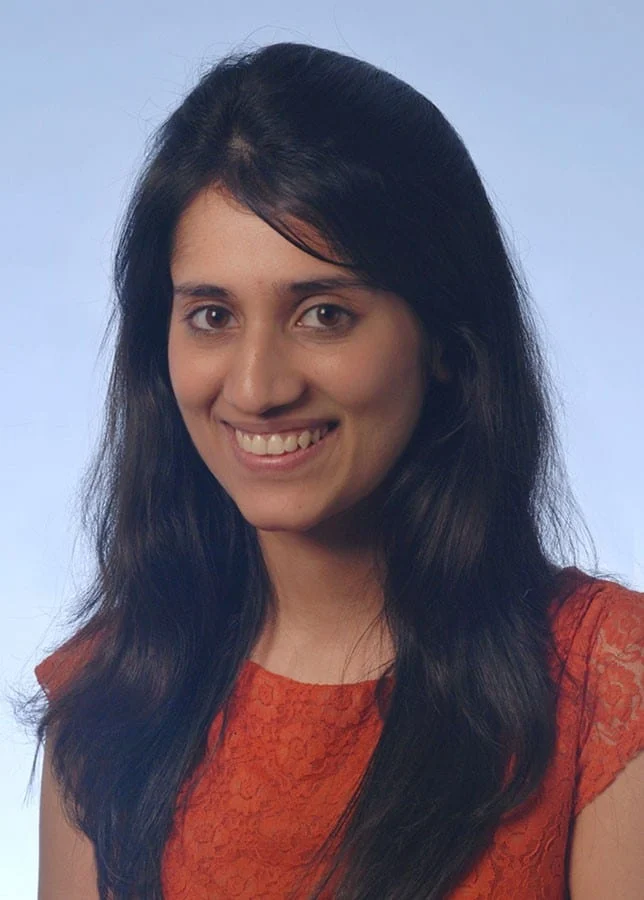
The clinical landscape for obesity management is undergoing a profound transformation, shifting from a traditional focus on caloric restriction and willpower toward a comprehensive, biological understanding of the condition as a chronic disease. Dr. Zeb I. Saeed, MD, a prominent member of the steering committee for the Endocrine Society’s Early Career Special Interest Group (SIG), has recently articulated a framework designed to bridge the gap between physiological training and the human experience of weight management. As an instructor of medicine at Harvard Medical School and an endocrinologist at Brigham and Women’s Hospital, Dr. Saeed’s approach emphasizes three core patient-centric principles: focusing on non-scale victories, removing the burden of blame from the patient, and framing obesity as a lifelong chronic condition rather than a temporary hurdle.
The necessity for this shift is underscored by the rising prevalence of obesity and the psychological toll that weight-based stigma takes on patients. Despite extensive training in the physiology of adipose tissue and pharmacological interventions, many clinicians find themselves underprepared for the nuanced emotional work required to treat patients who have faced decades of societal and self-imposed shame. Dr. Saeed argues that the manner in which obesity care is framed is as critical to long-term success as the medications prescribed, suggesting that communication strategies directly influence patient engagement and therapeutic trust.
The Evolution of Obesity Management: From Willpower to Biology
The historical context of obesity treatment has often been marred by a "lifestyle-first" approach that inadvertently placed the entire burden of success on the individual’s discipline. For decades, the medical community viewed obesity primarily through the lens of the energy balance equation: calories in versus calories out. However, the American Medical Association (AMA) officially recognized obesity as a disease in 2013, a milestone that began to shift the clinical narrative. This recognition was based on the understanding that obesity involves complex hormonal dysregulation, genetic predispositions, and environmental triggers that often override conscious decision-making.

Dr. Saeed notes that many patients enter clinical settings with a history of failed attempts at weight loss, leading to a cycle of guilt. By the time they reach an endocrinologist, they are often searching for a way to "reframe their story." The modern approach, supported by the Endocrine Society, seeks to replace the "willpower" narrative with a biological one. This transition is supported by advancements in neurohormonal research, which show that satiety and energy expenditure are governed by intricate signaling pathways in the hypothalamus, involving hormones such as leptin, ghrelin, and glucagon-like peptide-1 (GLP-1).
Principle 1: Prioritizing Non-Scale Victories (NSVs)
One of the most significant changes Dr. Saeed advocates for is the movement beyond Body Mass Index (BMI) and the number on the scale as the sole metrics of success. While BMI remains a standard clinical tool, it often fails to account for body composition or the qualitative improvements in a patient’s life. Dr. Saeed encourages clinicians to focus on "Non-Scale Victories" (NSVs), which are patient-defined goals that reflect physical and psychological well-being.
In clinical practice, when a patient expresses a desire to reach a specific weight, Dr. Saeed suggests probing deeper into the "why" behind that number. Common motivations include a desire for increased energy, reduced "food noise" (the intrusive and persistent thoughts about food), improved mobility, and the reduction of cardiometabolic risks. By documenting these shared goals in clinical notes and revisiting them during follow-up appointments, the patient-provider relationship becomes collaborative rather than transactional.
Focusing on NSVs also provides a buffer against the inevitable "weight plateaus" that occur during any weight loss journey. Data from various clinical trials indicate that weight loss often slows down as the body reaches a new metabolic set point. If the scale is the only measure of success, patients may become discouraged and discontinue treatment. However, if they are tracking improvements in sleep apnea, blood pressure, or the ability to play with their children, they are more likely to remain committed to their health plan.
Principle 2: Deconstructing the Stigma of Personal Failure
The second principle involves the active removal of blame. Societal messaging has long equated body size with moral character, leading many patients to believe that their weight is a reflection of a lack of discipline. Dr. Saeed highlights that this internalized shame can be a significant barrier to effective care. When patients believe they are "broken" or "lazy," they are less likely to seek medical intervention or follow through with treatment plans.
To counter this, Dr. Saeed emphasizes the importance of educating patients on the biological drivers of obesity. Research into epigenetics and neurohormonal regulation has demonstrated that the body has powerful defense mechanisms against weight loss. For example, when an individual loses weight, the body often responds by increasing ghrelin (the hunger hormone) and decreasing metabolic rate, a phenomenon often referred to as "metabolic adaptation."
Sharing this information with patients often results in visible relief. Dr. Saeed notes that understanding that obesity is a medical condition, not a moral failing, allows patients to partner with their doctors more effectively. This reframing does not remove accountability; rather, it provides a clearer understanding of the tools required to manage the disease. It allows the patient to stop "fighting themselves" and start managing their biology.
Principle 3: Framing Obesity as a Chronic, Relapsing Condition
The final principle addresses the misconception that weight loss is a "quick fix" that can be achieved through short-term medication use. Driven in part by social media portrayals of "miracle drugs," many patients believe they can use anti-obesity medications (AOMs) to "kick-start" their weight loss and then maintain it through willpower alone.
Dr. Saeed argues that clinicians must correct this assumption before any prescription is written. She compares obesity to other chronic conditions like hypertension or hypothyroidism. Just as a physician would not expect a patient to stop taking blood pressure medication once their readings normalize, they should not expect obesity to remain in remission without ongoing treatment.
Evidence from major clinical trials supports this chronic disease model. For instance, the STEP-1 trial extension and the SURMOUNT-4 trial demonstrated that when patients discontinued GLP-1 receptor agonists, they experienced significant weight regain. This is not a failure of the patient, but a biological response to the withdrawal of the treatment that was regulating their appetite and metabolism. By framing obesity as a lifelong journey, clinicians can set realistic expectations and reduce the likelihood of patients feeling like they have failed when the weight returns after stopping treatment.
Supporting Data and Clinical Implications
The importance of these principles is underscored by the current epidemiological data. According to the Centers for Disease Control and Prevention (CDC), the adult obesity prevalence in the United States was 41.9% in 2020. The estimated annual medical cost of obesity was nearly $173 billion in 2019 dollars. These figures highlight the urgent need for effective, long-term management strategies.
The emergence of highly effective medications, such as semaglutide and tirzepatide, has changed the stakes for obesity care. These medications have shown weight loss results (15-20% or more) that were previously only seen with bariatric surgery. However, the high cost and the necessity for long-term use make the "chronic disease" framing essential for both patient adherence and insurance coverage advocacy.
Furthermore, the integration of these principles into medical education is a key focus for Dr. Saeed in her role at Harvard Medical School. By training the next generation of physicians to approach obesity with empathy and biological precision, the medical community can begin to dismantle the systemic biases that have historically hindered obesity care.
Analysis of Broader Impact
The adoption of patient-centric principles has implications that extend beyond the individual clinic. On a societal level, shifting the narrative away from blame can reduce weight bias in employment, education, and healthcare. On a clinical level, it can lead to better outcomes for comorbidities. Since obesity is a primary driver of type 2 diabetes, hypertension, and non-alcoholic fatty liver disease (NAFLD), effective obesity management serves as a form of preventive medicine for a wide array of chronic illnesses.
Dr. Saeed’s role in the Endocrine Society’s Early Career SIG is particularly relevant as the field navigates these changes. Early-career endocrinologists are entering a landscape where they have more tools than ever before, but they also face a more complex patient population. By prioritizing the human experience and the biological reality of obesity, they can provide care that is not only scientifically sound but also deeply compassionate.
In conclusion, the three principles outlined by Dr. Saeed—focusing on non-scale victories, removing blame, and treating obesity as a chronic condition—represent a maturation of the field of obesity medicine. This approach acknowledges the complexity of human biology while honoring the dignity of the patient. As the medical community continues to evolve its understanding of metabolic health, these principles will likely serve as the foundation for a more effective and humane era of obesity management.