









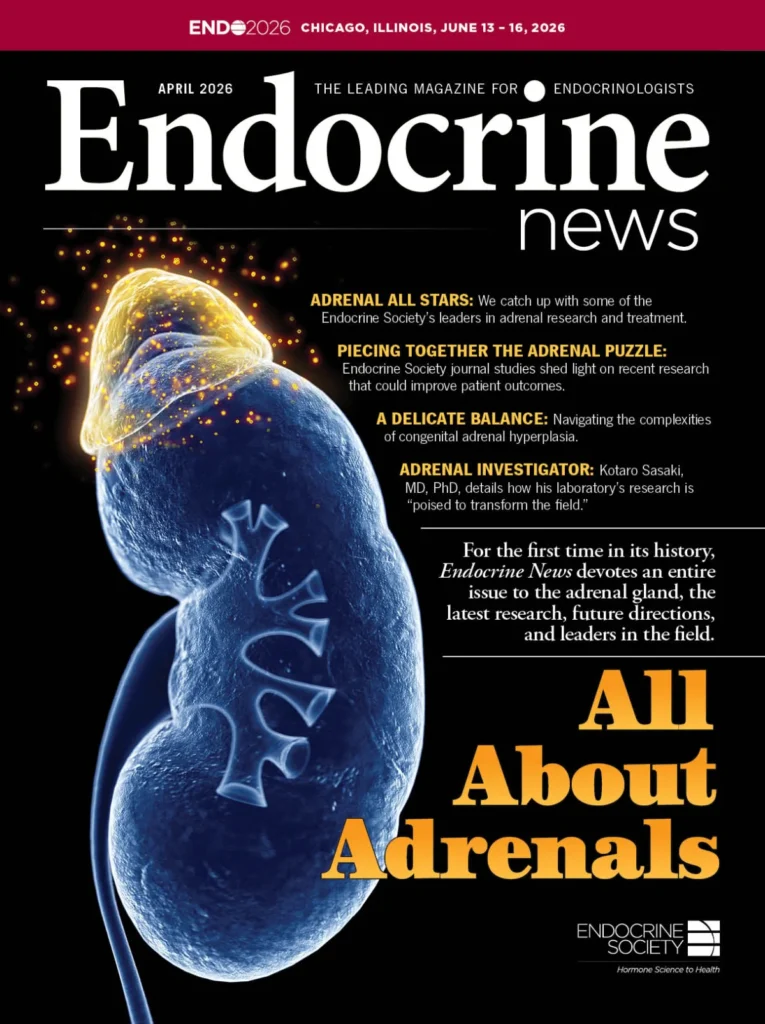
The adrenal glands, though small in size, exert a profound influence over human physiology by regulating critical functions such as blood pressure, inflammation, the metabolic response to stress, and electrolyte balance. When these glands malfunction, the clinical consequences are often severe and life-altering. In observance of Adrenal Disease Awareness Month this April, the medical community is focusing on significant advancements in the diagnosis and management of adrenal pathologies. Recent research published across Endocrine Society journals highlights a shift toward precision medicine, utilizing machine learning, standardized testing protocols, and detailed case analysis to improve patient outcomes.
According to data from the Endocrine Society’s Endocrine Facts and Figures, primary adrenal insufficiency remains a significant clinical challenge, with an estimated prevalence of 40 to 100 cases per million in the United States. Cushing syndrome, characterized by prolonged exposure to inappropriately high levels of cortisol, affects approximately eight people per million among those under the age of 65. Even rarer conditions, such as Cushing disease and multiple endocrine neoplasia type 1 (MEN1), present incidence rates of roughly 2.3 to 2.7 cases per million per year and 3 to 10 people per 100,000, respectively. While these numbers may appear modest in a public health context, the diagnostic journey for individual patients is often characterized by ambiguity and prolonged periods of clinical uncertainty.
Navigating the Gray Zone in Central Adrenal Insufficiency
One of the most persistent challenges in clinical endocrinology is the interpretation of morning cortisol levels that fall into the "gray zone"—results that are neither low enough to confirm central adrenal insufficiency (CAI) nor high enough to rule it out. Traditionally, this zone has been defined between 3 and 15 µg/dL, but real-world laboratory variances often complicate this window. A team led by Mussa H. Almalki, MBBS, MHSc, of Alfaisal University, recently sought to address this diagnostic hurdle by developing a more sophisticated risk-stratification tool.

The study, published in the Journal of the Endocrine Society, involved a retrospective analysis of 341 adults with suspected CAI at a tertiary referral center in Riyadh, Saudi Arabia. The researchers expanded the indeterminate cortisol range to 4 to 18 µg/dL to better reflect diverse clinical settings. Their goal was to move beyond the isolation of a single lab value and instead integrate multiple clinical indicators to predict CAI risk.
The resulting "CAI score" utilizes a machine learning model that incorporates morning cortisol levels, the number of existing pituitary hormone deficits, tumor size, patient sex, and treatment history. The findings revealed that the health of the pituitary gland as a whole serves as a primary indicator of corticotroph function. Specifically, patients presenting with three or more additional pituitary hormone deficiencies exhibited an odds ratio of greater than 35 for a CAI diagnosis. Interestingly, the study found that while tumor size was a factor, it was less predictive than the presence of multiple hormone deficits, suggesting that functional impairment of surrounding tissue is more critical than the physical dimensions of a lesion.
This AI-assisted tool, now available as a web-based application, offers clinicians a data-driven method to determine which patients require a dynamic short Synacthen test (SST). By reducing the reliance on invasive and time-consuming dynamic testing for low-risk patients, the CAI score represents a significant step toward more efficient and patient-friendly diagnostic workflows.
Post-Adrenalectomy Management and Cortisol Recovery
The management of patients following a unilateral adrenalectomy for mild autonomous cortisol secretion (MACS) is another area receiving renewed scrutiny. MACS is frequently identified incidentally during imaging for unrelated issues, and its chronic presence can suppress the hypothalamic-pituitary-adrenal (HPA) axis. When the overactive adrenal gland is removed, the remaining gland may not immediately resume normal function, leading to postoperative adrenal insufficiency.
A multicenter retrospective study led by Oksana Hamidi, DO, MSCS, of the University of Texas Southwestern Medical Center, and Irina Bancos, MD, MSc, of the Mayo Clinic, investigated the prevalence and duration of this postoperative state. Published in The Journal of Clinical Endocrinology & Metabolism, the study examined 281 patients across five U.S. institutions. The research found that slightly more than 50% of patients developed postoperative adrenal insufficiency.
The data highlighted two primary risk factors for prolonged recovery: younger age (under 60 years) and a higher preoperative biochemical severity score (BSS). Younger patients were found to be at a higher risk, potentially due to more biochemically active or longer-duration disease states that lead to deeper HPA suppression. Furthermore, the study identified a 22% discordance rate between basal cortisol testing and the cosyntropin stimulation test (CST). This finding suggests that relying on a single testing modality may lead to the misclassification of nearly one-quarter of patients, particularly those with bilateral adrenal nodules.
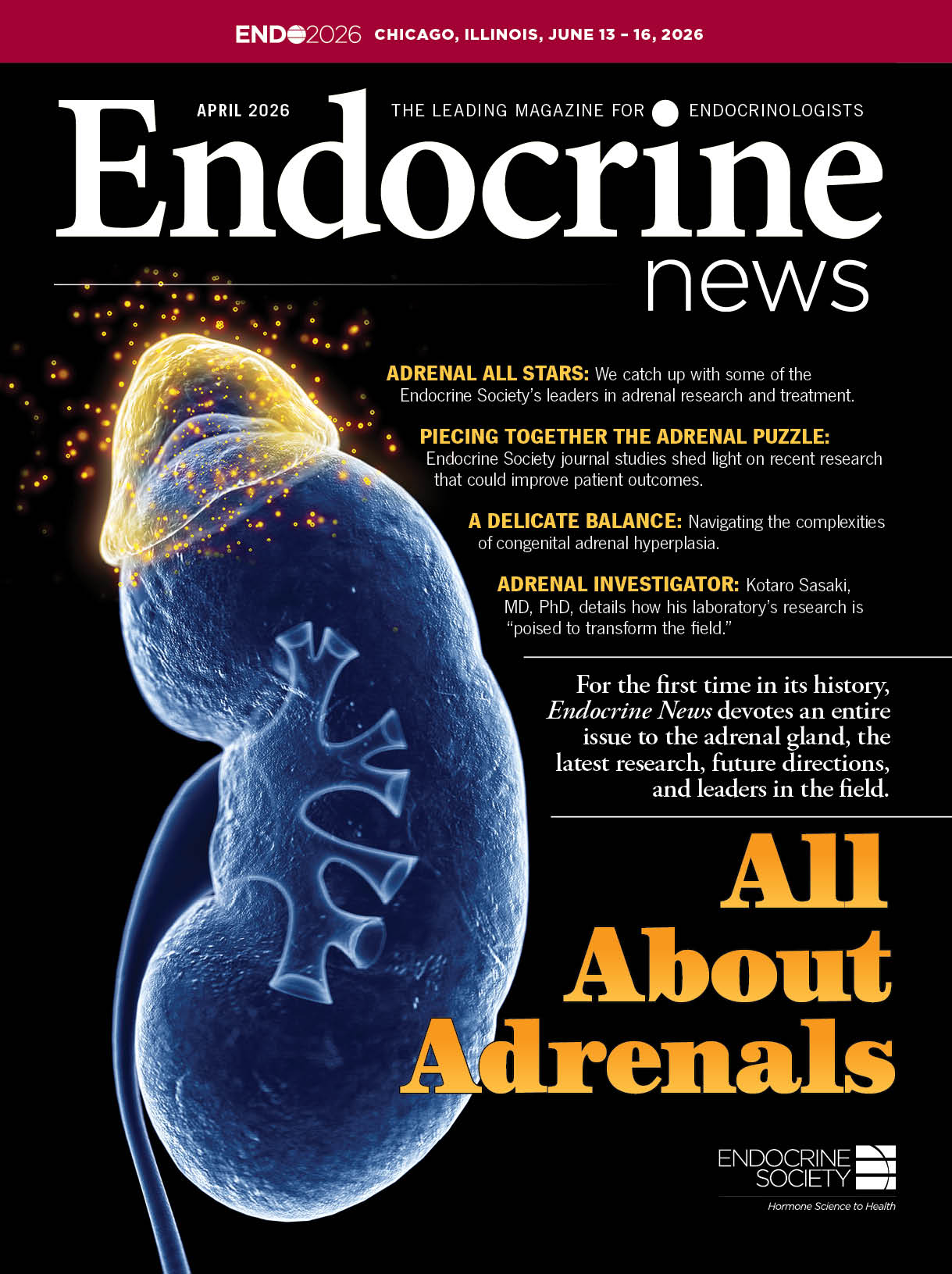
Dr. Bancos emphasizes that structured reassessment should ideally begin four to six weeks postoperatively. This timeline allows for the identification of patients who recover quickly, thereby preventing unnecessary and potentially harmful prolonged exposure to exogenous glucocorticoids. Side effects of unnecessary steroid therapy can include osteoporosis, hyperglycemia, hypertension, and mental health disturbances. By using BSS and age as predictors, clinicians can now provide patients with individualized recovery trajectories, improving shared decision-making and patient preparedness.
Rare Pathologies and Diagnostic Confounders
While large-scale studies provide the framework for standard care, rare case reports continue to serve as essential reminders of the adrenal gland’s ability to present with deceptive symptoms. Two recent reports in JCEM Case Reports underscore the necessity of maintaining a broad differential diagnosis.
In New York, a team at the Icahn School of Medicine at Mount Sinai, led by Daniel Alban, MD, documented a rare case of an adrenocorticotropin-secreting pure adrenal ganglioneuroma (AGN). Ganglioneuromas are typically benign and hormonally inactive tumors. However, in this instance, a 23-year-old male presented with hypertension, anxiety, and sweating—symptoms typically associated with pheochromocytoma. Laboratory tests confirmed ACTH-dependent hypercortisolism, but imaging of the pituitary was clear.
The definitive diagnosis of a pure AGN was only made after a right adrenalectomy and subsequent histopathologic examination with positive ACTH immunostaining. This case, only the second of its kind ever documented, suggests that the tumor’s location within the adrenal medulla may allow for local microenvironmental influences, such as exposure to corticotropin-releasing hormone, to stimulate ACTH production. For clinicians, this highlights that even benign-appearing adrenal masses can be the source of ectopic ACTH secretion.
In another sobering case from China, researchers at the Third People’s Hospital of Chengdu reported on a 49-year-old woman with a complex presentation of multiple endocrine neoplasia type 1 (MEN1). The patient exhibited a massive 10-cm adrenal mass, which was eventually identified as a rare and aggressive mucinous adrenocortical carcinoma (ACC). This was coupled with an insulinoma and primary hyperparathyroidism. Although the patient tragically succumbed to postoperative sepsis—a risk exacerbated by her concurrent Cushing syndrome—the case led to the life-saving genetic screening of her 11-year-old son. The discovery of the MEN1 mutation in the next generation allows for early surveillance and intervention, which is critical in managing hereditary tumor syndromes.
Implications for Future Clinical Practice
The integration of these findings suggests a clear trend toward more nuanced and technologically integrated endocrinology. The success of the CAI score demonstrates that artificial intelligence and machine learning are not merely buzzwords but are becoming "powerful allies" in clinical settings. These tools can process complex feedback loops and recognize subtle patterns in multi-modal data—including imaging, lab results, and clinical history—that might elude human observation.
Furthermore, the research into MACS and post-adrenalectomy recovery highlights the importance of moving away from "empiric" treatments. In the past, many surgeons and endocrinologists might have prescribed steroids post-surgery as a universal precaution. The contemporary data from Hamidi and Bancos provide a mandate for objective biochemical assessment, ensuring that steroid replacement is reserved only for those with documented insufficiency.
As Adrenal Disease Awareness Month continues, these studies reinforce several key takeaways for the medical community:
- Contextual Diagnosis: A single cortisol value in the gray zone must be interpreted within the context of the whole pituitary-adrenal axis and associated imaging.
- Standardized Post-Op Protocols: Post-adrenalectomy care requires both basal cortisol and dynamic testing to avoid misclassification, with age and biochemical severity serving as primary predictors of recovery.
- Vigilance for Rarity: Clinicians must remain open to rare presentations, such as AGN or aggressive ACC within the context of MEN1, as these can mimic more common conditions like pheochromocytoma or isolated Cushing syndrome.
- The Value of Genetic Screening: In cases of syndromic adrenal disease, the diagnosis of one patient is often the first step in protecting an entire family through proactive genetic testing.
The evolving landscape of adrenal research continues to provide clinicians with the tools necessary to solve the diagnostic puzzles presented by these complex glands. By embracing new predictive models and refining postoperative management, the field is moving closer to a future where patient outcomes are consistently optimized through evidence-based, individualized care.