






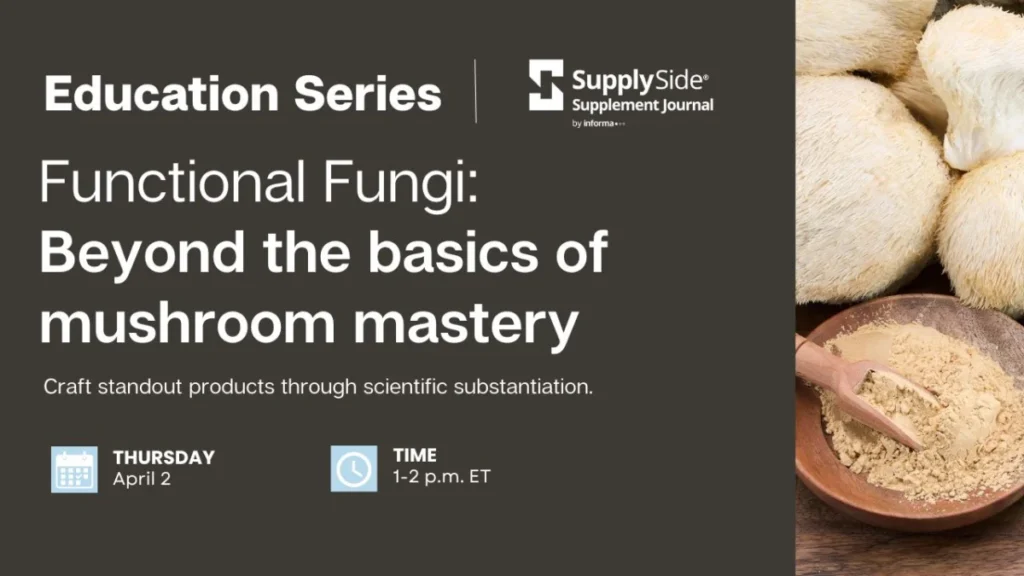
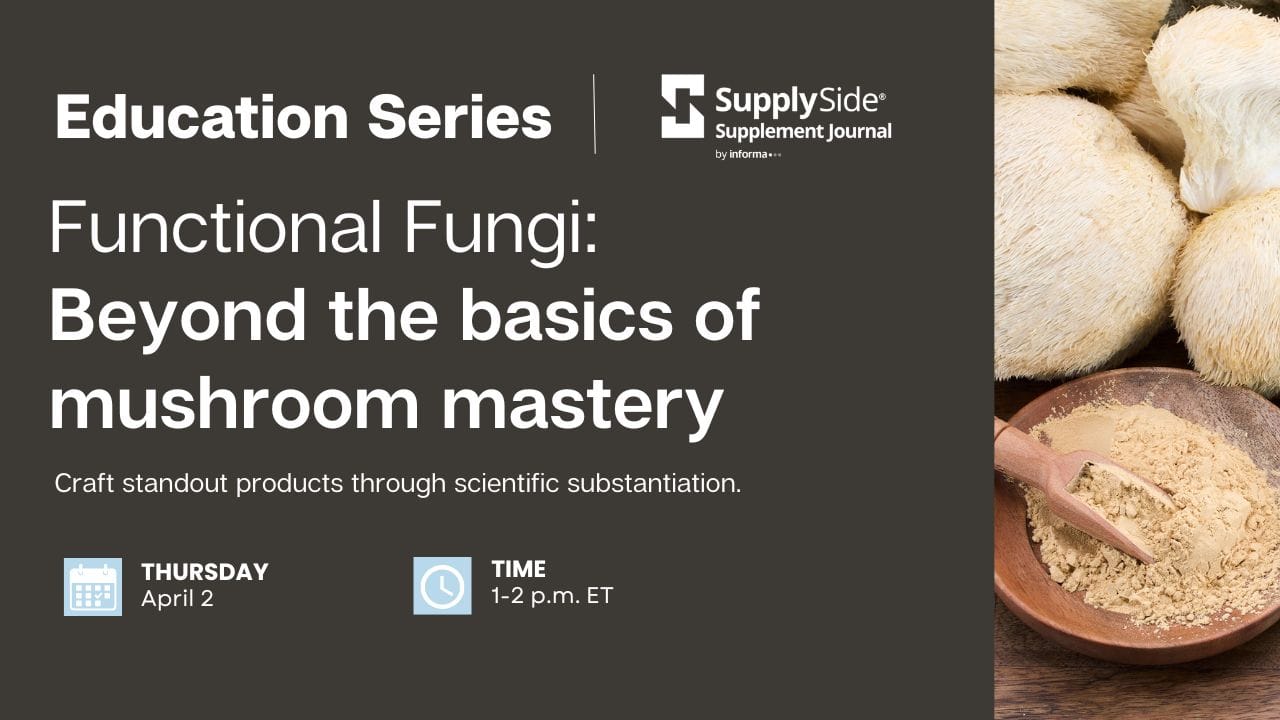
The burgeoning supplement industry is abuzz with a critical debate surrounding the optimal form of mushroom-derived ingredients: mycelium or fruiting bodies. To shed light on this complex and evolving landscape, a significant webinar has been announced, bringing together leading experts from both sides of the fungal faction. This pivotal event promises to dissect the latest scientific findings, explore market dynamics, and offer a glimpse into the future of mushroom-based supplements, a category experiencing unprecedented growth.
A Divided Fungal Frontier: Understanding the Core of the Debate
At the heart of this discussion lies a fundamental difference in how mushrooms are cultivated and harvested for their beneficial compounds. Fruiting bodies, the visible, above-ground parts of the mushroom we commonly recognize, have historically been the primary source for medicinal mushroom extracts. These are often dried and ground or extracted using various methods to concentrate their rich array of beta-glucans, triterpenes, and other bioactive molecules.

Conversely, mycelium, the intricate, root-like network of fungal threads that grows beneath the surface, is increasingly being recognized for its potent bioactivity. Mycelial cultivation often involves growing the fungus on a substrate, such as grains or wood. While traditionally viewed as a growing medium, research is increasingly highlighting the unique and often complementary nutrient profiles of mycelium. This has led to a growing divergence in the market, with some manufacturers championing mycelium-based products and others maintaining a focus on the traditional fruiting body.
The webinar aims to bridge this divide by presenting a balanced perspective. Attendees can anticipate a deep dive into the scientific evidence supporting the efficacy and bioavailability of compounds derived from both mycelium and fruiting bodies. This will include presentations on recent clinical studies, in-vitro research, and analyses of specific phytochemical profiles. The goal is to move beyond anecdotal claims and provide a data-driven understanding of what each part of the mushroom offers.
Key Learning Objectives for Industry Professionals
The organizers have outlined specific learning objectives designed to equip participants with actionable knowledge. These include:
- Understanding the Scientific Basis: Gaining a comprehensive overview of the latest scientific research pertaining to the bioactive compounds found in both mushroom mycelium and fruiting bodies. This will involve examining the distinct chemical compositions and potential synergistic effects of each.
- Evaluating Extraction Methodologies: Learning about the various extraction techniques employed for both mycelium and fruiting bodies and how these methods influence the final product’s potency and bioavailability. This includes understanding the differences between hot water extraction, alcohol extraction, and dual-extraction processes.
- Navigating Market Trends and Consumer Perceptions: Comprehending the current market landscape for mushroom supplements, including consumer preferences, regulatory considerations, and the evolving perception of mycelium versus fruiting body ingredients.
- Identifying Future Opportunities: Exploring emerging applications and potential growth areas for mushroom-based ingredients, informed by expert insights into product development and innovation.
A Timeline of Growing Interest and Scientific Scrutiny
The fascination with medicinal mushrooms is far from new. Ancient cultures across Asia, Europe, and the Americas have utilized fungi for their perceived health benefits for millennia. However, the modern scientific exploration and commercialization of mushroom supplements have largely gained momentum over the past few decades.
- Late 20th Century: Increased scientific interest in the immunomodulatory properties of beta-glucans, predominantly found in the cell walls of fungi. Early research often focused on the fruiting bodies of well-known species like Reishi (Ganoderma lucidum) and Shiitake (Lentinula edodes).
- Early 2000s: Growing recognition of the potential benefits of mycelial extracts, particularly as cultivation techniques advanced, allowing for more consistent and high-yield production. Companies began experimenting with extracting compounds from the mycelial biomass grown on various substrates.
- Mid-2010s: A surge in popularity for adaptogenic and nootropic supplements, with mushroom extracts becoming key ingredients. This period saw a diversification of available mushroom species and a more pronounced debate regarding the superiority of mycelium versus fruiting bodies, fueled by differing product formulations and marketing strategies.
- Late 2010s – Present: Continued scientific investigation into specific compounds and mechanisms of action. Increased focus on standardization of extracts and rigorous quality control. The market for mushroom supplements has expanded significantly, driven by consumer interest in natural health solutions and the growing body of research. The upcoming webinar represents a critical juncture in this ongoing evolution, seeking to synthesize current knowledge and chart a path forward.
Supporting Data: A Market Poised for Expansion
The global mushroom market, encompassing both culinary and medicinal uses, is substantial and projected for continued growth. While specific data for the mushroom supplement segment can vary, industry reports consistently point to a robust upward trend.
For instance, Grand View Research reported that the global mushroom market size was valued at USD 52.5 billion in 2022 and is expected to grow at a compound annual growth rate (CAGR) of 4.8% from 2023 to 2030. Within this, the nutraceutical and dietary supplement segment is a significant driver. Market research firms specializing in the supplement industry have indicated that the mushroom supplement market alone is projected to reach tens of billions of dollars globally within the next five to ten years, driven by increasing consumer awareness of their health benefits, including immune support, cognitive enhancement, and stress reduction.
This growth is supported by a steady stream of research. A search of scientific databases reveals thousands of studies on various mushroom species and their bioactive compounds, with a notable increase in research focusing on specific applications like immune function, cognitive health, and gut microbiome modulation.
Expert Voices: Bridging the Divide
The webinar’s structure, featuring experts from both sides of the mycelium and fruiting body debate, is designed to foster a comprehensive understanding. While specific names are not yet released, it is anticipated that the panel will include:
- Mycelium Advocates: Researchers and product developers who have championed the benefits of mycelial extracts, likely presenting data on unique polysaccharides, enzymes, and other metabolites produced during the mycelial growth phase. They may highlight the sustainability and scalability of mycelial cultivation.
- Fruiting Body Purists: Scientists and manufacturers with a long-standing commitment to fruiting body extracts, emphasizing their rich history of traditional use and the well-documented presence of specific therapeutic compounds. They will likely present evidence of their efficacy in various health applications.
- Independent Researchers: Academics and scientists not directly affiliated with specific product lines, offering objective analyses of the available scientific literature and methodologies for evaluating mushroom ingredients.
- Product Developers: Individuals with practical experience in bringing mushroom supplements to market, providing insights into consumer demand, formulation challenges, and the future trajectory of the industry. Their perspective will be crucial in understanding how the scientific debate translates into tangible products.
Implications for the Supplement Industry and Consumers
The outcome of this ongoing debate and the insights gained from this webinar have significant implications for the entire supplement ecosystem:
- Product Standardization and Quality Control: A clearer understanding of the differences between mycelium and fruiting body extracts will likely lead to more standardized testing protocols and quality control measures. This will benefit consumers by ensuring they receive products that meet specified potency and purity standards, regardless of the source.
- Consumer Education and Trust: As the market grows, so does the potential for consumer confusion. A balanced and evidence-based discussion like the one planned for this webinar can help demystify mushroom supplements, build consumer trust, and empower informed purchasing decisions.
- Innovation and Research Direction: The insights shared will undoubtedly spur further research into the unique benefits of both mycelium and fruiting bodies, as well as potential synergistic combinations. This could lead to the development of novel formulations and targeted health solutions.
- Regulatory Landscape: As the market matures, regulatory bodies may pay closer attention to the claims made about mushroom supplements. A scientifically grounded understanding of the ingredients will be crucial for navigating these evolving regulatory frameworks.
The Underwriting Sponsor: A Commitment to Industry Advancement
The webinar is underwritten by an undisclosed sponsor, a common practice in industry events designed to foster knowledge sharing and professional development. This sponsorship signifies a commitment to advancing the understanding and responsible application of mushroom-based ingredients within the supplement sector. Such support often enables these crucial educational initiatives to reach a wider audience, contributing to the overall growth and integrity of the industry.
This comprehensive discussion promises to be a landmark event, offering a much-needed platform for scientific discourse and market foresight. As the world increasingly turns to natural solutions for health and wellness, understanding the nuances of ingredients like mushrooms becomes paramount. The webinar is poised to provide clarity and direction for manufacturers, researchers, and consumers alike in navigating the exciting and rapidly evolving world of fungal supplements.
Join the Conversation: Registration and Further Information
Industry professionals are encouraged to register for this important event to gain direct access to expert insights and participate in shaping the future of mushroom-based supplements. Details on how to register will be made available through official industry channels. The commitment to subscribing for the latest consumer trends, trade news, nutrition science, and regulatory updates in the supplement industry, as highlighted by the newsletter signup, further underscores the continuous need for informed engagement in this dynamic sector. With over 37,000 members already subscribed, this initiative demonstrates a strong foundation for knowledge dissemination.