








Snacking has long carried a dubious reputation in the realm of weight management, often perceived as an unnecessary addition to daily caloric intake that can derail progress. However, a growing body of nutritional science, coupled with insights from leading dietitians, is reshaping this perception, particularly for individuals navigating the unique physiological changes that accompany aging. For those over the age of sixty, strategic snacking transforms from a potential pitfall into a powerful tool for bolstering protein intake, quelling persistent cravings, and supporting critical bodily functions like muscle preservation and metabolic health. As the body matures, nutrient requirements shift, and the judicious selection of fuel sources becomes paramount for maintaining vitality, combating age-related muscle loss (sarcopenia), and optimizing metabolism. To demystify the art of effective snacking for this demographic, we consulted Tara Collingwood, MS, RDN, CSSD, LD/N, ACSM-CPT, a Board Certified Sports Dietitian and co-author of the Flat Belly Cookbook for Dummies. Collingwood emphasizes that thoughtfully chosen snacks can play an instrumental role in sustaining energy levels, promoting satiety, and even contributing to fat loss without necessarily requiring rigorous exercise. Her recommendations offer a balanced array of options, catering to both sweet and savory preferences, all designed to keep individuals over sixty well-fueled between meals and support their health goals.
Rethinking Snacking: A Strategic Approach for Seniors
The conventional wisdom that demonizes snacking often overlooks its potential as a strategic dietary intervention. For individuals over sixty, the body undergoes significant metabolic and structural shifts. Lean muscle mass naturally declines with age, a process known as sarcopenia, which can lead to decreased strength, reduced mobility, and a slower metabolic rate. A diminished metabolism means the body burns fewer calories at rest, making weight management more challenging. Furthermore, older adults may experience changes in appetite regulation, nutrient absorption, and digestive function. In this context, well-planned snacks become crucial. Instead of merely tiding one over until the next meal, they serve as mini-meals, delivering essential nutrients—especially protein and fiber—that might otherwise be difficult to consume in sufficient quantities through main meals alone.
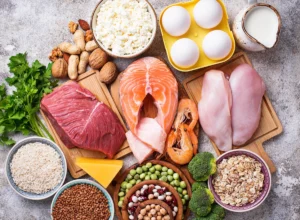
The American Academy of Nutrition and Dietetics highlights that adequate protein intake is vital for older adults to counteract muscle loss, support immune function, and aid in recovery. Similarly, fiber plays a critical role in digestive health, blood sugar regulation, and promoting a feeling of fullness, which can prevent overeating at subsequent meals or succumbing to unhealthy cravings. Therefore, the strategic incorporation of nutrient-dense snacks throughout the day can address several age-related nutritional challenges simultaneously. It helps maintain stable blood sugar levels, preventing energy crashes and the urge for sugary, calorie-dense foods. It also ensures a consistent supply of amino acids for muscle repair and synthesis, supporting physical strength and functional independence. Moreover, for those managing chronic conditions like diabetes or heart disease, consistent, balanced nutrient intake from snacks can be a cornerstone of their dietary strategy.
Dietitian’s Perspective: Tailoring Nutrition for Longevity
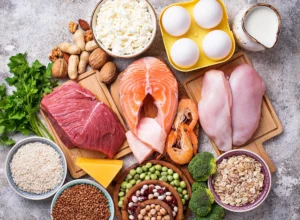
Tara Collingwood, with her extensive background as a Board Certified Sports Dietitian, brings a unique perspective to the nutritional needs of older adults. Her expertise in sports nutrition, typically associated with peak physical performance, translates directly to the importance of foundational nutrition for longevity and active aging. Collingwood consistently advocates for a proactive approach to diet, stressing that food choices are powerful determinants of health outcomes. "Snacks should be viewed not as indulgences, but as opportunities to infuse the body with vital nutrients," Collingwood states. "For individuals over sixty, focusing on protein and fiber in every eating occasion, including snacks, is non-negotiable for preserving muscle, maintaining a healthy weight, and supporting overall metabolic function."

Her recommendations are grounded in the principles of nutrient density and sustained satiety. She emphasizes that while calorie count is a factor, the quality of those calories—specifically their protein and fiber content—is far more critical for this age group. Ultra-processed snacks, typically high in refined carbohydrates, unhealthy fats, and added sugars, offer transient energy and minimal nutritional benefit, often leading to rapid blood sugar spikes followed by crashes and increased hunger. In contrast, the snacks she proposes are designed to provide sustained energy, stabilize blood sugar, and deliver a spectrum of micronutrients essential for healthy aging. Collingwood’s approach underscores the importance of mindful eating and making informed choices that align with the body’s evolving needs, empowering seniors to take an active role in their nutritional well-being.
Greek Yogurt with Berries: A Powerhouse for Muscle and Digestion
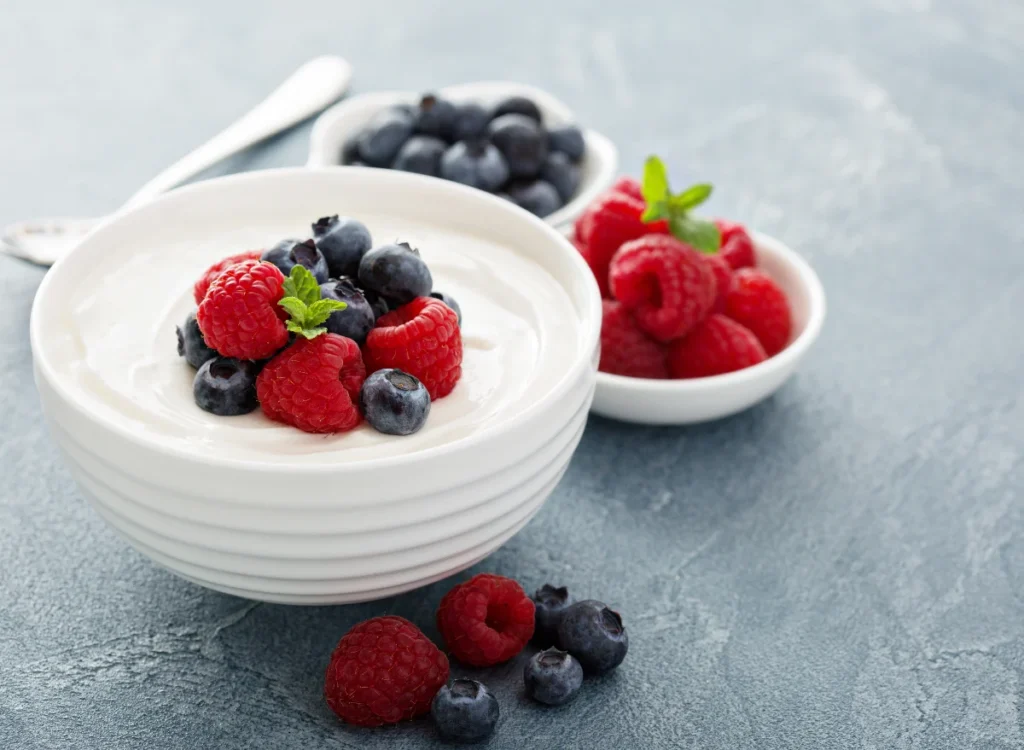
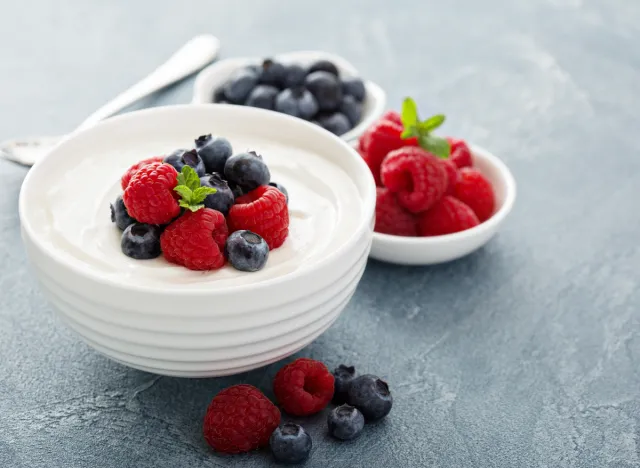
The first recommendation from Collingwood is Greek Yogurt with Berries, a combination lauded for its exceptional nutritional profile and multifaceted benefits for older adults. "Protein becomes especially important as we age to help preserve muscle, and Greek yogurt delivers a solid protein boost in a small, easy-to-eat snack. Adding berries adds fiber, which helps keep hunger at bay longer. This combo supports muscle health, digestion, and steady energy," she explains.
Greek yogurt stands out due to its significantly higher protein content compared to regular yogurt. A typical serving can provide 15-20 grams of high-quality protein, including both casein and whey. Casein is a slow-digesting protein that provides a sustained release of amino acids, crucial for continuous muscle repair and synthesis, helping to combat sarcopenia. Whey protein, on the other hand, is quickly absorbed, kickstarting muscle recovery. Beyond protein, Greek yogurt is often rich in beneficial probiotics, live microorganisms that support a healthy gut microbiome. A balanced gut is linked to improved digestion, enhanced nutrient absorption, and even a strengthened immune system, all vital aspects of health in later life. Furthermore, many Greek yogurts are fortified with calcium and vitamin D, both essential for maintaining strong bones and reducing the risk of osteoporosis, a common concern for seniors.
Pairing this protein-rich base with berries amplifies its nutritional value. Berries—such as blueberries, raspberries, and strawberries—are packed with dietary fiber, antioxidants, and vitamins, yet are relatively low in calories. The fiber, both soluble and insoluble, aids in digestion, promotes regularity, and contributes to sustained satiety by slowing down the absorption of sugars, thus helping to stabilize blood glucose levels. This steady energy release is paramount for preventing the energy slumps that can lead to unhealthy snacking choices. Moreover, berries are renowned for their high concentration of antioxidants, particularly flavonoids and anthocyanins, which combat oxidative stress and inflammation—processes linked to various age-related chronic diseases, including cardiovascular disease and cognitive decline. Studies have indicated that regular consumption of berries can contribute to improved cardiovascular health and may even support cognitive function. The natural sweetness of berries also satisfies sugar cravings without the need for added sugars, making this a truly ideal, nutrient-dense snack for the over-sixty demographic.
Savory Satisfaction: Harvest Snaps Paired for Protein and Fiber
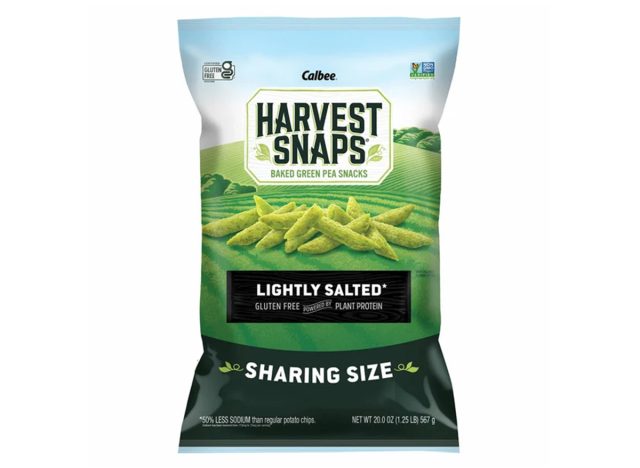
For those who prefer a savory crunch, Collingwood suggests Harvest Snaps with Hummus or Cottage Cheese, offering a satisfying alternative to traditional, often less nutritious, salty snacks. "Harvest Snaps Lightly Salted are made from real veggies, so they naturally provide 4g of fiber and 5g of satiating, whole food-sourced protein. Pairing them with hummus or cottage cheese adds even more protein. The crunch satisfies cravings, while protein and fiber work together to promote fullness," Collingwood elaborates.
Harvest Snaps, typically made from green peas or lentils, represent a significant improvement over potato chips or heavily processed crackers. Their primary ingredient being a legume means they inherently offer a substantial amount of plant-based protein and dietary fiber. This combination is crucial for satiety, as both macronutrients slow down digestion, leading to a prolonged feeling of fullness and reducing the likelihood of overeating. The "crunch" factor is also psychologically important, providing sensory satisfaction that many people seek in snacks, often leading them towards less healthy options if not adequately addressed.
The pairing options further elevate the snack’s nutritional profile. Hummus, a dip made from chickpeas, tahini, olive oil, and lemon juice, is a powerhouse of plant-based protein, fiber, and healthy monounsaturated fats. Chickpeas contribute complex carbohydrates, which provide sustained energy, and a significant amount of fiber, beneficial for gut health and blood sugar control. Tahini, made from sesame seeds, adds healthy fats and minerals like calcium, magnesium, and iron. The olive oil in hummus contributes heart-healthy monounsaturated fats, known for their anti-inflammatory properties and ability to improve cholesterol levels.
Alternatively, pairing Harvest Snaps with cottage cheese introduces a different, equally beneficial protein source. Cottage cheese is a dairy product known for its high protein content, primarily casein, which, like in Greek yogurt, provides a slow and steady release of amino acids. It is also an excellent source of calcium, vital for bone density, and often contains beneficial probiotics. The versatility of cottage cheese allows for customization, such as adding a sprinkle of black pepper or herbs for additional flavor without compromising its health benefits. Both hummus and cottage cheese significantly boost the overall protein content of the snack, ensuring that the body receives ample building blocks for muscle maintenance and repair, while the fiber from Harvest Snaps and hummus keeps digestive systems healthy and hunger at bay. This savory duo offers a well-rounded option for sustained energy and satisfaction.
Classic Combo: Apples and Nut Butter for Stable Energy
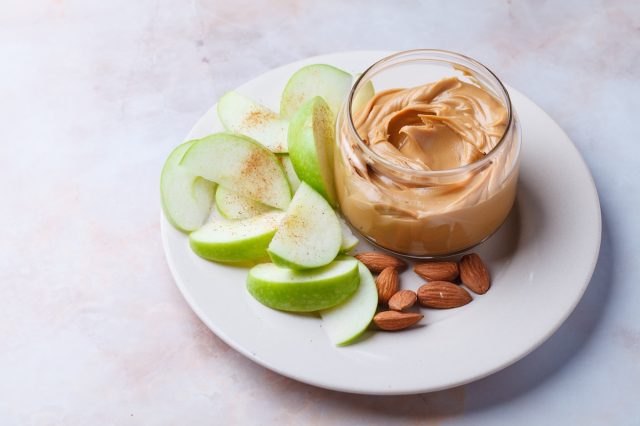
The timeless combination of Apple Slices with Peanut or Almond Butter is another top recommendation, lauded for its simplicity, portability, and profound benefits for stabilizing blood sugar and promoting satiety, particularly crucial after the age of fifty. "Fiber from fruit plus protein and fat from nut butter is a classic combination that works especially well after 50, when blood sugar stability and satiety really matter," Collingwood explains. "This snack is portable, satisfying, and easy to adjust for appetite."
Apples are an excellent source of dietary fiber, particularly pectin, a soluble fiber that forms a gel-like substance in the digestive tract. This slows down the emptying of the stomach, contributing to a feeling of fullness and helping to regulate blood sugar levels by reducing the rate at which sugar enters the bloodstream. Beyond fiber, apples provide essential vitamins like Vitamin C, an antioxidant crucial for immune function, and various phytonutrients that offer anti-inflammatory benefits. Their natural sweetness and crisp texture make them a refreshing and satisfying base for this snack.
Nut butters, such as peanut or almond butter, complement apples perfectly by providing a potent dose of healthy fats, plant-based protein, and additional fiber. The fats, predominantly monounsaturated and polyunsaturated, are heart-healthy and contribute significantly to satiety. These fats slow down digestion even further, ensuring a prolonged release of energy and preventing the sudden blood sugar spikes and subsequent crashes that can lead to cravings for less healthy foods. Nut butters are also rich in essential micronutrients: Vitamin E, a powerful antioxidant; magnesium, vital for muscle and nerve function; and potassium, important for blood pressure regulation.
The synergy between the fiber in apples and the protein and healthy fats in nut butter is what makes this snack particularly effective for older adults. This combination ensures that energy levels remain stable throughout the day, preventing fatigue and supporting consistent metabolic activity. It’s also an incredibly versatile snack, easy to prepare at home and portable for those on the go. When choosing nut butter, Collingwood advises opting for natural varieties with minimal ingredients—ideally just nuts and perhaps a pinch of salt—to avoid added sugars, hydrogenated oils, and unnecessary fillers that detract from its health benefits. Portion control is also key; a serving size of two tablespoons of nut butter provides substantial nutritional value without excessive calories. This classic snack is a testament to how simple, whole foods can be incredibly effective in supporting health and well-being in later years.
Customizable Fuel: The Protein and Fiber-Rich Smoothie
Finally, Collingwood champions the smoothie, specifically one packed with protein and fiber, as an excellent option for fueling the body. "A small smoothie with protein powder, berries, and chia or flax offers both protein and fiber in a convenient form. You can customize the type of protein you prefer and drink it at your desk or on the go," says Collingwood. This recommendation underscores the adaptability and nutrient delivery efficiency of smoothies, especially for individuals who might have chewing difficulties or prefer a liquid meal replacement.
The core components of an ideal smoothie for seniors are protein powder, berries, and seeds like chia or flax. Protein powder serves as a concentrated source of high-quality protein, with various options available to suit dietary preferences and needs. Whey protein is popular for its complete amino acid profile and rapid absorption, beneficial for immediate muscle repair. Casein protein offers a slower release, providing a sustained amino acid supply. Plant-based alternatives like pea protein, soy protein, or rice protein are excellent choices for those with dairy sensitivities or following a vegetarian/vegan diet. Regardless of the type, protein powder ensures a significant protein boost, crucial for maintaining muscle mass and satiety.
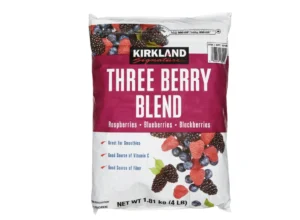
Berries, as previously discussed, contribute vital fiber and antioxidants. Their natural sweetness also enhances the flavor of the smoothie without the need for added sugars. Chia and flax seeds are small but mighty additions, renowned for their exceptional nutritional density. They are fantastic sources of soluble fiber, which aids digestion, promotes gut health, and helps regulate blood sugar. More importantly, both seeds are rich in omega-3 fatty acids, particularly alpha-linolenic acid (ALA). Omega-3s are essential fats known for their anti-inflammatory properties and their role in supporting cardiovascular health and cognitive function, areas of increasing importance with age.
The beauty of a smoothie lies in its customizability. Beyond the core ingredients, individuals can add a handful of spinach or kale for an extra boost of vitamins and minerals, often undetectable in flavor. A liquid base like unsweetened almond milk, soy milk, or even water keeps the calorie count in check while providing hydration. This convenience makes smoothies an excellent option for busy schedules or as a nutrient-dense alternative for those with reduced appetites or difficulty consuming solid foods. Collingwood advises careful selection of protein powders, favoring those with minimal additives and low sugar content. By combining these powerful ingredients, a smoothie transforms into a comprehensive, easily digestible snack that supports muscle, metabolism, and overall vitality, making it an invaluable tool in a senior’s nutritional arsenal.
Beyond Snacking: A Holistic Approach to Wellness After Sixty
While these carefully selected snacks offer significant benefits, it is crucial to understand them within the broader context of holistic wellness for individuals over sixty. Strategic snacking, rich in protein and fiber, directly contributes to several key health goals. Regarding weight management, these snacks promote fat loss—particularly around the abdominal area (often referred to as "belly pooch")—by enhancing satiety, which naturally reduces overall calorie intake from less healthy sources, and by supporting a more active metabolism through sustained muscle mass. The consistent delivery of protein and fiber helps prevent the drastic blood sugar fluctuations that often lead to fat storage, especially visceral fat.
From a metabolic health perspective, regularly consuming balanced snacks can improve insulin sensitivity, a common concern as people age, thereby reducing the risk of type 2 diabetes. The steady supply of nutrients also helps maintain stable energy levels, allowing for greater engagement in daily activities and potentially supporting a more active lifestyle, even without formal exercise. While this article focuses on dietary interventions that support health "without exercise," it is important to acknowledge that physical activity, even moderate forms like walking or light resistance training, synergizes powerfully with good nutrition to maximize muscle preservation, bone density, cardiovascular health, and cognitive function.
Furthermore, the antioxidant and anti-inflammatory properties of ingredients like berries and healthy fats contribute to long-term cellular health, potentially reducing the risk of chronic diseases and supporting cognitive vitality. The emphasis on gut health through probiotics in Greek yogurt and fiber in all recommended snacks also plays a foundational role in overall well-being, influencing everything from nutrient absorption to immune response and even mood.
In conclusion, the paradigm around snacking for individuals over sixty is shifting. No longer seen as a mere indulgence or a dietary hazard, strategic, nutrient-dense snacking, as championed by experts like Tara Collingwood, emerges as a vital component of a comprehensive health strategy. By prioritizing protein and fiber, older adults can proactively combat sarcopenia, optimize their metabolism, manage weight effectively, and enhance their overall quality of life. The four simple yet powerful snack options—Greek yogurt with berries, Harvest Snaps with hummus or cottage cheese, apple slices with nut butter, and protein/fiber-rich smoothies—provide actionable pathways for seniors to empower themselves through informed dietary choices, fostering sustained energy, muscle health, and metabolic resilience for a vibrant and active later life.