








In a significant shift in nutritional advice, dietitians are now advocating for strategic bedtime snacking, particularly for individuals over the age of 55, to support crucial aspects of health including metabolism, muscle maintenance, and weight management. This guidance challenges long-held beliefs about avoiding food before sleep, repositioning the evening snack as a vital tool for healthy aging. The focus is on nutrient-dense options that address the specific physiological changes occurring in the body past middle age.
Understanding the Metabolic Landscape After 55
The human body undergoes profound changes as it ages, particularly after the mid-fifties. These changes significantly impact metabolism, body composition, and overall health. One of the most critical factors is sarcopenia, the age-related loss of muscle mass and strength. Research indicates that adults can lose 3-8% of their muscle mass per decade after age 30, with the rate accelerating after 50. Muscle tissue is metabolically active, meaning it burns more calories at rest compared to fat tissue. Consequently, sarcopenia directly contributes to a slowdown in basal metabolic rate (BMR), making weight management more challenging.

Beyond muscle loss, individuals over 55 often experience increased insulin resistance and greater fluctuations in blood sugar levels. This can lead to issues such as increased fat storage, particularly visceral fat around the organs, and an elevated risk of developing type 2 diabetes. Sleep quality also tends to decline with age, which further exacerbates metabolic dysfunction, impacting hormone regulation (like ghrelin and leptin, which control hunger and satiety) and overall energy expenditure. The interplay of these factors—muscle loss, blood sugar dysregulation, and disrupted sleep—creates a complex environment where traditional weight loss strategies may prove less effective.
The Evolving Science of Nighttime Nutrition

For decades, conventional wisdom dictated that eating before bed was detrimental to weight control, often leading to increased fat storage due to reduced activity levels during sleep. However, contemporary nutritional science, particularly concerning the needs of an aging population, has begun to challenge this blanket recommendation. The latest understanding suggests that what and how much one eats before bed are far more important than the act of eating itself.
Tara Collingwood, MS, RDN, CSSD, LD/N, ACSM-CPT, a Board Certified Sports Dietitian and co-author of the Flat Belly Cookbook for Dummies, emphasizes this nuanced approach. "After 55, muscle loss and blood sugar fluctuations can make weight management harder. A protein and fiber-rich bedtime snack supports muscle maintenance, better sleep, and appetite control, all of which contribute to fat loss over time," Collingwood explains. She clarifies a common misconception, stating, "No food literally burns fat overnight, but the right bedtime snacks can support muscle, metabolism, blood sugar control, and sleep, which influence fat loss." This expert perspective underscores a paradigm shift: viewing the bedtime snack not as an indulgence to be avoided, but as a strategic nutritional intervention.
The rationale behind this shift is rooted in several physiological processes. Adequate protein intake before sleep can provide the necessary amino acids for muscle protein synthesis, helping to mitigate sarcopenia and maintain a healthier metabolic rate. Fiber, on the other hand, plays a crucial role in stabilizing blood glucose levels, preventing the dips and spikes that can disrupt sleep and trigger cravings. Moreover, certain nutrients can promote better sleep quality, which is intrinsically linked to metabolic health.
Strategic Bedtime Snacks for Optimal Health After 55
Here are five dietitian-approved bedtime snacks, meticulously selected for their ability to support metabolism, muscle, blood sugar control, and overall well-being in individuals over 55:
1. Greek Yogurt with Chia or Flax Seeds
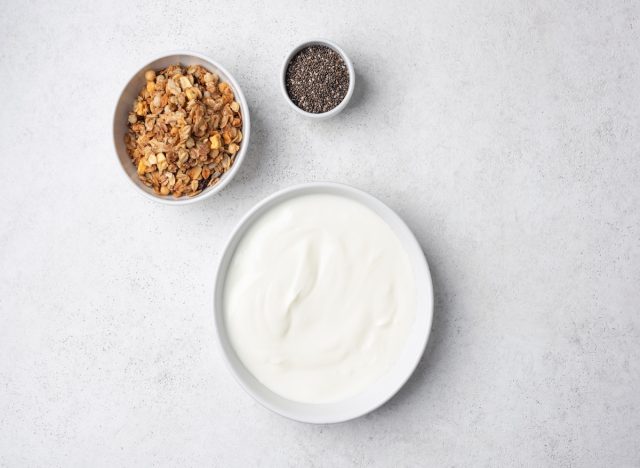
This combination stands out as a top recommendation due to its robust nutritional profile. Greek yogurt is renowned for its high protein content, significantly more than regular yogurt. A typical serving can provide 15-20 grams of protein, primarily casein, a slow-digesting protein. This slow digestion is crucial for overnight muscle repair and maintenance, providing a steady supply of amino acids throughout the sleeping hours when the body is in a restorative state. As Collingwood notes, "Greek yogurt provides protein that supports muscle maintenance overnight, which is important because muscle plays a key role in metabolism as we age." Maintaining muscle mass directly counters the age-related decline in metabolism, aiding in calorie expenditure even at rest.
The addition of chia or flax seeds elevates this snack further. These tiny seeds are powerhouses of dietary fiber and healthy omega-3 fatty acids. Fiber is instrumental in blood sugar regulation, forming a gel-like substance in the digestive tract that slows down glucose absorption. This prevents sharp increases and subsequent crashes in blood sugar, which can interfere with sleep and lead to increased hunger the following day. "Adding chia or flax brings fiber, which helps stabilize blood sugar while you sleep. This combo supports satiety and prevents late-night hunger," Collingwood states. The omega-3s also contribute to overall health, including anti-inflammatory effects, which are beneficial for aging bodies. Opt for plain, unsweetened Greek yogurt to avoid added sugars, and sprinkle a tablespoon of chia or ground flax seeds for maximum benefit.
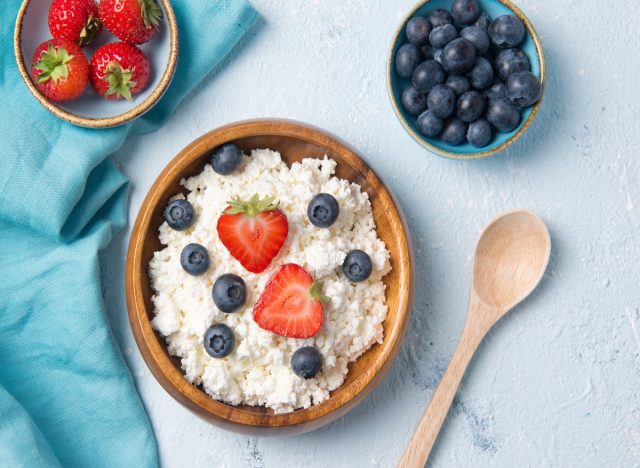
2. Cottage Cheese with Berries
Cottage cheese offers another excellent source of slow-digesting protein, similar to Greek yogurt, making it ideal for muscle support during sleep. It contains a high proportion of casein protein, which releases amino acids gradually, facilitating prolonged muscle protein synthesis. "Cottage cheese is rich in slow-digesting protein, which can support overnight muscle repair," explains Collingwood. "That matters later in life, when preserving lean mass helps support fat loss over time." The preservation of lean muscle mass is a cornerstone of metabolic health in older adults, directly influencing energy expenditure and body composition.
Pairing cottage cheese with berries introduces a wealth of beneficial nutrients. Berries—such as blueberries, raspberries, and strawberries—are low in calories and sugar but rich in dietary fiber and powerful antioxidants. Antioxidants combat oxidative stress and inflammation, processes that are implicated in aging and various chronic diseases. The fiber in berries complements the protein in cottage cheese by helping to stabilize blood sugar levels and enhance satiety. "Berries add fiber and antioxidants without excess sugar," Collingwood points out, making them an ideal, naturally sweet accompaniment that doesn’t compromise the metabolic benefits of the snack. Choose low-fat or fat-free cottage cheese to minimize saturated fat intake, and ensure berries are fresh or unsweetened frozen.
3. A Small Protein Smoothie
For those who prefer a lighter, more easily digestible option before bed, a small protein smoothie can be an excellent choice. This liquid format can be particularly appealing to individuals who experience digestive discomfort with solid foods late at night or those who simply prefer not to chew. The key is to keep it small and focused on protein and fiber.
A well-constructed bedtime smoothie typically includes a scoop of high-quality protein powder (whey or casein for animal-based, or pea/soy for plant-based options), blended with milk or a fortified plant-based milk (like soy milk or almond milk). Adding a source of fiber, such as a handful of spinach (which blends seamlessly without altering flavor significantly) or a small portion of berries, further enhances its benefits. "A light smoothie with protein powder, milk or soy milk, and fiber-rich ingredients can support muscle recovery overnight without feeling heavy before bed. This works well for people who don’t want to chew late at night," Collingwood suggests. The protein ensures muscle support, while the fiber aids in blood sugar regulation. It’s important to use unsweetened milks and protein powders to control sugar content.
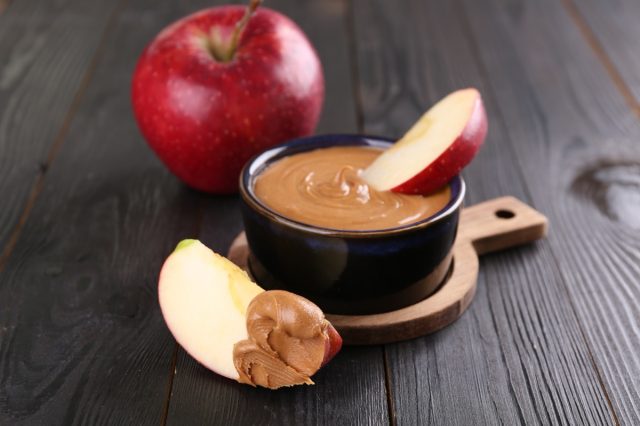
4. Apple Slices with Nut Butter
This classic snack combination offers a balanced profile of fiber, healthy fats, and a modest amount of protein, making it an effective choice for nighttime metabolic support. Apples are an excellent source of soluble and insoluble fiber, which contributes to digestive health and, crucially, blood sugar stability. The natural sugars in apples are released slowly due to their fiber content, preventing rapid glucose spikes.
Nut butter, such as almond butter or peanut butter, provides healthy monounsaturated and polyunsaturated fats, along with some protein. These fats contribute to satiety and further slow down the absorption of sugars from the apple, creating a sustained release of energy and maintaining stable blood glucose levels throughout the night. "Fiber from fruit paired with protein and healthy fats helps prevent nighttime blood sugar dips that can disrupt sleep and lead to next-day cravings," Collingwood explains. "Sleep quality and blood sugar stability are key to weight management." The synergistic effect of fiber, protein, and healthy fats helps to keep hunger at bay until morning and promotes restful sleep, both of which are critical for metabolic health. Opt for natural nut butters without added sugars or hydrogenated oils.
5. Handful of Nuts with a Protein Source

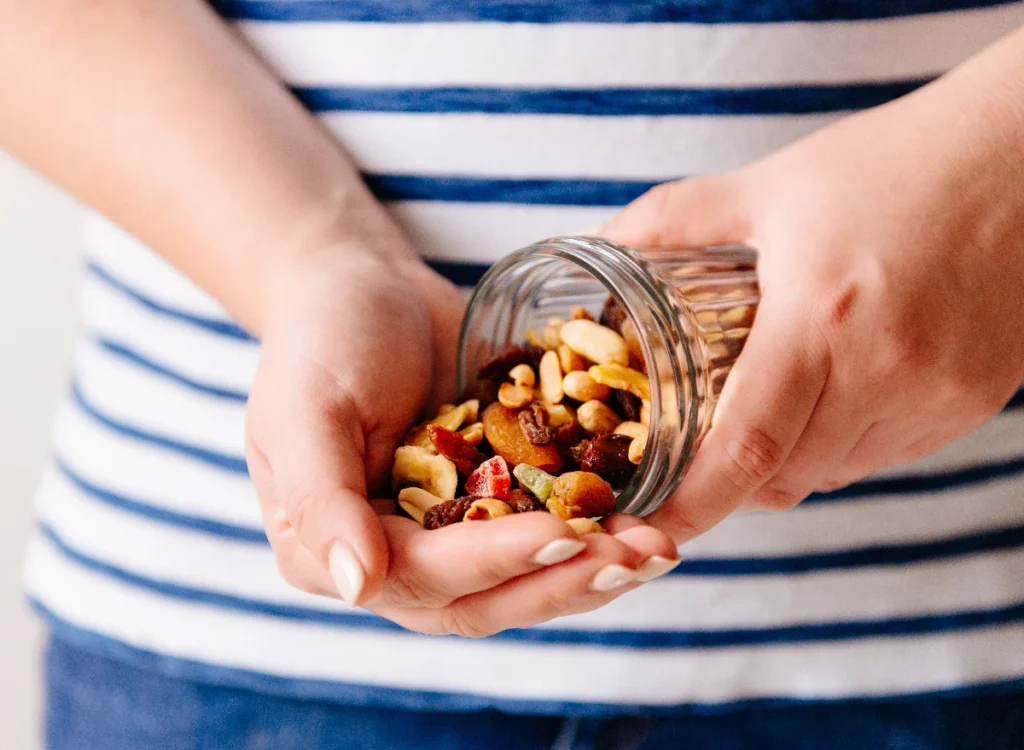
Nuts are nutritional powerhouses, packed with healthy fats, fiber, vitamins, and minerals. A handful of almonds, walnuts, or pistachios can provide satiety and contribute to heart health. Their fat content, while healthy, means portion control is essential to prevent excess calorie intake. "Nuts provide healthy fats and some fiber, but pairing them with a protein source like yogurt or milk helps keep the snack balanced and more filling," Collingwood advises.
To maximize the metabolic benefits for individuals over 55, pairing nuts with a dedicated protein source is key. This could mean consuming a small handful of nuts alongside a small glass of milk (dairy or fortified plant-based), a hard-boiled egg, or a very small serving of Greek yogurt. This combination ensures a more substantial protein contribution for overnight muscle repair and a more comprehensive approach to blood sugar stabilization. The fiber and healthy fats from the nuts, coupled with the protein, create a satisfying snack that prevents hunger and supports metabolic function without feeling heavy. "Portion control matters here, small but satisfying," Collingwood reiterates, highlighting the importance of mindful eating even with healthy choices.
Broader Implications and Holistic Wellness
The adoption of these strategic bedtime snacking habits is not an isolated dietary adjustment but rather an integral component of a holistic approach to healthy aging. For individuals over 55, maintaining muscle mass and metabolic health is paramount, influencing not only weight but also strength, mobility, cognitive function, and overall quality of life.
This emphasis on targeted nighttime nutrition aligns with broader public health recommendations from organizations like the Academy of Nutrition and Dietetics and the National Institutes of Health, which advocate for adequate protein intake (often higher than previously recommended for older adults) and fiber-rich diets to combat age-related decline. The scientific understanding of sarcopenia, for instance, has driven a shift towards proactive dietary and exercise interventions to preserve muscle mass. This evolving understanding reflects a timeline of progressive research, moving from general caloric restriction to nutrient-specific strategies tailored to different life stages.
Beyond the physiological benefits, incorporating these smart snacks can also have psychological advantages. It removes the guilt often associated with late-night eating, replacing it with a sense of empowerment and proactive self-care. Knowing that a bedtime snack can actively contribute to health goals rather than hinder them can improve adherence to a balanced diet and foster a more positive relationship with food.
In conclusion, for those over 55, the evening hours present a valuable opportunity to optimize metabolic function and support muscle health. By consciously choosing protein- and fiber-rich snacks, individuals can leverage their sleep period for recovery and maintenance, contributing to more stable blood sugar, reduced cravings, improved sleep quality, and ultimately, more effective weight management. This expert-backed guidance underscores that smart snacking before bed is not just permissible, but a strategic asset in the journey of healthy aging.