









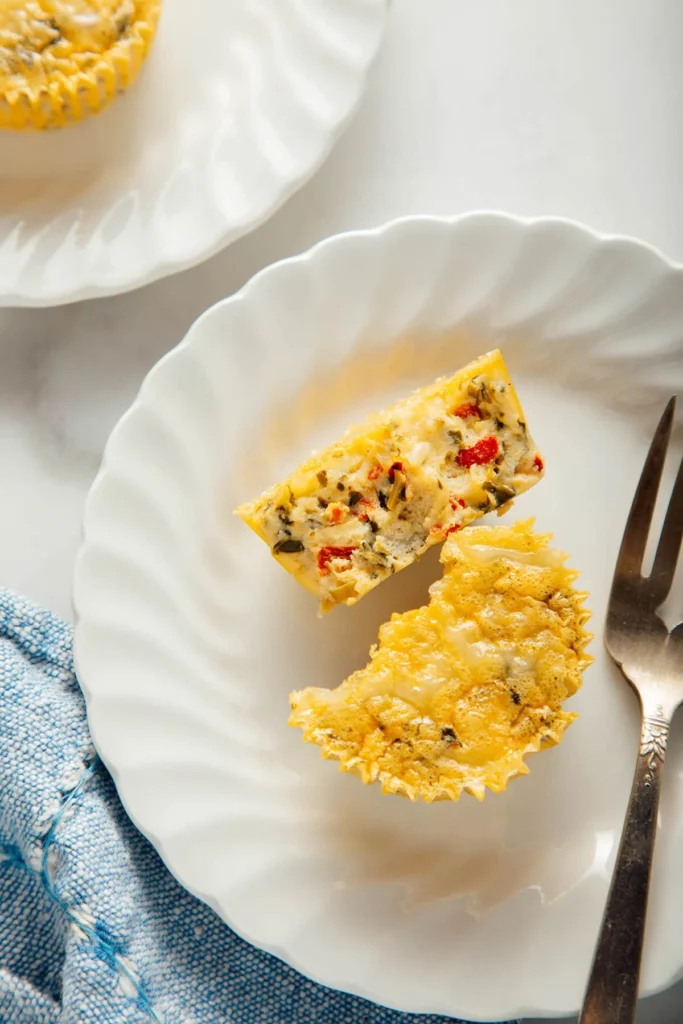
The burgeoning popularity of convenient, protein-packed breakfast and snack options has sparked a significant culinary trend, with consumers increasingly turning to home-prepared versions of café favorites, notably the ubiquitous egg bite. Originally popularized by major coffee chains like Starbucks, these silky-tender, flavorful morsels are now becoming a staple in home kitchens, driven by a desire for nutritional control, cost savings, and personalized flavor profiles. This shift represents a broader movement towards accessible gourmet cooking and efficient meal preparation, transforming a simple egg dish into a versatile cornerstone of modern healthy eating.

The journey of the egg bite from a specialty café item to a household staple underscores evolving consumer demands. Starbucks introduced its sous-vide egg bites several years ago, capitalizing on the growing market for grab-and-go breakfast solutions that catered to health-conscious individuals seeking low-carb, high-protein alternatives to traditional pastries. The innovative sous-vide cooking method, which involves slow cooking ingredients in a precisely temperature-controlled water bath, yielded an exceptionally smooth, custardy texture distinct from conventional scrambled eggs or frittatas. This unique texture, combined with savory mix-ins like cheese and vegetables, quickly resonated with a wide demographic, including those managing dietary restrictions such as gestational diabetes, where stable blood sugar levels are paramount. The convenience factor was undeniable: a quick, satisfying, and nutritionally sound option readily available during busy commutes or hospital visits.

However, the allure of replicating these culinary delights at home soon gained traction. Food bloggers and home cooks, inspired by the café experience, began experimenting with methods to achieve similar results without specialized sous-vide equipment. A key breakthrough in these homemade renditions, as highlighted by culinary experts, involves the unexpected inclusion of cottage cheese. This ingredient, often perceived for its lumpy texture, serves a dual purpose: it contributes a subtle tang and significantly boosts the protein content, while its texture completely disappears once blended into the egg mixture, leaving behind a smooth, rich base. This discovery has been hailed as a "secret ingredient" that elevates the homemade egg bite from a mere imitation to a genuinely comparable, if not superior, product in terms of flavor and nutritional density.

The culinary innovation extends beyond ingredients to cooking techniques. While sous-vide remains the gold standard for commercial production, home cooks have adapted by employing a water bath method within a conventional oven. This involves baking the muffin tray containing the egg mixture on a rimmed baking sheet partially filled with hot water. The steam generated by this water bath is critical; it creates a moist, consistent cooking environment, mimicking the gentle heat distribution of sous-vide. This prevents the eggs from browning excessively at the bottom and instead ensures a luscious, uniform texture throughout the bite, closely mirroring the desired custardy consistency. Without this crucial step, the eggs would bake more akin to denser frittata muffins, lacking the delicate smoothness that defines the popular egg bite. This small adjustment in preparation yields a significant difference in the final product, making gourmet textures achievable in an average home kitchen.

Economically, the shift to homemade egg bites presents a compelling case for cost savings. While a single serving of egg bites at a coffee shop can range from $4 to $5, a batch of a dozen homemade bites can be produced for a fraction of that cost, depending on ingredient choices. This economic advantage is particularly appealing to families and individuals looking to manage food budgets without compromising on nutrition or convenience. Furthermore, the ability to prepare a large batch and store them—either refrigerated for several days or frozen for longer periods—enhances their appeal as a practical meal prep solution. They defrost quickly in a microwave, offering a ready-made, protein-rich breakfast or snack that rivals the convenience of store-bought options but with greater control over ingredients and freshness.

From a nutritional standpoint, homemade egg bites offer substantial benefits. Using whole eggs, as opposed to just egg whites often found in commercial versions, ensures the inclusion of choline, an essential nutrient vital for brain health, liver function, and metabolism. The addition of cottage cheese further enriches the protein profile, making these bites an excellent choice for sustained energy and satiety. The inherent flexibility of the recipe also allows for extensive customization, catering to a wide array of dietary preferences and health goals. For instance, individuals can easily adjust the amount and type of cheese, incorporating options like sharp cheddar, nutty Gruyère, creamy mozzarella, or tangy goat cheese. The recipe’s adaptability also allows for the integration of various vegetables, transforming leftover produce into flavorful and nutrient-dense additions.

The versatility in ingredient substitution is a cornerstone of the egg bite’s appeal. Home cooks can incorporate up to two cups of various vegetables, with recommendations to pre-cook tougher options like kale, chard, or collard greens to ensure a tender texture. Softer vegetables, such as spinach or arugula, require only a brief sauté until wilted. This adaptability makes egg bites an ideal vehicle for reducing food waste by utilizing small quantities of leftover roasted vegetables like sweet potatoes or cauliflower, or even sautéed mushrooms. Flavor profiles can be endlessly diversified; for example, a Mediterranean twist could involve feta cheese, sun-dried tomatoes, and spinach, while a Southwestern version might feature black beans, corn, and a hint of chili powder. The base recipe provides a canvas for culinary creativity, making it a dynamic dish that can evolve with seasonal ingredients and personal tastes.

The broader implications of this trend extend to the evolving landscape of food consumption and preparation. The rise of "copycat" recipes for popular restaurant items reflects a growing consumer desire for transparency in ingredients and greater control over their diet. Food blogs and online culinary communities play a pivotal role in disseminating these recipes, empowering home cooks with the knowledge and techniques once confined to professional kitchens. This "democratization" of gourmet cooking not only fosters culinary skills but also encourages a more engaged and informed approach to eating. It also subtly pressures commercial food providers to innovate, differentiate, and potentially adjust pricing, as consumers become more aware of the cost-effectiveness of homemade alternatives.

The sustained popularity of egg bites, both commercially and in the home, signals a continued demand for practical, nutritious, and adaptable food solutions. As lifestyles become increasingly fast-paced, the appeal of a make-ahead, portion-controlled meal that can be customized to individual preferences remains strong. The home-prepared egg bite, with its simple ingredients, innovative cooking technique, and endless variations, stands as a testament to the ingenuity of home cooks and the enduring power of food trends to reshape our culinary habits. This shift is not merely about replicating a coffee shop item; it is about reclaiming control over our food choices, embracing culinary exploration, and integrating healthier, more economical practices into daily life.