








A streamlined culinary technique, inspired by popular Tex-Mex traditions and the widespread appeal of fast-casual dining establishments, is set to revolutionize the preparation of fajita vegetables in home kitchens. This innovative approach promises to deliver perfectly caramelized, tender-crisp bell peppers and red onions, mimicking the texture and flavor profiles typically associated with professional culinary environments, all within a rapid 20-minute timeframe. The method emphasizes precision in cooking to achieve a desirable balance between charring and tenderness, a quality often sought but rarely mastered by home cooks.

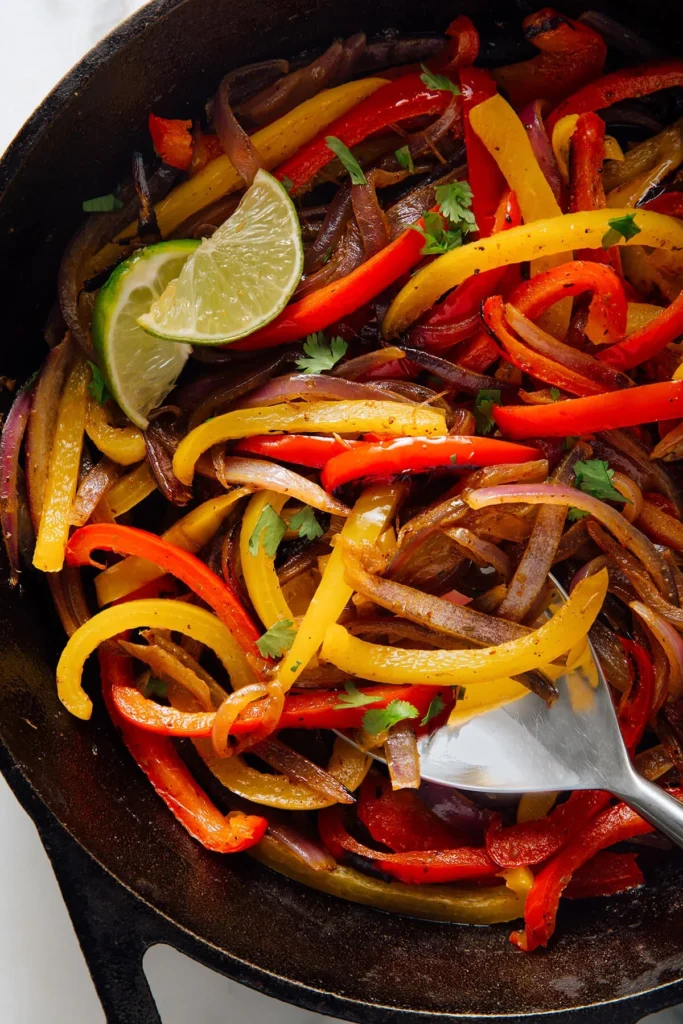
The core of this enhanced recipe lies in its meticulous attention to technique, developed after extensive experimentation to overcome common pitfalls such as mushy vegetables or burnt oil. The objective is a distinct caramelization on the edges of the vegetables, a soft yet firm interior, and a vibrant flavor enhanced by a final touch of fresh lime juice. This particular methodology, now being disseminated, offers a simple and reliable pathway to achieving these coveted characteristics, making restaurant-quality fajita vegetables accessible to a broader audience.
The Historical Evolution of Fajitas and Tex-Mex Cuisine


To fully appreciate the significance of this refined fajita vegetable preparation, it is crucial to understand the rich historical tapestry from which fajitas emerged. The term "fajita" itself derives from the Spanish word "faja," meaning strip or belt, referencing the cut of meat traditionally used: skirt steak. This humble dish originated in the cattle ranching communities along the Texas-Mexico border in the 1930s and 40s. Mexican vaqueros, or cowboys, were often given less desirable cuts of beef, such as the skirt steak, as part of their wages. They would grill this tough cut over mesquite fires, marinate it, and serve it with grilled onions and bell peppers, often wrapped in tortillas. This practical and flavorful meal laid the foundation for what would become a global culinary phenomenon.
The commercial popularization of fajitas began in the 1960s, notably at a Texas meat market in Kyle, Texas, where a man named Sonny Falcon started selling marinated skirt steak at outdoor events. However, it was in the 1970s and 80s that fajitas truly exploded in popularity within Tex-Mex restaurants, particularly after Ninfa Rodriguez Laurenzo introduced them at her Houston restaurant, Ninfa’s, in 1973. The sizzling platter presentation, often arriving at the table still smoking and hissing, became an iconic part of the dining experience, engaging multiple senses and signaling a festive, communal meal.

Over the decades, as dietary preferences evolved and the demand for healthier and more diverse options grew, the concept of fajitas expanded beyond solely meat-based preparations. Vegetarian and plant-based fajitas, featuring a colorful array of vegetables like bell peppers, onions, zucchini, and mushrooms, began to appear on menus. This shift not only catered to vegetarians but also to a broader demographic seeking to incorporate more vegetables into their diet, aligning with prevailing nutritional guidelines.
The Influence of Fast-Casual Dining on Home Cooking

The contemporary inspiration for this particular fajita vegetable recipe draws heavily from the fast-casual dining sector, specifically chains like Chipotle Mexican Grill. Chipotle, founded in 1993, pioneered a model that offered fresh, customizable, and relatively healthy options served quickly. Their "build-your-own" burrito bowls and tacos, featuring prominently sautéed fajita vegetables, became immensely popular. This accessibility and the consistent quality of their vegetable offerings cultivated a public taste for well-prepared, flavorful vegetables as a central component of a meal, rather than a mere afterthought.
The widespread exposure to dishes like Chipotle’s fajita vegetables has, in turn, spurred home cooks to recreate these flavors and textures in their own kitchens. Consumers are increasingly seeking recipes that replicate the convenience and taste of their favorite restaurant meals, but with the added benefits of home cooking, such as control over ingredients, preparation methods, and nutritional content. This trend underscores a broader movement towards what culinary experts term "accessible gourmet," where complex flavors and techniques are simplified for the everyday cook.

Key Culinary Principles for Optimal Fajita Vegetables
The success of this refined fajita vegetable recipe hinges on several critical culinary techniques, carefully selected to achieve the desired texture and flavor profile:

- Selection of Bell Peppers: While traditional Tex-Mex often utilizes green bell peppers, this method advocates for red, orange, or yellow varieties. These peppers possess a naturally sweeter flavor profile and a slightly different cellular structure that contributes to superior caramelization and a less bitter taste when cooked. The natural sugars in these colored peppers caramelize more readily, yielding a richer, deeper flavor.
- Pan Choice and Heat Management: A medium-sized skillet, approximately 10 inches in diameter, is recommended. While cast iron offers traditional aesthetic appeal and excellent heat retention for even cooking and charring, a good quality stainless steel pan is also effective. The key is to achieve and maintain consistent high heat to initiate the Maillard reaction—the chemical process responsible for the browning and complex flavors in cooked foods—on the vegetables’ surfaces.
- The Steam-Sauté Technique: This recipe employs a hybrid cooking method that combines sautéing with a brief period of steaming. By using minimal oil and strategically covering the pan, moisture is trapped, allowing the vegetables to cook through without becoming overly soft. The lid helps to gently steam the vegetables, ensuring they become tender internally, while the direct contact with the hot pan still allows for caramelization and charring. This technique prevents the limited oil from burning and avoids triggering smoke alarms, a common issue with high-heat vegetable preparations.
- Controlled Stirring for Caramelization: A crucial instruction is to resist the urge to stir the vegetables too frequently. Allowing the peppers and onions to remain undisturbed against the hot surface of the pan for several minutes at a time is essential for the development of caramelized edges. This sustained contact facilitates the Maillard reaction, building layers of flavor and achieving the desired textural contrast between tender and slightly charred.
- Finishing Touches: The final squeeze of fresh lime juice is not merely for flavor; it serves a vital culinary function. The acidity of the lime cuts through the sweetness of the caramelized vegetables, providing a bright, zesty counterpoint that elevates the overall taste. A final pinch of salt further amplifies the inherent flavors of the ingredients, enhancing the perception of sweetness and savory notes.
Nutritional Profile and Dietary Implications
Beyond their appealing taste and texture, these fajita vegetables offer substantial nutritional benefits, aligning with contemporary health and wellness trends. Bell peppers, particularly the red, orange, and yellow varieties, are exceptional sources of Vitamin C, a powerful antioxidant crucial for immune function and skin health. They also provide significant amounts of Vitamin A (beta-carotene), Vitamin B6, folate, and dietary fiber. Red onions contribute additional antioxidants, including quercetin, and sulfur-containing compounds that have been linked to various health benefits.

By incorporating a generous serving of these vibrant vegetables into meals, individuals can significantly increase their daily intake of essential vitamins, minerals, and fiber. This aligns with global dietary guidelines, such as those from the World Health Organization and national health agencies, which consistently recommend increasing fruit and vegetable consumption to prevent chronic diseases and promote overall well-being. Furthermore, as a plant-based component, these fajita vegetables are naturally low in calories and saturated fat, making them an excellent choice for individuals managing weight or adhering to heart-healthy diets. The recipe’s emphasis on minimal oil further supports its health-conscious profile.
Versatile Serving Suggestions and Broader Impact

The versatility of these perfectly cooked fajita vegetables is a key factor in their utility for modern home cooks. While traditional Tex-Mex fajitas are typically served with grilled skirt steak, this vegetable component transcends its original role, serving as a dynamic and healthy addition to a multitude of dishes.
- Tacos, Burritos, and Burrito Bowls: These vegetables integrate seamlessly into classic Mexican and Tex-Mex formats. When combined with black beans, pinto beans, seasoned rice (such as cilantro-lime rice), fresh salsa (pico de gallo or corn salsa), guacamole, sour cream, and shredded cheese, they form a complete and satisfying meal. The textural contrast of the tender-crisp vegetables against softer components like beans and rice adds depth to each bite.
- Salad Bowls: For a lighter, yet equally flavorful option, the fajita vegetables can be served warm atop a bed of chopped romaine lettuce or mixed greens. Paired with a vibrant cilantro-lime dressing, crumbled tortilla chips for crunch, and a sprinkle of cheese, they transform into a hearty and nutritious salad. This demonstrates their adaptability beyond traditional warm dishes.
- Breakfast Applications: The reusability of leftovers is another practical advantage. Reheated fajita vegetables pair exceptionally well with scrambled or fried eggs, topped with cheese, a dollop of sour cream, and crumbled tortilla chips for a Mexican-inspired breakfast or brunch. This highlights the recipe’s contribution to reducing food waste and providing quick, flavorful meal solutions throughout the day.
The broader implications of such a recipe are manifold. It addresses the growing consumer demand for plant-forward meals that do not compromise on flavor or satisfaction. It empowers home cooks to replicate restaurant-quality experiences with straightforward techniques and readily available ingredients. Moreover, by providing a delicious and easy way to incorporate more vegetables into daily diets, it indirectly supports public health initiatives aimed at promoting healthier eating habits. This recipe, therefore, stands as more than just a guide to cooking vegetables; it represents a convergence of culinary tradition, modern dietary trends, and practical home cooking innovation.

Looking Ahead: The Future of Plant-Based Tex-Mex
As culinary preferences continue to shift towards more sustainable and health-conscious options, the prominence of dishes like expertly prepared fajita vegetables is expected to grow. Industry analysts predict a continued rise in the demand for plant-based alternatives in both restaurant and home cooking settings. Recipes that simplify the creation of flavorful vegetable dishes, without extensive specialized equipment or esoteric ingredients, are particularly valuable in this evolving landscape. The refinement of techniques for basic ingredients like bell peppers and onions ensures that these staples can be transformed into compelling culinary experiences, reinforcing their role not just as side dishes but as central components of diverse and nutritious meals. This approach underscores a commitment to accessible, delicious, and healthful eating for all.