








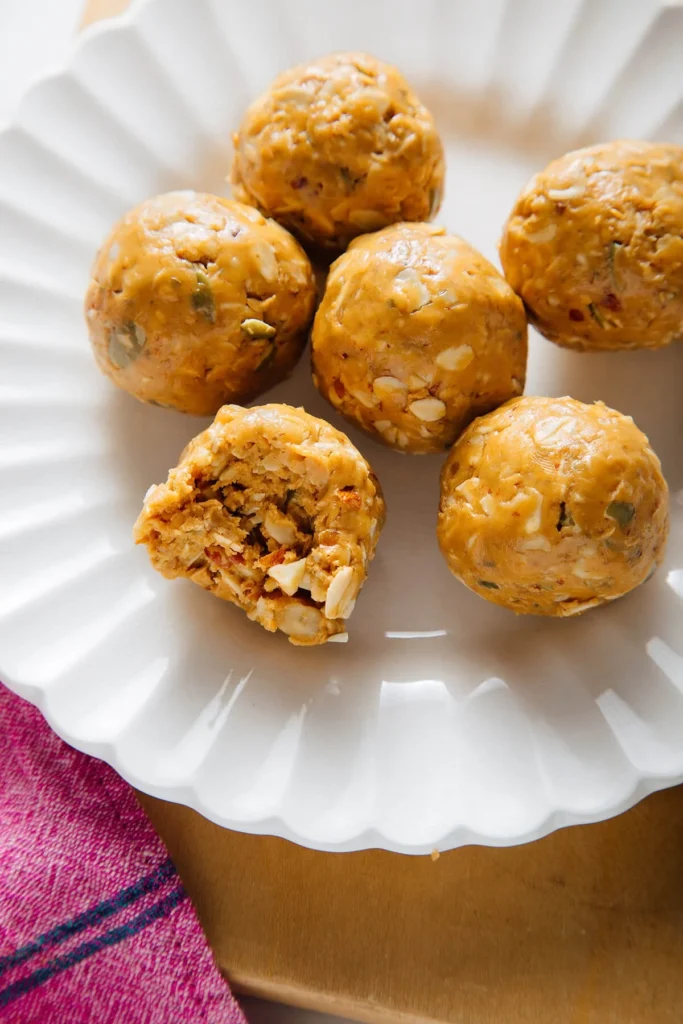
In an era defined by fast-paced living and increasing health consciousness, the humble energy ball has emerged as a culinary staple, offering a convenient, nutritious, and highly adaptable snack solution. Originally popularized within health-focused communities and recipe blogs, these compact powerhouses, exemplified by a recent adaptation from acclaimed food blogger Kathryne Taylor of Cookie and Kate, are gaining broader recognition for their ability to provide sustained energy, essential nutrients, and a satisfying treat without compromising on health. This particular recipe, an evolution from Taylor’s popular no-bake granola bars, underscores a growing trend towards easily prepared, wholesome snacks that cater to diverse dietary needs and busy schedules.
Background and Culinary Evolution

The concept of an "energy ball" is rooted in the broader movement towards whole foods and homemade alternatives to processed snacks. These small, nutrient-dense spheres typically combine ingredients rich in complex carbohydrates, healthy fats, and protein, designed to deliver a steady release of energy. Kathryne Taylor’s rendition, a testament to culinary adaptability, draws direct inspiration from her husband’s mother’s interpretation of her existing no-bake granola bar recipe. This familial evolution highlights how recipes often transform and become household staples, passed down and refined across generations. Initially conceived as a practical solution for busy parents and a wholesome treat for grandchildren, these energy balls quickly solidified their place in Taylor’s own home, proving invaluable during demanding periods like the postpartum phase, where sustained energy and quick nutrition are paramount. The ability to simply grab one on the way out the door, crumble it over yogurt for a fortified breakfast, or enjoy it as a guilt-free treat between meals speaks volumes about its utility in contemporary life.

Nutritional Profile and Health Benefits

The core appeal of these energy balls lies in their thoughtfully selected ingredients, each contributing to a robust nutritional profile. The primary components—oats, honey or maple syrup, nut butter, and a blend of toasted nuts and seeds—are celebrated for their inherent health benefits. Oats, a whole grain, are a superior source of complex carbohydrates and soluble fiber, particularly beta-glucan, which is known to aid in cholesterol reduction and stabilize blood sugar levels. This slow-release carbohydrate profile is crucial for preventing energy crashes often associated with simple sugars, thus delivering the "sustained energy" that defines the snack.
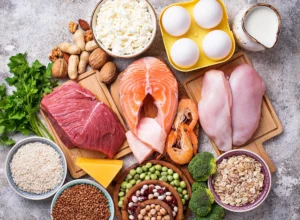
Nut butter, whether almond, peanut, or sunflower-based, provides healthy monounsaturated and polyunsaturated fats, alongside a significant protein boost. These fats are vital for satiety, hormone production, and the absorption of fat-soluble vitamins. The protein content further contributes to muscle repair and growth, making these snacks ideal for post-workout recovery or simply as a means to stay full and focused throughout the day. Nuts and seeds, such as pecans, almonds, pepitas, and flax or chia seeds, enhance this nutritional density. They are packed with essential micronutrients, including magnesium, zinc, iron, and vitamin E, as well as additional fiber and omega-3 fatty acids (especially from flax and chia seeds). The toasting process not only amplifies their flavor but can also enhance digestibility for some individuals. Flax and chia seeds, in particular, play a dual role: they are nutritional powerhouses and act as binders, absorbing moisture and contributing to the desired texture and structural integrity of the balls.

The Rise of Wholesome Snacking in a Modern Context
The escalating demand for healthy, convenient snacks reflects a significant shift in consumer priorities. With increasing awareness of the detriments of highly processed foods, individuals are actively seeking options that are both easy to access and genuinely nutritious. Market research consistently points to a robust growth trajectory in the healthy snack sector, driven by consumers prioritizing wellness, natural ingredients, and functional benefits. Energy balls perfectly align with this trend. They offer a tangible solution for meal prepping, allowing individuals to control ingredients and portion sizes, thereby avoiding impulsive, less healthy choices. This homemade approach also presents an economical advantage, often being more cost-effective than purchasing pre-packaged healthy snacks, which can carry a premium.

Furthermore, the concept of "healthy gifting" has gained traction, particularly in contexts where practical support is valued. For individuals navigating demanding life phases, such as new parenthood, recovery from illness, or intense academic/professional periods, a batch of homemade energy balls serves as a thoughtful and genuinely helpful gesture. It provides nourishing fuel without requiring any preparation on the recipient’s part, embodying care in a truly functional way.
Adaptability and Customization: A Hallmark of the Recipe

One of the most compelling features of this energy ball recipe, as highlighted by Taylor, is its remarkable adaptability. Designed with a flexible base, it encourages culinary creativity and caters to an extensive range of preferences and dietary restrictions. The recipe typically calls for 1 ¾ cups of "mix-ins" (excluding the critical flax or chia seeds, which are essential for moisture absorption and binding). This generous allowance for customization means that the core structure remains sound while the flavor profile can be dramatically altered.
- Fruity Variations: Incorporating dried cranberries, cherries, apricots, or even finely chopped dates can introduce natural sweetness, chewy texture, and additional vitamins and antioxidants. These options are particularly appealing for those who enjoy a brighter, tangier note in their snacks.
- Chocolate-Almond Combinations: For a more decadent yet still wholesome treat, mini chocolate chips or finely chopped dark chocolate can be blended in. Paired with almond butter and toasted almonds, this variation taps into universally loved flavor profiles. The crucial step here, as noted, is to ensure nuts are completely cooled before adding chocolate to prevent melting and maintain texture.
- Coconutty Delights: Shredded coconut, whether toasted or raw, adds a distinct tropical flavor and additional healthy fats. This variation can be further enhanced with macadamia nuts or a hint of vanilla extract for a truly indulgent feel.
- Trail Mix-Inspired Blends: Emulating the diverse textures and flavors of classic trail mix, this variation allows for a medley of different nuts (cashews, walnuts, hazelnuts), seeds (sunflower seeds, pumpkin seeds), and dried fruits, creating a multifaceted snacking experience.
This inherent flexibility not only prevents flavor fatigue but also empowers individuals to tailor the recipe to specific nutritional goals, allergen concerns, or simply personal taste.

Practicality and Accessibility: Streamlining Preparation
Despite their sophisticated nutritional profile, these energy balls are designed for ease of preparation, making them accessible even to novice home cooks. The recommended use of basic kitchen tools, such as a food processor for efficiently chopping nuts and seeds, significantly streamlines the process. A medium-sized cookie scoop is also suggested for portioning, ensuring uniform size and shape, which not only aids in presentation but also helps in consistent nutritional intake per serving. The method typically involves combining dry ingredients with a wet mixture of nut butter and sweetener, then rolling the mixture into individual balls. This no-bake approach eliminates the need for oven time, further simplifying the process and making it a quick, energy-efficient option for snack preparation. The "March 2026 recipe edits" mentioned in the original context, verifying chia seeds as a suitable alternative to flaxseeds, further demonstrates a commitment to ongoing refinement and practical usability, ensuring the recipe remains robust and adaptable with common pantry staples.

Dietary Inclusivity: A Modern Imperative
In today’s diverse dietary landscape, the ability of a recipe to accommodate various restrictions is a significant advantage. The energy ball recipe excels in this regard, offering clear pathways for customization:

- Gluten-Free: By simply ensuring the use of certified gluten-free oats, the recipe becomes suitable for individuals with celiac disease or gluten sensitivity. This is a critical consideration given the widespread prevalence of gluten-related issues.
- Nut-Free: For those with nut allergies, the recipe provides straightforward substitutions. Nut butter can be replaced with sunflower seed butter (sunbutter), and nuts can be swapped for other seeds like pepitas (pumpkin seeds) and sunflower seeds. This ensures that the essential binding and nutritional elements are maintained without triggering allergic reactions.
- Vegan: The primary non-vegan ingredient is honey. By substituting honey with maple syrup, the recipe seamlessly transitions into a delicious and wholesome vegan snack, aligning with plant-based dietary principles.
- Naturally Sweetened Options: The suggestion to use Medjool dates (soaked and blended with a small amount of maple syrup or honey) as an alternative to a larger quantity of liquid sweetener demonstrates a commitment to increasing fiber content and utilizing natural, fruit-derived sugars, appealing to those seeking to minimize refined sugar intake.
This comprehensive adaptability transforms the energy ball from a niche health food into a universally appealing snack that can be enjoyed by a broad spectrum of individuals, regardless of their specific dietary requirements.
Broader Impact and Implications

The growing popularity of recipes like these energy balls signifies more than just a culinary trend; it reflects a broader societal movement towards greater control over personal nutrition and a proactive approach to health. These snacks empower individuals to make healthier choices, offering a practical tool in the ongoing effort to combat obesity, manage chronic diseases through diet, and simply feel more energized and focused throughout their day. The ease of preparation encourages more home cooking, fostering a deeper connection with food and an understanding of ingredients. As consumers continue to prioritize wellness and convenience, innovative and adaptable recipes like the energy ball will undoubtedly continue to play a pivotal role in shaping contemporary eating habits, serving as a testament to the power of simple, wholesome ingredients to deliver significant health benefits and culinary satisfaction. The consistent refinement and widespread adoption of such recipes underscore their enduring value in promoting a balanced and vibrant lifestyle.