

As global health trends continue to emphasize personal wellness and weight management, consumers are increasingly seeking practical and affordable strategies to achieve their dietary goals. In this evolving landscape, warehouse retail giant Costco has emerged as a significant resource, offering a diverse array of dietitian-approved groceries that support healthy eating and weight loss without straining the budget. This strategic positioning is particularly relevant as individuals plan their health objectives for 2026, where the confluence of economic prudence and nutritional efficacy is paramount.
Costco’s extensive inventory, spanning fresh meats, fish, poultry, and an abundant selection of produce, alongside a growing range of pre-made and packaged health-conscious foods and beverages, makes it an indispensable destination for those committed to a balanced lifestyle. To navigate this vast selection effectively, insights from qualified experts are invaluable. Tara Collingwood, MS, RDN, CSSD, LD/N, ACSM-CPT, a Board Certified Sports Dietitian and co-author of the Flat Belly Cookbook for Dummies, has identified 11 key items that stand out as exceptional values for weight loss endeavors in the coming year.

The Evolving Landscape of Health and Budget-Conscious Consumption
The past decade has seen a dramatic shift in consumer priorities, with a pronounced focus on health and wellness. This shift is driven by increased awareness of diet-related diseases, a desire for enhanced vitality, and the pervasive influence of digital health and fitness communities. Simultaneously, economic pressures, including inflationary trends and the rising cost of living, have compelled many households to seek out cost-effective solutions for everyday necessities, particularly groceries. Warehouse clubs like Costco have capitalized on this dual demand, offering bulk purchasing options that translate to significant savings per unit, making premium and health-oriented products more accessible.
For individuals embarking on or sustaining a weight loss journey, the challenge often lies in balancing nutritional requirements with financial realities. Fresh, organic produce, lean proteins, and specialized health foods can carry a higher price tag at conventional supermarkets. Costco’s model disrupts this by leveraging its purchasing power to offer competitive pricing on these very items. This not only democratizes access to healthier eating but also empowers consumers to make choices that align with their long-term health and financial goals for 2026 and beyond.
Expert-Endorsed Selections for Optimal Value and Health
Tara Collingwood’s recommendations underscore a holistic approach to weight management, focusing on nutrient density, satiety, and convenience. Her selections highlight products that are not only budget-friendly at Costco but also provide essential macronutrients and micronutrients vital for sustained weight loss and overall well-being.
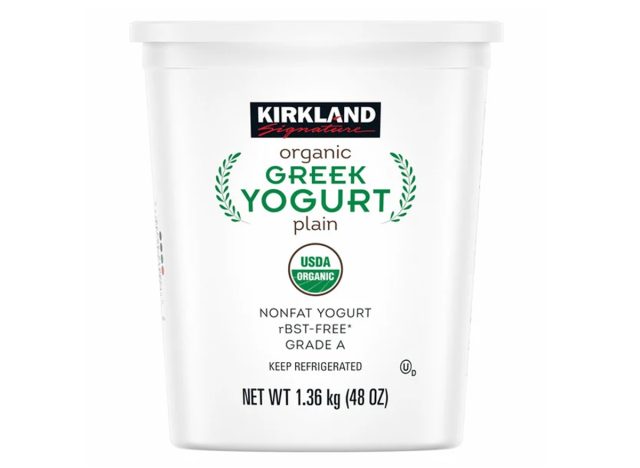
1. Kirkland Signature Organic Greek Nonfat Yogurt:
Collingwood’s primary recommendation, Kirkland Signature Organic Greek Nonfat Yogurt, exemplifies a cornerstone of a healthy diet. This product offers a high-protein, low-fat profile, making it an excellent choice for various meal applications, including breakfast, snacks, and smoothies. The significant protein content, often ranging from 15-20 grams per serving, is crucial for promoting satiety, thereby reducing the likelihood of overeating and supporting consistent calorie deficits necessary for weight loss. Furthermore, protein plays an indispensable role in muscle maintenance, which is vital during periods of calorie restriction to ensure that weight loss primarily comes from fat rather than lean muscle mass. As an organic product, it appeals to consumers seeking foods free from synthetic pesticides and hormones, while Costco’s bulk packaging makes it an exceptionally economical option compared to smaller, individual containers found at standard grocery stores. Its live and active cultures also contribute to gut health, an increasingly recognized factor in overall metabolic health and weight regulation.
2. Frozen Organic Berries:
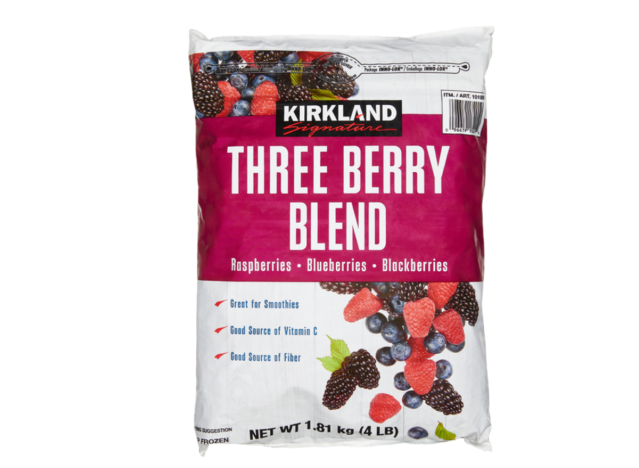
Frozen Organic Berries, particularly the Kirkland Signature brand, represent another strategic purchase. Collingwood notes their fiber-rich composition and lack of added sugars, making them ideal for smoothies, oatmeal, or as a standalone snack without contributing excess calories. Berries are packed with antioxidants, vitamins (like Vitamin C and K), and dietary fiber. Fiber is instrumental in digestive health and prolonging feelings of fullness, which is a significant advantage in weight management. Buying them frozen ensures year-round availability and locks in nutritional value at peak ripeness, often at a lower cost than fresh organic varieties, especially out of season. The convenience of pre-washed, pre-portioned frozen berries also reduces preparation time, encouraging more consistent consumption of fruit.
3. Oatmeal:
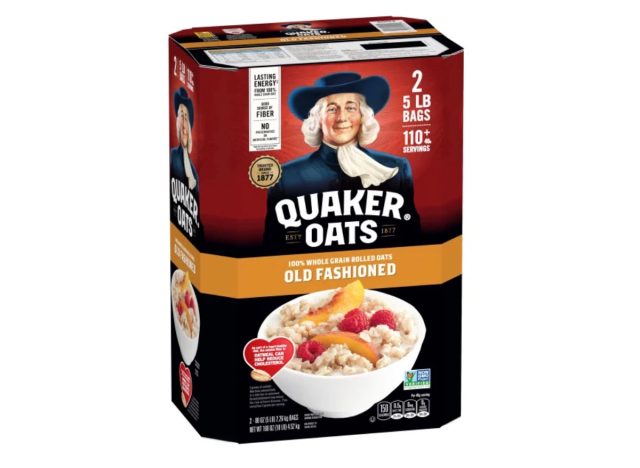
Oatmeal, available in bulk at Costco, is highlighted as an excellent value and a nutritional powerhouse. Collingwood emphasizes its status as a high-fiber whole grain that supports satiety and provides steady energy release. This sustained energy helps prevent energy crashes and subsequent cravings for less healthy, high-sugar snacks. Oats are particularly rich in beta-glucan, a type of soluble fiber known to lower cholesterol levels and help regulate blood sugar, both of which are beneficial for long-term health and weight management. Its versatility allows for various preparations, from overnight oats to hot cereals with added fruits and nuts, making it a flexible and easy-to-integrate component of a balanced diet. The bulk packaging at Costco ensures a long-lasting supply, significantly reducing the per-serving cost.
4. Frozen Salmon or Chicken Breasts:
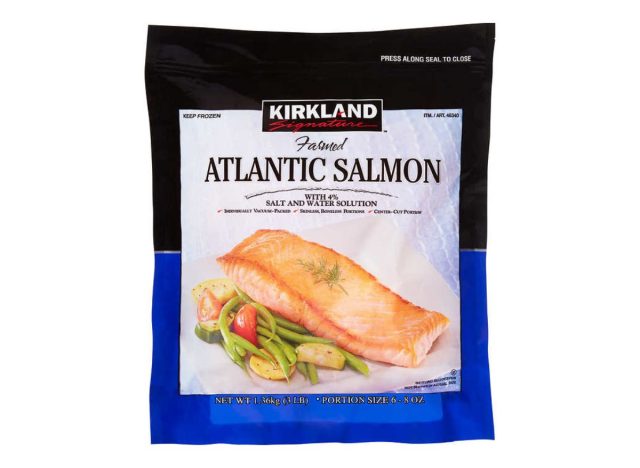
For lean protein sources, Collingwood recommends stocking up on Frozen Salmon or Chicken Breasts from Costco. These items are consistently priced significantly lower than at traditional grocery stores, offering substantial savings. Both salmon and chicken breasts are lean proteins that are fundamental for building and maintaining muscle mass, which is metabolically active and helps burn more calories even at rest. Salmon, in particular, is an exceptional source of omega-3 fatty acids, which are known for their anti-inflammatory properties, cardiovascular benefits, and potential role in fat metabolism. The frozen format ensures extended shelf life and convenient portion control, making it easy to integrate into weekly meal planning for lunches and dinners, providing flexibility and reducing food waste.
5. Safe Catch Ahi Tuna & Wild Planet Sardines:
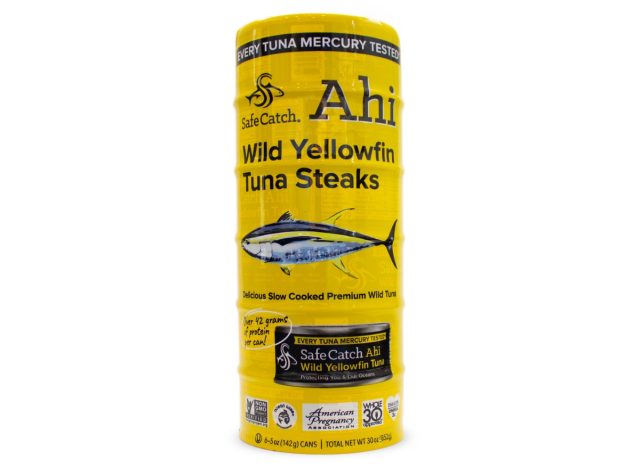
Collingwood identifies Safe Catch Ahi Tuna and Wild Planet Sardines as excellent shelf-stable, high-protein seafood options. These products are packed with omega-3s and can be easily added to salads, bowls, or wraps. Safe Catch is notable for its stringent mercury testing, offering a safer option for frequent consumption of tuna, while Wild Planet focuses on sustainable fishing practices. Sardines, though often overlooked, are a nutritional powerhouse, providing not only omega-3s but also significant amounts of Vitamin D and calcium, crucial for bone health. Their convenience and long shelf life make them perfect pantry staples for quick, nutritious meals or snacks, especially when fresh protein options are unavailable.
6. Protein Shakes:
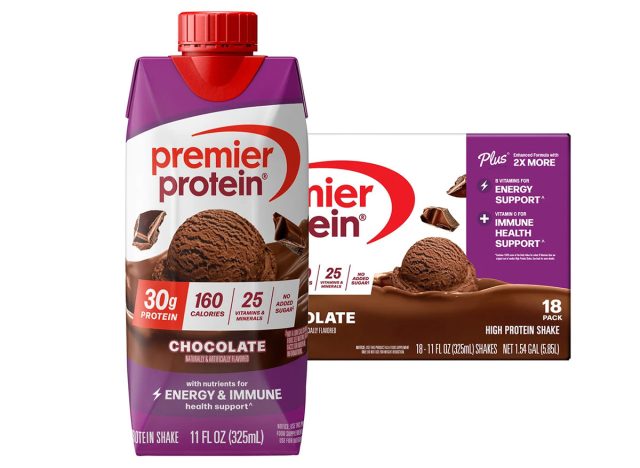
Costco’s competitive pricing on Protein Shakes makes them a valuable tool for weight management. These ready-to-drink, high-protein beverages are effective in curbing cravings and supporting daily protein goals. For individuals with busy schedules or those requiring a convenient post-workout recovery aid, protein shakes offer a quick and efficient way to deliver essential amino acids to muscles. A higher protein intake throughout the day can also contribute to increased thermogenesis and satiety, both beneficial for weight loss. Costco often carries popular brands in multi-packs, translating to substantial savings compared to purchasing individual bottles elsewhere.
7. Kirkland Signature Organic Hummus & High-Fiber Snacks:
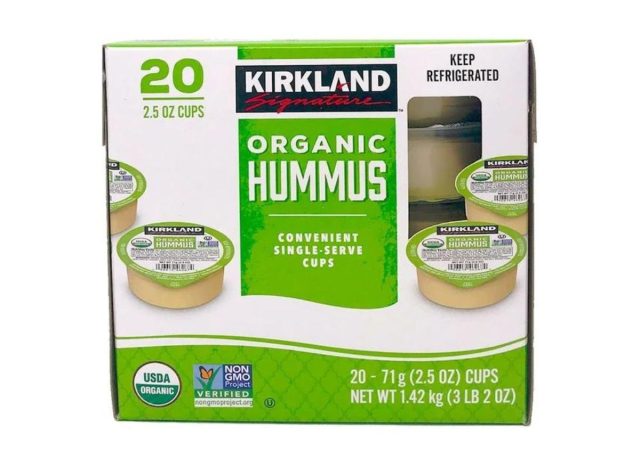
For healthy snacking, Collingwood recommends Kirkland Signature Organic Hummus paired with vegetables and whole grains, along with other high-fiber snack options available at Costco. Hummus, made from chickpeas, is a good source of plant-based protein and dietary fiber, as well as healthy fats from tahini and olive oil. When paired with nutrient-dense vegetables like carrots, bell peppers, or cucumber slices, it creates a satisfying and balanced snack that helps manage hunger between meals. Costco’s bulk hummus containers provide excellent value, and the warehouse often stocks a variety of high-fiber crackers or whole-grain pita breads that complement it perfectly, further enhancing satiety and digestive health.
8. Low-Sugar Sparkling Tonic Drinks:
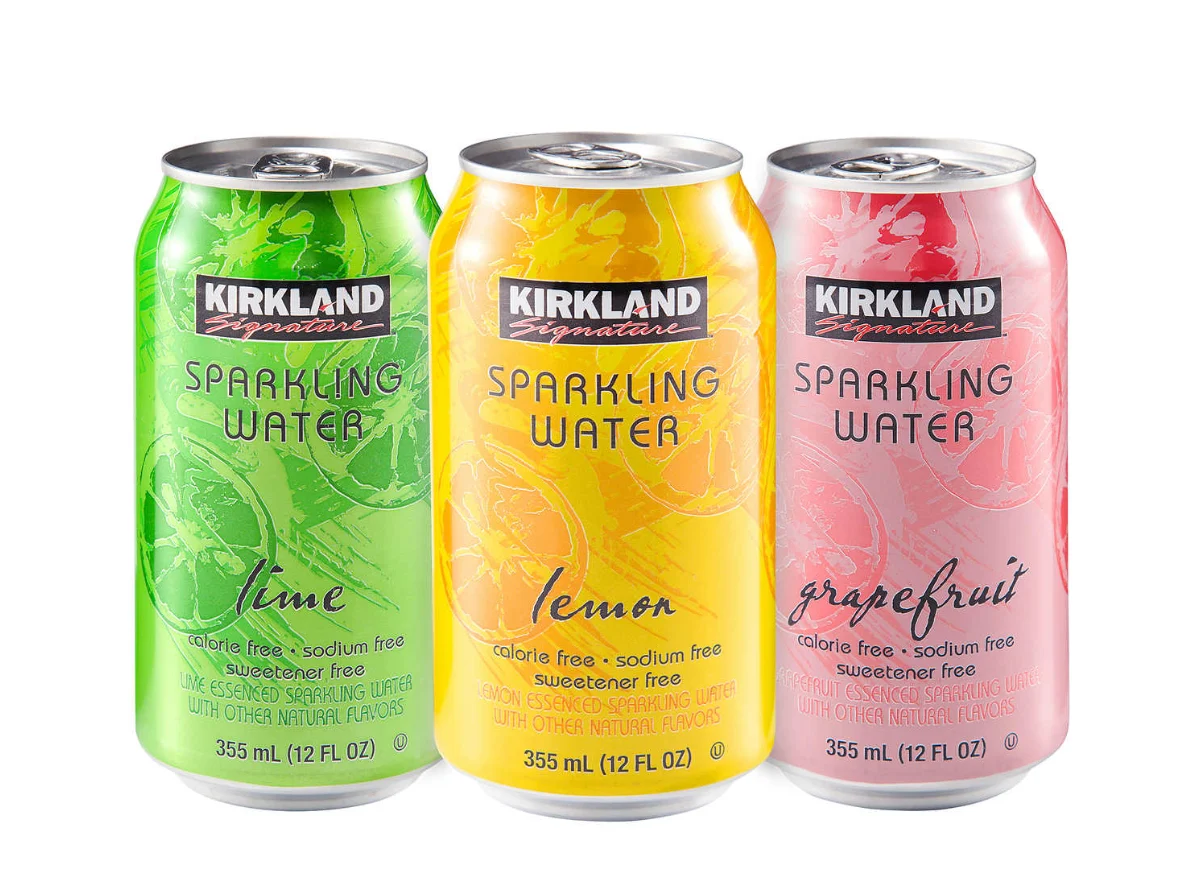
Collingwood suggests Low-Sugar Sparkling Tonic Drinks as a healthier alternative to sugary beverages. These drinks can be used to create low-sugar mocktails or simply as flavored water. Sugary drinks are a major contributor to excess calorie intake and weight gain, offering little to no nutritional value. By opting for low-sugar or sugar-free sparkling options, individuals can enjoy a refreshing and flavorful drink without the detrimental effects of added sugars, supporting hydration and caloric control. Costco frequently offers large packs of these beverages, including its Kirkland Signature brand, at a fraction of the cost found in convenience stores or smaller retail outlets.
9. Kirkland Signature Almond Flour & Hemp Hearts:
For home baking and boosting nutritional content, Kirkland Signature Almond Flour and Hemp Hearts are excellent choices. Almond flour provides a gluten-free, lower-carbohydrate alternative to traditional wheat flour, rich in protein, fiber, and healthy monounsaturated fats. This makes it ideal for creating more nutrient-dense baked goods or as a coating for lean proteins. Hemp hearts are a powerhouse of plant-based protein, omega-3 and omega-6 fatty acids in a beneficial ratio, and various minerals. They can be easily sprinkled into smoothies, oatmeal, salads, or yogurt to significantly enhance the nutritional profile of meals. Buying these specialty ingredients in bulk from Costco makes them more economically viable for regular use in a health-focused kitchen.
10. Greens & Produce:
A cornerstone of any weight loss diet, Greens and Produce are consistently priced well below retail at Costco. Collingwood emphasizes that pre-washed leafy greens and bulk produce make it effortless to adhere to dietary guidelines of filling half one’s plate with nutrient-dense, low-calorie foods. Items like spinach, mixed greens, broccoli, and bell peppers are rich in vitamins, minerals, and fiber while being low in calories. The sheer volume and competitive pricing at Costco encourage greater consumption of vegetables, which is often a challenge for many individuals. Strategies like portioning and freezing excess produce can help manage the larger quantities, ensuring minimal waste and maximizing nutritional intake throughout the week.
11. Healthy Pantry Staples (Quinoa, Beans, Grains):
Finally, Collingwood recommends stocking up on healthy pantry staples such as quinoa, beans, and other whole grains. These fiber-rich whole grains and legumes are instrumental in keeping hunger at bay and supporting plant-forward eating patterns. Quinoa is a complete protein, offering all nine essential amino acids, along with fiber and various micronutrients. Beans and lentils are economical sources of plant protein and dietary fiber, contributing to satiety and stable blood sugar levels. These staples are incredibly versatile, forming the base for countless healthy meals, from salads and soups to stews and side dishes. Purchasing them in bulk at Costco ensures a cost-effective and readily available supply for consistent healthy meal preparation.
The Costco Advantage: A Strategic Approach to Wellness and Savings
Costco’s operational model is inherently designed to facilitate budget-friendly healthy eating. By offering products in larger quantities, it provides economies of scale that translate into lower unit costs for consumers. The Kirkland Signature brand, Costco’s private label, consistently delivers high-quality products, including many organic and health-conscious options, at significantly lower prices than national brands. This private label strategy allows Costco to control quality and cost, passing those savings directly to its members.
The membership model, while an initial investment, effectively pays for itself through these substantial savings, particularly for households committed to buying healthy groceries in bulk. This model encourages planned shopping and bulk purchasing, which can reduce frequent trips to smaller, more expensive stores, saving time and transportation costs. However, it also necessitates thoughtful planning regarding storage space and consumption rates to minimize waste, especially for perishable items. Many savvy shoppers mitigate this by engaging in meal prepping, freezing appropriate items, or splitting bulk purchases with friends and family.
Broader Implications: Public Health and Retail Dynamics
The accessibility of affordable, healthy food options at retailers like Costco carries significant public health implications. By making nutritious choices more attainable, it supports efforts to combat rising rates of obesity, diabetes, and other diet-related chronic diseases. When individuals can afford to incorporate more fruits, vegetables, lean proteins, and whole grains into their diets, the overall health profile of communities improves. This aligns with governmental and public health organization recommendations for healthier eating patterns.
Furthermore, Costco’s success in this niche influences the broader retail landscape. As consumers increasingly demand value and health, other grocery chains are pressured to adapt, either by offering more competitive pricing on healthy staples or by developing their own private label health-focused lines. This competitive environment ultimately benefits consumers by expanding options and potentially lowering costs across the board. The emphasis on organic and sustainably sourced products at Costco also reflects and reinforces a growing consumer preference for ethical and environmentally conscious food choices, impacting supply chains and agricultural practices.
In conclusion, for those targeting weight loss and enhanced well-being in 2026, Costco, guided by expert recommendations like those from Tara Collingwood, offers a compelling and practical solution. Its unique blend of bulk savings, diverse healthy product offerings, and the quality assurance of its Kirkland Signature brand positions it as an invaluable partner in achieving sustainable health goals. By strategically leveraging Costco’s offerings, consumers can effectively manage their dietary intake and budgets, proving that eating well and losing weight need not be an exclusive or expensive endeavor.
