








The culinary landscape continues to evolve, driven by a growing awareness of dietary needs and health-conscious consumer choices. Among the most notable innovations in recent years is the increasing prominence of grain-free alternatives to traditional staples. A compelling example of this trend is the grain-free granola, a recipe that has transcended its niche origins to become a versatile and highly sought-after dietary solution. Initially conceived from a personal health imperative, this oat-free granola offers a sweet, nutty crunch that rivals its conventional counterparts, providing an irresistible option for those navigating specific dietary restrictions or simply seeking healthier alternatives.
The genesis of this particular grain-free granola recipe lies in a common, yet challenging, health condition: gestational diabetes. The creator, Kathryne Taylor of Cookie and Kate, shared her personal journey, revealing that she was "perplexed by the concept" of grain-free granola, having been a long-time advocate for oats and whole grains. However, the necessity to become more carbohydrate-conscious during her pregnancy to manage blood sugar levels, a direct consequence of gestational diabetes, prompted her exploration into alternative food preparations. This personal exigency transformed a dietary challenge into a culinary opportunity, leading to the adaptation and popularization of an oat-free granola that subsequently became a staple in her kitchen.
Gestational diabetes (GD) is a form of diabetes that develops during pregnancy in women who have not had diabetes before. It affects an estimated 2% to 10% of pregnancies in the United States annually, according to the Centers for Disease Control and Prevention (CDC). Managing GD typically involves dietary modifications, regular exercise, and, in some cases, medication to keep blood sugar levels within a healthy range, thereby reducing risks to both mother and baby. High blood sugar during pregnancy can lead to complications such as preeclampsia, premature birth, and larger-than-average babies, increasing the likelihood of C-sections. For the infant, it can also increase the risk of developing type 2 diabetes later in life. Therefore, dietary adjustments, particularly focusing on carbohydrate intake, become paramount.
In her quest for satisfying yet carb-conscious breakfast and snack options, Taylor discovered an original grain-free granola recipe in "Real Food for Pregnancy," a book authored by dietitian Lily Nichols. Nichols is recognized for her evidence-based approach to prenatal nutrition, emphasizing nutrient-dense, real food diets to support healthy pregnancies. This foundational recipe provided the inspiration for Taylor’s adapted version, which she then shared with a wider audience, demonstrating how personal health challenges can often spark creative and impactful culinary solutions. The development of such recipes underscores a broader movement towards food as medicine and personalized nutrition, where individuals tailor their diets to specific physiological needs.
The appeal of grain-free granola extends far beyond those managing gestational diabetes. It caters to a growing segment of the population adhering to various grain-free, low-carb, or paleo diets. The global grain-free products market, encompassing a wide range of food items, has been experiencing robust growth. Reports indicate that this market is projected to reach several billion dollars in valuation by the end of the decade, driven by increasing consumer awareness of digestive health, weight management, and specific food intolerances like gluten sensitivity or celiac disease. While oats are naturally gluten-free, cross-contamination during processing can be a concern for highly sensitive individuals, making a completely oat-free option particularly appealing.
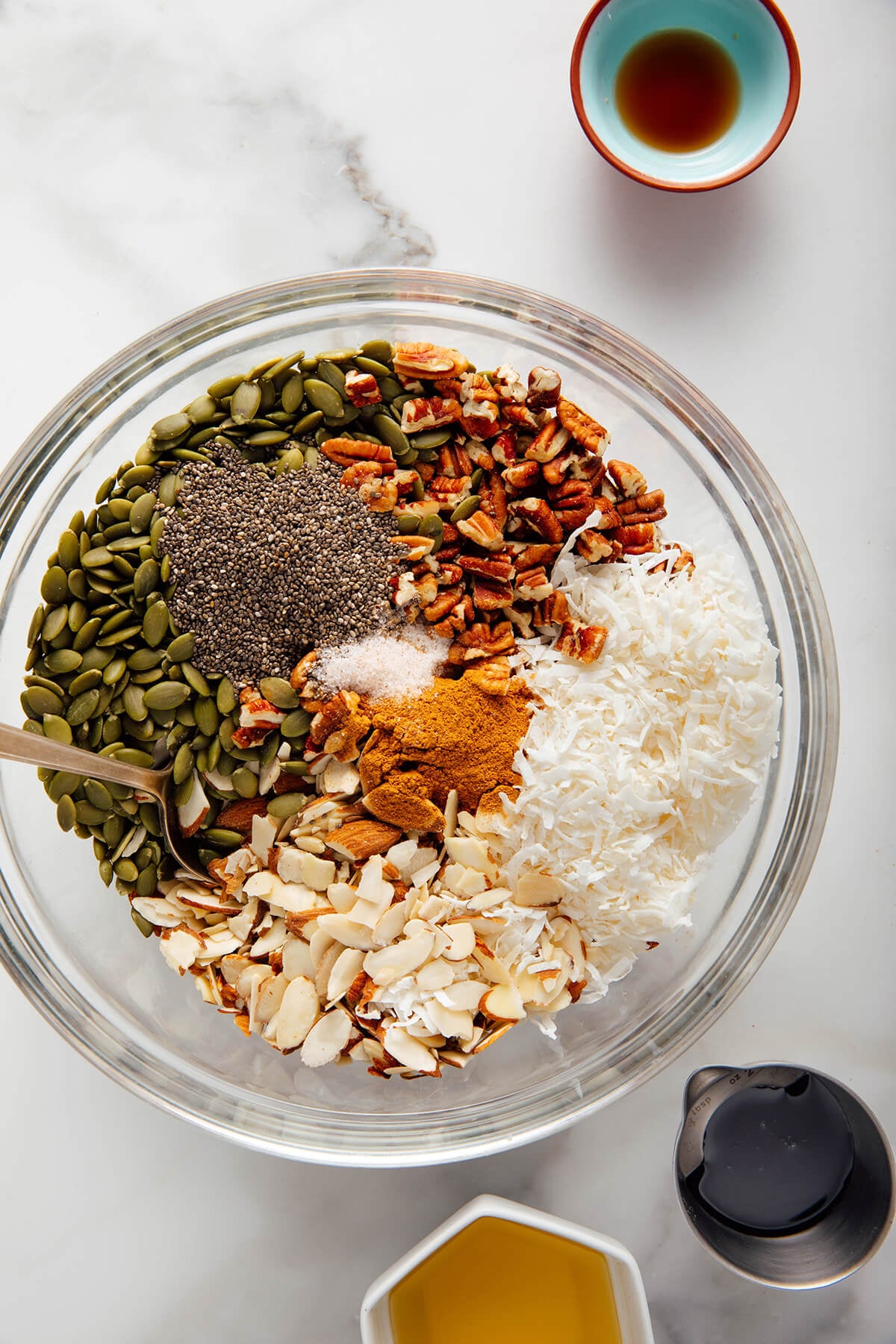
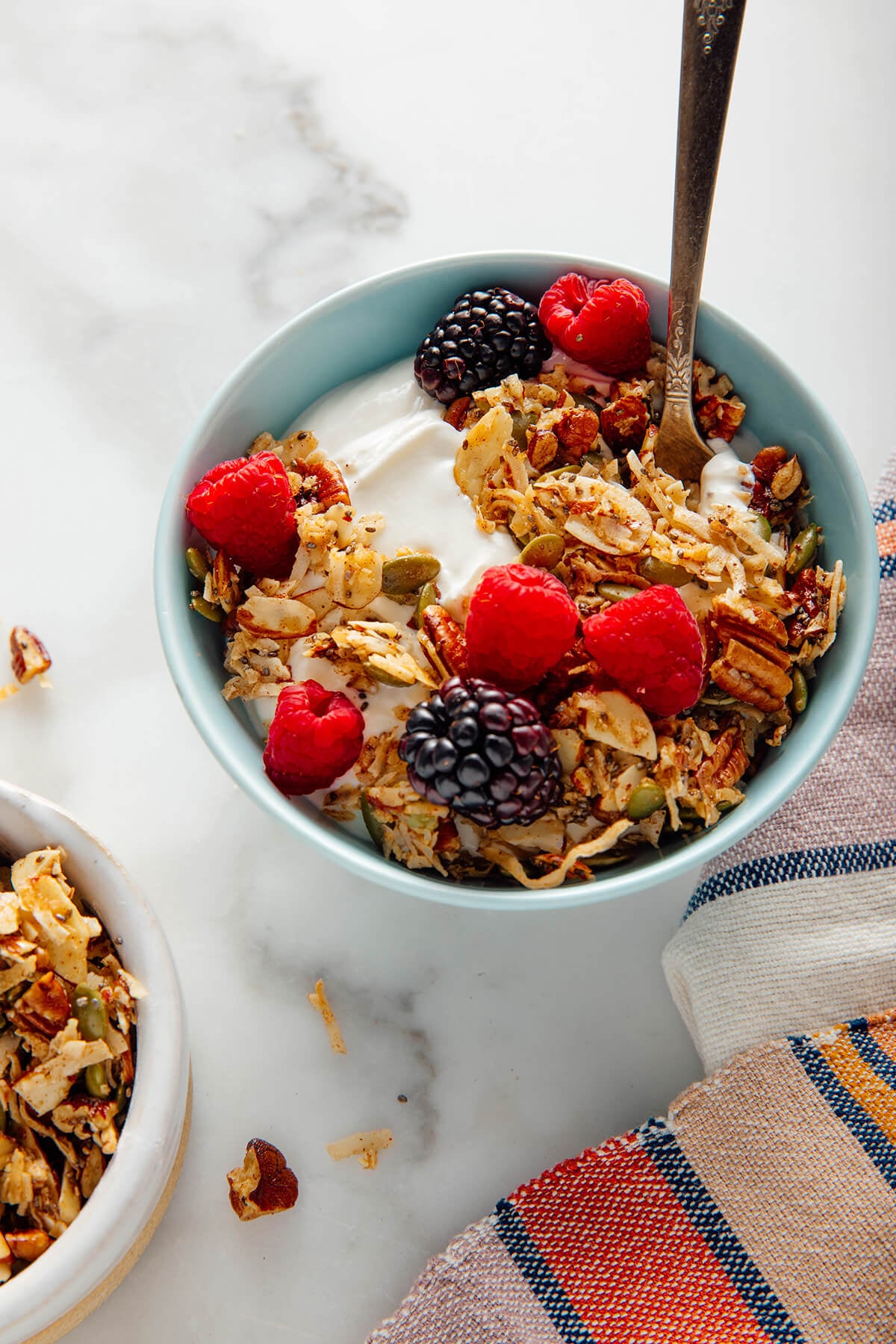
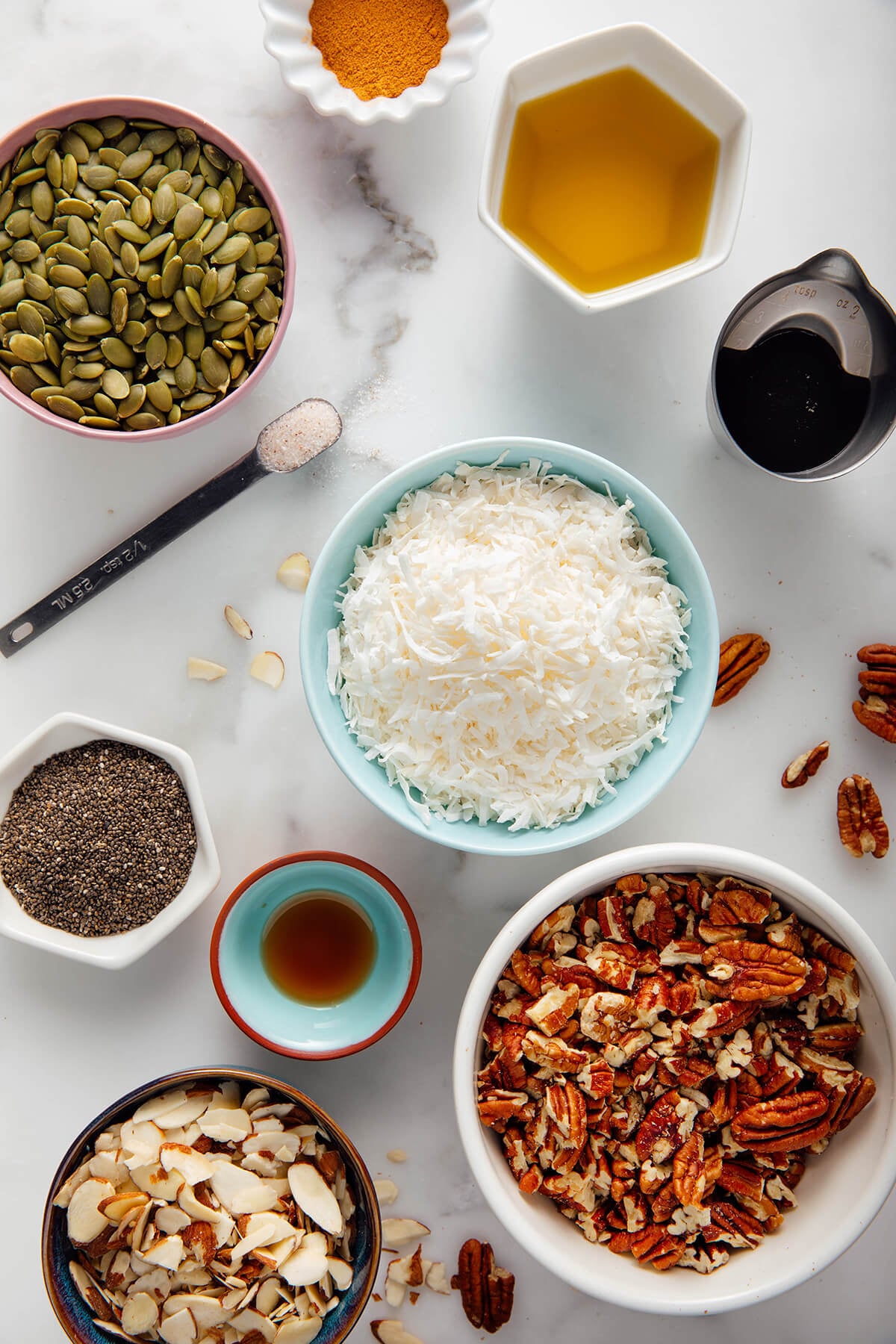
From a nutritional standpoint, grain-free granola often replaces traditional oats with a diverse blend of nuts and seeds. Common ingredients include almonds, pecans, walnuts, pepitas (pumpkin seeds), sunflower seeds, and shredded coconut. These components are rich in healthy fats, particularly monounsaturated and polyunsaturated fats, which are beneficial for heart health and can help manage cholesterol levels. They are also excellent sources of dietary fiber, promoting digestive health and contributing to satiety, which can be advantageous for blood sugar control and weight management. Furthermore, nuts and seeds provide essential micronutrients such as magnesium, zinc, selenium, and vitamin E, vital for various bodily functions including immune support and antioxidant protection.
The adaptability of grain-free granola recipes is another factor contributing to its widespread adoption. Taylor’s version, for instance, highlights various substitution and flavoring options, allowing individuals to customize the granola based on pantry availability, taste preferences, or specific dietary needs. Nut options can be interchanged, with recommendations to chop larger nuts for consistent texture. Coconut content can be adjusted, or even replaced, for those who dislike it, while finely shredded coconut is suggested for its "nice, light texture." The inclusion of chia or flax seeds offers an additional nutritional boost, providing omega-3 fatty acids and extra fiber. Flavor profiles can also be diversified, from the simple elegance of cinnamon to autumnal variations using pumpkin spice blend, showcasing the recipe’s versatility for year-round enjoyment.
The implications of such accessible and adaptable recipes are significant for public health and the food industry. For individuals diagnosed with conditions requiring strict dietary adherence, such as gestational diabetes, celiac disease, or non-celiac gluten sensitivity, homemade grain-free options empower them to take control of their nutrition without sacrificing flavor or variety. This autonomy can lead to better adherence to dietary recommendations, improved health outcomes, and a greater sense of well-being. Moreover, the emphasis on whole, unprocessed ingredients aligns with broader public health recommendations for reducing reliance on highly processed foods.
For the food industry, the success of recipes like grain-free granola signals a continued demand for innovative, health-focused products. Manufacturers are increasingly investing in research and development to create grain-free, gluten-free, and low-carb alternatives that cater to evolving consumer preferences. This includes expanding product lines to offer ready-to-eat grain-free granolas, baking mixes, and other specialty items. The market is also seeing a rise in transparent labeling and ingredient sourcing, as consumers become more discerning about what they consume.
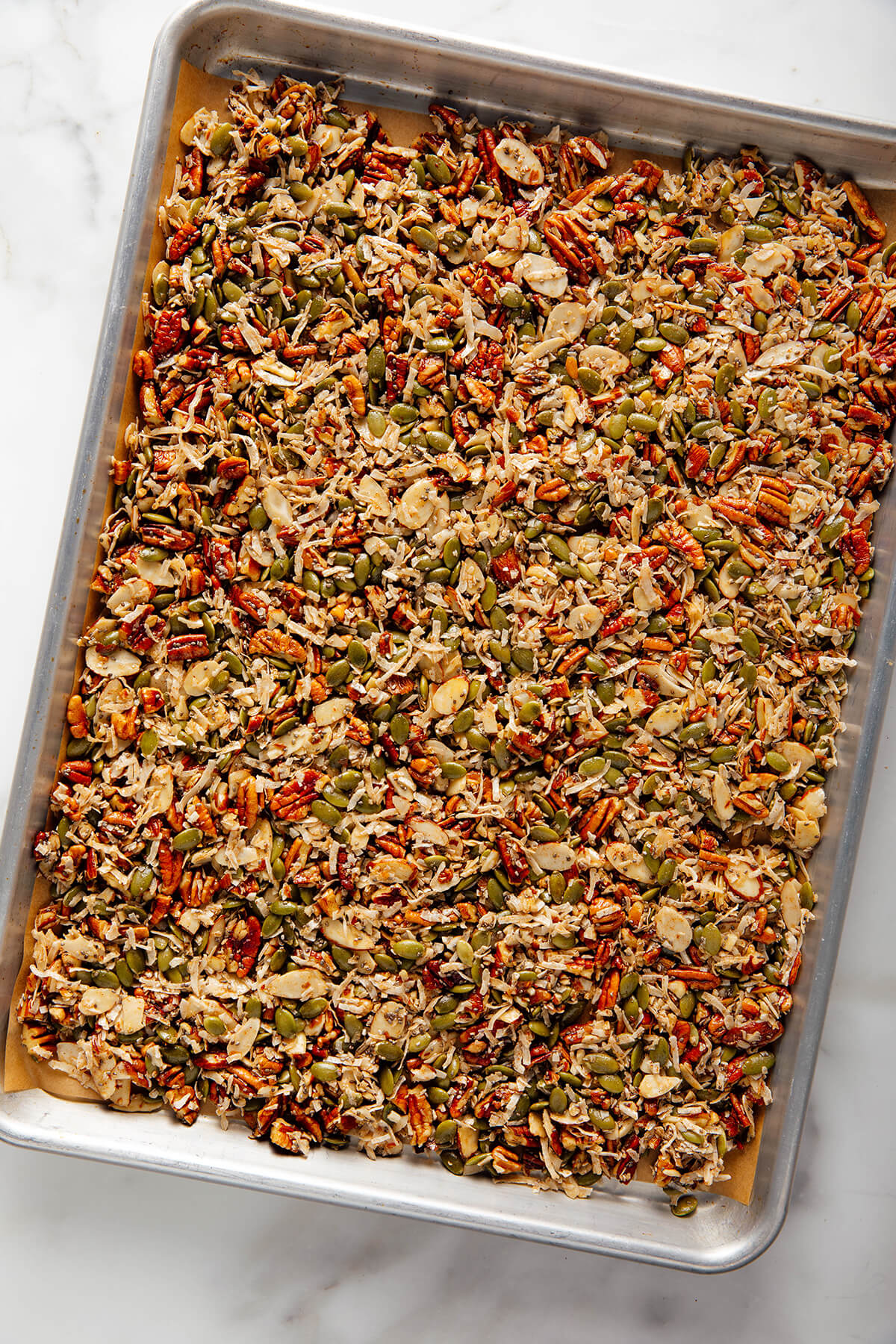
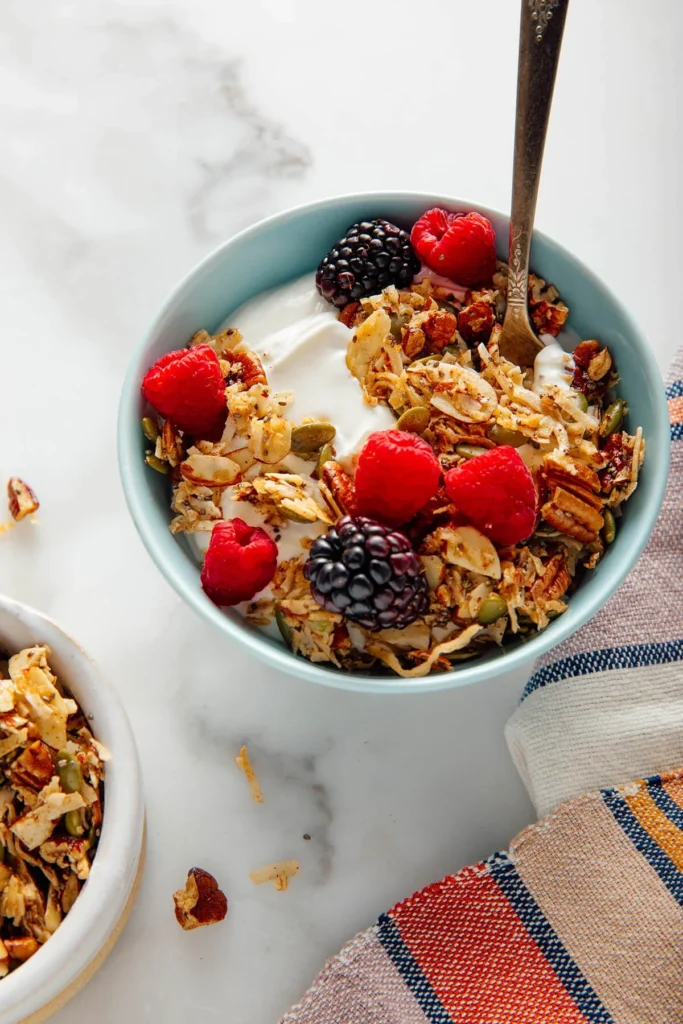
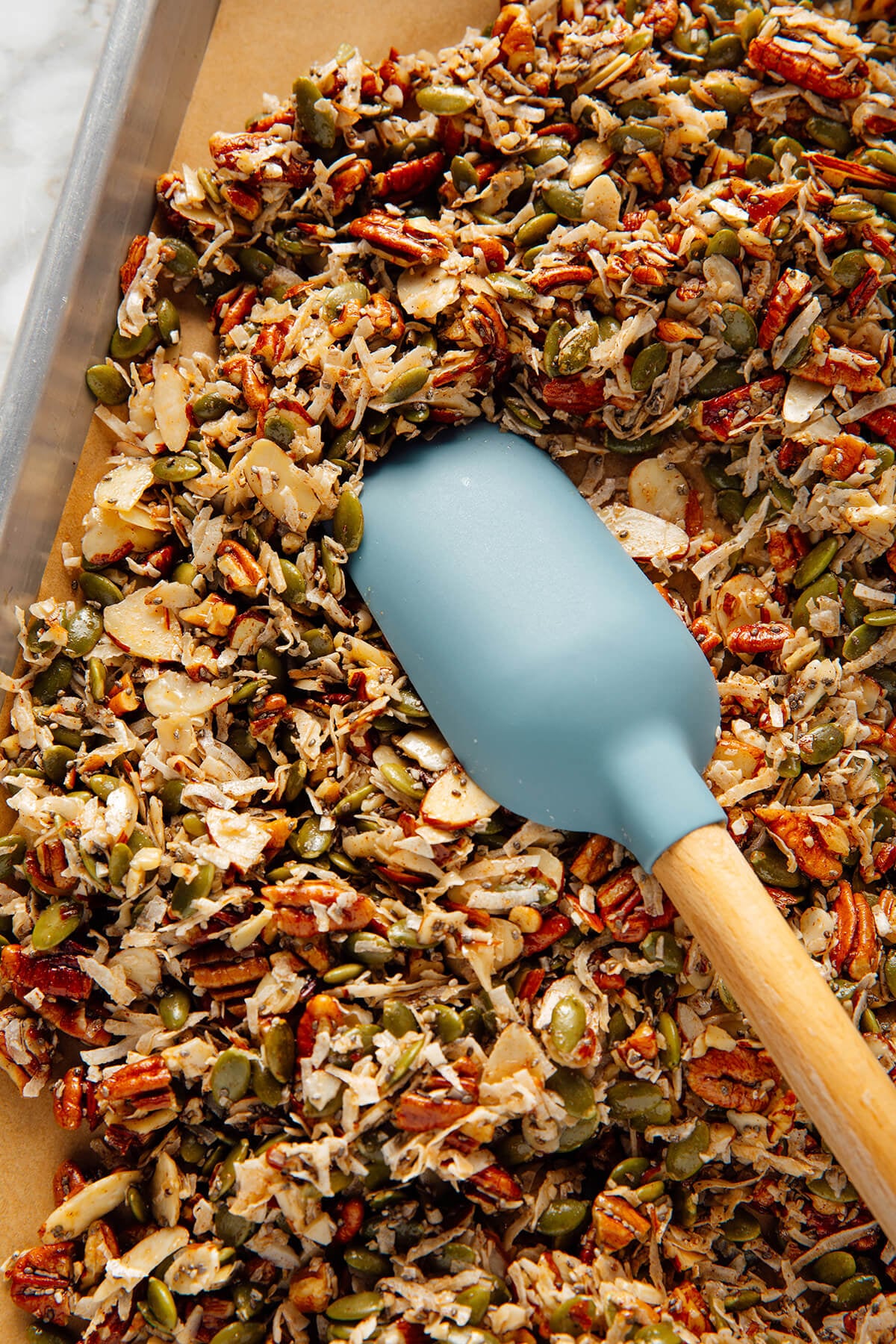
Serving suggestions for grain-free granola are as varied as its ingredients. It serves as an excellent topping for Greek yogurt, adding a crucial "big dose of nutty texture" and enhancing the nutritional profile with probiotics and protein. It can also be sprinkled over smoothie bowls, fresh fruit, or incorporated into parfaits. For a simple snack, it can be enjoyed by the handful. Its versatility ensures it can be integrated into diverse meal plans, from quick breakfasts to satisfying midday snacks. The recipe’s ability to form "small clumps" if cooled completely on the baking sheet adds to its textural appeal, mimicking the desirable clusters found in traditional granolas.
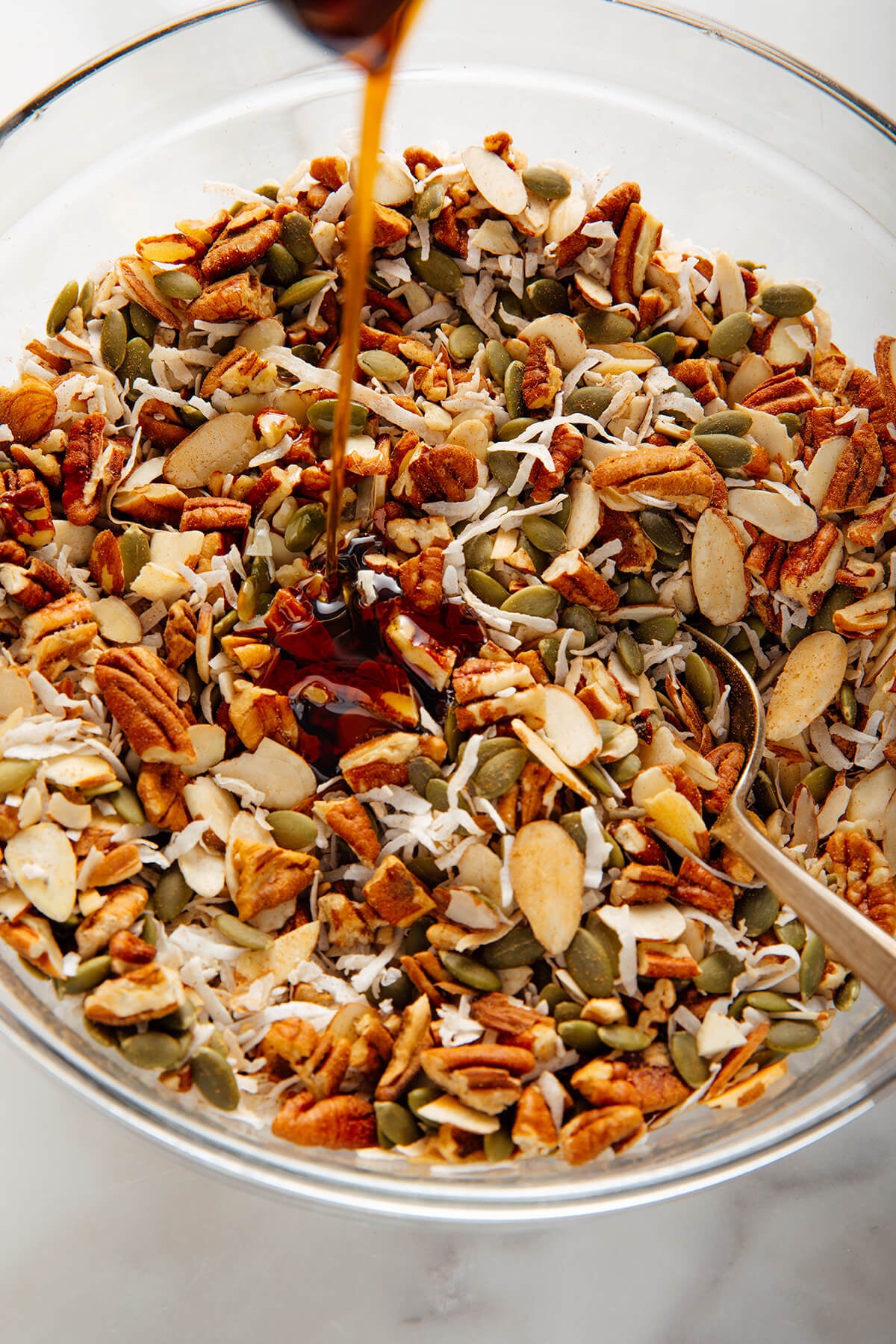
The process of making grain-free granola is also relatively straightforward, encouraging home cooks to embrace DIY food preparation. The tips provided, such as purchasing pre-chopped nuts to minimize preparation time and ensuring fresh ingredients to avoid rancid flavors, contribute to a positive cooking experience. The emphasis on allowing the granola to cool completely for clumping demonstrates attention to textural detail, a hallmark of artisanal food preparation.
In conclusion, the emergence and popularization of grain-free granola, exemplified by recipes like the one adapted by Kathryne Taylor, represent more than just a culinary trend. It reflects a deeper societal shift towards personalized nutrition, proactive health management, and a growing appreciation for whole, nutrient-dense foods. What began as a personal solution to manage gestational diabetes has blossomed into a widely embraced dietary staple, offering a delicious, adaptable, and health-conscious alternative for a diverse range of consumers. As dietary science continues to advance and consumer preferences evolve, the innovation in food preparation, particularly in areas like grain-free alternatives, will undoubtedly continue to shape our plates and our health.