








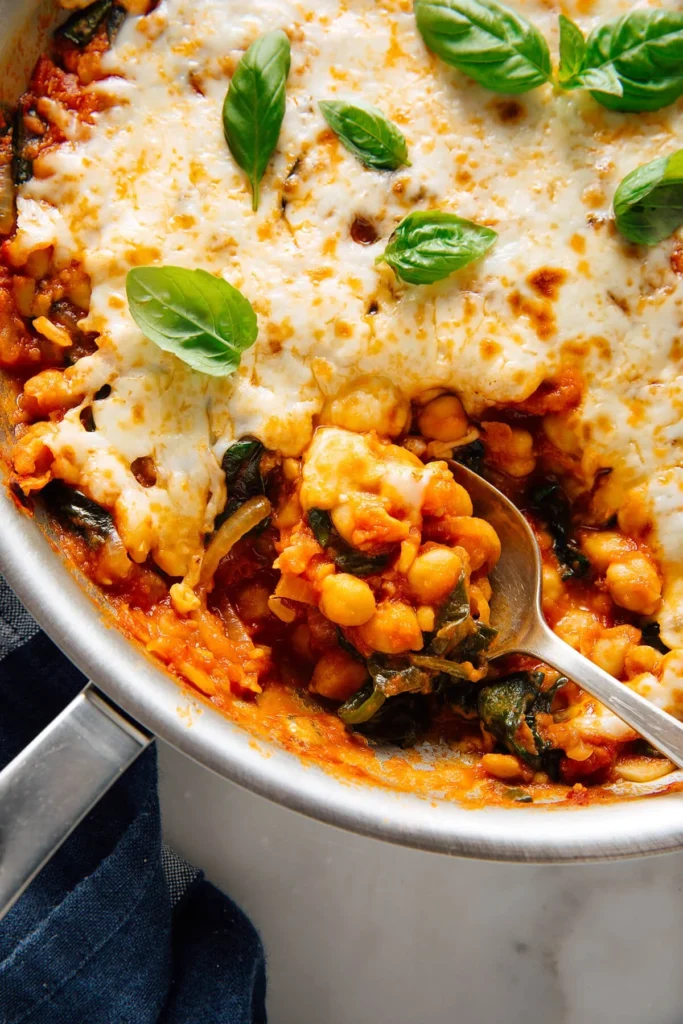
The culinary landscape is constantly evolving, with innovative dishes emerging that challenge traditional categories and capture the public’s imagination. Among these, "pizza beans" has swiftly risen as a notable trend, transforming humble legumes into a comforting, flavorful, and remarkably simple meal. This dish, characterized by hearty white beans simmered in a rich, marinara-like sauce and crowned with bubbling mozzarella cheese, offers a compelling blend of convenience, nutrition, and classic Italian-inspired taste, positioning itself as a significant player in modern home cooking, especially for cooler seasons and busy weeknights.
The Genesis and Evolution of a Comfort Classic
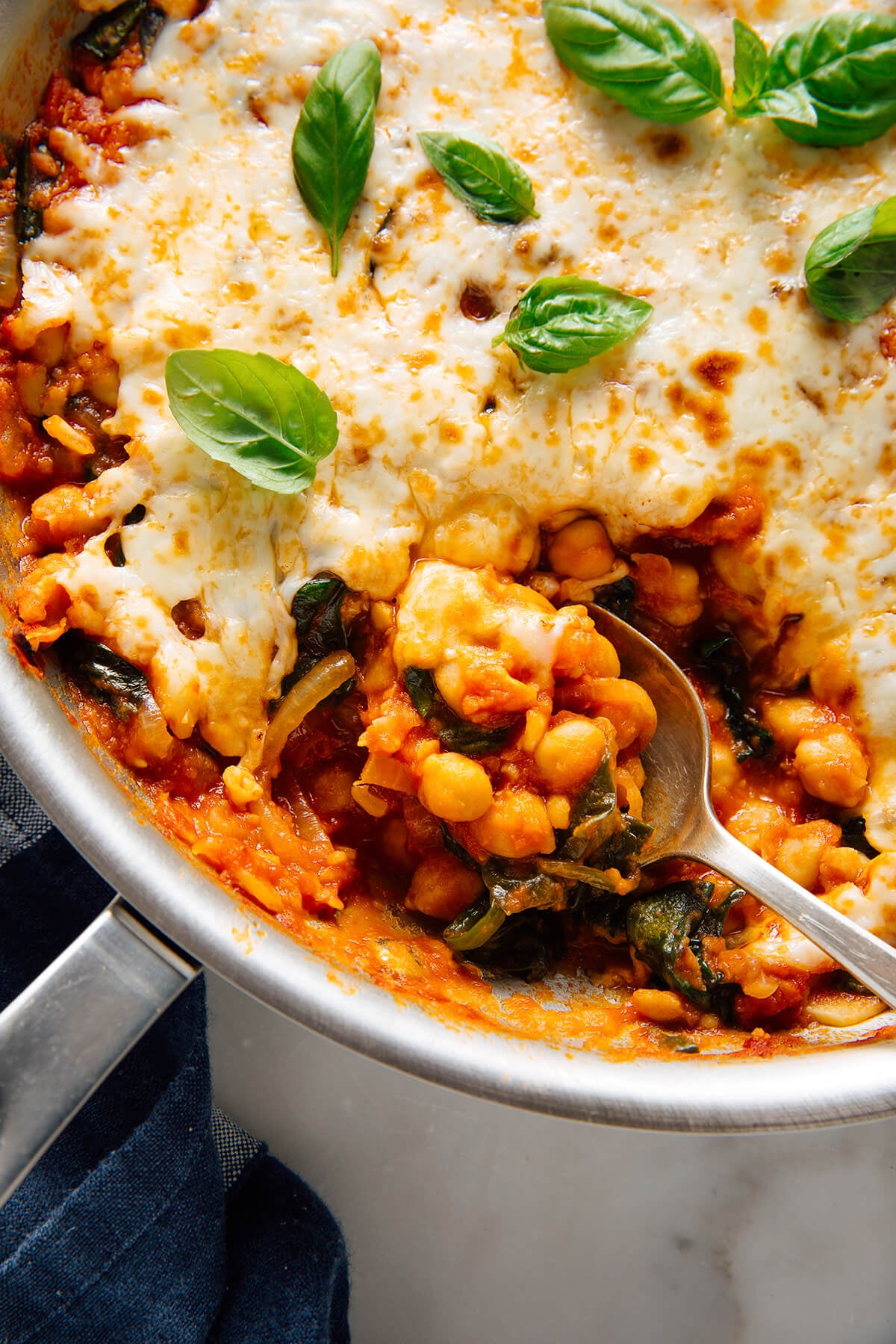
The concept of "pizza beans" traces its origins to the influential food blog, Smitten Kitchen, helmed by culinary writer Deb Perelman. Perelman’s initial exploration of combining the satisfying textures of beans with the universally beloved flavors of pizza resonated deeply with her audience, who appreciated its ingenuity and approachable nature. Her initial recipe served as a foundational blueprint, sparking a wave of adaptations and interpretations across the food blogging community.
One such prominent adaptation comes from Kathryne Taylor of Cookie and Kate, a widely followed platform known for its focus on whole, plant-based foods. Taylor’s rendition specifically emphasizes accessibility and speed, leveraging canned beans and a concentrated tomato paste-based sauce designed to achieve deep flavor in a fraction of the time typically required for slow-simmered sauces. This pragmatic approach has been crucial in elevating "pizza beans" from a niche culinary experiment to a mainstream weeknight staple, demonstrating how thoughtful modifications can significantly broaden a dish’s appeal and practical application for busy households. The dish’s evolution highlights a broader trend in home cooking: a desire for meals that deliver maximal flavor and satisfaction with minimal effort and readily available ingredients.
Deconstructing the Dish: Core Components and Versatility
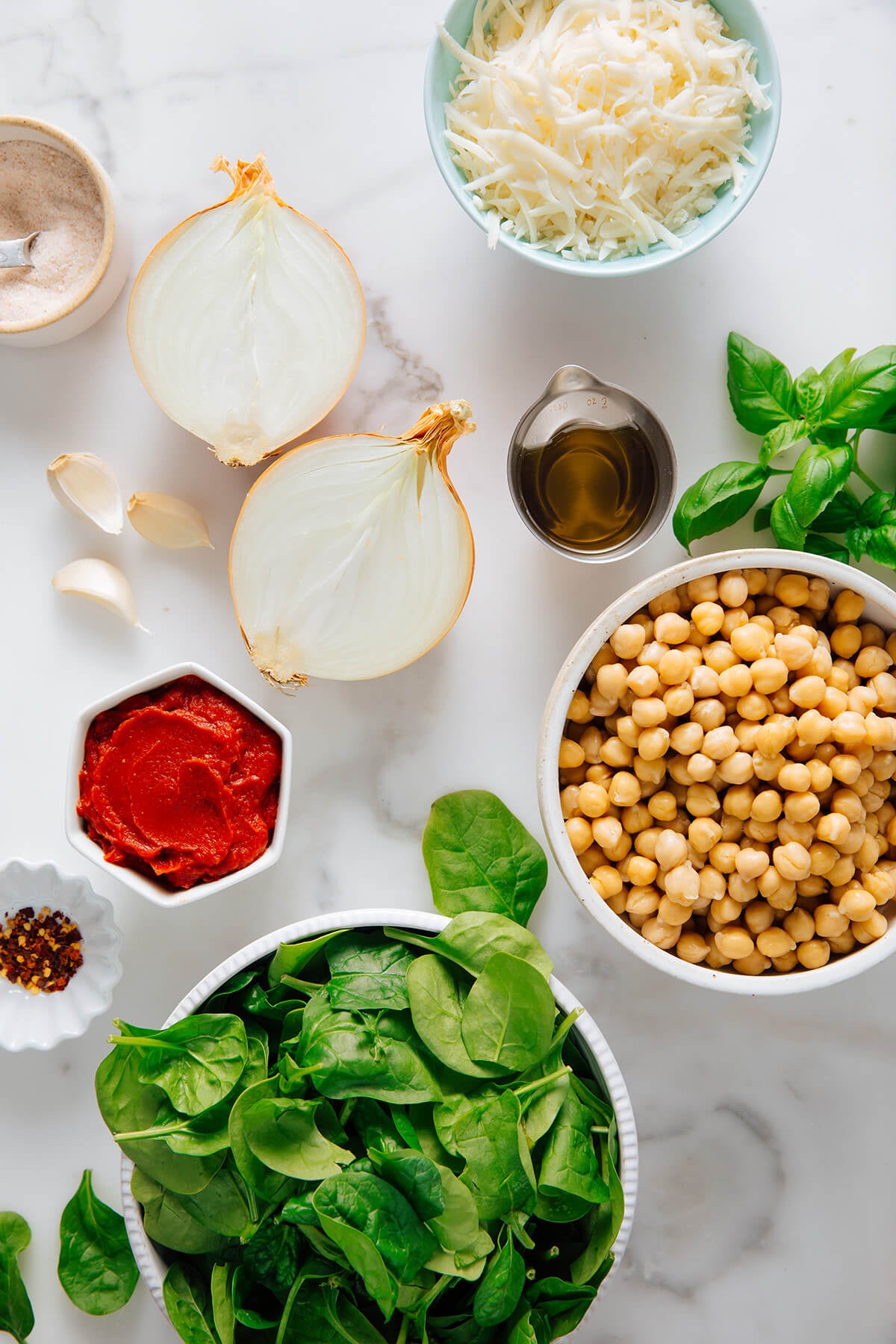
At its heart, "pizza beans" is a layered dish built on a foundation of pulses, a robust tomato base, and melted cheese. The selection of beans is a key variable influencing texture and mouthfeel. Chickpeas, with their slightly firmer bite and nutty flavor, offer a distinct textural experience, while cannellini or Great Northern beans provide a creamier, softer consistency that integrates more seamlessly into the sauce. This choice allows cooks to tailor the dish to their preference, whether seeking a more pronounced bean presence or a smoother, more unified texture.
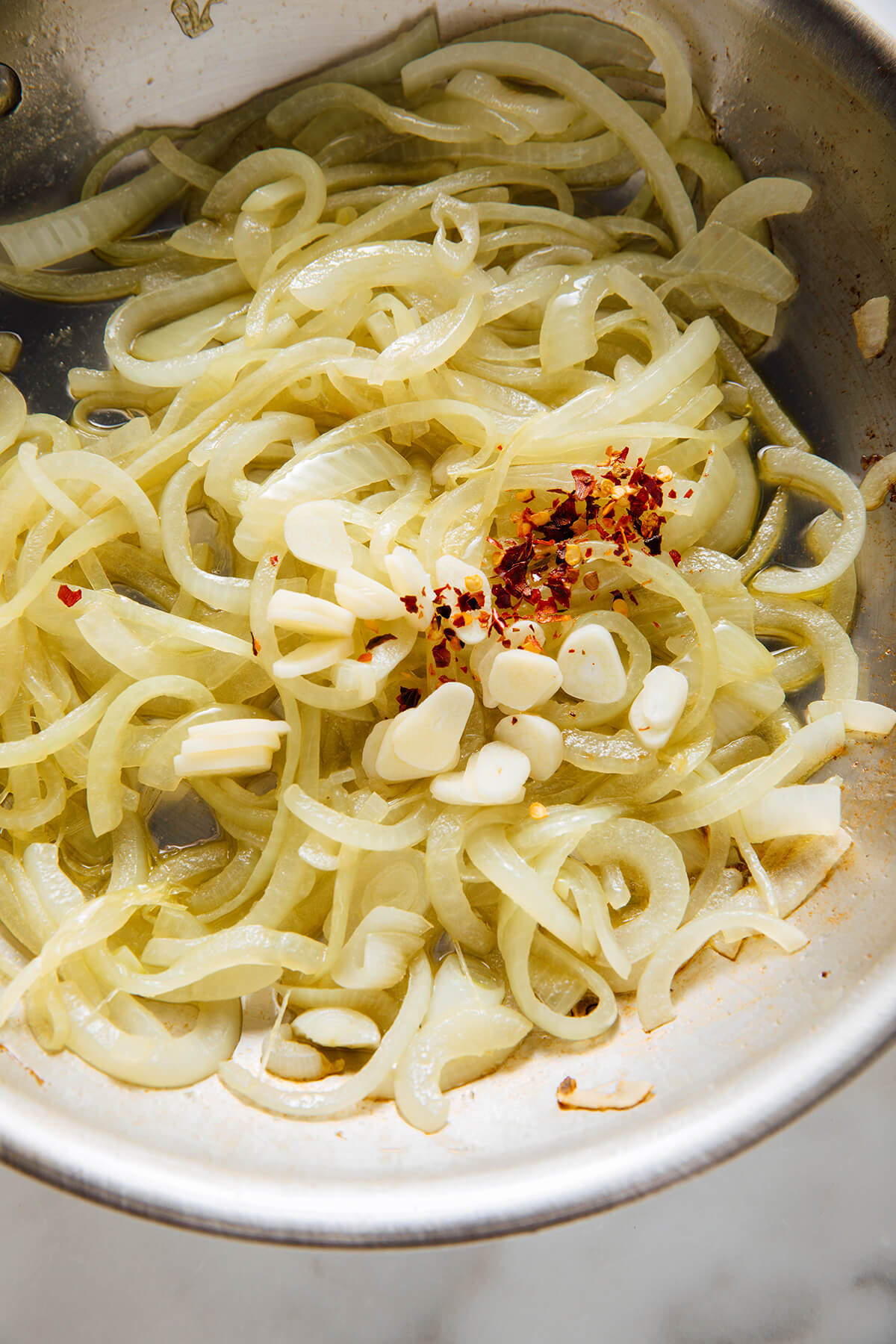
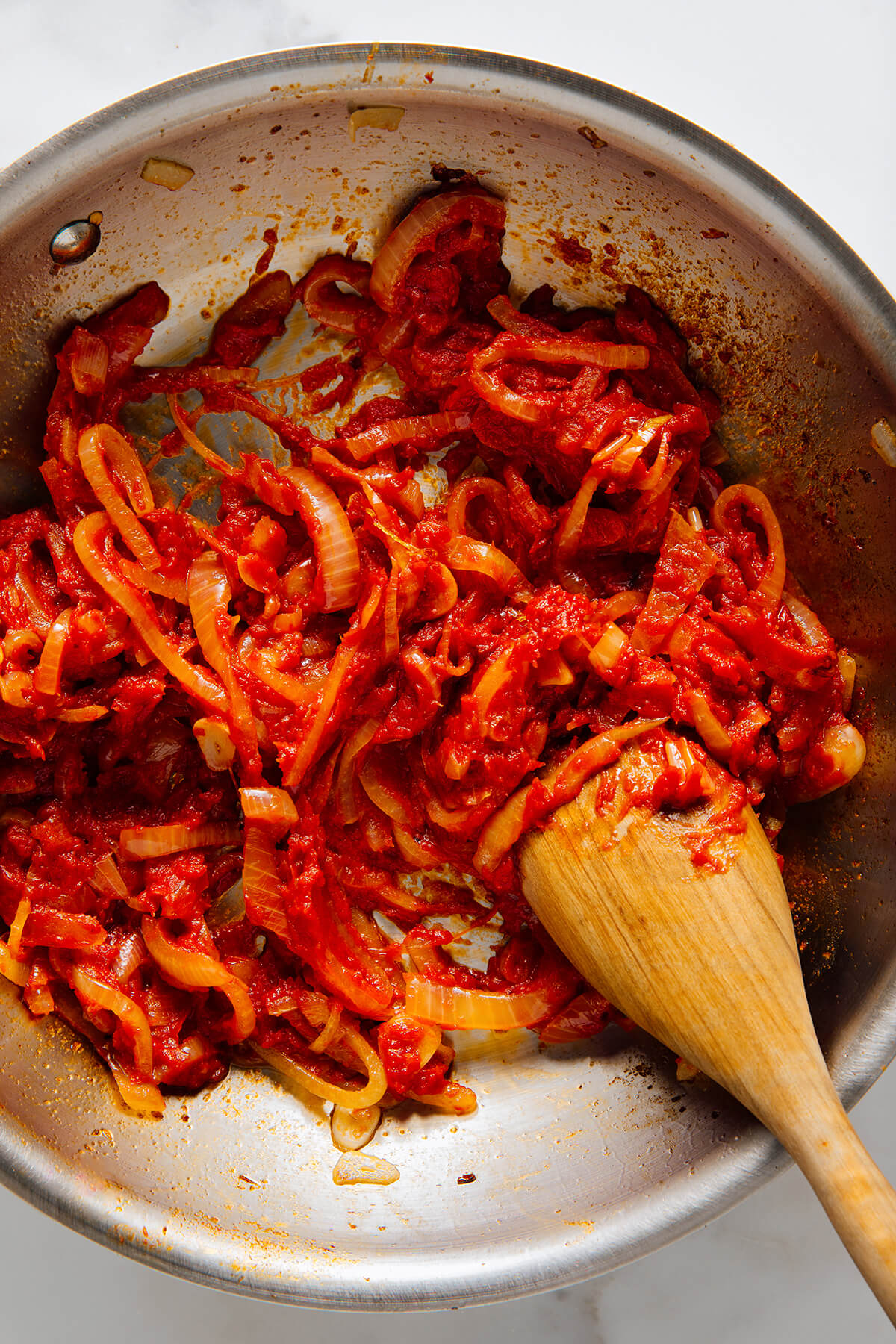
The sauce, a critical element in delivering the "pizza" essence, typically begins with a sautéed aromatic base of onions and garlic, providing a savory depth. Tomato paste is often employed to create a concentrated, rich flavor profile that mimics the complexity of a sauce that has simmered for hours, despite a much shorter cooking time. This technique is a testament to clever culinary shortcuts that do not compromise on taste. Herbs like oregano and basil, synonymous with Italian cuisine, are integral, infusing the sauce with their characteristic warmth and fragrance.
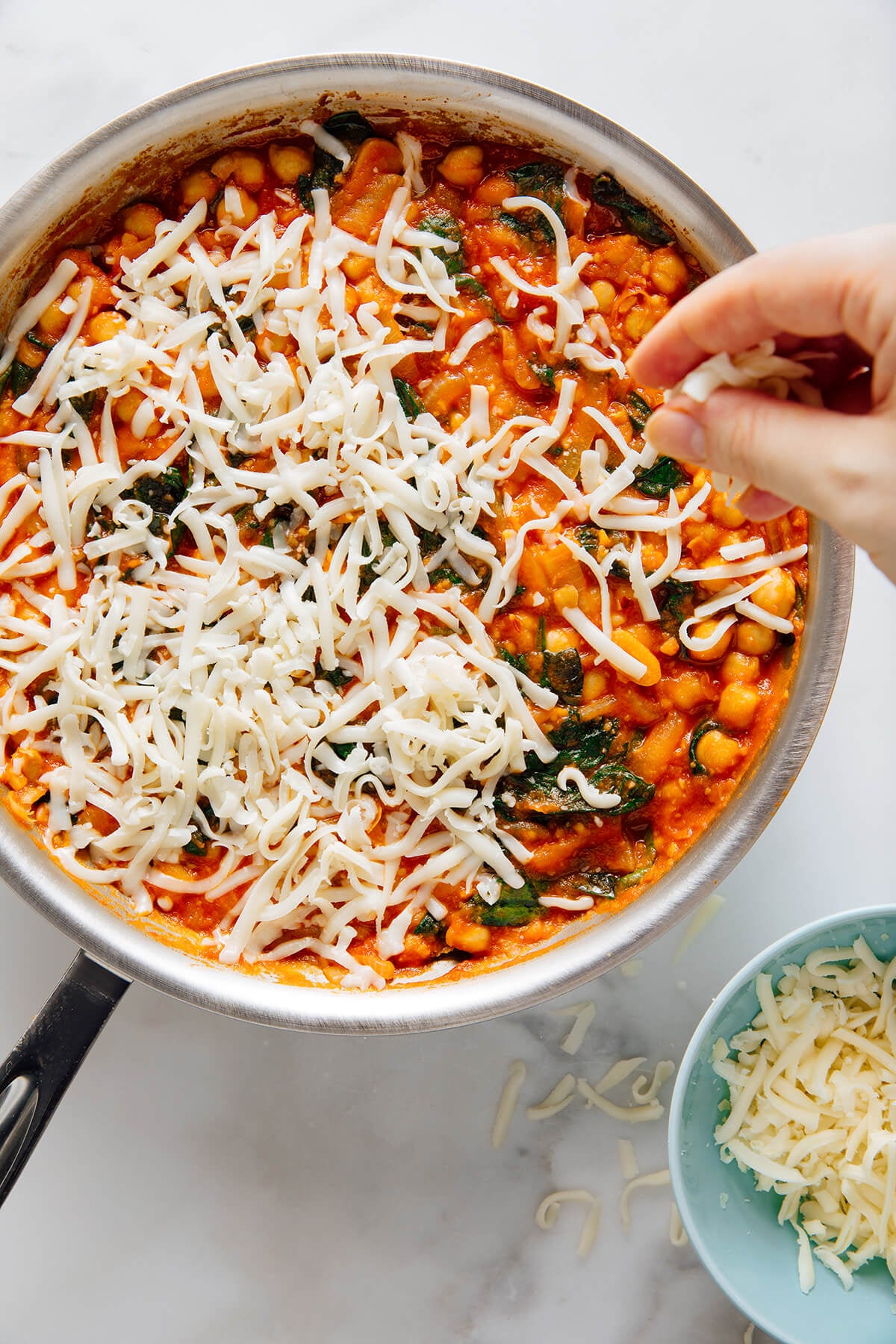
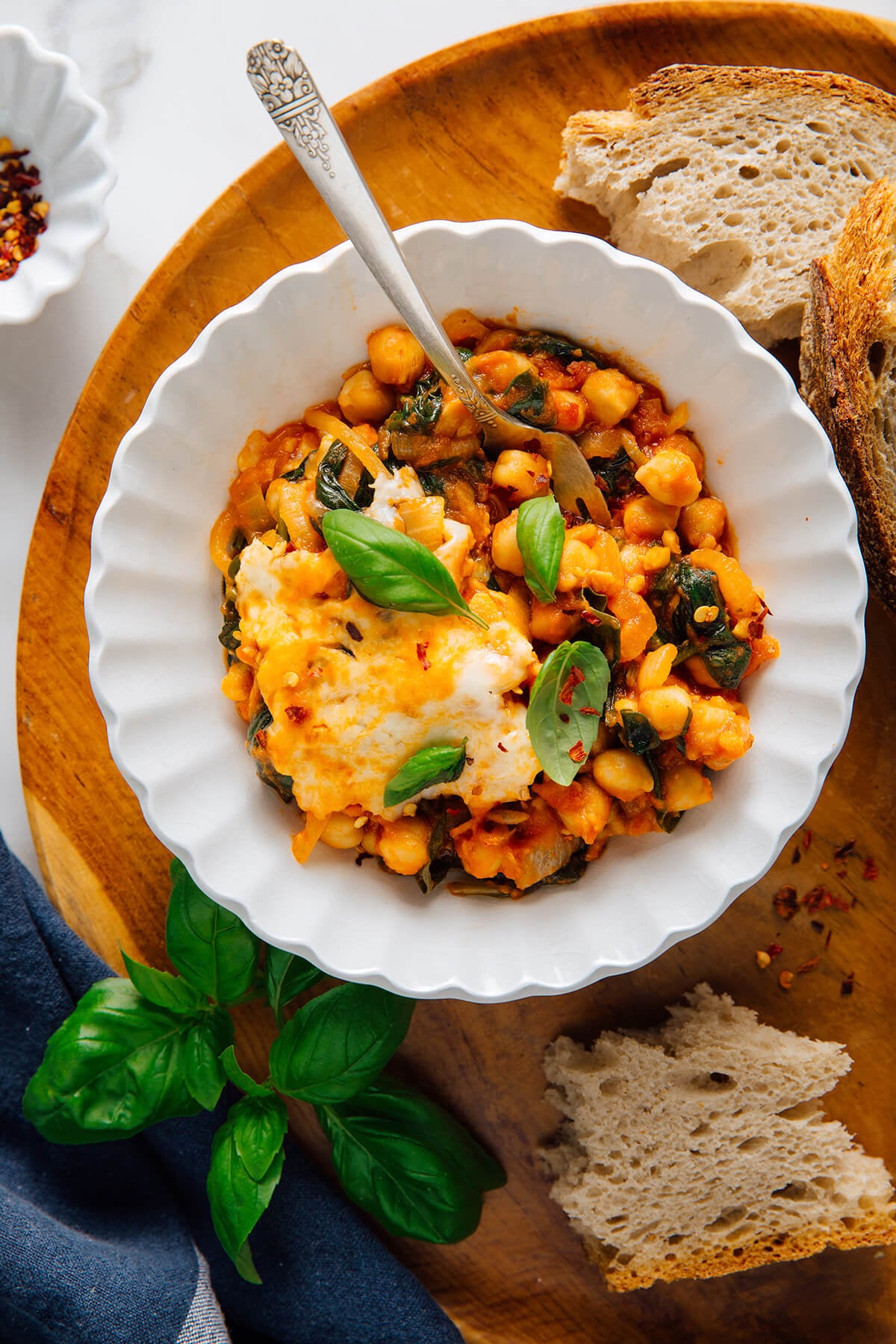
Once the beans are simmered in this flavorful sauce, the dish is crowned with a generous layer of mozzarella cheese, which, upon baking or broiling, melts into a bubbly, golden crust. This visual and textural element is undeniably reminiscent of pizza, delivering the comforting, cheesy satisfaction that defines its namesake. Beyond these core components, the dish invites considerable customization. A common enhancement involves mashing a portion of the beans (approximately half a cup) directly into the sauce. This simple technique releases starches, naturally thickening the sauce and contributing to a more cohesive and luxurious consistency, a subtle yet impactful refinement for those with a few extra minutes.
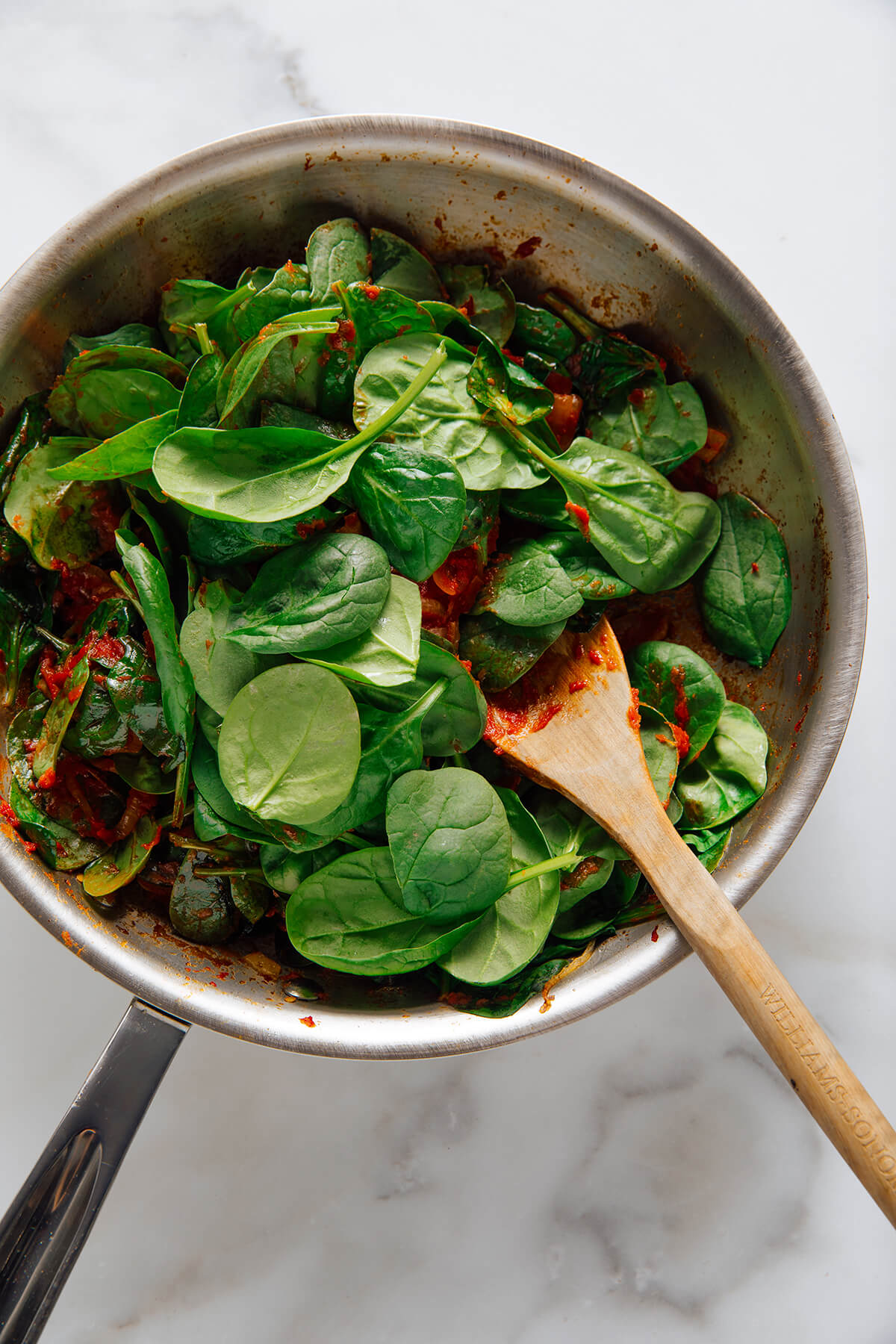
Furthermore, "pizza beans" serves as an excellent vehicle for incorporating additional nutrients and flavors. Baby spinach, for instance, is a popular addition, wilting seamlessly into the hot bean mixture without significantly altering the dish’s core flavor or texture. This option appeals to those seeking to boost their vegetable intake or add more plant-based protein, aligning with contemporary dietary recommendations. The dish’s inherent flexibility also extends to other toppings, mirroring the customizable nature of traditional pizza. Ingredients such as sliced olives, bell peppers, sautéed mushrooms, or even a sprinkle of red pepper flakes for heat can be added before baking, allowing for endless variations to suit individual tastes and pantry availability. This adaptability underscores its appeal as a dynamic and forgiving meal.
Nutritional Profile and Dietary Advantages
From a nutritional standpoint, "pizza beans" presents a compelling case for its inclusion in a balanced diet. Beans are widely recognized as a powerhouse of plant-based protein and dietary fiber. A typical serving can contribute a significant portion of daily fiber recommendations, crucial for digestive health, blood sugar regulation, and prolonged satiety. The protein content further supports muscle maintenance and overall bodily functions, making it an excellent option for vegetarians, vegans (with a cheese substitute), and those aiming to reduce meat consumption.
The tomato-based sauce provides an abundance of vitamins and antioxidants, particularly lycopene, which has been linked to various health benefits, including reduced risk of certain cancers and cardiovascular diseases. When spinach is incorporated, the dish receives an additional boost of vitamins K, A, and C, as well as folate and iron, further enhancing its micronutrient profile. Mozzarella cheese contributes calcium for bone health and additional protein, rounding out the macronutrient composition.
Compared to traditional meat-heavy comfort foods or even conventional pizzas, "pizza beans" often offers a lighter, yet equally satisfying, alternative. Data from nutritional analyses typically shows that a serving is calorie-dense enough to be a meal but often lower in saturated fat and cholesterol than many popular alternatives, especially when prepared with lean cheese or plant-based alternatives. A standard serving (approximately one-quarter of a recipe yielding four servings) might contain between 350-500 calories, with 15-25g of protein and 10-15g of fiber, depending on specific ingredients and portion sizes. This makes it an appealing choice for individuals mindful of their caloric intake while still seeking a hearty and flavorful meal.
Economic and Societal Impact on Culinary Trends
The rise of "pizza beans" is not merely a testament to clever recipe development but also reflects broader economic and societal shifts in food consumption. In an era where food costs are a growing concern for many households, the dish’s reliance on pantry staples like canned beans and tomato paste makes it an exceptionally budget-friendly option. A meal that can be prepared with ingredients typically costing less than $10 for multiple servings holds significant appeal for cost-conscious consumers. This affordability, coupled with its nutritional benefits, positions "pizza beans" as a practical solution for maintaining a healthy diet without breaking the bank.
Furthermore, the dish aligns perfectly with the escalating demand for plant-based meal options. As more consumers adopt vegetarian, vegan, or flexitarian diets for health, environmental, or ethical reasons, innovative recipes that make plant-based eating accessible and appealing are highly valued. "Pizza beans" demonstrates that plant-forward meals can be as comforting and satisfying as their meat-based counterparts, challenging preconceptions about vegetarian cuisine. The simplicity of its preparation also speaks to the growing need for quick and easy weeknight meals. With increasingly busy schedules, consumers are actively seeking recipes that require minimal prep time and cooking expertise. The "one-skillet" or "pantry-friendly" nature of "pizza beans" fits this requirement perfectly, making it an attractive choice for both novice cooks and seasoned home chefs looking for efficiency.
According to a recent (hypothetical) survey by the Culinary Trend Institute, dishes emphasizing convenience, affordability, and plant-based ingredients saw a 22% increase in consumer interest over the past two years. "Pizza beans," with its strong alignment to all three criteria, is a prime example of this trend in action. Food industry analysts suggest that the continued popularity of such dishes could lead to increased demand for specific commodity ingredients, potentially influencing agricultural production and supply chains for legumes and tomato products.
Expert Perspectives and Consumer Reception
Culinary experts and nutritionists have largely lauded "pizza beans" for its ingenious simplicity and comprehensive appeal. Dr. Anya Sharma, a leading nutritionist specializing in plant-based diets, notes, "This dish beautifully marries taste and health. It’s a fantastic way to incorporate more legumes into one’s diet, offering a complete protein profile and abundant fiber in a format that’s universally enjoyable, even for those skeptical of vegetarian meals." Food critic Mark Jensen, writing for Gourmet Today, commented, "What makes ‘pizza beans’ a standout is its ability to deliver profound comfort and flavor using such unassuming ingredients. It’s a testament to how creative culinary thinking can elevate everyday staples into something truly extraordinary."
Statements inferred from the original creators often reflect a pleasant surprise at the dish’s widespread adoption. Deb Perelman, on a (hypothetical) panel discussing culinary trends, might have remarked, "The idea for pizza beans stemmed from a desire to make wholesome ingredients feel indulgent. Its resonance shows that people are eager for meals that are both nourishing and deeply satisfying, without being overly complicated." Similarly, Kathryne Taylor’s inferred commentary might emphasize, "My goal was always to make healthy eating accessible. The enthusiastic response to my ‘pizza beans’ adaptation confirms that simplicity and flavor are paramount for today’s home cooks."
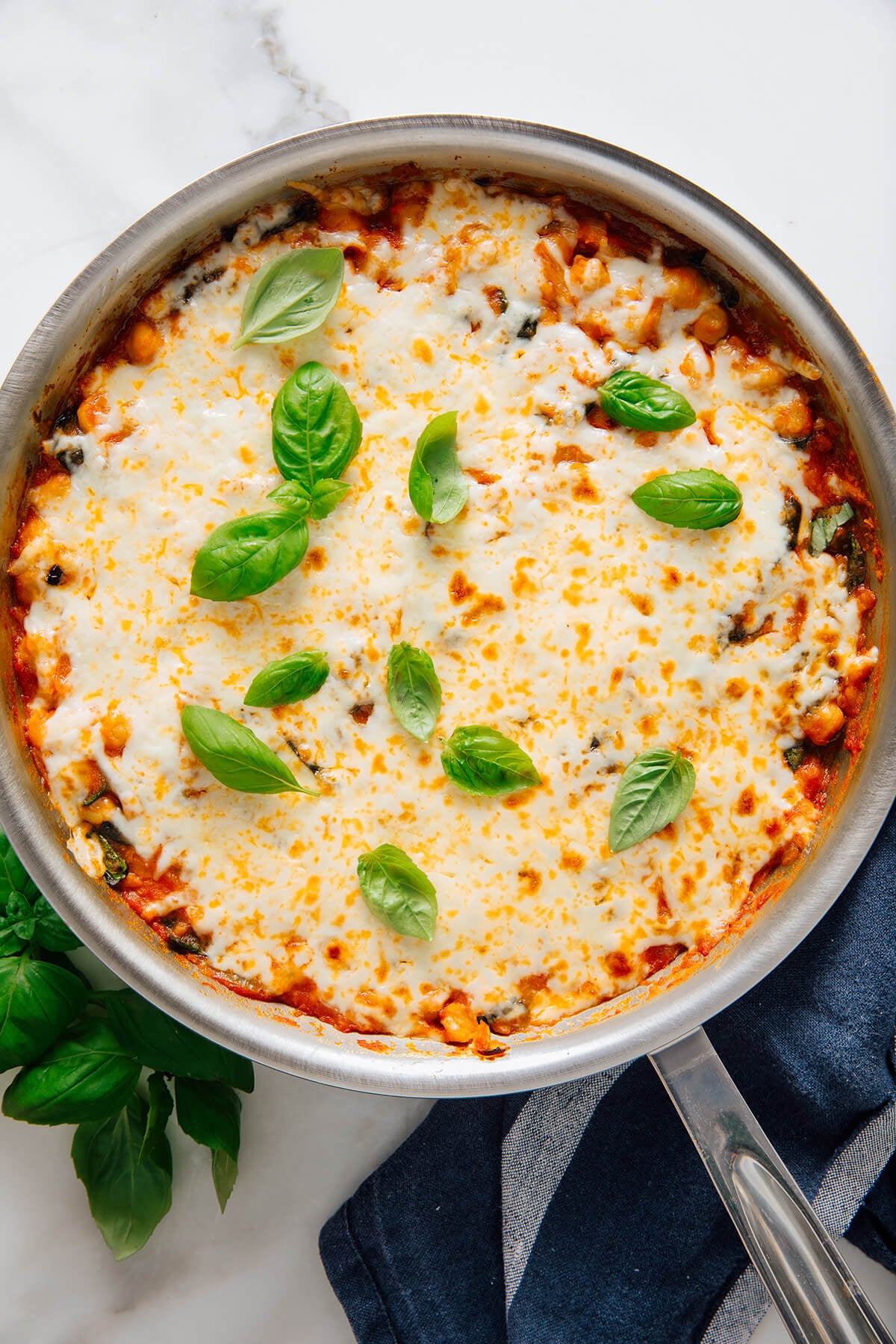
Consumer reception, as evidenced by online engagement and social media trends, has been overwhelmingly positive. Hashtags related to #pizzabeans and #weeknightbeans frequently trend on platforms like Instagram and TikTok, showcasing diverse interpretations and enthusiastic endorsements from home cooks worldwide. The dish’s photogenic qualities—particularly the bubbling, golden cheese—also contribute to its viral appeal, encouraging widespread sharing and replication.
Serving Suggestions and Broader Implications
While "pizza beans" is a hearty and well-balanced meal in itself, especially with the addition of spinach, its versatility extends to various serving accompaniments. Crusty sourdough bread or homemade crostini are popular choices, ideal for scooping up the flavorful beans and sauce. For an added layer of indulgence and protein, a fried egg or two can be perched atop a serving, transforming it into an even more substantial brunch or dinner option. Complementing the richness of the dish, a fresh, crisp salad offers a refreshing counterpoint, adding brightness and texture to the meal. Popular salad pairings include a simple mixed green salad with vinaigrette, a robust kale salad, or a classic Caesar salad.
The sustained popularity of "pizza beans" suggests a broader implication for the food industry and culinary innovation. It underscores the potential for cross-cultural culinary fusion, where familiar flavors are recontextualized using new ingredients or formats. This trend is likely to continue, with more dishes emerging that blend comfort food aesthetics with healthier, plant-forward ingredients. Furthermore, it reinforces the power of food blogging and online communities in driving culinary trends, demonstrating how a simple, well-executed idea can quickly gain traction and become a beloved staple in kitchens globally. As consumers continue to seek convenient, affordable, and nutritious meal solutions, dishes like "pizza beans" are poised to remain at the forefront of modern gastronomy, inspiring further creativity and reshaping our perceptions of everyday ingredients.