








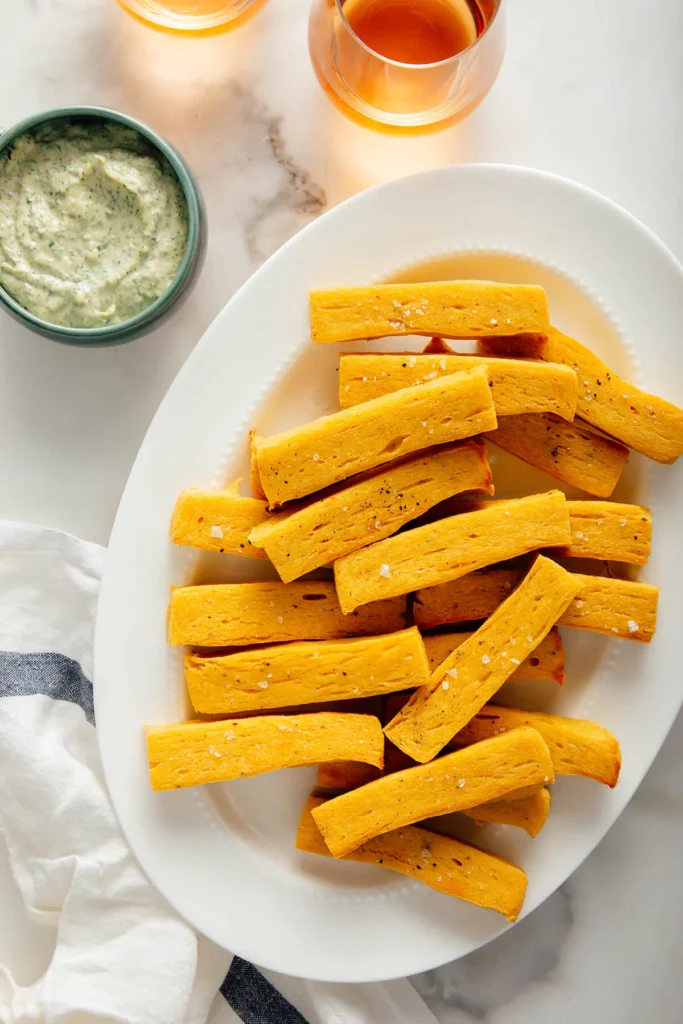
In an evolving global culinary landscape increasingly focused on health-conscious and plant-based alternatives, a traditional snack from the sun-drenched region of Provence, France, is gaining significant traction: the panisse. These irresistible chickpea fries, traditionally known for their crisp, golden exterior and remarkably soft, creamy interior, are emerging as a sophisticated yet approachable option for diners and home cooks alike. Far from being a mere novelty, panisses offer a compelling blend of historical authenticity, robust nutritional benefits, and impressive culinary versatility, positioning them as a noteworthy item in the contemporary food scene.
A Culinary Heritage Rooted in Provence
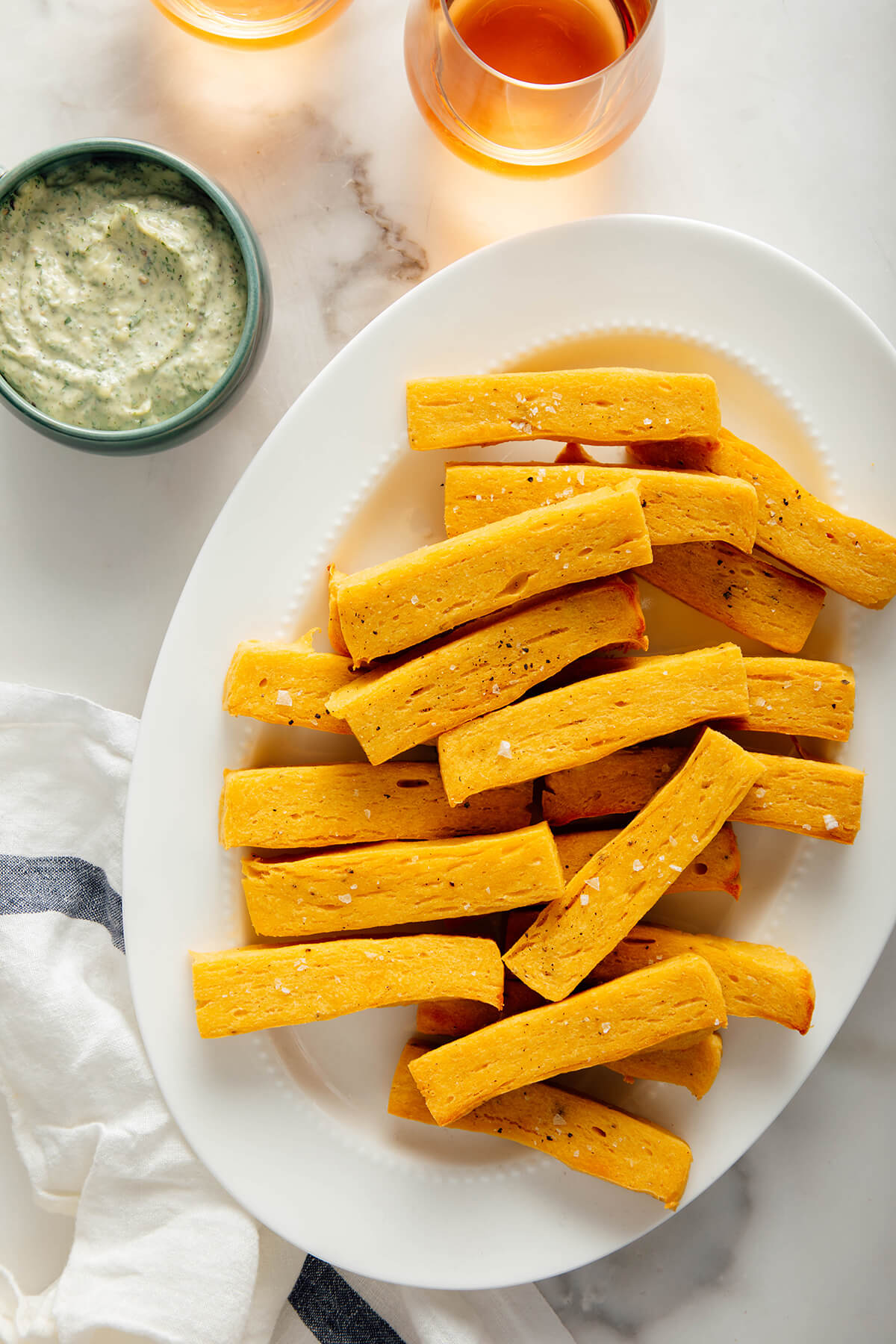
Panisses are more than just a snack; they are a direct descendant of a rich culinary tradition deeply embedded in the Mediterranean basin. The use of chickpea flour, the foundational ingredient for panisses, dates back millennia. Archaeological evidence suggests that chickpeas were cultivated as early as 7,500 years ago in the Middle East, quickly spreading across the Mediterranean, where they became a staple food. The Romans, for instance, were known to utilize chickpea flour, often carrying it on military campaigns for its portability and nutritional value. This ancient grain’s resilience and adaptability made it a cornerstone of diets across diverse cultures, from North Africa to Southern Europe.
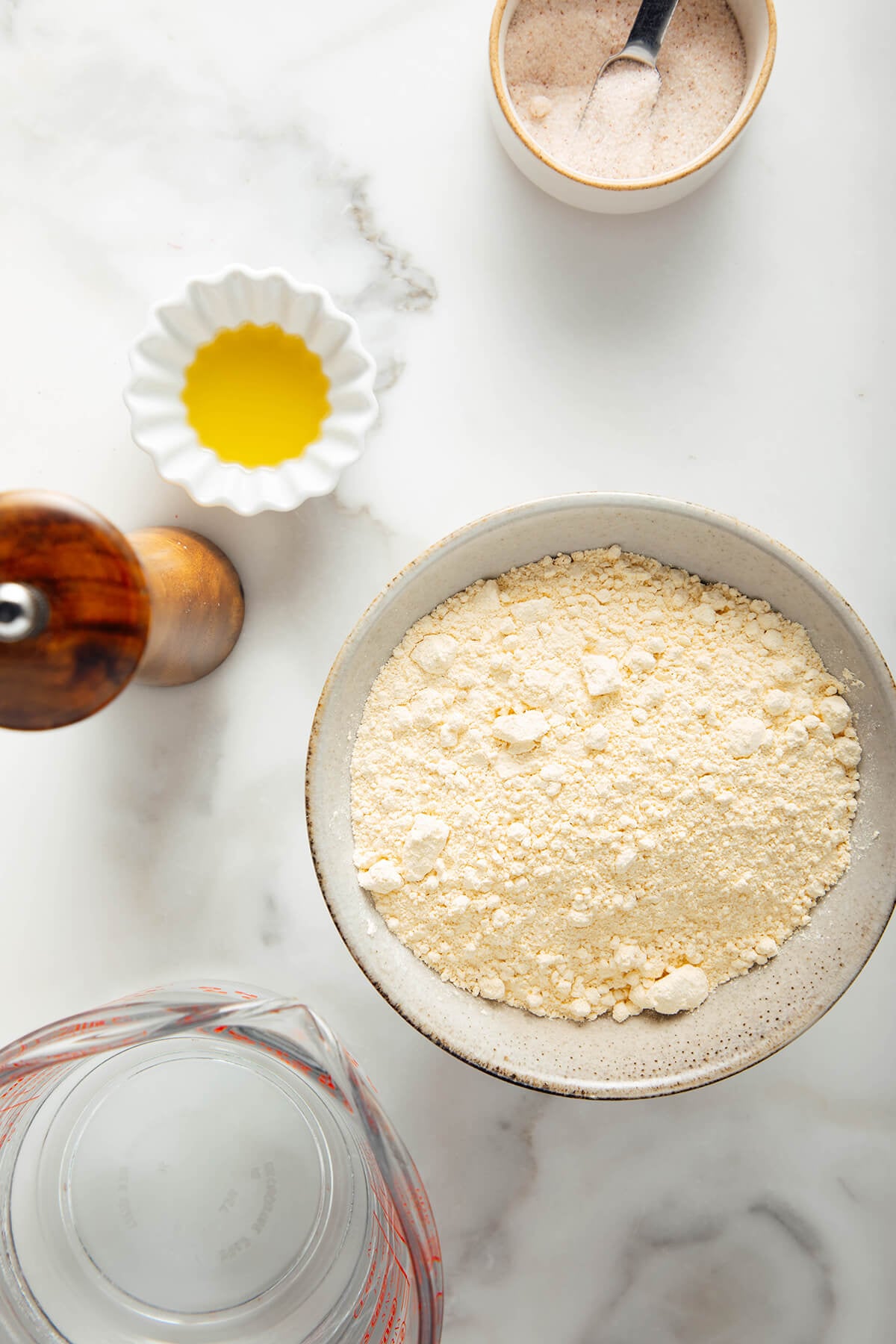
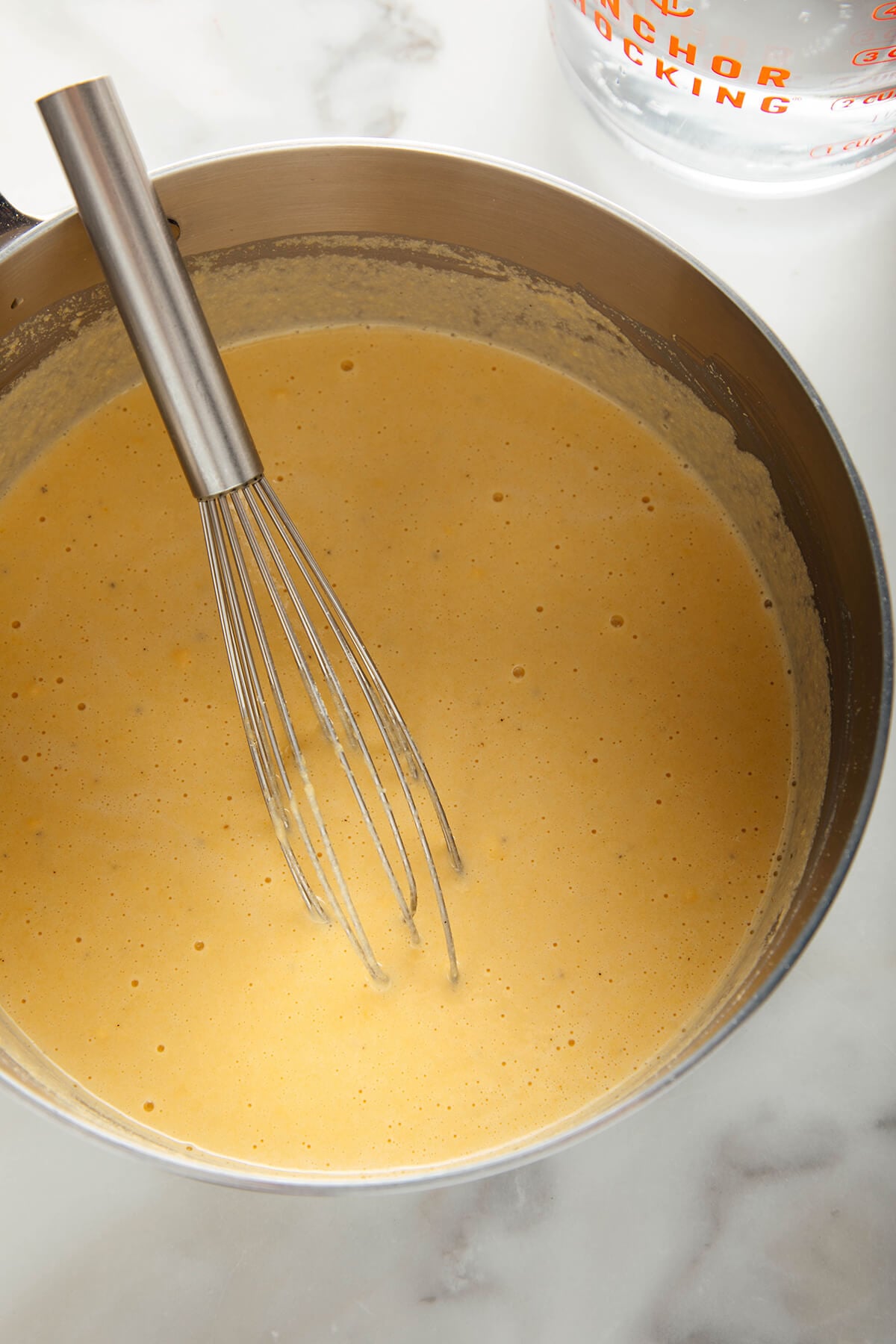
In Provence, particularly around the coastal city of Nice and its surrounding areas, chickpea flour found its most famous expressions in dishes like socca and farinata. While socca, a thin, savory pancake, is explicitly linked to Nice, and farinata is its Ligurian cousin, panisses offer a distinct textural experience. They involve cooking chickpea flour with water, olive oil, and salt into a thick, polenta-like batter, which is then cooled, shaped, and subsequently fried or baked. This method yields a thicker, more substantial fry, allowing for that coveted contrast between a crunchy crust and a tender, almost custardy interior. This process is not merely a cooking technique but a culinary ritual, passed down through generations, reflecting the region’s commitment to simple, high-quality ingredients. Historically, panisses were a humble street food, readily available from vendors, serving as a satisfying and affordable snack for laborers and locals. Their enduring presence in Provençal markets and eateries speaks volumes about their timeless appeal and cultural significance.
Nutritional Powerhouse: Beyond the Traditional Fry
One of the most compelling arguments for the growing popularity of panisses lies in their superior nutritional profile compared to conventional potato fries. While both offer comfort and a satisfying crunch, panisses leverage the inherent health benefits of chickpeas, transforming a typically indulgent snack into a more wholesome option.
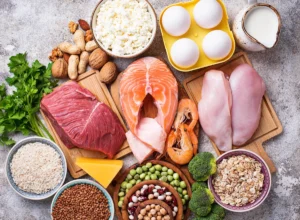
Chickpeas (garbanzo beans) are renowned for their high protein content, offering approximately 7 grams of protein per 100 grams when cooked. This makes panisses an excellent source of plant-based protein, crucial for muscle repair, satiety, and overall bodily function. In contrast, an equivalent serving of traditional potato fries typically provides significantly less protein. Furthermore, chickpeas are an outstanding source of dietary fiber, boasting around 8 grams per 100 grams. This fiber content aids in digestive health, helps regulate blood sugar levels, and contributes to a prolonged feeling of fullness, which can assist in weight management. This is a stark contrast to potato fries, which, while containing some fiber, often fall short of the robust fiber contribution found in chickpeas, especially after processing and frying.
Beyond macronutrients, chickpeas deliver a wealth of micronutrients, including folate, iron, magnesium, potassium, and zinc. Folate is vital for cell growth and function, while iron is essential for oxygen transport in the blood. Magnesium plays a role in hundreds of biochemical reactions in the body, and zinc is crucial for immune function. When panisses are prepared with quality olive oil, they also incorporate monounsaturated fats, known for their heart-healthy benefits, including reducing bad cholesterol levels. This combination of protein, fiber, essential vitamins, and minerals positions panisses as a "better-for-you" alternative that aligns perfectly with contemporary dietary trends, such as the increasing adoption of plant-based, gluten-free, and whole-food-focused diets. Industry analysts have noted a consistent upward trend in consumer demand for healthier snack options, with the plant-based food market projected to continue its double-digit growth rate over the next decade. Panisses, naturally gluten-free due to chickpea flour, also tap into the substantial and expanding gluten-free market, offering an inclusive option for those with dietary restrictions.
The Craft of Preparation: Traditional Frying vs. Modern Baking
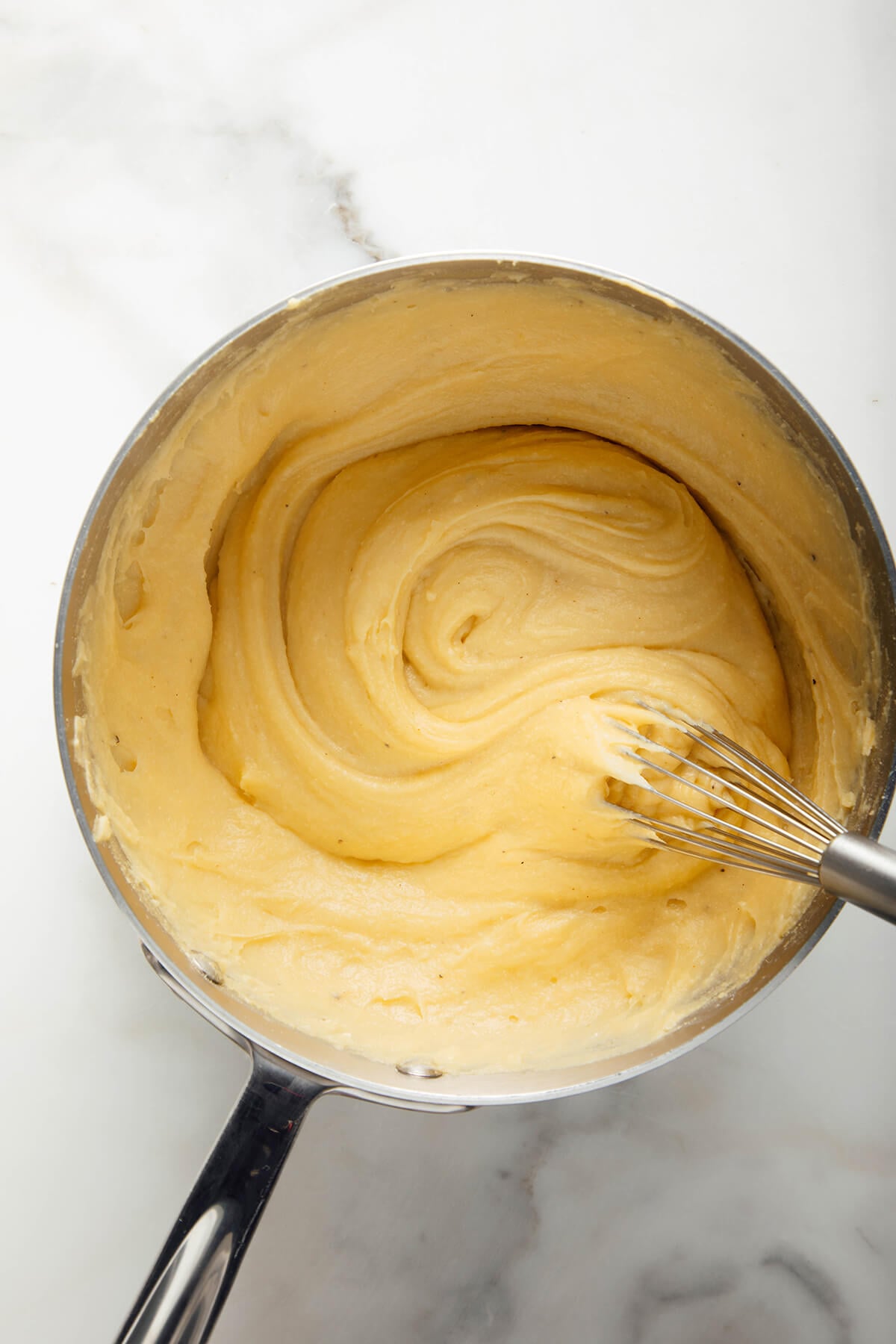
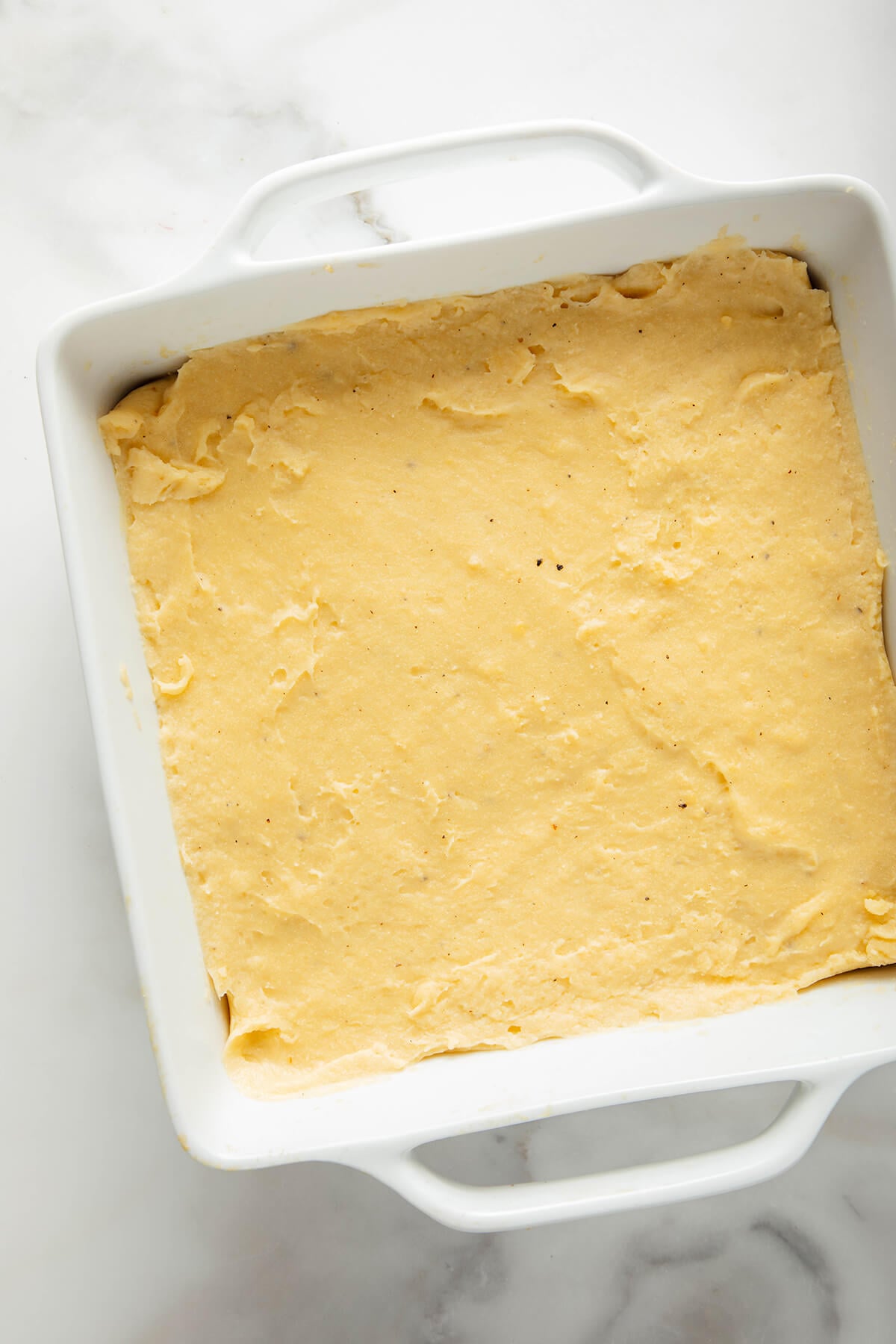
The preparation of panisses, while not overly complex, involves a multi-step process that allows for both traditional authenticity and modern adaptation. The foundational method begins with cooking chickpea flour, water, olive oil, and salt into a thick, smooth batter over heat. This process is critical, as it gelatinizes the starches in the chickpea flour, creating the characteristic creamy, polenta-like consistency. Once cooked, the batter is spread into a mold or tray and allowed to cool and firm up, often for several hours or overnight. This resting period is essential for achieving the desired texture before cutting the solid chickpea block into fries or desired shapes.
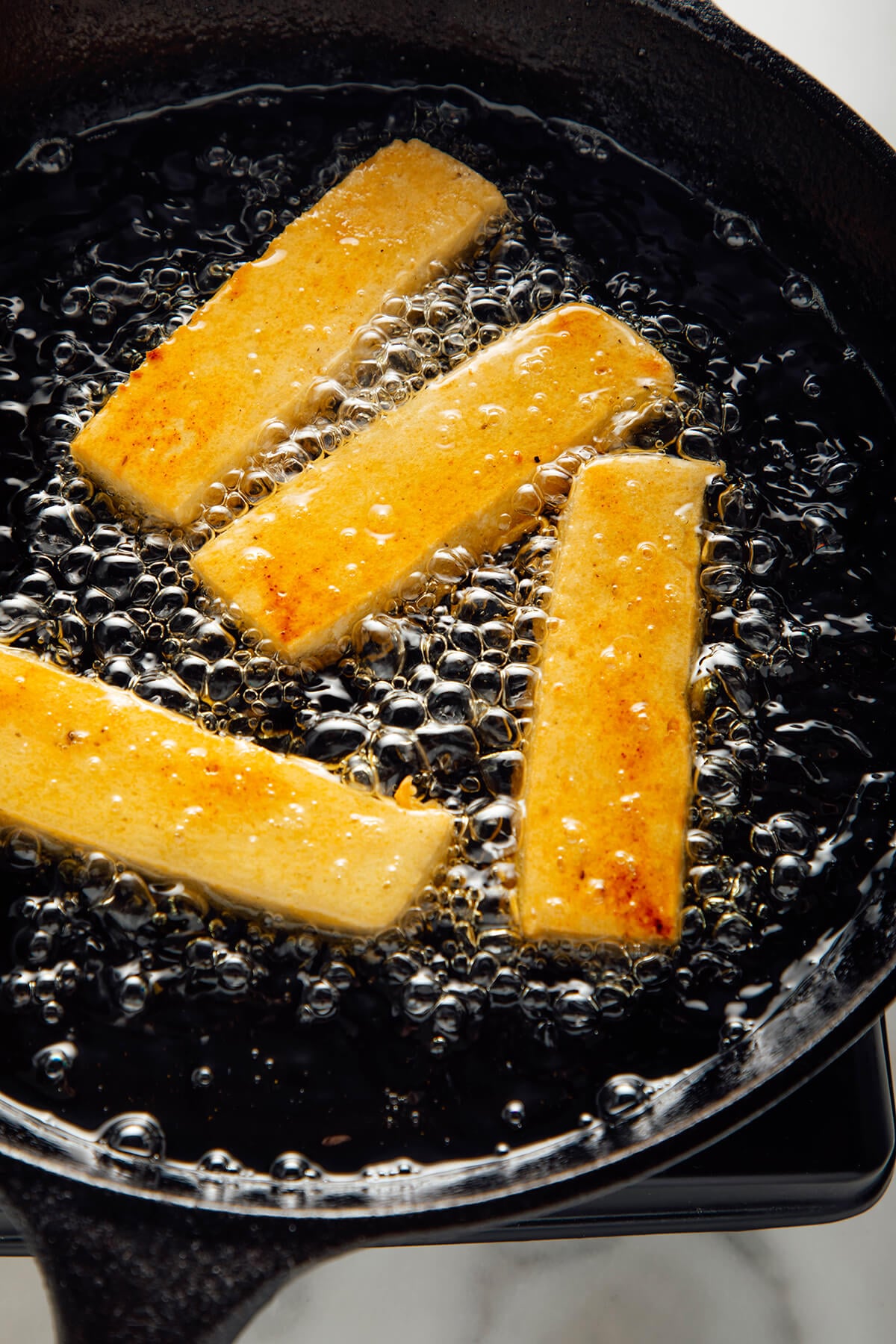
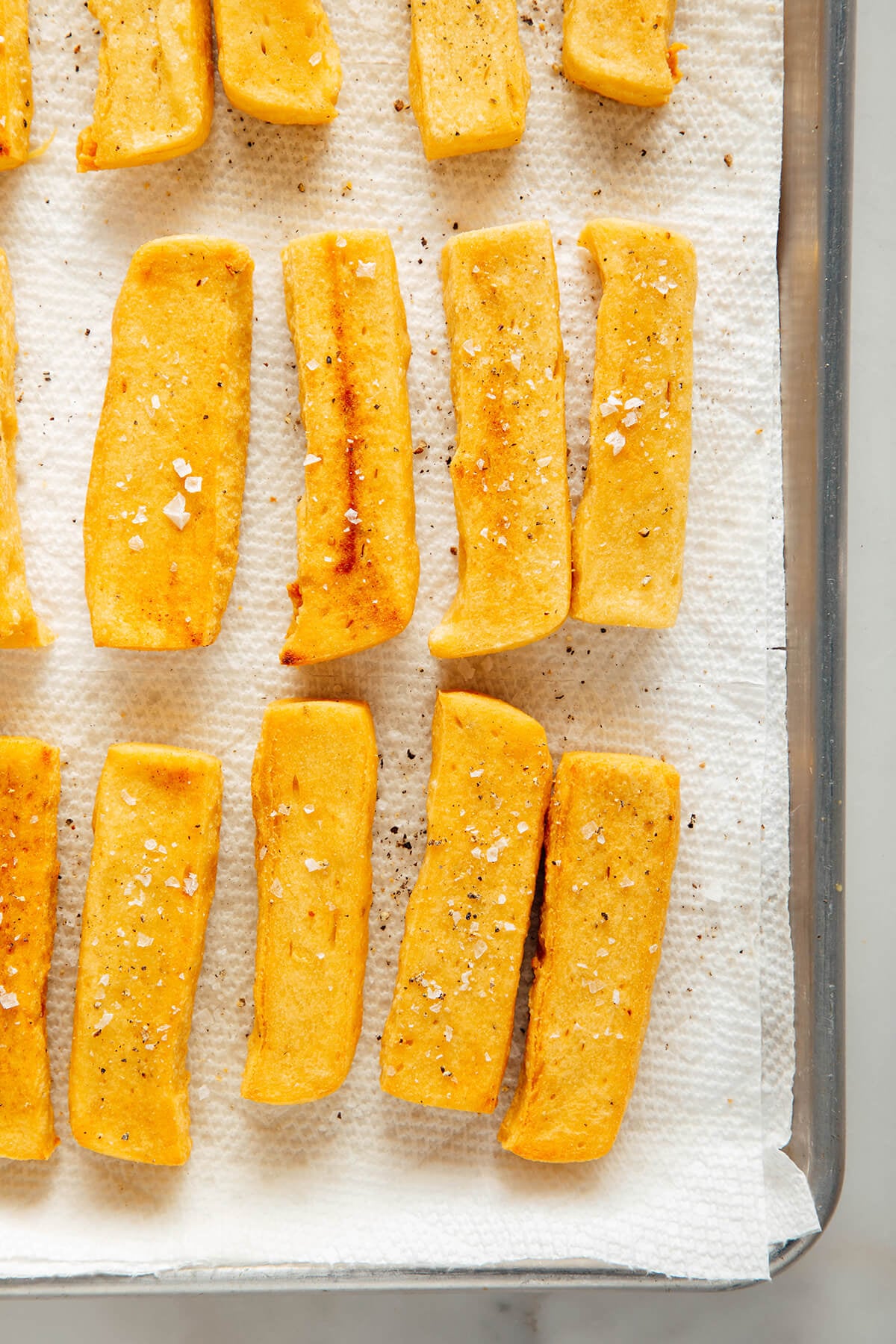
Traditionally, panisses are pan-fried in olive oil or a blend of olive and vegetable oils. This method, while classic, requires careful attention due to the varying smoke points of oils. Extra virgin olive oil, with a smoke point around 375°F (190°C), can easily reach its smoking point if not closely monitored, potentially leading to a burnt taste and triggering smoke alarms, as some home cooks have experienced. Culinary experts often recommend using oils with higher smoke points, such as avocado oil (around 520°F or 270°C), when frying to ensure a consistently golden and crispy result without unwanted smoke or off-flavors. Properly fried panisses achieve an exquisite crispness and a deep golden hue, making them an unparalleled indulgence.
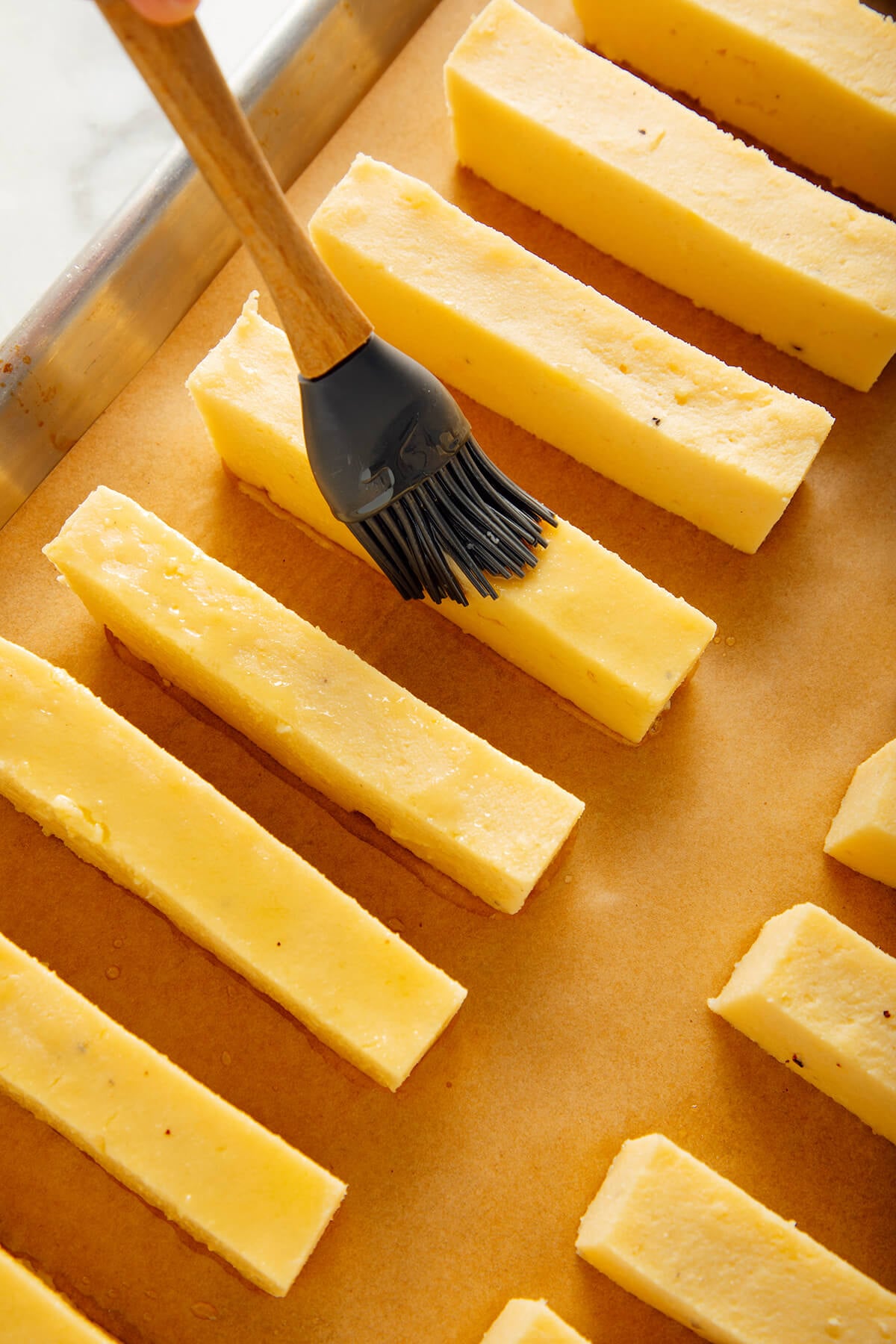
However, recognizing the desire for convenience and potentially lighter options, modern culinary innovators have developed successful baking methods for panisses. Baking eliminates the need for constant supervision over a hot stove and often results in a more evenly golden and less greasy product. The process typically involves brushing the shaped panisses with olive oil before baking, then flipping them and drizzling additional oil to achieve a comparable level of crispness. Research into baking techniques has shown that drizzling oil during the second bake can create a more "fried-like" texture than simply brushing, maximizing the Maillard reaction for enhanced flavor and color. While baking may take longer than frying, the reduced fuss and consistent results make it an appealing option for many. This dual approach to preparation highlights the adaptability of panisses, making them accessible to a wider range of home cooks and professional kitchens.
A Growing Presence: Panisses in the Global Culinary Landscape
The trajectory of panisses from a regional French specialty to an item of international culinary interest can be attributed to several factors. The general surge in interest in Mediterranean cuisine, celebrated for its health benefits and vibrant flavors, has naturally shone a spotlight on its diverse components. Food bloggers, travel enthusiasts, and celebrity chefs have played a significant role in popularizing authentic regional dishes, often sharing their experiences and adapted recipes with global audiences. Social media platforms, with their visual emphasis, are particularly adept at showcasing aesthetically pleasing and unique dishes like panisses, sparking curiosity and encouraging experimentation.
In the United States, for example, panisses are increasingly found on the menus of upscale tapas restaurants and health-focused eateries, moving beyond traditional French bistros. Restaurateurs report positive customer feedback, with many diners expressing delight at discovering a new, flavorful, and inherently healthier alternative to potato fries. "We’ve seen an incredible response to panisses," noted a chef at a prominent Kansas City tapas restaurant. "Customers appreciate the unique texture and the fact that it’s a gluten-free, plant-based option that doesn’t compromise on flavor or satisfaction." This growing adoption in diverse culinary settings underscores their versatility as an appetizer, side dish, or even a component of a larger mezze platter.
Expert Perspectives and Consumer Trends
Culinary experts and nutritionists alike are observing and contributing to the panisse phenomenon. Food historians emphasize the enduring legacy of simple, wholesome ingredients in regional European cuisines, noting that dishes like panisses are testament to generations of culinary wisdom. "The longevity of chickpea-based dishes in Mediterranean culture is no accident," states Dr. Eleanor Vance, a food historian specializing in European gastronomy. "They represent efficient, flavorful, and nourishing ways to utilize readily available ingredients, a principle that resonates strongly with contemporary food values."
From a nutritional standpoint, the embrace of panisses aligns with broader public health initiatives promoting increased intake of legumes and plant-based proteins. "Nutritionists commend panisses for their significant fiber and protein content, making them a more satiating and nutrient-dense alternative to traditional fried snacks," explains Sarah Jenkins, a registered dietitian. "They offer a way to enjoy a comforting, crispy food while also contributing to daily nutrient goals, particularly for those looking to reduce meat consumption or seeking gluten-free options."
Consumer surveys further reinforce this trend, indicating a rising interest in globally inspired, plant-based appetizers and snacks that offer both flavor and functional benefits. The demand for transparent ingredient lists and foods that support specific dietary needs (e.g., vegan, dairy-free, egg-free, nut-free, soy-free, tomato-free – all qualities inherent to panisses themselves) is consistently growing. This confluence of historical authenticity, health benefits, and adaptability positions panisses not just as a passing fad but as a significant and sustainable addition to the global culinary repertoire.
Serving Suggestions and Culinary Pairings
The inherent versatility of panisses extends to their serving options and pairings. In Provence, they are traditionally enjoyed warm, often accompanied by a crisp, cool glass of rosé wine, reflecting the region’s relaxed, convivial dining culture. Beyond this classic pairing, panisses prove to be an excellent canvas for a variety of dipping sauces. While a silky, mayo-based sauce is a popular choice, its richness beautifully complements the earthy flavor of the chickpea fries. Many creative options exist, such as blending mayonnaise with pesto, romesco sauce, or harissa for an added layer of flavor and spice. Other popular accompaniments include creamy basil sauce, lemon-tahini dressing, or a simple aioli.
For a light meal, panisses can be served alongside a fresh, vibrant salad, creating a balanced and satisfying plate. They also integrate seamlessly into a larger Mediterranean-style spread or mezze platter, complementing dishes such as fresh hummus, roasted red pepper dip, various olives, marinated artichoke hearts, and simple tomato and cucumber salads. Their hearty texture and savory profile make them an excellent counterpoint to lighter, brighter flavors, enhancing the overall dining experience.
The Future of Chickpea-Based Delights
The upward trajectory of panisses suggests a promising future for this humble chickpea fry. As consumer preferences continue to shift towards healthier, plant-based, and culturally rich food experiences, panisses are perfectly poised to expand their reach further. There is potential for increased commercialization, with gourmet frozen options or ready-to-cook mixes making them even more accessible to busy households. Innovation in flavor profiles, perhaps incorporating various herbs, spices, or even cheeses, could also broaden their appeal.
Furthermore, the success of panisses contributes to a broader appreciation for chickpea flour as a versatile and nutritious ingredient, potentially paving the way for other chickpea-based innovations in the snack and meal categories. The implications are significant for ingredient suppliers, who will see increased demand for chickpea flour, and for the restaurant industry, which can diversify its offerings with appealing, health-conscious choices. Ultimately, panisses represent a delightful fusion of tradition and modernity, a testament to the enduring power of simple, wholesome ingredients to captivate palates across the globe. Their journey from the sun-drenched streets of Provence to international acclaim underscores a powerful message: good food, rooted in history and packed with goodness, will always find its way to the forefront.