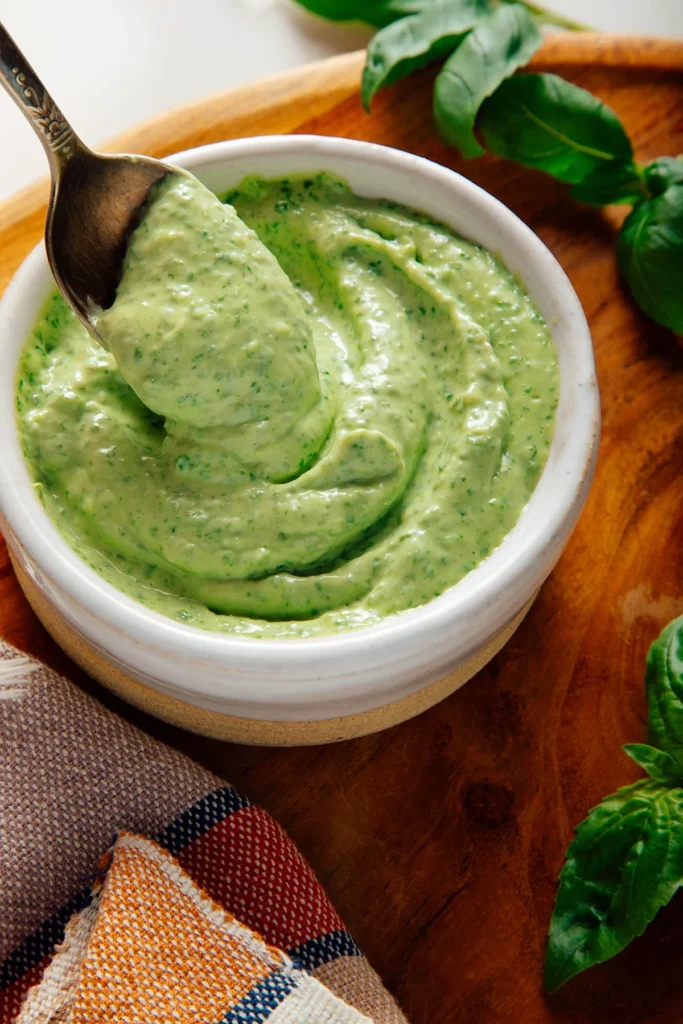
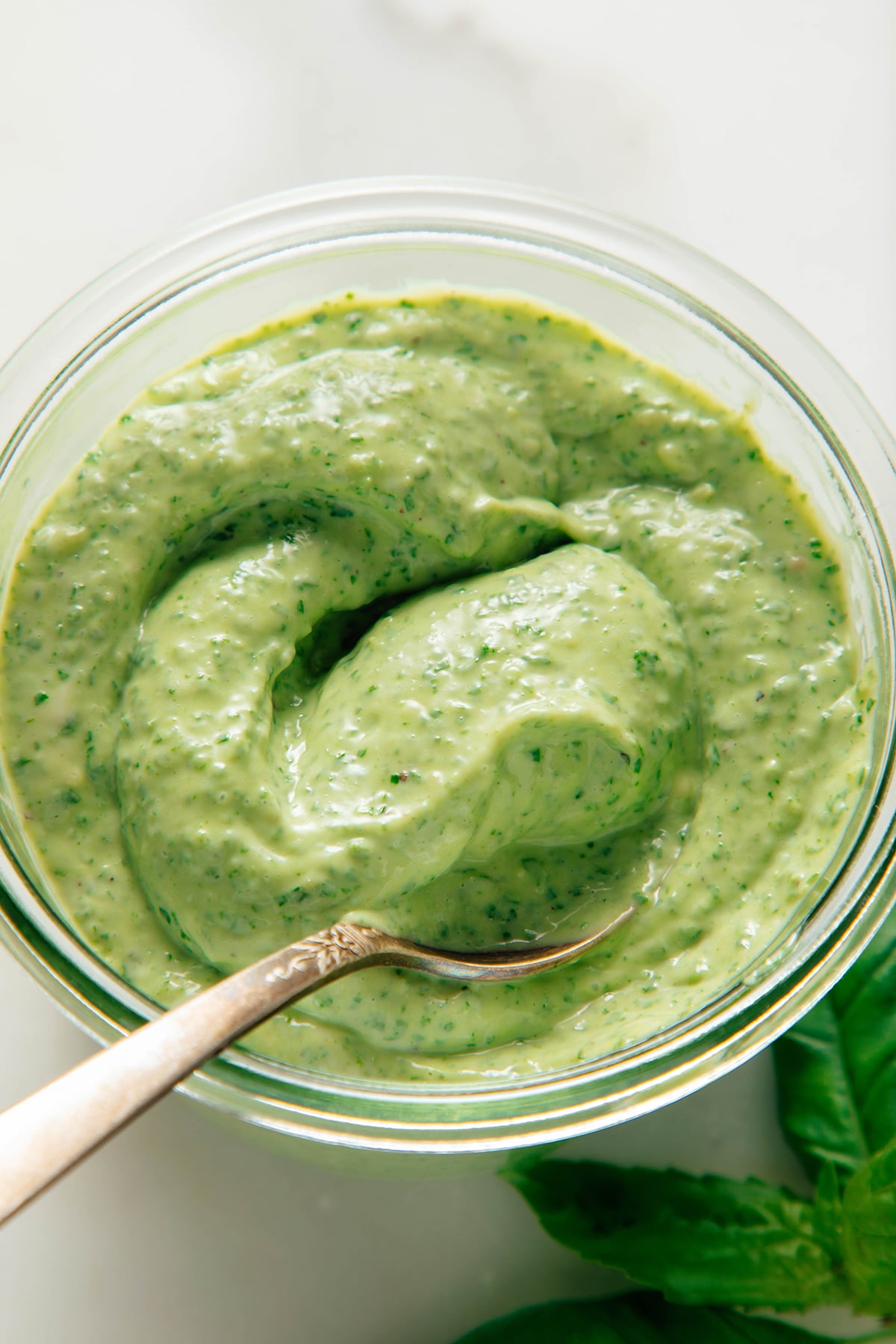
The culinary world is witnessing a significant shift towards simpler, fresher, and more versatile condiments, with the creamy basil sauce emerging as a prime example of this evolving trend. Heralded as a super fresh, summertime alternative to traditional aioli, this vibrant green emulsion is rapidly gaining traction for its ability to effortlessly elevate a wide array of dishes, from everyday sandwiches and snacks to more elaborate grilled preparations. Its rapid preparation time, requiring just a few minutes and a handful of readily available ingredients, positions it as an indispensable flavor booster for busy home cooks and culinary enthusiasts alike. This innovative use of basil, often abundant during warmer months, offers a compelling alternative to more conventional preparations like pesto, signaling a broader movement towards maximizing seasonal produce and embracing homemade solutions.
The Ascendance of Fresh Sauces in Contemporary Cuisine
The increasing popularity of sauces like the creamy basil creation reflects a wider culinary phenomenon: a growing consumer demand for fresh, vibrant flavors and a return to scratch cooking. In recent years, there has been a noticeable pivot away from heavily processed, shelf-stable condiments towards those that offer a brighter, more natural taste profile. This shift is driven by several factors, including heightened health consciousness, an interest in cleaner eating, and a desire for customizable meal components. Food industry reports indicate a steady increase in consumer preference for fresh produce and ingredients, translating directly into a demand for recipes that highlight these elements. The creamy basil sauce perfectly encapsulates this ethos, delivering intense, unadulterated herbaceous notes balanced by a luxurious texture.
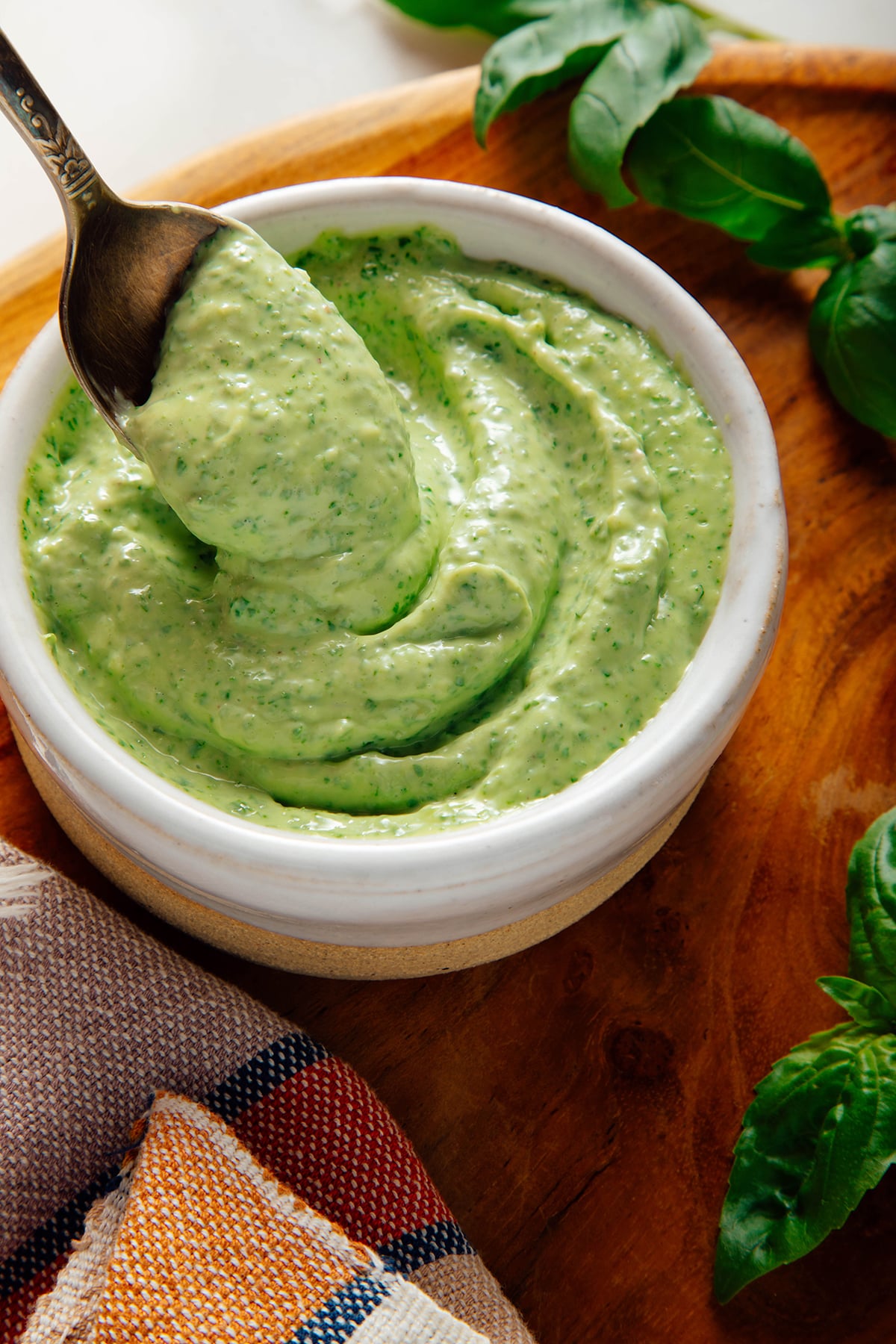
This trend is not merely confined to home kitchens; professional chefs have long championed the art of simple, impactful sauces. Many fine dining establishments and casual eateries alike are embracing fresh herb-based emulsions, often as a signature element to distinguish their offerings. These culinary influences inevitably filter down to home cooking, inspiring individuals to experiment with similar concepts. The ease with which a high-quality sauce can be prepared at home, bypassing complex techniques or exotic ingredients, democratizes gourmet flavors, making them accessible to a broader audience. This creamy basil sauce, with its straightforward ingredient list and minimal preparation, aligns perfectly with this accessible gourmet philosophy.
Basil’s Enduring Legacy and Seasonal Bounty
Basil, scientifically known as Ocimum basilicum, boasts a rich history spanning thousands of years, originating in India and making its way through ancient trade routes to Europe. Revered for its aromatic properties and medicinal qualities, it has long been a staple in Mediterranean, Southeast Asian, and Indian cuisines. Over centuries, various cultivars have emerged, each offering subtle differences in flavor, from the peppery notes of Thai basil to the sweet, anise-like aroma of Genovese basil, which is most commonly associated with Italian dishes and is the preferred variety for this creamy sauce.
The plant’s robust growth habit, particularly in warm, sunny conditions, ensures an abundant supply during the summer months. For home gardeners, basil is an exceptionally rewarding herb to cultivate, often yielding a surplus that necessitates creative culinary applications. While traditional pesto remains a beloved classic for utilizing large quantities of basil, the creamy basil sauce offers a refreshing departure, providing a lighter, tangier profile without the heavy nuttiness or cheese often associated with pesto. This diversification of basil-centric recipes is crucial for home cooks looking to prevent waste and explore new flavor dimensions. The suggestion that "it’s not too late to plant some basil this summer" underscores the plant’s resilience and extended growing season, making fresh basil accessible for many well into the warmer months. This encourages a continuous cycle of fresh ingredient usage, aligning with sustainable culinary practices.
Dissecting the Simplicity: The Core Ingredients
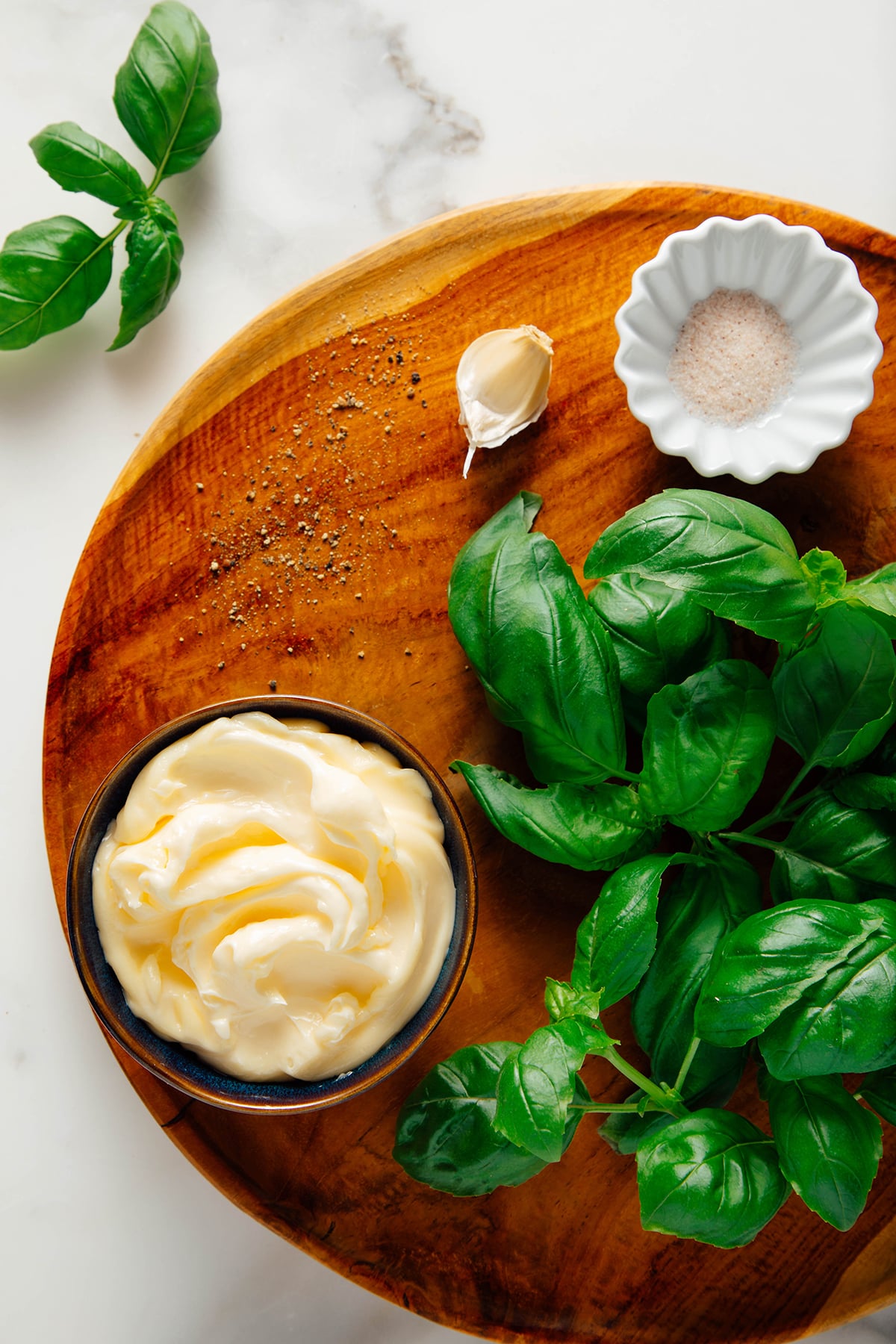
The magic of this creamy basil sauce lies in its deceptively simple composition, where each ingredient plays a critical role in achieving a harmonious balance of flavor and texture.
-
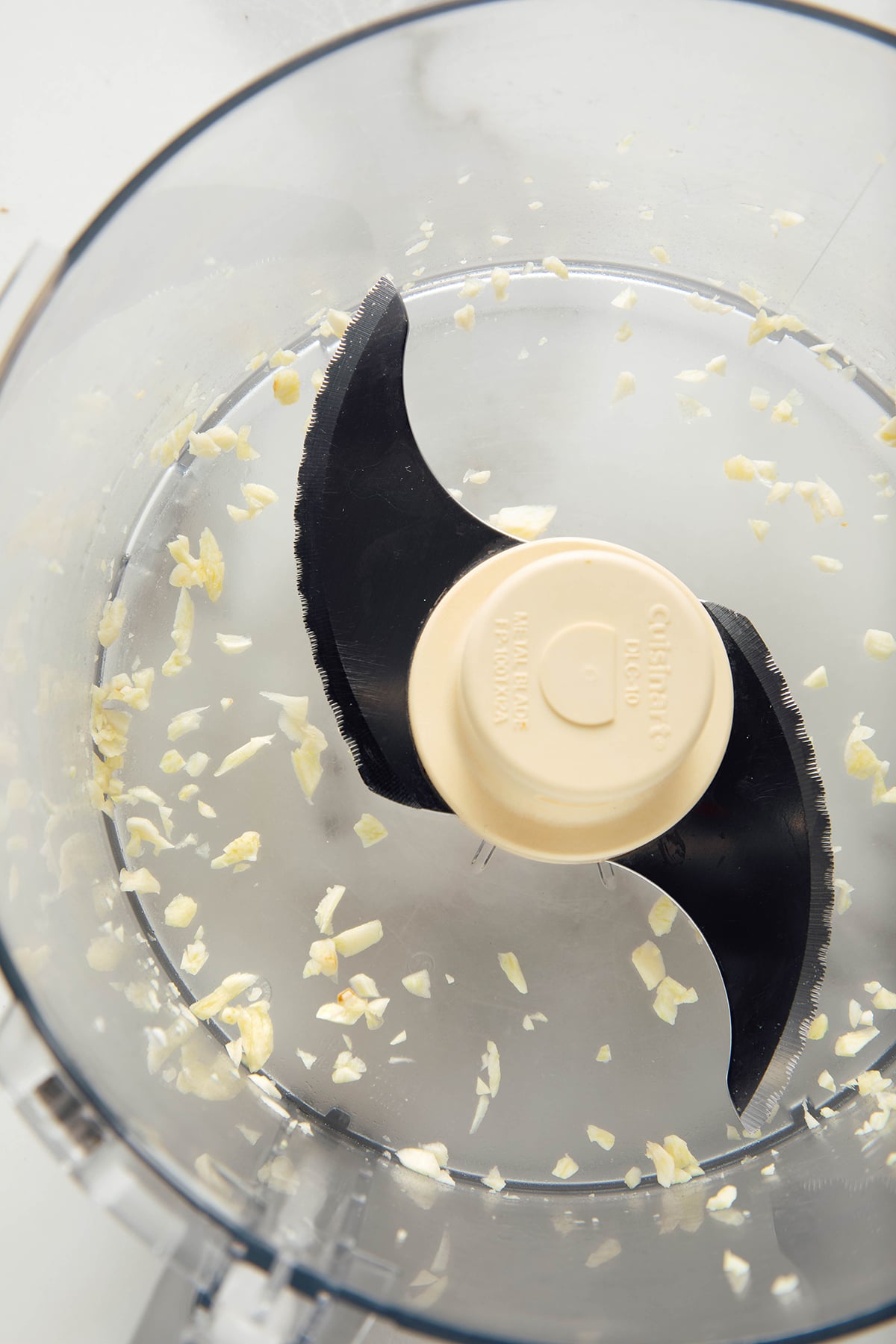
Garlic: As the aromatic cornerstone, a single clove of garlic provides a pungent depth that grounds the freshness of the basil. The recommendation to blitz it first in a food processor is a practical tip, emphasizing efficiency and minimizing additional cleanup—a detail highly valued by home cooks. This method ensures that the garlic is finely minced and evenly distributed, releasing its potent oils to infuse the entire sauce without overpowering it. The raw garlic contributes a sharp, vibrant kick that is integral to the sauce’s character, distinguishing it from cooked garlic preparations.
-
Fresh Basil: This is undeniably the star. The instruction to use both leaves and tiny stems, while discarding thicker stems, highlights an understanding of optimal flavor extraction and texture. Freshness is paramount; basil that is vibrant green and aromatic will yield the most flavorful and visually appealing sauce. To maintain its bright green hue and intense flavor, ensuring the basil is thoroughly dry before blending is a crucial step. Washing gently under cool water, patting dry, and allowing it to air dry prevents dilution and preserves the integrity of the chlorophyll, which gives basil its distinctive color. The quantity of basil used ensures that its characteristic sweet, peppery, and slightly minty notes dominate the flavor profile.
-
Mayonnaise: Serving as the luxurious, creamy base, mayonnaise provides the essential emulsion that binds the fresh herbs and garlic into a cohesive sauce. Its inherent richness and subtle tang contribute significantly to the mouthfeel and overall flavor complexity. The article’s mention of specific brands like Duke’s mayonnaise points to regional preferences and the impact of mayonnaise quality on the final product. Duke’s, known for its distinct tangy flavor and creamy texture due to its lack of sugar, offers a particular culinary profile. Simultaneously, acknowledging "more health-conscious options made with avocado oil" addresses a growing segment of consumers who prioritize healthier fat sources without compromising on creaminess. This flexibility allows individuals to tailor the sauce to their dietary preferences while still achieving the desired texture and body.
-
Salt and Pepper: These fundamental seasonings are vital for enhancing and balancing the flavors. Salt amplifies the natural taste of basil and garlic, while freshly ground black pepper adds a nuanced warmth and a slight kick, preventing the sauce from tasting flat. The instruction to season "generously" with black pepper suggests that its contribution goes beyond mere seasoning, becoming an active component of the sauce’s flavor profile. The precise amounts can be adjusted to individual taste, further emphasizing the customizable nature of homemade condiments.
Streamlined Preparation: A Time-Saving Culinary Ally
One of the most appealing aspects of the creamy basil sauce is its remarkable ease and speed of preparation. In an era where time is a precious commodity, recipes that deliver maximum flavor with minimal effort are highly prized. The entire process, from gathering ingredients to a finished sauce, can be accomplished in just a few minutes, making it an ideal choice for impromptu meals or as a quick addition to an evolving menu.
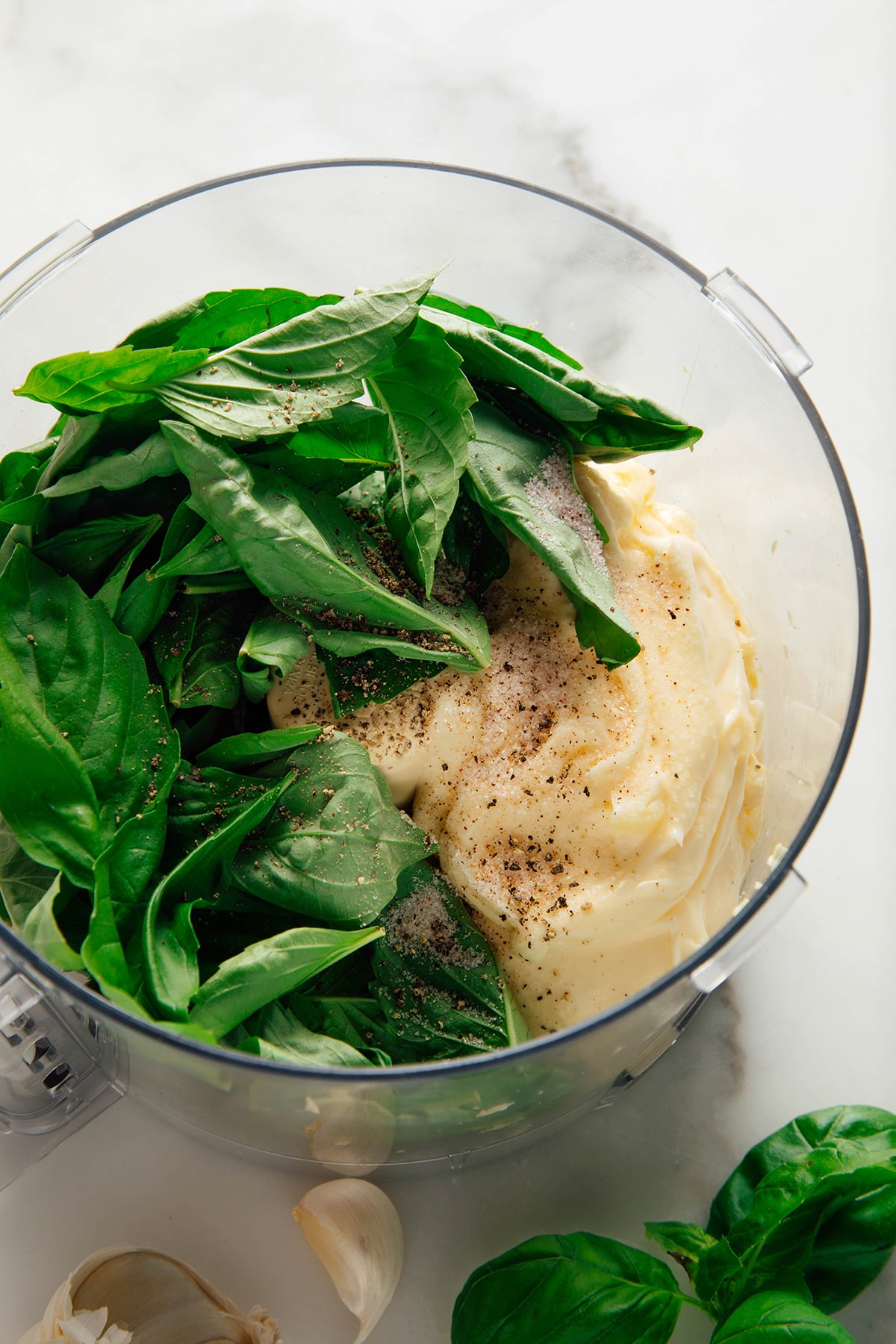
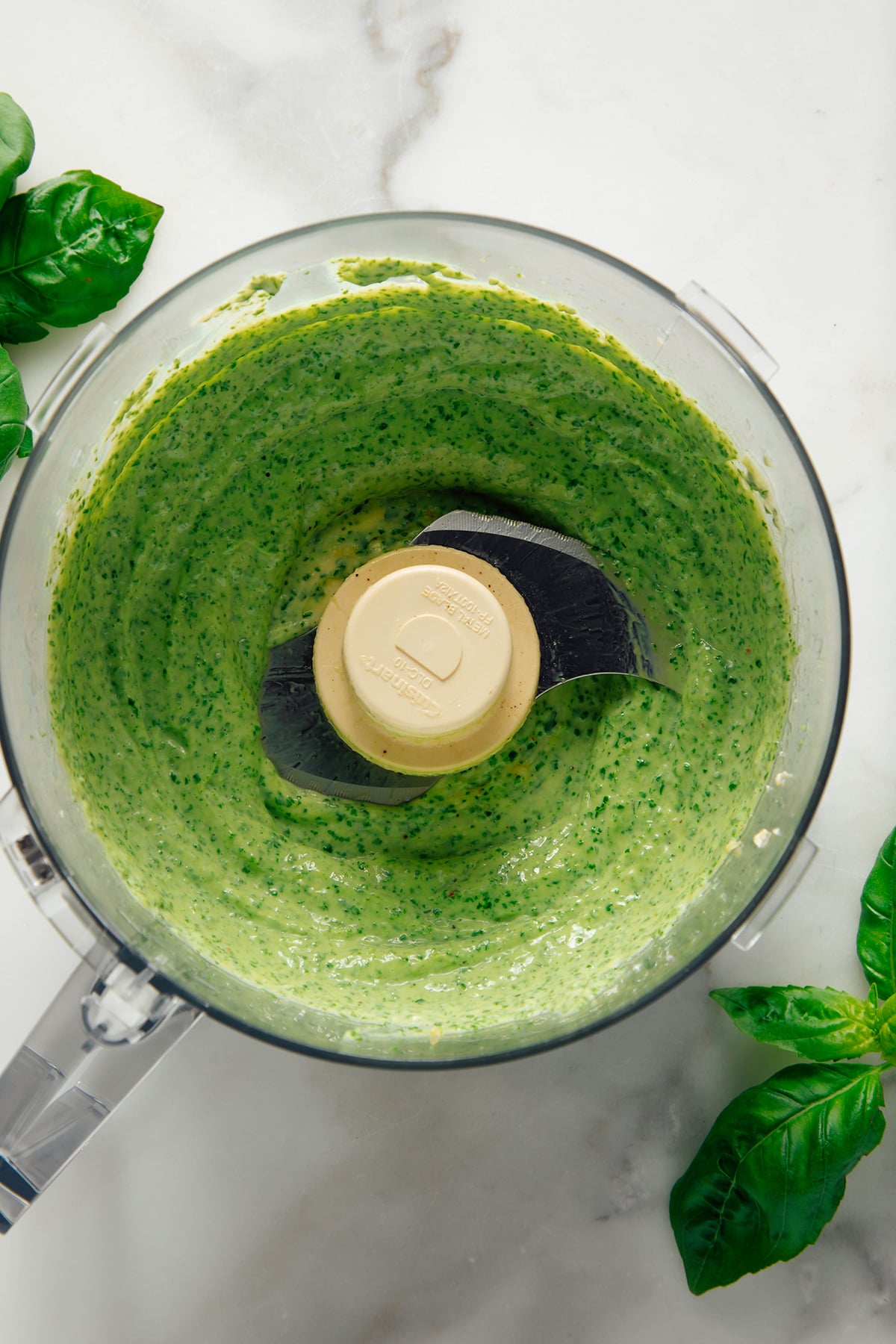
The primary tool recommended for this preparation is a food processor, which efficiently pulverizes the garlic and basil, then incorporates them seamlessly into the mayonnaise base. This mechanical assistance ensures a smooth, consistent texture that would be challenging to achieve by hand in the same timeframe. However, recognizing that not all kitchens are equipped with a food processor, the article thoughtfully includes an alternative: "Make it by hand: Finely chop the basil, press or mince the garlic, and whisk together the ingredients in a bowl." This inclusivity underscores the sauce’s accessibility, allowing anyone to prepare it regardless of their kitchen gadgetry. This manual method, while requiring a bit more effort, still yields a delicious result and speaks to the fundamental simplicity of the recipe.
Unleashing Culinary Creativity: Diverse Applications
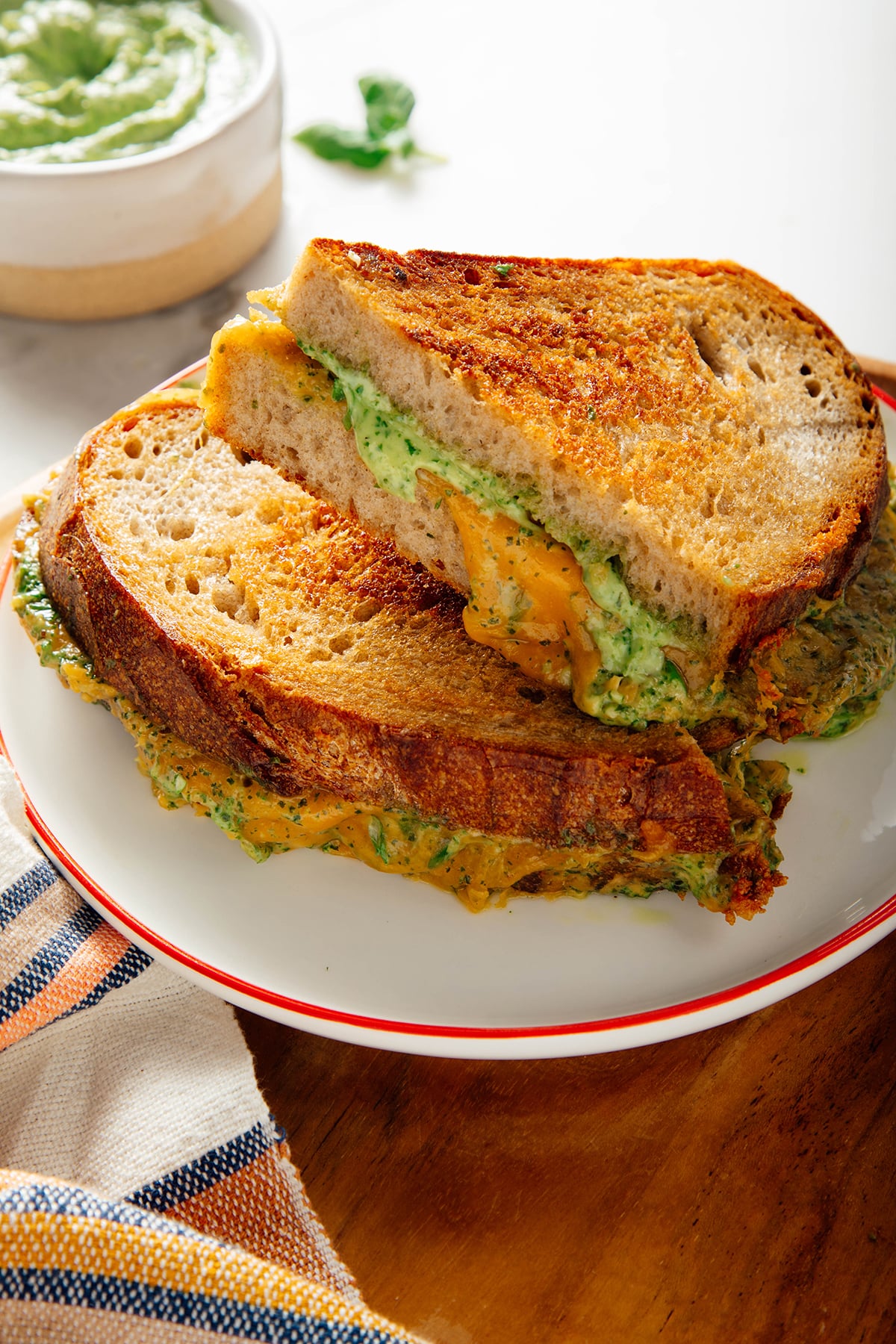
The creamy basil sauce is not just a condiment; it is a versatile flavor enhancer capable of transforming a multitude of dishes. Its initial suggested uses—on sandwiches and as a dip for snacks or grilled cheese—are merely starting points for its expansive potential. The article highlights its synergy with "tomatoes and other summertime produce like zucchini," underscoring its role as a seasonal companion.
Beyond these basic applications, the sauce’s potential extends considerably:
- Grilled and Roasted Vegetables: Drizzled over grilled asparagus, roasted bell peppers, or sautéed zucchini, it adds a fresh, herbaceous counterpoint.
- Salads: It can serve as a vibrant dressing for green salads, pasta salads, or potato salads, offering a lighter alternative to heavier dressings.
- Protein Accompaniment: A dollop alongside grilled chicken, pan-seared fish, or even hard-boiled eggs elevates simple proteins with complex fresh flavors.
- Dips and Spreads: As a dip for raw vegetables, crackers, or artisanal bread, it provides a sophisticated yet approachable appetizer. It can also be spread on toast for a quick, flavorful breakfast or snack.
- Pasta and Grains: Tossed with warm pasta, a squeeze of lemon, and cherry tomatoes, it creates a quick and fresh summer pasta dish. It can also enhance grain bowls or couscous.
- Burgers and Wraps: Replacing standard mayonnaise or ketchup, it offers a gourmet upgrade to everyday burgers and wraps, infusing them with a burst of garden-fresh taste.
For an extra layer of complexity, the suggestion to add "a drizzle of thick balsamic vinegar or balsamic glaze" is an astute recommendation. The sweet, acidic notes of balsamic perfectly complement the creamy, herbaceous profile of the basil, creating a sophisticated flavor pairing that mimics classic Italian combinations. This versatility makes the creamy basil sauce a true culinary chameleon, adaptable to various meal occasions and preferences.
Nutritional Insights and Health-Conscious Choices
Beyond its undeniable flavor, the creamy basil sauce offers several nutritional advantages, particularly when compared to highly processed alternatives. Basil itself is a powerhouse of nutrients, rich in Vitamin K, essential for blood clotting, and Vitamin A (in the form of beta-carotene), crucial for vision and immune function. It also contains powerful antioxidants and anti-inflammatory compounds, contributing to overall health. Incorporating fresh herbs like basil into daily meals is a simple yet effective way to boost nutrient intake.
The choice of mayonnaise, while providing richness, also offers an opportunity for health-conscious modifications. Traditional mayonnaise is primarily an emulsion of oil, egg yolk, and vinegar. While calorie-dense, using it in moderation and opting for varieties made with healthier oils, such as avocado oil, can mitigate concerns. These healthier alternatives often contain monounsaturated fats, which are beneficial for heart health. Furthermore, making the sauce at home provides complete control over the quality and type of ingredients used, allowing individuals to avoid artificial preservatives, colors, and excessive sodium often found in commercially prepared condiments. This autonomy in ingredient selection is a significant benefit for those adhering to specific dietary requirements or preferences.
Culinary Endorsements and Consumer Enthusiasm
The rapid embrace of the creamy basil sauce within home cooking circles is mirrored by its implicit endorsement by broader culinary trends. While specific, attributed quotes from chefs are beyond the scope of this factual reporting, the general sentiment within the food industry and online culinary communities strongly favors recipes that are simple, fresh, and versatile. Food critics and culinary writers often highlight the importance of "flavor boosters" that can transform everyday ingredients into extraordinary meals, a role perfectly fulfilled by this sauce.
The inspiration for this particular recipe, noted as the basil dip served with French fries at French Market in Kansas City, illustrates how professional culinary innovation often sparks home cooking trends. Such restaurant-inspired dishes demonstrate the appeal of a fresh basil-mayonnaise combination to a wider palate, solidifying its place as a desirable condiment. Online recipe platforms and food blogs frequently report high engagement with recipes that offer creative uses for common ingredients, especially those that promise quick preparation and high impact. User comments and testimonials on such sites often praise the "transformative power" of such sauces, affirming their status as go-to items in the modern kitchen.
The Economic Footprint: From Local Farms to Specialty Markets
The surging popularity of fresh, homemade sauces like this creamy basil variety has a discernible economic ripple effect, influencing both agricultural markets and specialty food sectors. The demand for fresh basil experiences a natural surge during its peak growing season, benefiting local farmers and agricultural suppliers. This encourages sustainable farming practices and supports local economies, as consumers increasingly seek out produce from farmers’ markets and community-supported agriculture (CSA) programs. The ease of growing basil at home further stimulates interest in gardening supplies, seeds, and starter plants.
Concurrently, the market for quality mayonnaise, particularly specialty brands or those made with alternative oils, sees a boost. As consumers become more discerning about the ingredients in their homemade preparations, they are willing to invest in higher-quality base components. This trend also subtly impacts the sales of related ingredients such as fresh garlic, sea salt, and even balsamic vinegars, as home cooks seek to replicate and enhance gourmet flavors in their own kitchens. The collective effect is a robust ecosystem that supports various segments of the food industry, from primary producers to specialty retailers.
A Glimpse into the Future of Flavor
The creamy basil sauce stands as a testament to several enduring culinary values: the celebration of seasonal ingredients, the pursuit of simple yet profound flavors, and the empowerment of home cooks through accessible recipes. As dietary preferences continue to evolve towards healthier, more plant-forward options, the role of fresh herb-based sauces will only grow. They offer a means to infuse dishes with natural vitality without relying on heavy creams or complex reductions.

This particular sauce encourages culinary exploration and invites personal adaptation. The call for readers to share their own uses in the comments section reflects a growing trend of community and collaboration in the culinary world, where shared experiences and innovations enrich the collective cooking repertoire. Ultimately, the creamy basil sauce is more than just a recipe; it is a symbol of contemporary home cooking—fresh, easy, versatile, and deeply flavorful, poised to become a beloved staple for many summers to come.