

In a significant re-evaluation of dietary approaches for an aging population, leading dietitians are advocating for strategic snacking as a powerful tool to enhance overall health, rather than a caloric indulgence to be avoided. This perspective is particularly pertinent for individuals over the age of sixty, where unique physiological changes necessitate careful nutritional consideration to maintain vitality and prevent age-related decline. The traditional notion that snacking invariably contributes to excess calorie intake and weight gain is increasingly being challenged by evidence supporting its role in stabilizing blood sugar, preventing overeating at main meals, and, crucially, augmenting nutrient intake to meet the evolving demands of the mature body.
Among the foremost proponents of this balanced approach is Tara Collingwood, MS, RDN, CSSD, LD/N, ACSM-CPT, a Board Certified Sports Dietitian and co-author of the Flat Belly Cookbook for Dummies. Collingwood emphasizes that thoughtful snack choices can be instrumental in supporting key physiological functions, including muscle preservation, metabolic efficiency, and healthy fat loss. Her recommendations offer a practical guide for older adults seeking to optimize their nutrition with simple, accessible options that cater to both sweet and savory preferences. These expert-backed selections are designed not merely to satiate hunger but to deliver targeted benefits crucial for healthy aging.
The Evolving Nutritional Landscape After Sixty
As individuals progress beyond their sixth decade, the body undergoes several profound physiological shifts that directly impact nutritional requirements and metabolic function. One of the most significant changes is sarcopenia, the progressive loss of muscle mass and strength that begins as early as age 30 but accelerates significantly after 60. This muscle loss is not merely a cosmetic concern; it correlates with decreased mobility, increased risk of falls, reduced metabolic rate, and a higher likelihood of chronic diseases. Concurrently, basal metabolic rate (BMR) tends to decline due to decreased muscle mass, making weight management, particularly fat loss, more challenging.
Furthermore, digestive efficiency can change, nutrient absorption may be less robust, and appetite signals can become less reliable. The risk of nutrient deficiencies, particularly for protein, fiber, and certain micronutrients, increases. Against this backdrop, snacking emerges not as an optional treat, but as a critical strategy to consistently provide the body with essential macronutrients and micronutrients throughout the day, ensuring that daily nutritional targets are met without overwhelming larger meals. The goal is to maximize nutrient density while managing caloric intake, making every eating occasion count.
The Foundational Role of Protein and Fiber
For older adults, protein and fiber stand out as indispensable macronutrients that must be prioritized in daily dietary planning, including snacks.
Protein: The Recommended Dietary Allowance (RDA) for protein in adults is 0.8 grams per kilogram of body weight per day. However, numerous studies and expert bodies, including the European Society for Clinical Nutrition and Metabolism (ESPEN) and the Academy of Nutrition and Dietetics, suggest that older adults may require higher protein intakes, often in the range of 1.0 to 1.2 grams per kilogram of body weight, to effectively combat sarcopenia and support muscle protein synthesis. Adequate protein intake is vital for maintaining muscle mass, supporting bone health, bolstering immune function, and enhancing satiety. Distributing protein intake evenly across meals and snacks throughout the day has been shown to be more effective for muscle synthesis than consuming large amounts in one sitting.

Fiber: Dietary fiber, often overlooked, is equally critical for the aging population. The recommended daily intake for adults over 50 is around 21-25 grams for women and 30-38 grams for men. Fiber plays a crucial role in digestive health, preventing constipation, a common issue in older adults. Beyond this, soluble fiber helps regulate blood sugar levels by slowing glucose absorption, which is particularly beneficial for managing or preventing type 2 diabetes. Insoluble fiber aids in bowel regularity. Both types contribute significantly to satiety, helping to manage appetite and reduce overall calorie intake by promoting a feeling of fullness. Fiber also supports a healthy gut microbiome, which is increasingly linked to immune function, mood, and overall well-being.
By strategically incorporating protein and fiber into daily snacks, older adults can address these specific nutritional needs, paving the way for improved physical function, metabolic health, and enhanced quality of life. Collingwood’s recommendations directly address these critical requirements, offering practical and delicious ways to integrate these vital nutrients into daily routines.
Expert-Recommended Snacking Powerhouses
Tara Collingwood’s selections are designed to be both nutritious and practical, providing sustained energy and supporting metabolic health.
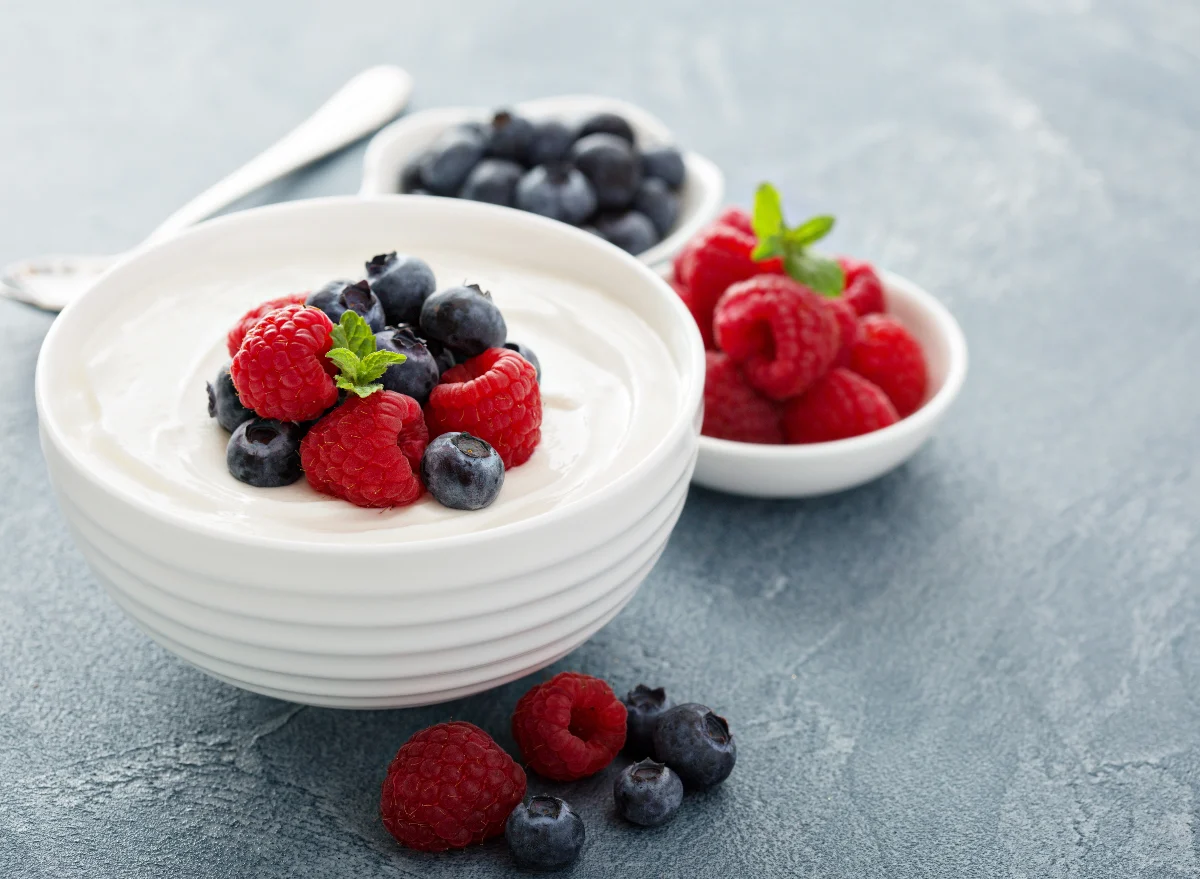
1. Greek Yogurt with Berries: A Synergistic Power Duo
Collingwood positions Greek yogurt with berries as a top-tier snack for older adults due to its exceptional nutrient profile. "Protein becomes especially important as we age to help preserve muscle, and Greek yogurt delivers a solid protein boost in a small, easy-to-eat snack," she explains. "Adding berries adds fiber, which helps keep hunger at bay longer. This combo supports muscle health, digestion, and steady energy."
Greek Yogurt Deep Dive: Unlike regular yogurt, Greek yogurt undergoes a straining process that removes most of the whey, resulting in a thicker, creamier product with significantly higher protein content—often double that of traditional yogurt. A single serving can provide 15-20 grams of high-quality protein, including both fast-digesting whey and slow-digesting casein, ensuring a sustained release of amino acids critical for muscle repair and growth. Furthermore, Greek yogurt is an excellent source of calcium, vital for maintaining bone density, a critical concern for older adults at risk of osteoporosis. Many varieties also contain live and active cultures (probiotics), which support gut health and immune function, both of which can decline with age.
The Berry Advantage: Berries, such as blueberries, raspberries, strawberries, and blackberries, are nutritional powerhouses. They are rich in dietary fiber, contributing significantly to the feeling of fullness and aiding digestion. Beyond fiber, berries are loaded with antioxidants, particularly anthocyanins, which combat oxidative stress and inflammation—processes implicated in aging and chronic diseases. They also provide essential vitamins like Vitamin C and K, and various phytonutrients. Importantly, berries have a relatively low glycemic index, meaning they cause a slower, more controlled rise in blood sugar compared to many other fruits, making them an ideal choice for blood sugar stability.
Synergistic Benefits: The combination of Greek yogurt and berries creates a near-perfect snack. The protein from the yogurt and the fiber from the berries work in concert to slow digestion, stabilize blood sugar, and prolong satiety. This prevents energy crashes and reduces the likelihood of reaching for less healthy, high-sugar snacks. For individuals over 60, this translates to better muscle maintenance, improved bone health, enhanced digestive regularity, and sustained energy levels throughout the day. It’s also a highly customizable snack; a sprinkle of nuts or seeds can add healthy fats and further boost fiber and micronutrient content.
2. Harvest Snaps with Hummus or Cottage Cheese: The Savory Crunch Solution
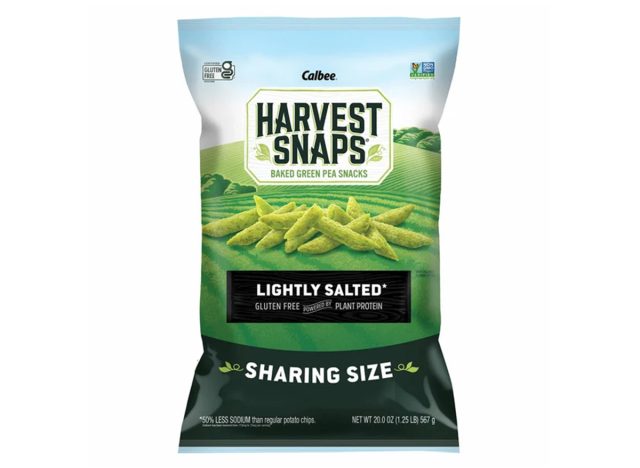
For those craving a savory and crunchy snack, Collingwood recommends Harvest Snaps paired with hummus or cottage cheese. "Harvest Snaps Lightly Salted are made from real veggies, so they naturally provide 4g of fiber and 5g of satiating, whole food-sourced protein," she notes. "Pairing them with hummus or cottage cheese adds even more protein. The crunch satisfies cravings, while protein and fiber work together to promote fullness."
Harvest Snaps as a Smart Alternative: Traditional salty snacks like potato chips often offer little nutritional value beyond empty calories and unhealthy fats. Harvest Snaps, typically made from green peas or lentils, represent a significant upgrade. Their base ingredient provides inherent fiber and plant-based protein, offering a satisfying crunch without the nutritional drawbacks of highly processed alternatives. The "Lightly Salted" varieties also help manage sodium intake, which is important for cardiovascular health in older adults.
Hummus: A Mediterranean Staple: Hummus, a spread made from chickpeas, tahini (sesame paste), olive oil, lemon juice, and garlic, is a fantastic source of plant-based protein and dietary fiber. Chickpeas are legumes renowned for their ability to promote satiety and provide sustained energy. The healthy fats from tahini and olive oil contribute to satiety and offer cardiovascular benefits. Hummus is also rich in various minerals like iron, folate, and magnesium.
Cottage Cheese: A Protein Powerhouse: Cottage cheese is another excellent accompaniment, providing a substantial amount of casein protein, which digests slowly and offers a prolonged feeling of fullness. A half-cup serving can contain 12-14 grams of protein, along with calcium and B vitamins. Its mild flavor makes it a versatile dip or spread, and its soft texture can be beneficial for those with dental issues.
Combined Impact: This snack combination offers a balanced profile of protein, fiber, and some healthy fats. The crunch of the Harvest Snaps provides sensory satisfaction often missing from healthier snacks, while the protein and fiber from both components ensure lasting satiety. This can be particularly effective in curbing mid-afternoon hunger pangs that often lead to less healthy choices. The versatility allows individuals to choose based on preference or dietary needs, making it a flexible option for diverse palates.
3. Apple Slices with Peanut or Almond Butter: The Classic Heart-Healthy Treat
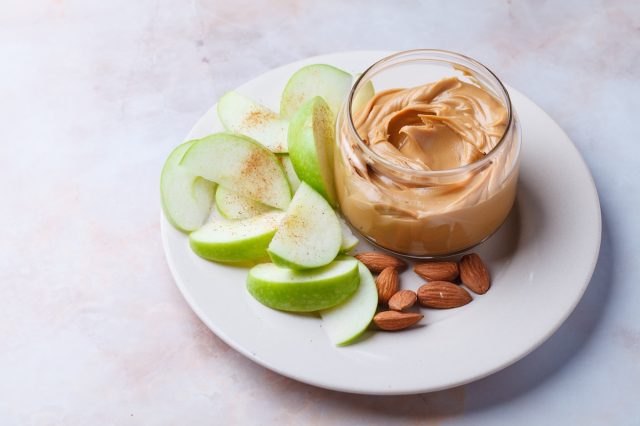
A timeless and universally appealing snack, apple slices with nut butter, makes Collingwood’s list for its potent combination of fiber, protein, and healthy fats. "Fiber from fruit plus protein and fat from nut butter is a classic combination that works especially well after 50, when blood sugar stability and satiety really matter," Collingwood explains. "This snack is portable, satisfying, and easy to adjust for appetite."
Apples: More Than Just Fiber: Apples are an excellent source of dietary fiber, particularly pectin, a soluble fiber known for its cholesterol-lowering properties and its ability to support gut health. They also contain various antioxidants, including quercetin and catechins, which have anti-inflammatory effects and may contribute to heart health and cognitive function. The natural sweetness and crisp texture of apples provide a refreshing and satisfying base for this snack.
Nut Butters: Healthy Fats and Protein: Peanut butter and almond butter are rich in monounsaturated and polyunsaturated fats, which are beneficial for heart health and can help reduce LDL ("bad") cholesterol levels. They also provide a good amount of plant-based protein and fiber, further enhancing satiety. Beyond macronutrients, nut butters deliver essential vitamins and minerals, such as Vitamin E (a powerful antioxidant), magnesium, and potassium. Choosing natural varieties with minimal added sugars and unhealthy oils is crucial for maximizing health benefits.
Blood Sugar Stability and Portability: The synergy between the apple’s fiber and the nut butter’s protein and healthy fats is key. This combination slows down the absorption of sugars from the apple, preventing rapid spikes and subsequent crashes in blood glucose levels. Maintaining stable blood sugar is particularly important for older adults, who may be at higher risk for insulin resistance or type 2 diabetes. Furthermore, this snack is incredibly portable and requires minimal preparation, making it an ideal choice for busy individuals or those on the go, encouraging consistent healthy eating habits.
4. Smoothie with Protein and Fiber: The Customizable Nutrient Delivery System
Rounding out the recommendations is a smoothie packed with protein and fiber, a versatile option for nutrient delivery. "A small smoothie with protein powder, berries, and chia or flax offers both protein and fiber in a convenient form," says Collingwood. "You can customize the type of protein you prefer and drink it at your desk or on the go."
Smoothies as a Nutritional Lifeline: For older adults, especially those experiencing reduced appetite, chewing difficulties, or who simply find it challenging to consume enough whole foods, smoothies can be an invaluable tool. They offer a liquid, easily digestible format for concentrated nutrients.
Protein Powder Options: The choice of protein powder allows for significant customization.
- Whey protein: A fast-absorbing dairy-based protein, excellent for muscle repair.
- Casein protein: A slow-digesting dairy protein, providing sustained amino acid release.
- Plant-based proteins: Pea, rice, hemp, or soy protein powders offer alternatives for those with dairy allergies or who follow vegan diets, providing comparable protein content. These options ensure that individuals can meet their protein requirements regardless of dietary restrictions.
Fiber Boosters: Incorporating chia seeds or flax seeds significantly increases the fiber content of a smoothie.
- Chia seeds: Excellent source of soluble fiber, omega-3 fatty acids (ALA), and various minerals. They form a gel-like consistency, contributing to satiety.
- Flax seeds: Also rich in fiber and omega-3s (ALA), known for their digestive and cardiovascular benefits.
- Berries: As discussed earlier, berries add natural sweetness, antioxidants, and a healthy dose of fiber.
Hydration and Micronutrients: The liquid base (water, unsweetened almond milk, soy milk, or low-fat dairy milk) contributes to daily hydration goals, which are often unmet in older adults. Adding a handful of spinach or kale can further boost micronutrient intake without significantly altering the taste. This makes smoothies a comprehensive, highly adaptable snack that can be tailored to individual tastes, nutritional needs, and caloric goals, ensuring a sustained release of energy and essential nutrients.
Broader Implications and a Public Health Perspective
The emphasis on strategic snacking for older adults carries significant public health implications. As global populations age, the prevalence of age-related conditions such as sarcopenia, metabolic syndrome, type 2 diabetes, and cardiovascular diseases is rising. Nutritional interventions, particularly those focusing on consistent protein and fiber intake, offer a cost-effective and accessible strategy for prevention and management.
By integrating these dietitian-approved snacks into daily routines, older adults can proactively work towards:
- Maintaining muscle mass: Reducing the risk of falls and preserving functional independence.
- Improving metabolic health: Better blood sugar control and support for healthy weight management.
- Enhancing digestive health: Alleviating common gastrointestinal issues.
- Boosting energy levels and overall vitality: Contributing to a higher quality of life.
- Reducing healthcare burdens: By preventing or mitigating chronic diseases associated with poor nutrition.
Organizations such as the World Health Organization (WHO) and national dietary guidelines consistently highlight the importance of nutrient-dense foods and adequate protein for healthy aging. The recommendations from experts like Tara Collingwood align perfectly with this broader consensus, advocating for practical, evidence-based dietary choices that empower individuals to take control of their health trajectory. This shift in perception, from viewing snacks as potential pitfalls to seeing them as powerful allies, represents a crucial evolution in geriatric nutrition.
In conclusion, the era of fearing snacks, especially for those over sixty, is receding. With expert guidance, older adults can leverage the power of thoughtful snacking to not only satisfy hunger and cravings but also to actively support fat loss, preserve crucial muscle mass, and optimize metabolic function. The carefully curated options—Greek yogurt with berries, Harvest Snaps with protein-rich dips, apple slices with nut butter, and customizable protein-fiber smoothies—offer tangible pathways to a more vibrant and healthier later life, demonstrating that nourishing the body effectively is a continuous, day-long endeavor.
