








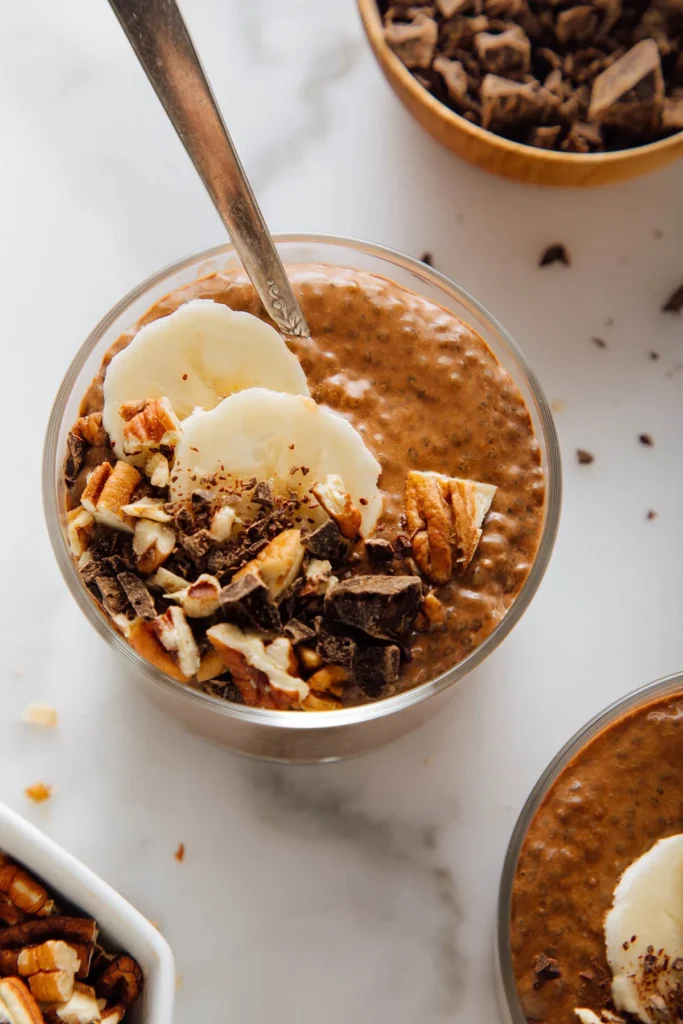
Chocolate chia seed pudding, a deceptively simple yet profoundly nutritious dessert, is rapidly gaining traction in kitchens worldwide, challenging traditional notions of what constitutes a satisfying sweet treat. Far from the often-disguised "healthy" alternatives that compromise on taste, this particular rendition offers an authentic dessert experience while delivering a robust nutritional profile. It stands out by integrating whole, plant-based ingredients to create a rich, creamy texture and deep chocolate flavor without relying on refined sugars or heavy dairy. This innovative approach positions it not merely as a dessert but as a functional food, offering substantial health benefits alongside its undeniable appeal.
The Genesis of a Modern Classic: Simplicity Meets Superfood
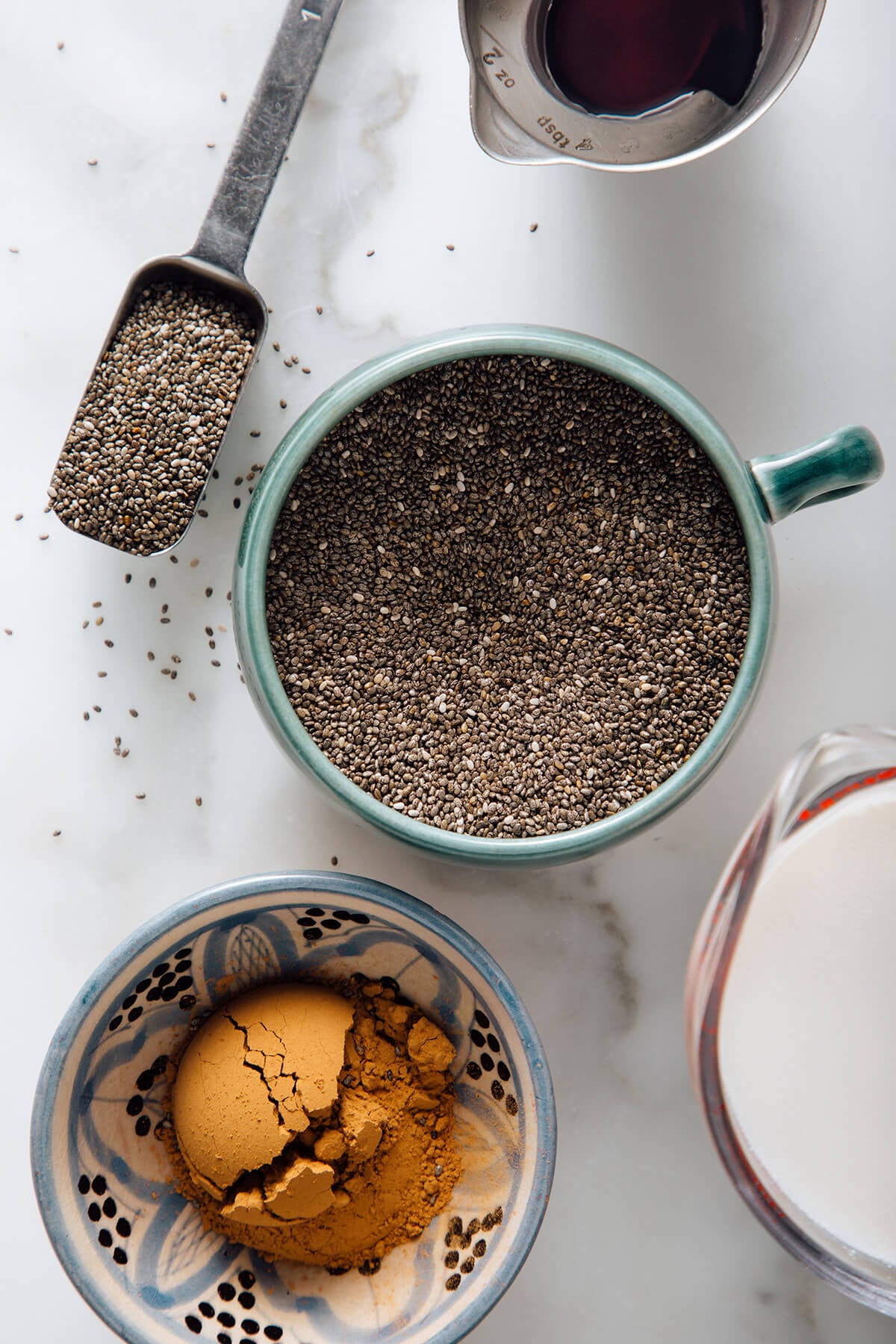
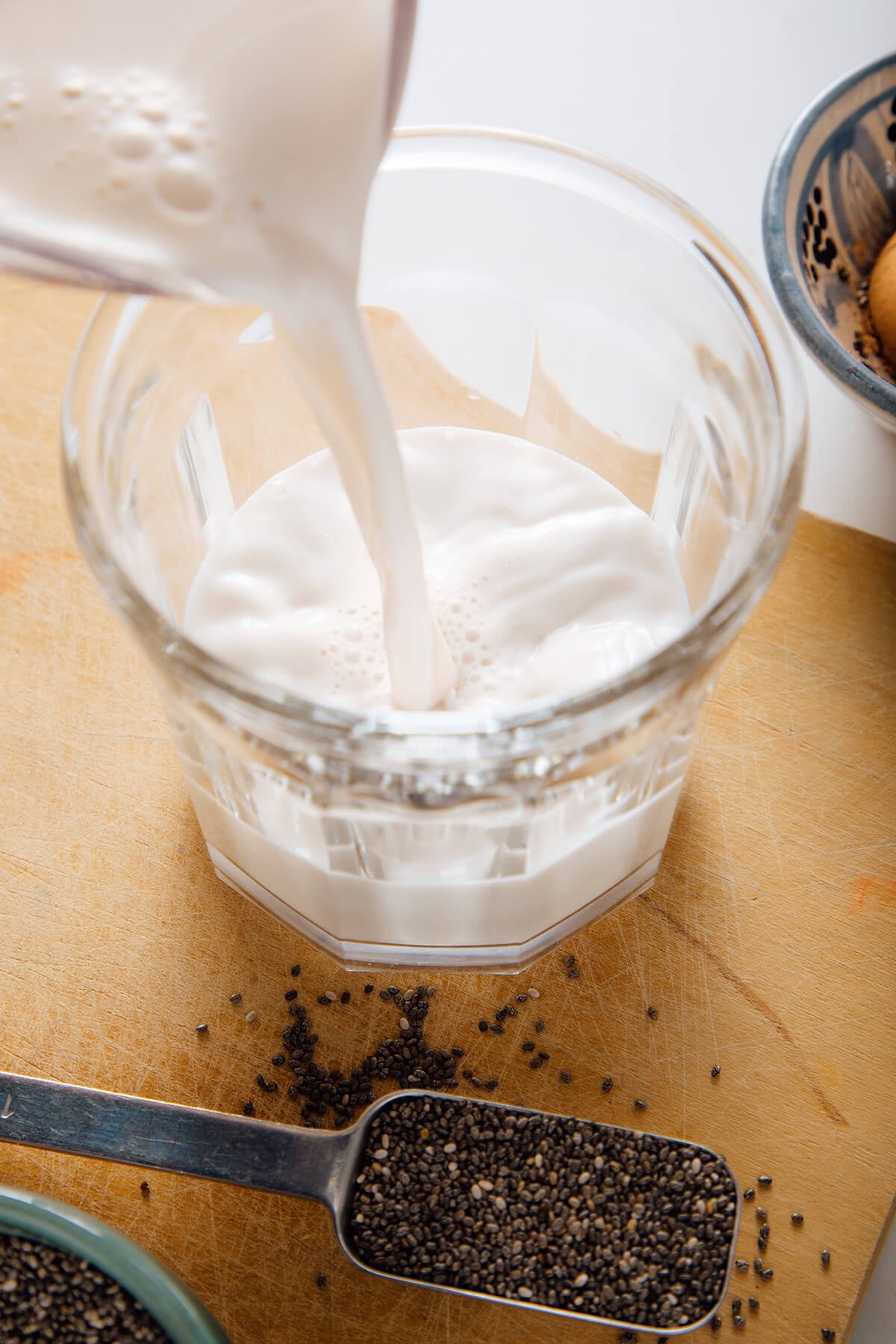
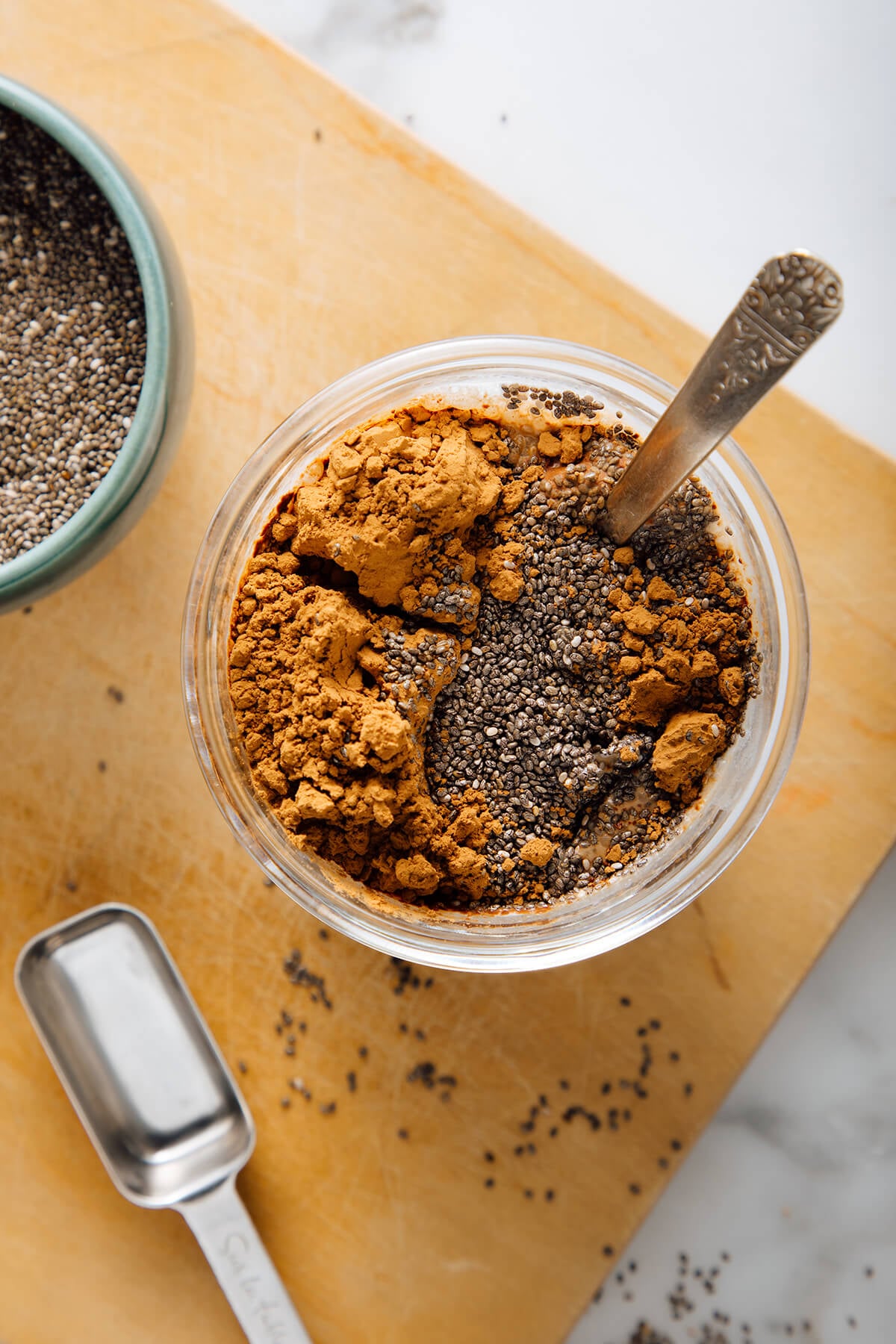
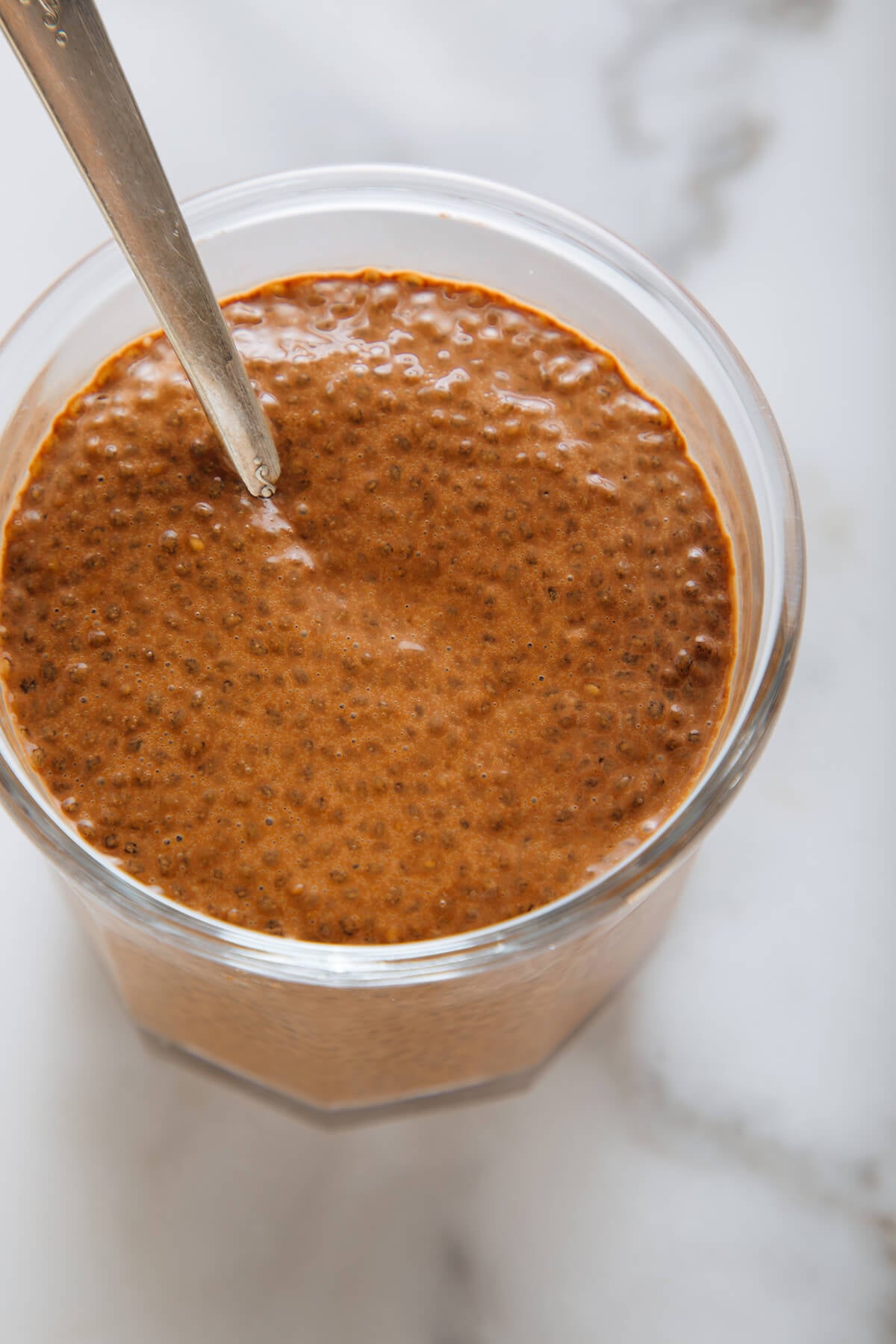
At its core, the chocolate chia seed pudding epitomizes culinary minimalism and nutritional maximization. The foundational recipe requires only four primary ingredients: a milk of choice (often plant-based like almond, cashew, or coconut milk), chia seeds, cocoa powder, and a natural sweetener such as maple syrup. This minimalist ingredient list belies the profound transformation that occurs when these components are combined and allowed to chill. Over a mere couple of hours, the hydrophilic chia seeds absorb the liquid, swelling to form a gel-like matrix that gives the pudding its characteristic thick, satisfying texture. This process, requiring no cooking, distinguishes it from conventional custard-based puddings that demand meticulous tempering and heating. The result is a smooth, rich dessert that, to many, evokes the comfort of a traditional chocolate pudding, yet boasts a significantly superior nutritional composition.
Chia Seeds: An Ancient Grain’s Modern Renaissance
The central ingredient, chia seeds, are tiny powerhouses with a history stretching back to ancient Mesoamerican civilizations. Cultivated by the Aztecs and Mayans, these seeds were a dietary staple, revered for their sustained energy-boosting properties and considered a vital component of warriors’ diets. The term "chia" itself is derived from the Nahuatl word "chian," meaning "oily" or "strength." After centuries of relative obscurity following the Spanish conquest, chia seeds have experienced a remarkable resurgence in the 21st century, propelled by a global movement towards superfoods and functional ingredients.
Modern scientific research has validated the ancestral wisdom surrounding chia seeds. They are an exceptional source of dietary fiber, with a single serving providing a substantial portion of the recommended daily intake. This fiber content is crucial for digestive health, promoting regularity and contributing to satiety, which can aid in weight management. Beyond fiber, chia seeds are rich in plant-based protein, essential for muscle repair and growth, making them particularly valuable for vegetarian and vegan diets. Furthermore, they are one of the richest plant-based sources of omega-3 fatty acids, specifically alpha-linolenic acid (ALA). Omega-3s are vital for heart health, brain function, and reducing inflammation throughout the body. The seeds also contain an array of micronutrients, including calcium, phosphorus, magnesium, and manganese, all critical for bone health and various metabolic processes.
Redefining Dessert: Health-Conscious Indulgence
The growing popularity of chocolate chia seed pudding is emblematic of a broader culinary shift where consumers are increasingly seeking healthier alternatives that do not sacrifice flavor or texture. For years, "healthy desserts" often carried a stigma of being bland, overly virtuous, or featuring unfamiliar ingredients that detracted from the overall experience. The article’s initial skepticism towards "sneaky healthy ingredients like avocado or sweet potato" in desserts reflects a common consumer sentiment: the desire for an authentic taste without discernible compromises.
This chia pudding, however, successfully bridges that gap. It leverages the natural gelling properties of chia seeds and the inherent richness of cocoa to deliver a dessert that truly satisfies. This aligns with a significant trend identified by food industry analysts, where consumers are not only looking for "free-from" products (gluten-free, dairy-free, vegan) but also for "plus-one" benefits – items that actively contribute to their well-being through added nutrients. The pudding’s impressive nutritional stats, including 8 grams of fiber and 5 grams of protein per serving, position it perfectly within this evolving landscape. It represents a victory for the health-conscious individual who yearns for a decadent treat that also supports their dietary goals.
Nutritional Deep Dive: A Powerhouse in Every Spoonful
A closer examination of the nutritional contributions of chocolate chia seed pudding reveals why it has garnered such acclaim among dietitians and health enthusiasts.
- Fiber: The primary benefit stems from its high fiber content. Dietary fiber plays a crucial role in maintaining a healthy digestive system, preventing constipation, and promoting a balanced gut microbiome. Beyond digestion, fiber helps regulate blood sugar levels by slowing the absorption of glucose, thus preventing sharp spikes and crashes. This makes the pudding a suitable option for individuals managing blood sugar or seeking sustained energy.
- Protein: With 5 grams of plant-based protein, this pudding contributes to satiety, helping to keep hunger at bay and reducing the likelihood of overeating later. Protein is fundamental for building and repairing tissues, producing enzymes and hormones, and supporting immune function. For those adhering to plant-based diets, incorporating diverse protein sources like chia seeds is essential.
- Healthy Fats: The healthy plant-based fats, primarily omega-3 fatty acids, are crucial for cardiovascular health. Omega-3s help reduce triglycerides, lower blood pressure, and decrease the risk of heart disease. They also play a vital role in brain health, supporting cognitive function and potentially reducing the risk of neurodegenerative diseases.
- Antioxidants: Cocoa powder, a key ingredient, is renowned for its high antioxidant content, particularly flavonoids. These compounds help combat oxidative stress in the body, which is linked to various chronic diseases and aging. The combination of cocoa and chia seeds creates an antioxidant-rich dessert.
Simplified Culinary Process: Accessibility for All
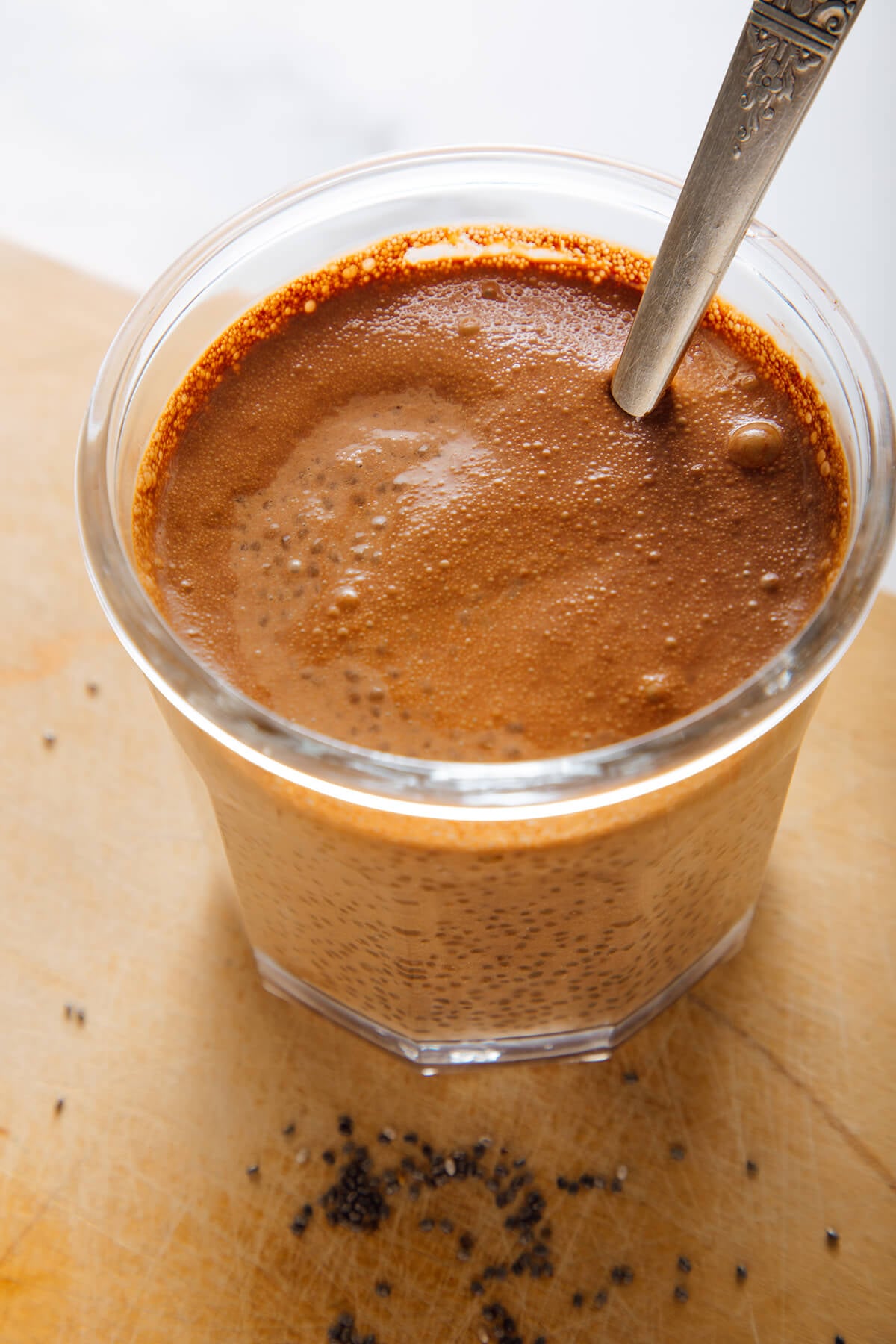
The ease of preparation is a significant factor in the pudding’s widespread appeal. Unlike traditional puddings that often involve cooking over heat, constant stirring, and precise temperature control, chocolate chia seed pudding is a no-cook recipe. The process typically involves whisking the four base ingredients together in a jar or bowl, then allowing it to set in the refrigerator. This hands-off approach makes it an ideal option for meal prepping, busy individuals, or those new to healthy cooking. The minimal effort required democratizes access to nutritious and delicious homemade desserts, removing common barriers associated with complex recipes.
Versatility and Customization: Tailoring to Every Palate
Beyond its fundamental simplicity, the chocolate chia seed pudding is remarkably versatile, allowing for endless customization to suit individual preferences and dietary needs.
- Flavor Intensity: For those who prefer a milder chocolate experience, reducing the cocoa powder to a single tablespoon yields a lighter, milk chocolate-like flavor, which can be particularly appealing to younger palates. Conversely, increasing the cocoa powder can create an even darker, more intense chocolate profile.
- Textural Enhancements: To introduce additional texture and a heightened sense of indulgence, stirring in a teaspoon of chopped dark chocolate or mini chocolate chips can provide satisfying bursts of chocolatey goodness, while also subtly masking the unique texture of the chia seeds for those who might be less accustomed to it.
- Nut Butter Infusions: The addition of nut butters, such as peanut butter or almond butter, transforms the pudding into a richer, more complex dessert. A tablespoon or two stirred in not only enhances flavor but also boosts protein and healthy fat content. Adjusting the maple syrup might be necessary to balance the savory notes of the nut butter.
- Smooth Consistency: For individuals who prefer a completely smooth texture, the pudding can be blended on high speed after it has set. This process breaks down the chia seeds, resulting in a velvety, mousse-like consistency, offering another dimension to the dish.
Expert Perspectives on Functional Desserts
Nutritionists and food scientists widely endorse the principles behind recipes like chocolate chia seed pudding. Dr. Eleanor Vance, a leading dietitian specializing in plant-based nutrition, notes, "The beauty of chia seed pudding lies in its ability to deliver significant nutritional benefits without compromising on the sensory experience of a dessert. It’s a prime example of how whole foods can be cleverly integrated into our diets to improve overall health, providing fiber, protein, and essential fatty acids in a delicious package." She emphasizes that such recipes contribute to a more balanced diet, offering a guilt-free way to satisfy sweet cravings while actively nourishing the body.
Food trend analysts also highlight the strategic importance of such innovations. "Consumers are increasingly sophisticated," states Marcus Chen, a market research expert focusing on healthy foods. "They want transparency in ingredients and demonstrable health benefits. Recipes like chocolate chia pudding meet these demands perfectly. They’re easy to make at home, adaptable, and align with major dietary trends such as veganism, gluten-free, and clean eating. This is not just a passing fad; it’s a fundamental shift in how we approach food."
Market Dynamics and Broader Implications
The rise of desserts like chocolate chia seed pudding has tangible implications for the food industry and consumer behavior. The demand for chia seeds themselves has surged globally, leading to increased cultivation and market growth for suppliers. Similarly, the market for plant-based milks and natural sweeteners like maple syrup continues to expand, driven by consumers seeking healthier and more sustainable options.
This trend also empowers home cooks, offering accessible methods to create wholesome meals and snacks. It reduces reliance on highly processed, store-bought desserts that often contain excessive amounts of refined sugar, unhealthy fats, and artificial additives. By making nutrient-dense ingredients like chia seeds approachable and palatable, these recipes foster greater culinary independence and dietary awareness among the general public.
Optimizing Your Chocolate Chia Seed Pudding: Key Considerations
To achieve the best possible results, a few culinary best practices are recommended. The freshness of chia seeds is paramount. Stale or rancid chia seeds can impart an off-flavor, compromising the entire pudding. Always check the expiration date on the packaging and, if unsure, perform a quick sniff test; fresh chia seeds should have a neutral, almost nutty aroma.
Regarding milk choices, while cow’s milk can be used, plant-based milks like cashew, almond, or coconut milk (from a carton, not canned full-fat coconut milk unless a richer, denser pudding is desired) are often preferred for their lighter texture and alignment with vegan dietary preferences. Sweetener options are also flexible; while maple syrup provides a subtle flavor and liquid consistency, honey can be used for a slightly sweeter result with its distinct flavor. Granulated sugars like cane sugar or coconut sugar are also viable but require extra whisking to ensure complete dissolution, preventing a grainy texture.
Topping Options: Elevating the Experience
The final flourish for any chocolate chia seed pudding is the choice of toppings, which can transform the dish from a simple snack into an elegant dessert or a fun, kid-friendly treat.

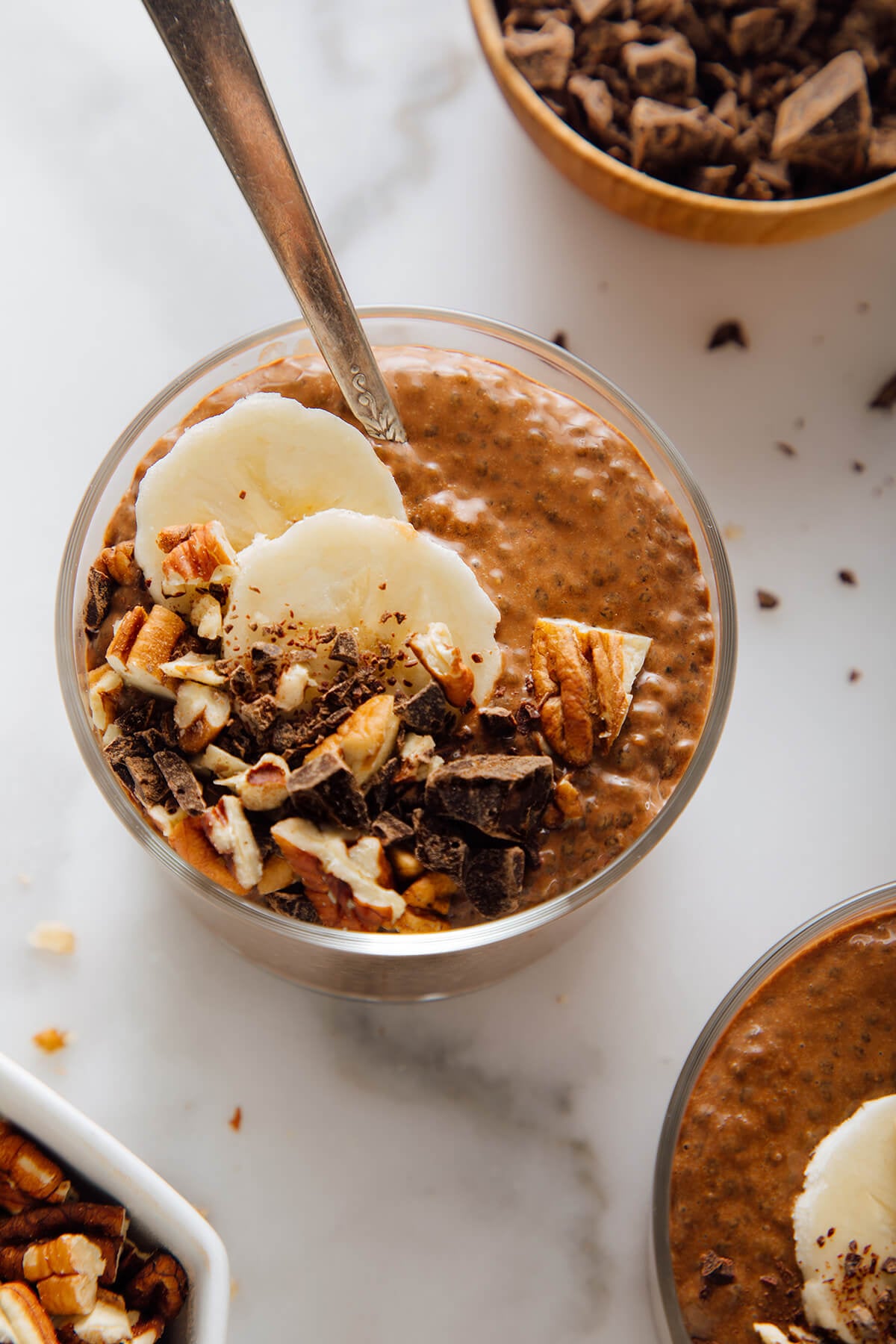
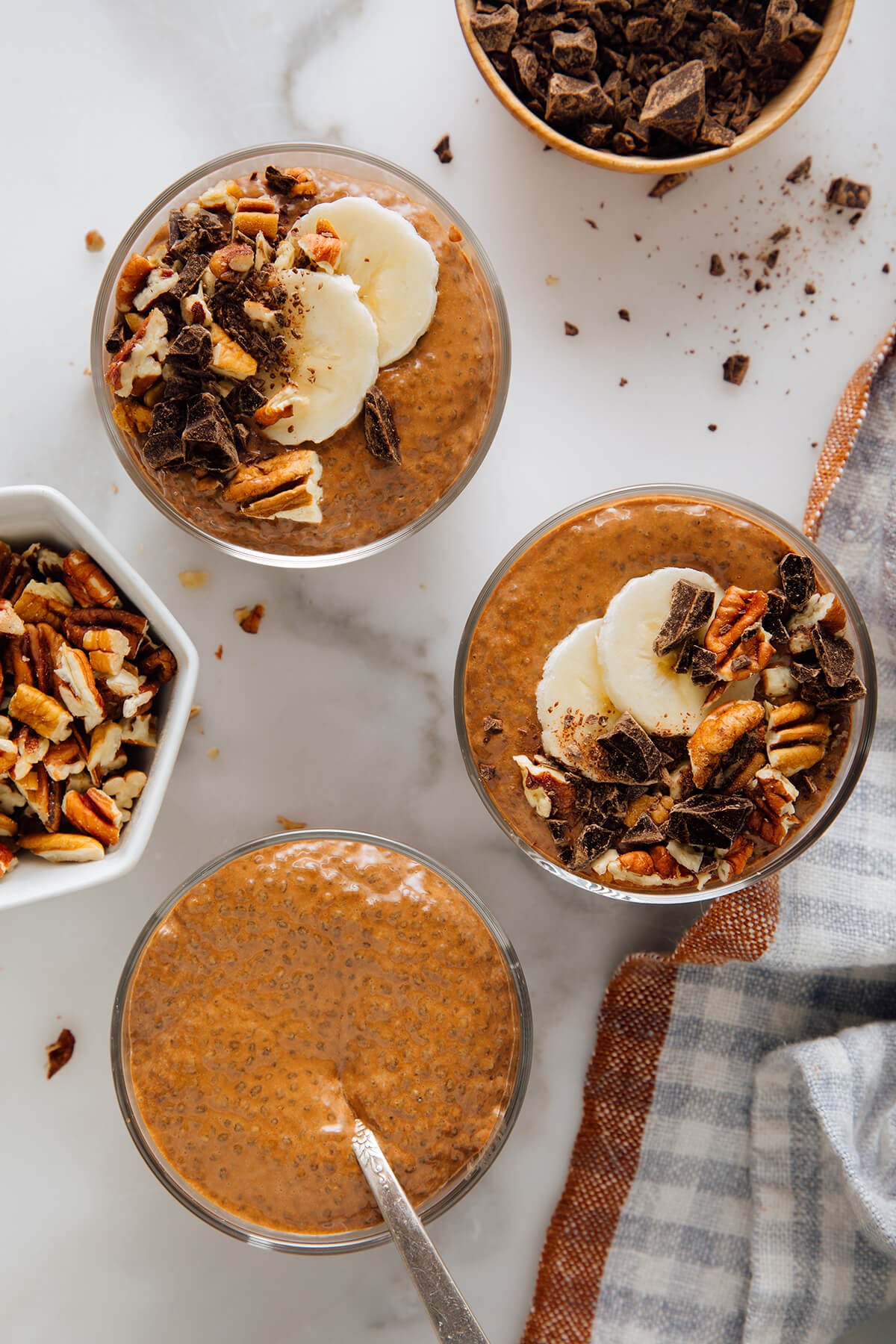
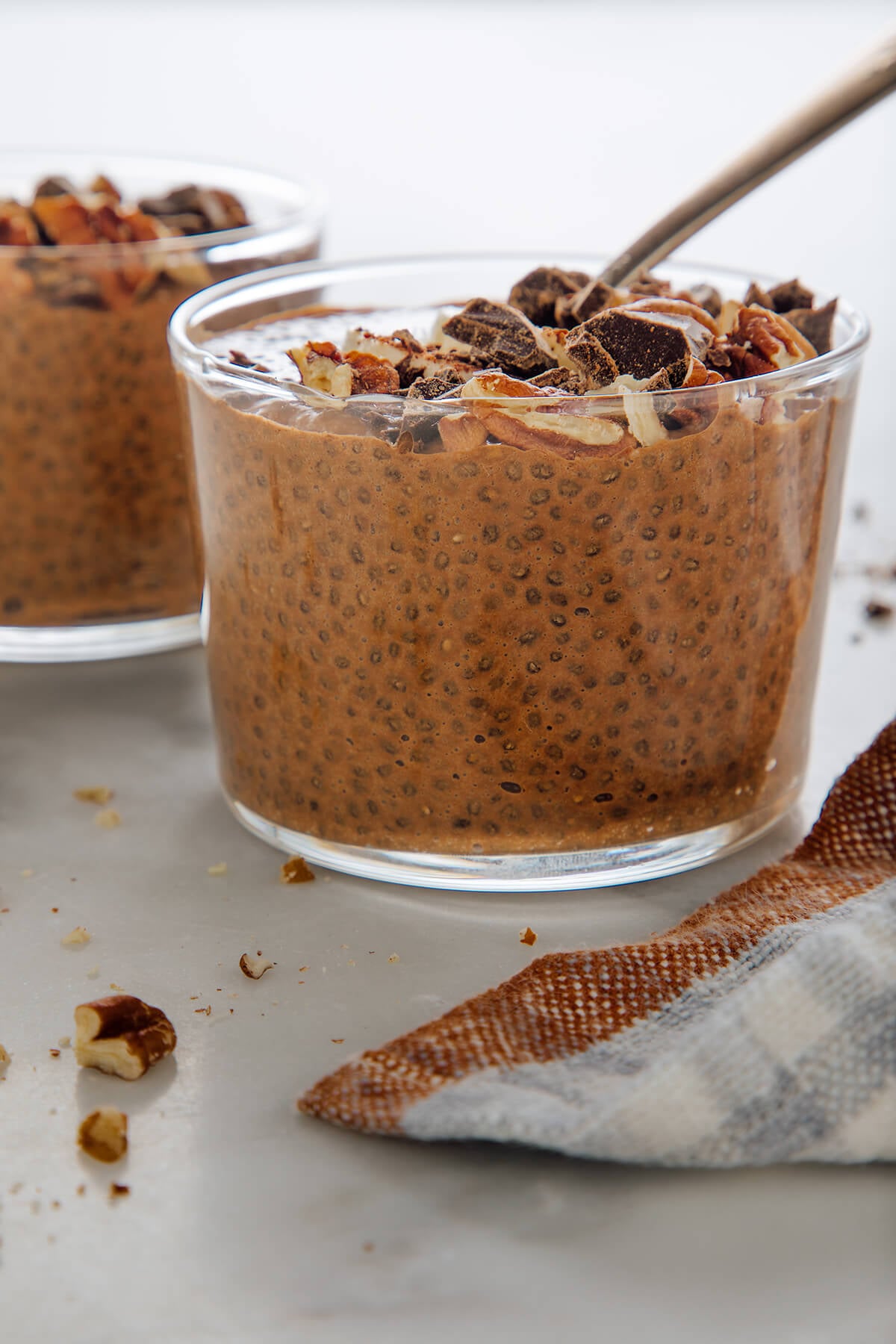
- Classic Indulgence: A sprinkle of chopped dark chocolate and toasted pecans adds both crunch and intensified chocolate flavor, alongside healthy fats. A dollop of homemade whipped cream, whether dairy or coconut-based, elevates the pudding to a truly decadent experience.
- Fruity Freshness: Fresh berries (strawberries, raspberries, blueberries) offer a vibrant contrast in flavor and color, providing antioxidants and natural sweetness. Sliced banana adds creaminess and natural sugars, complementing the chocolate perfectly.
- Nutty & Crunchy: Beyond pecans, toasted walnuts, almonds, or granola can provide satisfying crunch and additional nutrients.
- Kid-Friendly Fun: For younger audiences, transforming the pudding into "dirt pudding" with crushed Oreo cookies and gummy worms can make healthy eating exciting and enjoyable.
- Tropical Twist: Shredded coconut, especially toasted, can introduce a tropical dimension.
- Savory Notes: A sprinkle of sea salt can enhance the chocolate flavor, creating a sophisticated sweet-and-salty profile.
In conclusion, the chocolate chia seed pudding stands as a testament to the evolving landscape of modern cuisine, where health and indulgence are no longer mutually exclusive. Its simplicity, nutritional density, and remarkable versatility have cemented its status as a staple in the repertoire of health-conscious individuals and a symbol of a broader culinary movement that prioritizes wholesome, delicious, and accessible food choices. As consumers continue to seek foods that nourish both body and soul, this humble yet mighty pudding is poised to maintain its prominence, leading the charge for a new generation of guilt-free treats.