








Snacking, often maligned as a contributor to weight gain, is being reframed by nutritional experts as a powerful tool for optimizing health, particularly for individuals over the age of sixty. Far from being an unnecessary addition of calories, strategic snacking can be a critical component of a diet aimed at preserving lean muscle mass, supporting a healthy metabolism, and facilitating fat loss as the body ages. This nuanced perspective on interim meals emphasizes nutrient density, protein intake, and fiber content, directly addressing the unique physiological shifts that occur in later life. Understanding these dynamics is crucial for maintaining vitality and independence in the golden years.
The conventional wisdom that associates snacking with detrimental dietary habits often stems from a focus on processed, high-sugar, or high-fat convenience foods. However, dietitians now advocate for a deliberate approach to snacking, viewing it as an opportunity to deliver essential nutrients, manage hunger, and stabilize blood sugar levels between main meals. For those navigating the complexities of aging, where metabolic rates naturally decline and muscle mass can dwindle, the right snacks can play an indispensable role in promoting overall well-being. This proactive dietary strategy is not merely about weight management; it encompasses a holistic approach to sustaining muscle integrity, metabolic efficiency, and cognitive function.
The Evolving Nutritional Landscape Post-60: Understanding Physiological Shifts
As individuals transition into their sixties and beyond, the human body undergoes a series of predictable physiological changes that directly impact nutritional requirements and metabolic function. One of the most significant concerns is sarcopenia, the progressive and generalized loss of skeletal muscle mass and strength. This age-related condition not only diminishes physical capacity but also reduces basal metabolic rate (BMR), as muscle tissue is more metabolically active than fat. A lower BMR means fewer calories are burned at rest, making weight management more challenging and increasing the propensity for fat accumulation, particularly around the abdomen.
Beyond muscle loss, hormonal changes, such as a decrease in growth hormone and sex hormones, further contribute to altered body composition and metabolic slowdown. Digestive efficiency can also decline, affecting nutrient absorption and potentially leading to deficiencies. Appetite regulation may become less precise, with some older adults experiencing a blunted sense of hunger or satiety, while others might contend with dental issues or swallowing difficulties that complicate meal choices. These interwoven factors underscore the necessity of a diet rich in high-quality protein, fiber, and micronutrients, strategically distributed throughout the day. Snacking, when approached thoughtfully, serves as an excellent vehicle to consistently deliver these vital components, helping to counteract age-related decline and promote metabolic resilience.
Beyond Calorie Counting: The Imperative of Nutrient Density and Satiety
In the context of aging, simply counting calories often proves an inadequate strategy for achieving health objectives. The focus must shift towards nutrient density – selecting foods that offer the maximum nutritional value for their caloric content. For individuals over 60, every calorie consumed should ideally contribute meaningfully to their health goals, whether it’s muscle preservation, bone density, or metabolic support. Protein and fiber stand out as two macronutrients that are particularly critical in this demographic.

Protein is fundamental for muscle protein synthesis, the process by which the body repairs and builds muscle tissue. Adequate protein intake is essential to mitigate sarcopenia and maintain strength. Furthermore, protein has a high thermic effect of food (TEF), meaning the body expends more energy digesting it compared to fats or carbohydrates, which can slightly boost metabolism. It is also highly satiating, helping to curb hunger and reduce overall caloric intake without feelings of deprivation.
Fiber, both soluble and insoluble, contributes significantly to digestive health, regulates blood sugar levels, and enhances satiety. Soluble fiber forms a gel-like substance in the digestive tract, slowing glucose absorption and preventing sharp spikes and crashes in blood sugar, which can be beneficial for managing energy levels and reducing cravings. Insoluble fiber adds bulk to stool, promoting regular bowel movements and preventing constipation, a common issue in older adults. Together, protein and fiber create a powerful synergy, promoting feelings of fullness and stability that are crucial for managing weight and preventing the "belly pooch" often associated with metabolic changes in later life.
To shed light on effective snacking strategies, we consulted Tara Collingwood, MS, RDN, CSSD, LD/N, ACSM-CPT, a Board Certified Sports Dietitian and co-author of the Flat Belly Cookbook for Dummies. Collingwood emphasizes that intelligent snacking can be a game-changer, providing sustained energy, satisfying cravings, and delivering targeted nutrients. Her recommendations prioritize high-protein and high-fiber options that are both palatable and practical for daily consumption.
Expert-Endorsed Power Snacks for Optimal Health After 60
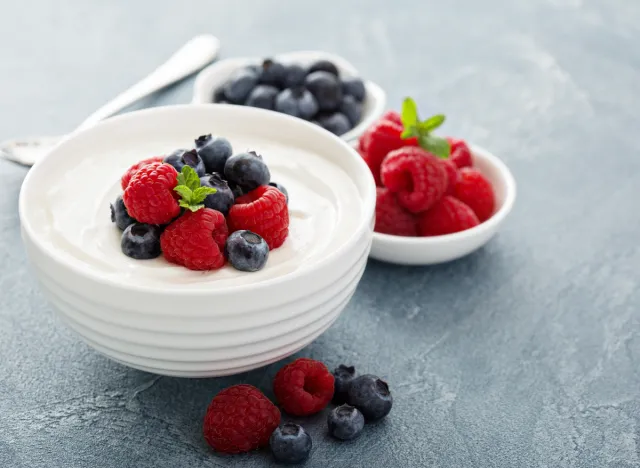
1. Greek Yogurt with Berries: A Synergistic Powerhouse
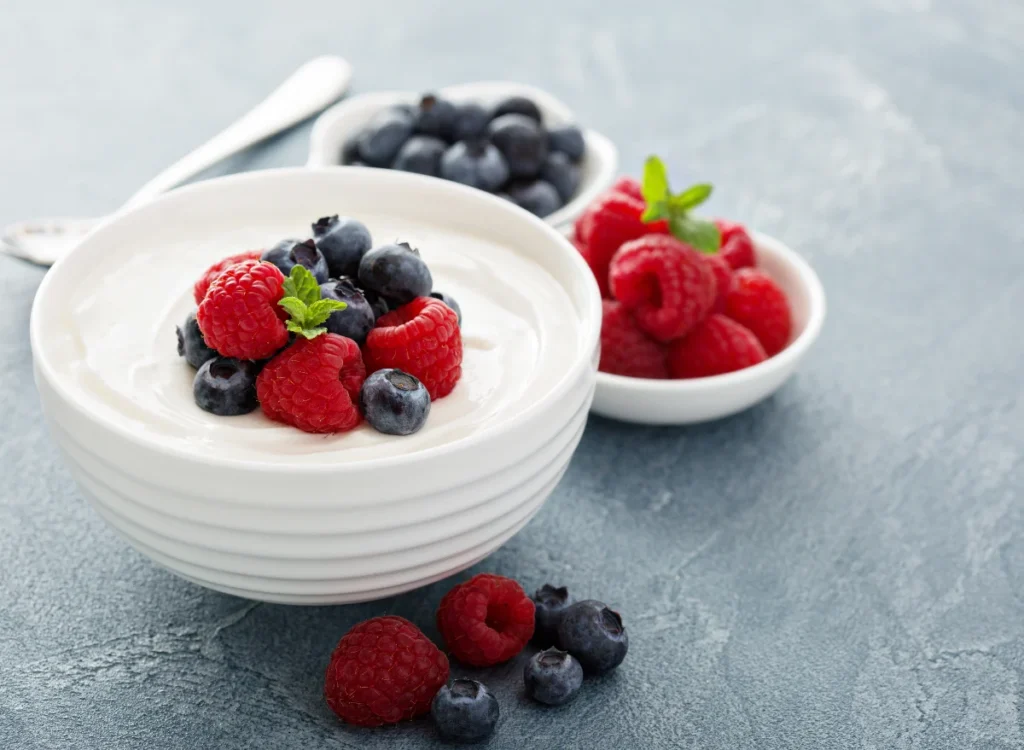
Greek yogurt with berries stands as a cornerstone recommendation, celebrated for its robust nutritional profile and ease of integration into any diet. Collingwood highlights its primary benefit: "Protein becomes especially important as we age to help preserve muscle, and Greek yogurt delivers a solid protein boost in a small, easy-to-eat snack. Adding berries adds fiber, which helps keep hunger at bay longer. This combo supports muscle health, digestion, and steady energy."
Greek yogurt distinguishes itself from regular yogurt by its higher protein content, often providing 15-20 grams per serving. This concentrated protein is crucial for combating sarcopenia, which affects an estimated 10-20% of adults over 60, significantly impacting mobility and quality of life. The protein in Greek yogurt, particularly casein, is slowly digested, ensuring a sustained release of amino acids that support muscle repair and growth over several hours. Beyond muscle health, Greek yogurt is also an excellent source of calcium and often fortified with vitamin D, both vital nutrients for maintaining bone density and preventing osteoporosis, a prevalent concern in the aging population. The probiotics naturally present in Greek yogurt further contribute to gut health, supporting a balanced microbiome which is increasingly linked to immune function, mood, and overall metabolic health.
Pairing Greek yogurt with berries elevates its nutritional value considerably. Berries—such as blueberries, raspberries, and strawberries—are packed with dietary fiber, which, as Collingwood notes, aids in prolonged satiety. A single cup of mixed berries can provide 4-8 grams of fiber, contributing significantly to the recommended daily intake of 25-30 grams. Furthermore, berries are potent sources of antioxidants, including anthocyanins and ellagic acid, which combat oxidative stress and inflammation, processes that accelerate aging and contribute to chronic diseases. These antioxidants have been linked to improved cognitive function and reduced risk of cardiovascular disease. The natural sweetness of berries also makes this snack a satisfying alternative to processed sugary treats, helping to manage blood sugar levels and prevent cravings. The combination of protein, fiber, calcium, and antioxidants makes Greek yogurt with berries a multifaceted snack that addresses several key nutritional needs for individuals over sixty, promoting not just fat loss but comprehensive well-being.
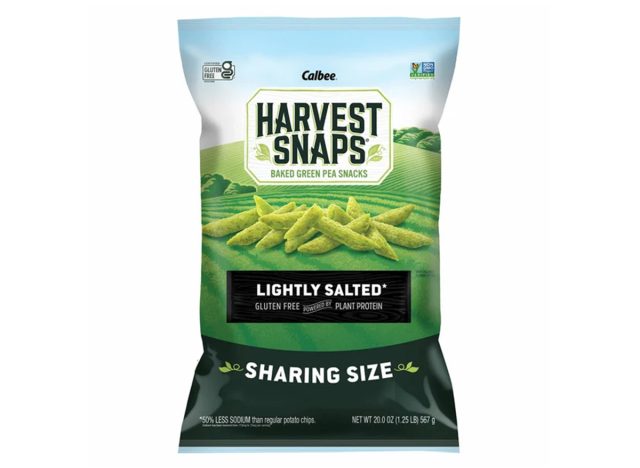
2. Harvest Snaps with Hummus or Cottage Cheese: The Savory Crunch Solution
For those who crave a savory snack with satisfying crunch, Harvest Snaps paired with hummus or cottage cheese offers an excellent option that aligns with the principles of nutrient density and satiety. Collingwood explains, "Harvest Snaps Lightly Salted are made from real veggies, so they naturally provide 4g of fiber and 5g of satiating, whole food-sourced protein. Pairing them with hummus or cottage cheese adds even more protein. The crunch satisfies cravings, while protein and fiber work together to promote fullness."
Harvest Snaps, typically made from green peas or lentils, are a healthier alternative to traditional potato chips. Their base ingredients inherently provide a respectable amount of plant-based protein and dietary fiber. This makes them an ideal choice for managing hunger without resorting to less nutritious options. The inclusion of plant protein is particularly valuable for older adults, as it contributes to the overall protein intake needed to combat sarcopenia, especially for those who may be reducing their meat consumption. The fiber content helps regulate digestion and maintain stable blood sugar levels, preventing energy crashes that can lead to unhealthy snacking later.
When paired with hummus, this snack becomes a powerhouse of plant-based nutrition. Hummus, made from chickpeas, tahini, olive oil, and lemon juice, is rich in fiber, healthy monounsaturated fats, and additional plant protein. A standard serving of hummus can add another 2-4 grams of protein and 2-4 grams of fiber, significantly boosting the satiety factor. The healthy fats in hummus contribute to cardiovascular health and aid in the absorption of fat-soluble vitamins. Alternatively, pairing Harvest Snaps with cottage cheese offers a dairy-based protein boost. Cottage cheese is renowned for its high protein content, primarily casein, which, like Greek yogurt, provides a slow and steady release of amino acids. A half-cup serving of cottage cheese can contain upwards of 12-15 grams of protein, along with calcium and vitamin B12, often deficient in older adults. The textural contrast—the crispness of the Harvest Snaps against the creamy hummus or cottage cheese—provides sensory satisfaction, making this snack both enjoyable and functionally beneficial for managing weight and supporting metabolic health.
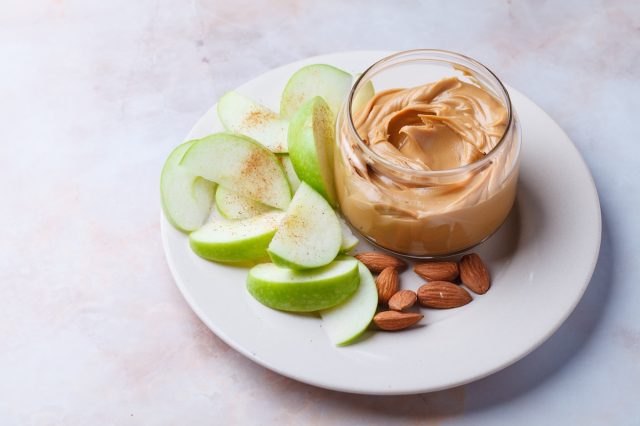
3. Apple Slices with Peanut or Almond Butter: A Classic Reimagined for Longevity
The timeless combination of apple slices with nut butter is not just a childhood favorite; it’s a strategically powerful snack, particularly beneficial for individuals over 50. Collingwood emphasizes its efficacy: "Fiber from fruit plus protein and fat from nut butter is a classic combination that works especially well after 50, when blood sugar stability and satiety really matter. This snack is portable, satisfying, and easy to adjust for appetite."
Apples are an excellent source of dietary fiber, particularly pectin, a soluble fiber known for its ability to lower cholesterol and stabilize blood glucose levels. A medium apple can provide approximately 4-5 grams of fiber, contributing significantly to daily fiber targets. The crisp texture of apples also contributes to a sense of fullness and chewing satisfaction. Beyond fiber, apples contain various vitamins and antioxidants, including vitamin C and quercetin, which support immune function and reduce inflammation.
The addition of peanut or almond butter transforms this fruit into a more substantial and satiating snack. Nut butters are rich in healthy monounsaturated and polyunsaturated fats, which are beneficial for heart health and can help reduce levels of LDL ("bad") cholesterol. These healthy fats contribute significantly to satiety, slowing down digestion and providing sustained energy, which is crucial for preventing mid-afternoon energy slumps and subsequent unhealthy cravings. A two-tablespoon serving of nut butter typically offers around 7-8 grams of protein and 2-3 grams of fiber, alongside essential micronutrients like magnesium, zinc, and vitamin E. Magnesium is vital for muscle and nerve function, blood sugar control, and blood pressure regulation, while zinc supports immune health. Vitamin E acts as a powerful antioxidant. For older adults, who may experience fluctuating blood sugar levels or reduced overall energy, this snack provides a balanced macronutrient profile that promotes stability and prolonged satisfaction. Its portability and minimal preparation make it an ideal choice for busy lifestyles, offering a reliable source of energy and vital nutrients on the go.
4. Smoothie with Protein and Fiber: Customizable Nutrition on the Go
For individuals seeking a convenient and highly customizable option, a smoothie packed with protein and fiber offers an excellent solution to fuel the body throughout the day. "A small smoothie with protein powder, berries, and chia or flax offers both protein and fiber in a convenient form. You can customize the type of protein you prefer and drink it at your desk or on the go," says Collingwood.
Smoothies provide unparalleled flexibility, allowing individuals to tailor ingredients to their specific taste preferences and nutritional needs. The core components of an effective smoothie for older adults should always include a high-quality protein source and ample fiber. Protein powder, whether whey, casein, or plant-based options like pea, rice, or soy protein, provides a concentrated dose of amino acids essential for muscle maintenance and repair. A typical scoop of protein powder can deliver 20-30 grams of protein, making it an efficient way to meet daily protein targets, which can be challenging for some older adults.
The inclusion of berries, as previously discussed, adds not only natural sweetness and flavor but also a significant fiber boost and a wealth of antioxidants. Further enhancing the fiber and healthy fat content are seeds like chia or flax. Chia seeds are a complete protein source and rich in soluble fiber, which forms a gel in the stomach, promoting fullness and slowing digestion. They are also an excellent source of omega-3 fatty acids, vital for brain health and reducing inflammation, which is particularly beneficial for cognitive function in older age. Flax seeds offer similar benefits, providing fiber, omega-3s (in the form of alpha-linolenic acid, ALA), and lignans, which have antioxidant properties.
Beyond these core ingredients, a smoothie can be further customized with leafy greens like spinach or kale (for vitamins K, A, and C, and additional fiber), healthy fats from avocado (for creaminess and monounsaturated fats), or a liquid base of unsweetened almond milk, soy milk, or water. This versatile format is particularly advantageous for older adults who may experience dental issues, swallowing difficulties, or reduced appetite, as it provides a nutrient-dense meal or snack in an easily consumable liquid form. The ease of preparation and consumption makes it an ideal option for maintaining consistent nutrient intake, supporting metabolism, and preventing muscle loss without requiring extensive cooking or chewing.
The Broader Implications: Enhancing Quality of Life and Reducing Health Burdens
The strategic integration of nutrient-dense snacks into the daily diet of individuals over sixty extends far beyond personal dietary choices; it carries significant broader implications for public health and quality of life. By actively addressing the unique nutritional demands of aging through informed snacking, seniors can experience a profound improvement in their overall vitality, functional independence, and mental well-being.
Improved muscle mass and strength, facilitated by adequate protein intake, directly translate into greater mobility, reduced risk of falls, and the ability to perform daily activities with ease. This enhancement in functional independence means older adults can maintain their autonomy longer, participate more actively in their communities, and enjoy a higher quality of life. The prevention of sarcopenia and the management of body composition, including the reduction of abdominal fat, also have substantial preventative health benefits. These dietary strategies can mitigate the risk factors for several chronic conditions prevalent in later life, such as type 2 diabetes, cardiovascular disease, and certain cancers.
From a public health perspective, widespread adoption of these informed dietary practices could lead to a significant reduction in healthcare burdens. By proactively addressing issues like metabolic syndrome, obesity, and muscle wasting through nutrition, the incidence and severity of age-related diseases could decrease, thereby lowering hospitalizations, long-term care needs, and pharmaceutical costs. Health organizations, such as the Academy of Nutrition and Dietetics and the World Health Organization, consistently advocate for tailored nutritional guidance for older populations, recognizing its critical role in healthy aging. Promoting such dietary interventions can empower seniors to take an active role in their health management, shifting the paradigm from reactive treatment of illness to proactive promotion of wellness.
Addressing Challenges and Future Considerations
While the benefits of strategic snacking are clear, implementation among older adults can face certain challenges. Dental problems, dysphagia (swallowing difficulties), changes in taste and smell, medication interactions, and even financial constraints can impact food choices. Dietitians and healthcare providers play a crucial role in offering personalized advice, suggesting modifications such—as softer textures for smoothies or blended hummus, or exploring cost-effective sources of protein like eggs or canned beans. Educational initiatives are vital to dispel myths about snacking and highlight its potential as a positive health intervention.
Ultimately, the message is clear: snacking is not an indulgence to be avoided, but an opportunity to nourish the body strategically. For those over sixty, harnessing the power of well-chosen snacks can be a simple yet profound way to support fat loss, preserve crucial muscle mass, maintain a healthy metabolism, and enrich their golden years with sustained energy and robust health. By embracing these expert recommendations, individuals can proactively shape a healthier, more vibrant future.