

In the contemporary landscape of nutritional science, protein has transitioned from a niche focus for elite athletes and bodybuilders to a cornerstone of general public health and metabolic optimization. While the fitness community has long prioritized protein as the primary macronutrient for muscle protein synthesis and tissue repair, modern clinical research increasingly highlights its role in weight management, hormonal regulation, and metabolic efficiency. For individuals navigating the complexities of weight loss or muscle gain, the strategic selection of high-protein, low-carbohydrate foods is essential for maintaining dietary compliance while achieving specific physiological outcomes.
The Physiological Impact of High-Protein Nutrition
The efficacy of a high-protein, low-carb diet is rooted in several biological mechanisms, most notably the Thermic Effect of Food (TEF). TEF refers to the energy expenditure required by the body to process, move, and store nutrients. Clinical data indicates that protein possesses a significantly higher TEF compared to fats and carbohydrates. While carbohydrates typically require 5% to 10% of their caloric value for processing and fats require 0% to 3%, protein demands an estimated 20% to 30%. This metabolic "tax" means that a higher proportion of calories from protein are burned during digestion rather than stored as adipose tissue.
Furthermore, protein’s influence on satiety is a critical factor in long-term dietary success. High-protein intake modulates the hunger hormones ghrelin and leptin, providing a more prolonged sense of fullness. A 2015 study published in the American Journal of Clinical Nutrition demonstrated that protein-rich meals lead to increased secretion of satiety-inducing hormones, which naturally reduces subsequent caloric intake throughout the day. Beyond weight management, protein provides the amino acids necessary for the production of essential enzymes and hormones, including insulin and growth hormone, which govern nearly every systemic function in the human body.

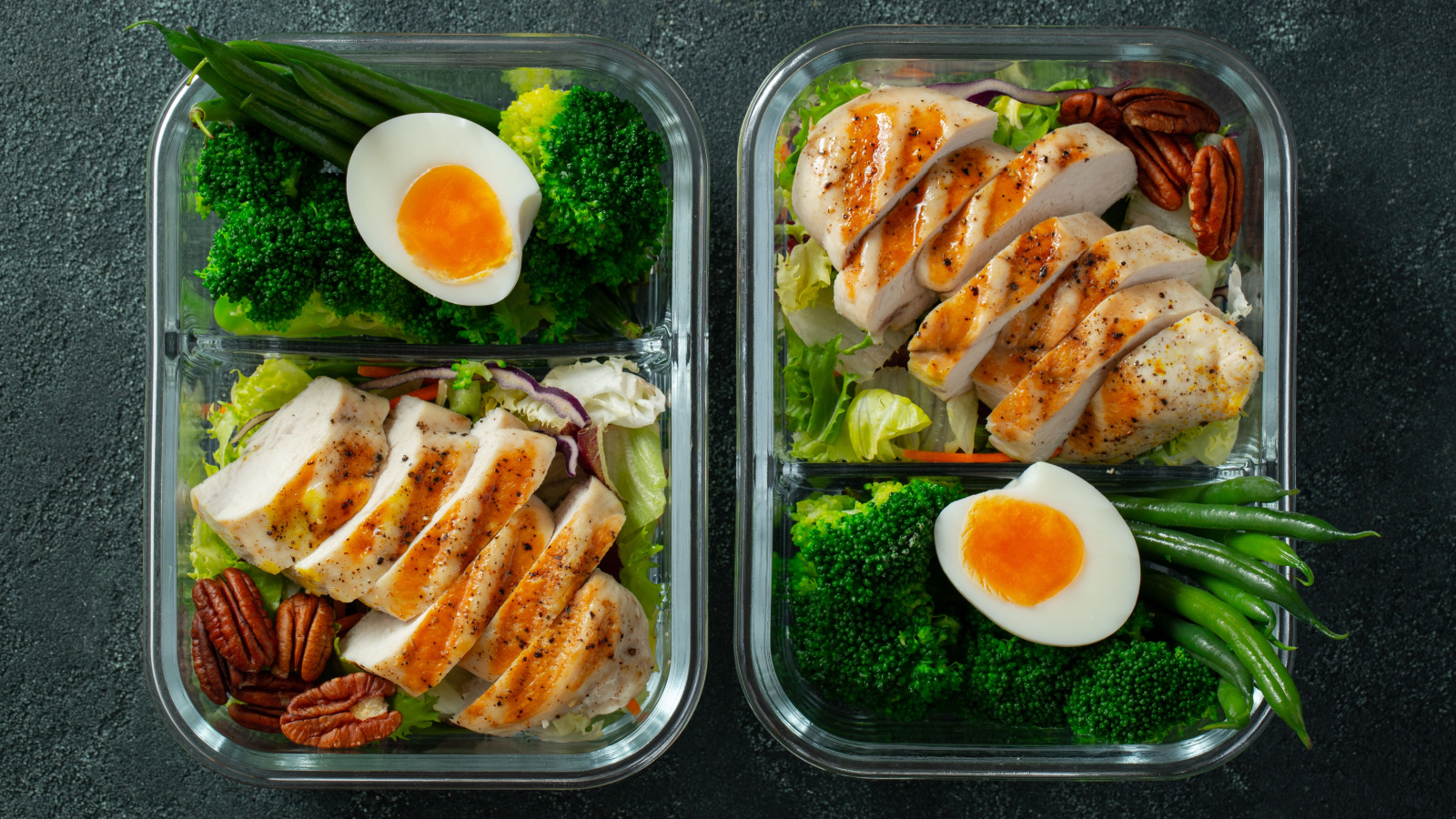
A Comprehensive Guide to 20 Essential High-Protein, Low-Carb Foods
To prevent dietary fatigue and ensure a broad spectrum of micronutrient intake, registered dietitians emphasize the importance of variety. The following list categorizes 20 high-quality protein sources that are low in carbohydrates, allowing for flexible meal planning.
Land-Based Proteins and Poultry
- Chicken Breast: Often cited as the gold standard for lean protein, chicken breast is virtually free of carbohydrates and low in fat. Its neutral flavor profile makes it a versatile base for various cuisines. From a micronutrient perspective, it is a significant source of niacin and selenium.
- Chicken Thighs: While slightly higher in fat than the breast, chicken thighs offer a more robust flavor and a higher concentration of iron and zinc. The moderate fat content can assist in the absorption of fat-soluble vitamins.
- Sirloin Steak: As one of the leanest cuts of red meat, sirloin provides a high-density protein source with a significant amount of Vitamin B12 and heme iron, which is more readily absorbed by the body than plant-based iron.
- Strip Steak: Similar to sirloin, strip steak offers a lean profile with a slightly different texture, making it a staple for those requiring high-quality animal protein with minimal caloric "overhead" from fat.
- Ribeye Steak: For those on maintenance or higher-calorie plans, ribeye provides a richer fat profile. While higher in calories, the marbling contributes to satiety and provides essential fatty acids.
- Lean Ground Beef (95% Lean): Ground beef is a highly accessible protein source. Utilizing the 95/5 lean-to-fat ratio allows for the inclusion of red meat without the excessive saturated fat found in standard grinds.
- Pork Chops: Often referred to as "the other white meat," lean pork cuts are comparable to chicken breast in protein density and are particularly rich in thiamine (Vitamin B1).
- Pork Shoulder: This cut is ideal for slow-cooking methods. While it contains moderate fat, it provides a high-protein yield that is often used in meal-prepping large quantities of food.
- Ham: Cured and lean, ham serves as a convenient, ready-to-eat protein. However, dietitians often advise monitoring sodium levels, as cured meats can contribute to water retention.
- Beef Liver: Historically a staple of the "Golden Era" of bodybuilding, liver is a nutritional powerhouse. It is arguably the most nutrient-dense food on this list, containing vast amounts of Vitamin A, B-vitamins, and copper.
Seafood and Shellfish
- Salmon: Beyond its protein content, salmon is prized for its high concentrations of Omega-3 fatty acids (EPA and DHA), which are critical for cardiovascular health and reducing systemic inflammation.
- Sardines: These small fish are nutrient-dense and sustainable. They provide significant amounts of Vitamin D and calcium, especially when consumed with the softened bones found in canned varieties.
- Tuna: Whether fresh or canned, tuna is a nearly pure protein source with negligible fat and zero carbohydrates. Due to mercury concerns, experts suggest rotating tuna with smaller fish like sardines.
- Shrimp: Shrimp is exceptionally low in calories relative to its volume. It contains astaxanthin, an antioxidant that has been linked to skin health and heart health.
Dairy and Egg-Based Proteins
- Whole Eggs: Eggs are considered the "complete" protein source, containing all nine essential amino acids. The yolk contains choline, a nutrient essential for brain health and lipid metabolism.
- Egg Whites: For those needing to increase protein without adding fat or calories, egg whites are an efficient tool. They can be added to whole eggs or smoothies to "bulk" the protein content.
- Cottage Cheese: This slow-digesting dairy product is rich in casein protein. It is a favorite for evening meals due to its ability to provide a sustained release of amino acids during sleep.
- Greek Yogurt: By straining out the liquid whey, Greek yogurt achieves a much higher protein concentration than standard yogurt. It also serves as a source of probiotics, which support gut health.
Supplemental and Concentrated Sources
- Whey Protein Powder: A byproduct of cheesemaking, whey is a fast-digesting protein ideal for post-workout recovery. It has a high concentration of Leucine, the primary amino acid responsible for triggering muscle growth.
- Casein Protein Powder: Unlike whey, casein forms a gel-like consistency in the stomach, leading to a slow, steady release of nutrients. It is highly effective for appetite suppression during long intervals between meals.
Clinical Recommendations for Daily Intake
The determination of "how much" protein an individual requires is a subject of ongoing refinement. The Recommended Dietary Allowance (RDA) is set at a modest 0.8 grams per kilogram of body weight; however, this figure is designed to prevent deficiency in sedentary populations rather than optimize performance or body composition.
For active individuals, athletes, and those in a caloric deficit, the consensus among sports dietitians shifts toward a range of 1.76 to 2.75 grams per kilogram (approximately 0.8 to 1.25 grams per pound) of body weight. This higher threshold is necessary to preserve lean muscle mass during weight loss and to provide the building blocks for hypertrophy during mass-gaining phases.
Strategic Meal Planning and Practical Implementation
Transitioning to a high-protein, low-carb lifestyle requires more than just a list of ingredients; it requires a structural approach to daily eating. Below is a sample menu for a 200-pound athlete aiming for 3,500 calories with a focus on high protein and moderate-to-high carbohydrates for performance, while keeping the protein sources lean and low-carb.

Meal One: The Foundation
- 1 cup of oats with 1 scoop of whey protein.
- 1 cup of egg whites scrambled with spinach.
- Nutritional Profile: 50g Protein, 9g Fat, 106g Carbs.
Snack One: Mid-Morning Satiety
- 1 cup of Greek yogurt with 1 ounce of almonds.
- 1 medium apple.
- Nutritional Profile: 45g Protein, 16g Fat, 53g Carbs.
Meal Two: The Performance Lunch
- 8 ounces of grilled chicken breast.
- 1.5 cups of cooked white rice and 1 cup of steamed broccoli.
- 1 tablespoon of olive oil (for dressing).
- Nutritional Profile: 65g Protein, 28g Fat, 107g Carbs.
Snack Two: Pre-Workout Fuel

- 1 scoop of whey protein mixed with water.
- 1 large banana and 1 tablespoon of peanut butter.
- Nutritional Profile: 34g Protein, 15g Fat, 57g Carbs.
Meal Three: The Recovery Dinner
- 8 ounces of sirloin steak.
- 1 large sweet potato and a mixed green salad.
- Nutritional Profile: 67g Protein, 19g Fat, 118g Carbs.
Daily Totals: 261g Protein, 87g Fat, 441g Carbohydrates (Total: 3,591 Calories).
Broader Impact and Implications
The shift toward protein-centric dieting has significant implications for the global food industry and public health policy. As consumers become more educated on macronutrient density, there is a rising demand for "clean label" proteins and sustainable meat alternatives. Furthermore, the clinical application of high-protein diets is being explored in the context of sarcopenia (age-related muscle loss) in the elderly and the management of Type 2 diabetes, where protein’s minimal impact on blood glucose levels provides a therapeutic advantage.
While the "gym rat" stereotype once defined the high-protein consumer, the modern reality is that protein-rich, low-carb foods are essential tools for anyone seeking to improve their metabolic health, enhance physical performance, or achieve a sustainable body composition. By diversifying protein sources and understanding the underlying science of thermogenesis and satiety, individuals can move beyond restrictive, repetitive eating patterns toward a varied and effective nutritional strategy.