


In a significant development for women’s health, a novel probiotic blend is demonstrating a powerful capacity to alleviate menopausal symptoms by directly influencing estrogen levels through the intricate gut-hormone axis. This week’s Supplement Shorts roundup highlights this groundbreaking research, alongside other key advancements in the dietary supplement industry, including a postbiotic’s rapid immune-boosting effects and new product launches focusing on skin health. These developments underscore a growing scientific understanding of how the microbiome and specific bioactive compounds can be harnessed for targeted health outcomes, from managing the multifaceted challenges of menopause to fortifying the immune system and promoting cellular longevity.
Kaneka Probiotics Unveils Probiotic Blend Targeting Estrogen Regulation via the Gut-Hormone Axis
Microbiome ingredient supplier Kaneka Probiotics has published new research detailing the efficacy of its KABP Menopause probiotic blend. This study builds upon earlier findings, presented at SupplySide Global in 2025, which initially showcased the ingredient’s ability to support healthy estrogen levels. The latest clinical trial offers compelling real-world evidence of how this intervention translates into tangible improvements in how women experience menopause.

Alison Arendt, senior national sales manager at Kaneka and a prominent advocate for women’s health, elaborated on the significance of this approach. "What’s innovative about using the gut microbiome is that we now see the estrobolome plays a very large role in managing perimenopausal, menopausal, and post-menopausal side effects," Arendt stated. The estrobolome refers to the collection of gut bacteria that metabolize estrogen, playing a crucial role in its production, breakdown, and overall regulation within the body. Disruptions to this delicate balance can exacerbate menopausal symptoms.
The newly released clinical trial was a decentralized, randomized, double-blind, placebo-controlled study involving 245 women aged 45 to 60 who were experiencing perimenopause or menopause. For a period of three months, participants either supplemented with the KABP Menopause probiotic blend or received a placebo. The probiotic formulation comprises a synergistic combination of three specific strains: Levilactobacillus brevis KABP052, Lactiplantibacillus plantarum KABP051, and Pediococcus acidilactici KABP021. These strains were chosen for their documented abilities to interact with the gut environment and potentially influence estrogen metabolism.
Throughout the trial, participants completed comprehensive questionnaires designed to assess their menopausal symptoms and overall quality of life. The results were significant: women who supplemented with the KABP Menopause probiotic blend reported a notable decrease in their Menopause Rating Scale (MRS) scores, a widely used tool for quantifying the severity of menopausal symptoms. Furthermore, these participants also demonstrated improvements in their quality-of-life scores compared to the placebo group, indicating a broader positive impact beyond just symptom reduction.
Arendt highlighted the evolving landscape of menopause support products. She observed that some companies are focusing solely on digestive health, utilizing biotic ingredients to impact health via the microbiome. Others, she noted, are adopting a more integrated approach, combining traditional herbal ingredients—which have long been associated with women’s health—with probiotics that specifically target the estrobolome. This dual-action strategy, she believes, is particularly appealing to women who are actively seeking familiar botanical solutions alongside scientifically validated microbiome interventions.
"I’m very excited about the estrobolome because most women, when talking about hormone balance and estrogen regulation, are used to going to standard herbal favorites," Arendt commented. This sentiment suggests a paradigm shift, moving beyond conventional remedies towards more sophisticated, science-backed approaches that leverage the body’s own biological pathways. Arendt’s concluding remark, "It’s not your grandma’s black cohosh anymore," encapsulates this transition towards advanced, microbiome-centric solutions for menopausal well-being.
The Gut-Hormone Axis: A Deeper Dive into Menopausal Health
Menopause, a natural biological process marking the end of a woman’s reproductive years, is characterized by a significant decline in estrogen and progesterone production. This hormonal shift can trigger a wide array of symptoms, including hot flashes, night sweats, vaginal dryness, mood swings, sleep disturbances, and changes in metabolism. The severity and duration of these symptoms can vary considerably among women, impacting their physical comfort, emotional well-being, and overall quality of life.
Traditionally, management strategies for menopausal symptoms have included hormone replacement therapy (HRT) and a range of herbal supplements like black cohosh, red clover, and soy isoflavones. However, concerns regarding the long-term safety of HRT and the variable efficacy of some herbal remedies have driven a search for alternative and complementary approaches.

The emerging understanding of the gut-hormone axis has opened up a new frontier in this area. The gut microbiome, a complex ecosystem of bacteria, viruses, fungi, and other microorganisms, plays a far more extensive role in human health than previously understood. It influences digestion, nutrient absorption, immune function, and even brain health. Crucially, the microbiome also interacts with the endocrine system, including the regulation of sex hormones like estrogen.
The estrobolome, as mentioned by Arendt, is a critical component of this interaction. Gut bacteria possess enzymes, such as beta-glucuronidase, that can reactivate estrogen metabolites in the gut. This process influences the enterohepatic circulation of estrogen, essentially determining how much estrogen is reabsorbed into the bloodstream and how much is excreted. An imbalanced gut microbiome, characterized by a lack of beneficial bacteria or an overgrowth of less desirable ones, can lead to dysregulated estrogen metabolism, potentially exacerbating menopausal symptoms.
The KABP Menopause probiotic blend, by introducing specific beneficial bacterial strains, aims to restore a healthier balance within the estrobolome. This intervention is hypothesized to modulate the activity of estrogen-metabolizing enzymes, leading to more stable estrogen levels and a reduction in the symptoms associated with estrogen fluctuations. The clinical trial data provides strong support for this mechanism, demonstrating both symptom relief and improved quality of life, suggesting a holistic benefit for women navigating this life stage.
Implications for the Supplement Industry and Future Research
The success of Kaneka’s probiotic blend has significant implications for the dietary supplement industry. It validates the increasing scientific focus on the microbiome as a therapeutic target for complex health conditions. This research is likely to spur further innovation in the development of targeted probiotic and prebiotic formulations for women’s health, particularly for conditions related to hormonal fluctuations.
Industry analysts suggest that the market for menopause-specific supplements is poised for substantial growth. A 2023 report by Grand View Research projected the global menopause supplements market to reach USD 28.6 billion by 2030, driven by an aging global population and increasing consumer awareness of natural health solutions. Kaneka’s findings position them as a key player in this expanding market.
Furthermore, this research underscores the importance of the "gut-brain axis" and "gut-skin axis" as well, as the microbiome’s influence extends to mood regulation, cognitive function, and skin health. The broader implications for understanding and managing age-related changes through microbiome modulation are immense.
The collaboration between ingredient suppliers like Kaneka, research institutions, and product manufacturers will be crucial in bringing these scientific advancements to consumers. The move towards evidence-based formulations, backed by robust clinical trials, is setting a new standard for the industry, fostering consumer trust and ensuring the efficacy of the products they choose.
Clinical Currents and Science News: Expanding the Scope of Bioactive Support
Beyond menopausal support, other recent scientific findings highlight the diverse applications of bioactive compounds in health and wellness. One notable development involves a postbiotic, a non-live microbial product that delivers the beneficial molecules produced by beneficial bacteria. Research indicates that certain postbiotics can offer rapid immune system support, with benefits observed within hours of ingestion. This rapid action is particularly appealing for consumers seeking immediate relief or proactive immune fortification. Unlike probiotics, which require colonization in the gut, postbiotics can exert their effects more quickly as their active components are immediately available.
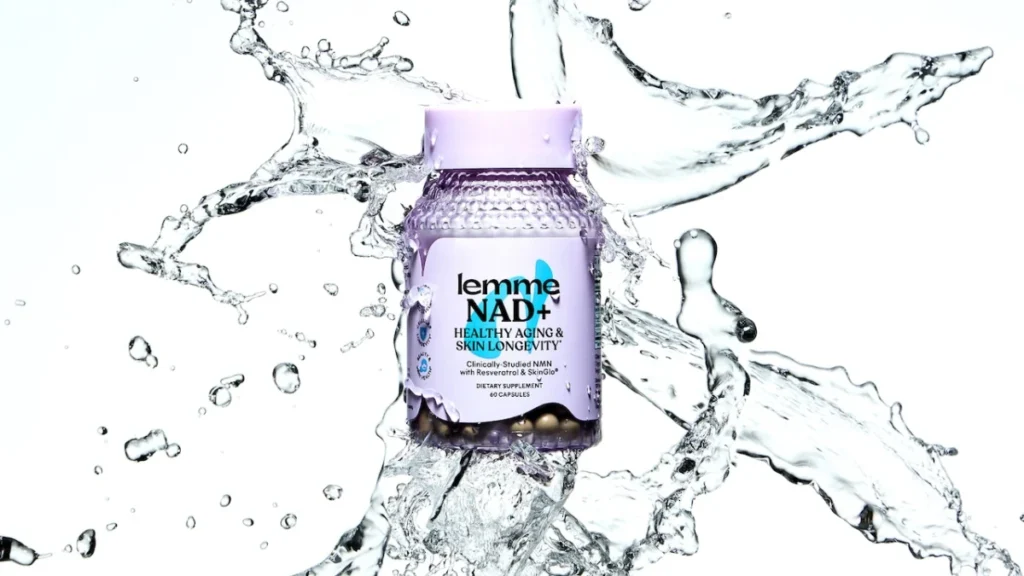
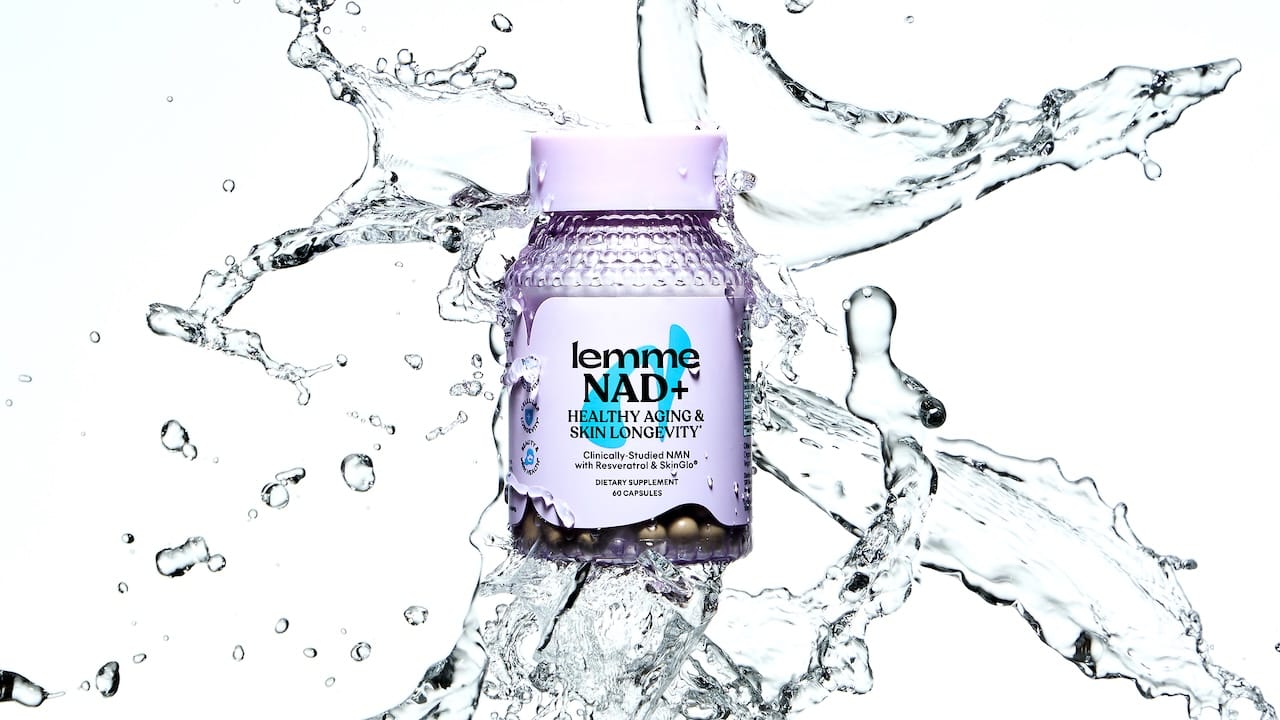
The scientific community is also exploring the synergistic effects of various compounds for comprehensive health benefits. For instance, new product launches are increasingly showcasing ingredients aimed at promoting skin health and longevity. One such example is Lemme’s NAD+ supplement, which combines nicotinamide mononucleotide (NMN) with resveratrol, spermidine, and carotenoids. NMN is a precursor to NAD+, a coenzyme essential for cellular energy production and DNA repair, which declines with age. Resveratrol is a well-known antioxidant, spermidine is involved in cellular renewal processes (autophagy), and carotenoids are potent antioxidants that can protect the skin from environmental damage. This multi-ingredient approach reflects a growing trend towards holistic solutions that address aging at a cellular level and support outward signs of vitality, such as skin health and elasticity.
The implications of these developments are far-reaching. The rapid immune support offered by postbiotics could revolutionize how consumers approach seasonal wellness and general immune maintenance. Similarly, the focus on cellular health and longevity through ingredients like NMN and its synergistic partners signals a shift towards proactive anti-aging strategies that extend beyond topical applications to internal cellular rejuvenation.
Dietary Supplement Finished Product News: Innovation in Consumer Offerings
The pipeline of finished product launches in the dietary supplement market continues to reflect these scientific advancements. Brands are actively reformulating and introducing new products that incorporate cutting-edge ingredients and cater to specific consumer needs. For the menopause market, this means seeing more products that leverage the gut-hormone axis, incorporating carefully selected probiotic strains alongside synergistic botanicals.
For example, a brand might launch a "Hormone Balance" supplement that features a proprietary probiotic blend designed to support the estrobolome, combined with standardized extracts of ashwagandha for stress management and maca root for energy and libido, both of which are popular botanicals for women’s health.
In the realm of immune support, the emergence of postbiotic-based products is expected to grow. These might be presented as effervescent tablets, powders, or capsules, offering consumers a convenient and fast-acting way to boost their immune defenses. The marketing for such products will likely emphasize the "hours, not days" timeline for efficacy.
The skin health segment is also seeing a surge in innovative products. Beyond the NAD+ and resveratrol combinations, we can anticipate supplements featuring ceramides for skin barrier function, hyaluronic acid for hydration, and specialized antioxidants targeting UV damage and collagen degradation. The emphasis will be on providing a comprehensive internal approach to skin rejuvenation and protection.
Company and Organization Updates: Navigating the Evolving Landscape
The dietary supplement industry is dynamic, with companies and organizations constantly adapting to new scientific discoveries, regulatory shifts, and consumer demands. Ingredient suppliers are investing heavily in research and development to identify and validate novel compounds and microbial strains with demonstrable health benefits. This includes a growing emphasis on strain specificity, ensuring that the chosen probiotics or postbiotics are not only safe but also effective for their intended applications.
Manufacturers of finished products are responding by forming strategic partnerships with ingredient suppliers to gain access to these innovative components. The ability to offer scientifically backed, novel ingredients is becoming a key differentiator in a competitive market.
Regulatory bodies and industry associations are also playing a crucial role in shaping the landscape. As scientific understanding deepens, there is an ongoing dialogue about appropriate claims substantiation and quality control standards. Organizations like the Council for Responsible Nutrition (CRN) and the Global Organization for EPA and DHA Omega-3s (GOED) continue to advocate for science-based regulation and industry best practices.
The upcoming SupplySide Global event in 2025 is expected to be a pivotal platform for showcasing these advancements, providing an opportunity for industry stakeholders to connect, share knowledge, and forge collaborations. The continued focus on women’s health, immune support, and healthy aging signifies the industry’s commitment to addressing key public health concerns through scientifically validated dietary interventions.
Conclusion: The Microbiome as a Central Pillar of Future Health Interventions
The research from Kaneka Probiotics, highlighting the gut-hormone axis’s role in menopausal support, represents a significant leap forward in personalized health. Coupled with the rapid efficacy of postbiotics for immune health and the multi-faceted approach to skin longevity, these developments underscore a broader trend: the increasing recognition of the microbiome and its intricate connections with various physiological systems. As scientific inquiry continues to unravel these complex biological pathways, the dietary supplement industry is well-positioned to translate these discoveries into tangible, effective solutions for consumers seeking to optimize their health and well-being across all stages of life. The future of health interventions appears to be increasingly rooted in understanding and modulating the body’s own internal ecosystems.