






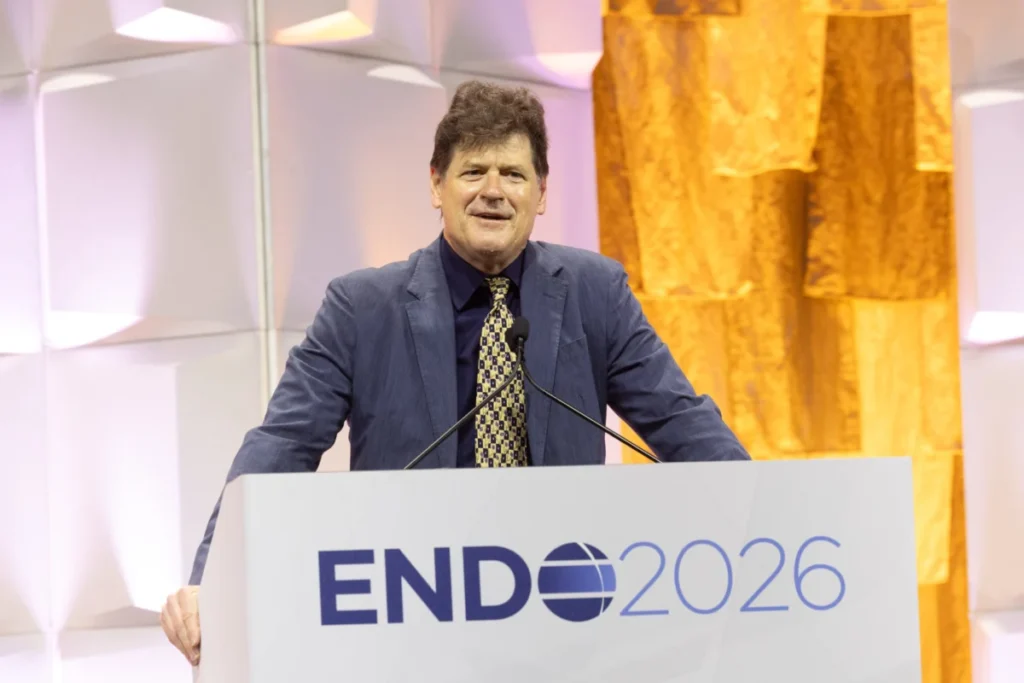
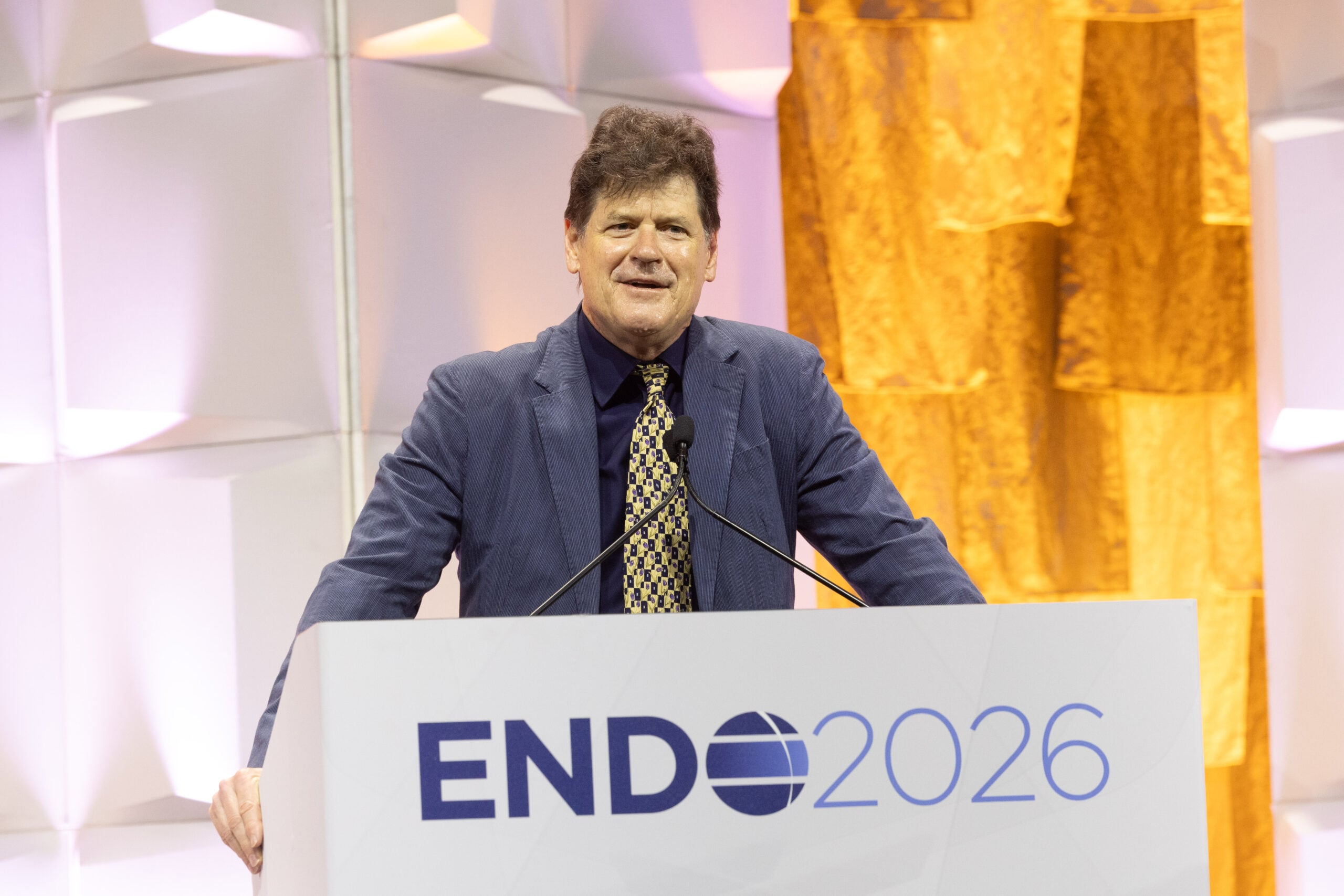
The Endocrine Society has officially named Bradley David Anawalt, MD, as the recipient of the 2026 Outstanding Educator Laureate Award, a prestigious recognition that highlights his decades of commitment to the advancement of medical pedagogy and the specialized field of andrology. As a professor and the vice chair of the Department of Medicine at the University of Washington School of Medicine in Seattle, Dr. Anawalt has become a foundational figure in both the clinical and academic endocrine communities. This award, part of the Society’s annual Laureate program, serves as a testament to his ability to bridge the gap between complex physiological research and the practical application of medical knowledge for students, residents, and fellow practitioners.
The Outstanding Educator Award is specifically designed to honor an individual who has demonstrated exceptional discipline and achievement in the education of the next generation of endocrinologists. In an era where medical information is increasingly decentralized, the role of the educator has shifted from a mere purveyor of facts to a curator of critical thinking and clinical intuition. Dr. Anawalt’s career exemplifies this transition, as he has consistently prioritized the "joy of learning" and the tailoring of educational content to meet the specific needs of diverse audiences.
A Legacy of Leadership and Academic Excellence
Dr. Anawalt’s professional journey is deeply intertwined with the University of Washington (UW), an institution consistently ranked among the top medical schools in the United States for primary care and research. As vice chair of the Department of Medicine, he oversees a significant portion of the academic and administrative functions of one of the largest departments in the university. His influence, however, extends far beyond administrative duties. He is a prolific contributor to the Endocrine Society, having been a staple at the annual ENDO meetings since 1992.
Over the past three decades, Dr. Anawalt has served in nearly every capacity imaginable within the Society’s organizational structure. He has been a scientific presenter, a plenary lecturer, a session chair, and a meeting planner. This consistent involvement has allowed him to witness the evolution of the field firsthand, from the early days of hormone replacement research to the modern era of precision medicine and molecular endocrinology. Colleagues frequently cite his ability to synthesize complex data into actionable clinical insights as one of his greatest strengths as a leader.
The Science of Andrology and Male Reproductive Health
While his educational contributions are the primary focus of the 2026 Laureate Award, Dr. Anawalt is also recognized as a global authority in andrology—the branch of medicine concerned with male reproductive health. His specific expertise lies in the diagnosis and treatment of male hypogonadism, a condition characterized by the body’s inability to produce sufficient levels of testosterone or sperm.
According to clinical data, male hypogonadism affects a significant portion of the aging population, with prevalence rates estimated between 2.1% and 12.8% depending on the diagnostic criteria used. Dr. Anawalt’s work has been instrumental in refining these criteria and ensuring that patients receive evidence-based care rather than relying on the "wellness" trends that often dominate the public discourse on testosterone.
In addition to his work on hypogonadism, Dr. Anawalt has been a key figure in the development of male hormonal contraception. Working alongside luminaries like Bill Bremner at the University of Washington, he has participated in clinical trials aimed at expanding the contraceptive options available to men. Currently, male contraception is largely limited to condoms and vasectomies. The research conducted in Dr. Anawalt’s lab and through his collaborations seeks to redistribute the "burden of contraception," offering a more equitable approach to reproductive health.
The scientific pursuit of a "male pill" or injectable hormone-based contraceptive involves a delicate balance of suppressing spermatogenesis without compromising libido or long-term health. Dr. Anawalt’s participation in these studies has contributed to a growing body of evidence suggesting that safe, reversible male hormonal contraception is a biological possibility, though it remains in the phase of rigorous clinical testing.
Pedagogy and the "Joy of Learning"
Dr. Anawalt’s philosophy of education is rooted in the belief that the delivery of information is just as important as the information itself. In his discussions regarding his teaching methods, he emphasizes the necessity of adapting to the audience. He notes that the educational needs of a first-year medical student differ vastly from those of a senior fellow or a practicing scientist.
One of his core mantras is "repetition is the mother of learning," a principle he applies to ensure that fundamental concepts are internalized by his students. However, he balances this structured approach with an infectious enthusiasm. He believes that educators must model curiosity, showing students that the pursuit of knowledge is not merely a professional requirement but a source of personal fulfillment.
This approach has garnered him numerous teaching honors at the University of Washington. His ability to foster a sense of collegiality in the classroom helps to break down the traditional hierarchies of medical education, creating an environment where students feel comfortable asking questions and challenging established norms. This is particularly vital in endocrinology, a field where new research frequently updates clinical guidelines regarding thyroid health, diabetes management, and reproductive medicine.
A Timeline of Professional Milestones
To understand the impact of Dr. Anawalt’s career, one must look at the chronology of his development as a physician-scientist:
- 1992: Dr. Anawalt attends his first ENDO meeting, beginning a 34-year streak of participation in the Society’s flagship event.
- Early 1990s: He completes his residency and fellowship at the University of Washington, training under mentors who would influence his dual interest in clinical practice and research.
- Late 1990s – 2000s: He joins the faculty at UW and begins significant research into male hormonal contraception, contributing to Seattle’s reputation as a global hub for andrology research.
- 2010s: He ascends to leadership roles within the Endocrine Society, serving on various committees and contributing to the development of clinical practice guidelines.
- 2020s: As Vice Chair of the Department of Medicine, he navigates the challenges of medical education during the COVID-19 pandemic, adapting curricula for remote and hybrid learning environments.
- 2026: He is officially honored as the Outstanding Educator Laureate, a capstone achievement reflecting a lifetime of service.
Broader Implications for the Future of Endocrinology
The recognition of Dr. Anawalt comes at a critical time for the field of endocrinology. The Association of American Medical Colleges (AAMC) has frequently highlighted a projected shortage of specialists in the coming decades. Educators like Dr. Anawalt are essential in recruiting and retaining the next generation of physicians. By making the subject matter accessible and exciting, he ensures that the pipeline of talent remains robust.
Furthermore, his work in andrology addresses a historical gap in medical research. For decades, reproductive endocrinology was heavily focused on female health, while male reproductive issues were often relegated to urology. Dr. Anawalt has helped reposition male reproductive health within the broader context of endocrine science, emphasizing the hormonal complexities that affect men’s overall well-being.
His focus on male contraception also has significant social implications. By advocating for and researching new contraceptive methods, he is addressing a public health need for more diverse family planning tools. This work aligns with global health initiatives to empower individuals and couples with more control over their reproductive futures.
The Balance of Professional and Personal Pursuits
Despite the high-stakes nature of his research and the demands of his administrative role, Dr. Anawalt maintains a commitment to work-life integration. He is an avid runner and cyclist, often using physical activity as a way to "unplug" from the rigors of the laboratory and the classroom. His personal interests, which range from hiking the Grand Canyon and the Scottish Highland Trail to attending chamber music performances and contemporary concerts, reflect a well-rounded approach to life that he encourages in his students.
He often advises younger colleagues that "science can be all-consuming," and that finding joy outside of the hospital is essential for preventing burnout—a major concern in the modern medical profession. This holistic view of the physician’s life is perhaps one of his most important, albeit informal, teachings.
Conclusion: A Living Legacy in Medical Education
The Endocrine Society’s selection of Bradley David Anawalt, MD, for the 2026 Outstanding Educator Laureate Award is a recognition of a career built on excellence, curiosity, and a deep-seated respect for the learner. Whether he is presenting at a global conference, conducting a clinical trial on male contraception, or mentoring a student at the University of Washington, Dr. Anawalt’s influence is defined by his ability to inspire.
As the medical community prepares to celebrate his achievements at the 2026 ENDO meeting, his legacy continues to grow through the hundreds of students and clinicians he has trained. His work ensures that the field of endocrinology remains not only a scientifically rigorous discipline but also a vibrant and collaborative community dedicated to the improvement of human health. By honoring Dr. Anawalt, the Endocrine Society reaffirms the vital importance of the educator in the advancement of medical science.