








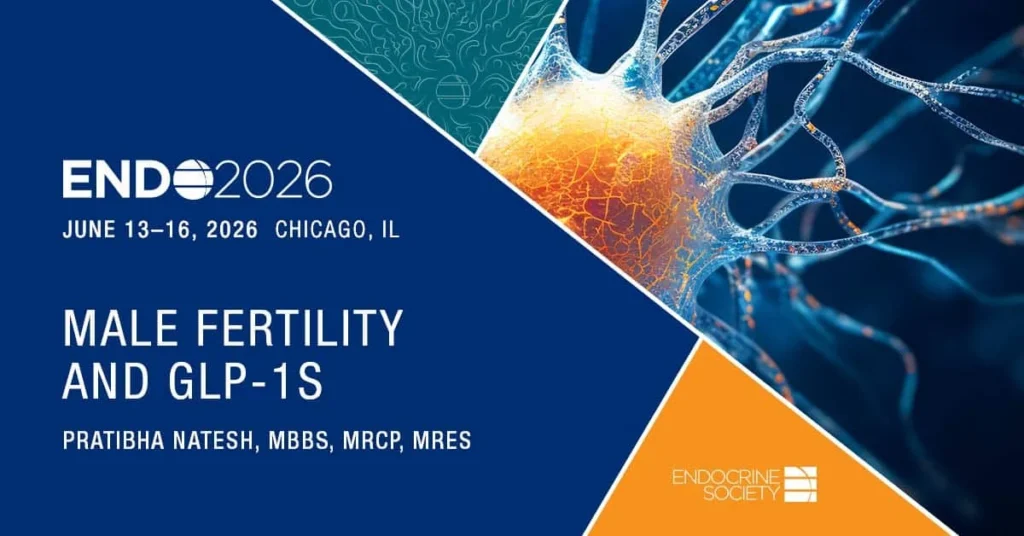
The therapeutic landscape for male reproductive health is witnessing a significant shift as new research presented at the ENDO 2026 annual meeting suggests that glucagon-like peptide-1 (GLP-1) receptor agonists may offer a viable pathway for restoring testosterone levels and enhancing sperm quality in men struggling with obesity. The study, spearheaded by Pratibha Natesh, MBBS, MRCP, MRes, an endocrinologist at Warwick Medical School and University Hospitals Coventry and Warwickshire, indicates that these medications—originally designed for type 2 diabetes and later popularized for weight loss—could address the underlying metabolic causes of low testosterone, providing an alternative to traditional hormone replacement therapies that often compromise fertility.
The Intersection of Metabolic Health and Male Fertility
For years, the medical community has recognized a clear correlation between obesity and secondary hypogonadism, a condition characterized by low testosterone levels due to issues with the pituitary gland or hypothalamus rather than the testes themselves. In men with significant excess weight, adipose tissue (fat) converts testosterone into estrogen via the enzyme aromatase. This increase in estrogen signals the brain to reduce the production of gonadotropin-releasing hormone (GnRH), which in turn lowers the production of luteinizing hormone (LH) and follicle-stimulating hormone (FSH)—the two primary triggers for testosterone production and sperm development.
The research led by Dr. Natesh explores whether GLP-1 analogs, such as semaglutide and liraglutide, can break this cycle. By facilitating significant weight loss and improving insulin sensitivity, these drugs appear to stabilize the reproductive axis. The study’s primary objective was to discern whether the observed hormonal improvements resulted purely from the reduction in body mass or if GLP-1 medications exerted a direct stimulatory effect on the reproductive system.
Methodology and Chronology of the Systematic Review
The findings presented at ENDO 2026 were the result of a comprehensive systematic review and meta-analysis. Researchers at University Hospitals Coventry and Warwickshire, in collaboration with Warwick Medical School in the United Kingdom, initiated the project by scouring global medical databases for randomized controlled trials (RCTs). The team sought high-quality data comparing GLP-1 receptor agonists against placebos or alternative treatments in men aged 18 to 65.
The selection process was rigorous. Two independent reviewers screened hundreds of published papers to eliminate bias and ensure data integrity. The focus was not limited to testosterone alone; the team also tracked changes in LH, FSH, sperm concentration, motility, and morphology, alongside metabolic markers such as blood sugar, cholesterol levels, and overall body composition. Ultimately, five clinical trials met the strict eligibility criteria for inclusion in the final analysis.
This chronological look at the available data allowed the researchers to synthesize results from various timelines, ranging from short-term 16-week interventions to longer 24-week observational periods. The synthesis of these trials provided a clearer picture of how GLP-1 medications interact with the male endocrine system over time.
Key Data: Semaglutide and Liraglutide Performance
The systematic review highlighted specific outcomes from two of the most prominent GLP-1 medications currently on the market. In a 24-week study focusing on semaglutide, researchers observed a notable improvement in sperm morphology (the size and shape of sperm) and a reduction in systemic cholesterol levels. Crucially, the study found that semaglutide maintained stable hormone levels without the negative feedback loops typically associated with external testosterone administration.
Even more striking were the results of a 16-week study involving liraglutide. In this trial, men with obesity-related low testosterone experienced a significant rise in natural testosterone production and related gonadotropins. When compared to a control group receiving traditional testosterone replacement therapy (TRT), the men on liraglutide showed superior overall health outcomes. While TRT can effectively raise serum testosterone levels, it often suppresses the natural production of LH and FSH, leading to testicular atrophy and a cessation of sperm production—a major drawback for men of reproductive age. In contrast, the liraglutide group saw a "natural" restoration of the hormonal axis, preserving the potential for fertility while simultaneously addressing metabolic dysfunction.
Analyzing the Shift from Replacement to Restoration
The implications of this research suggest a fundamental change in how clinicians approach male hypogonadism in the context of obesity. For decades, the standard of care has been the prescription of exogenous testosterone. However, this approach has long been criticized for treating the symptom rather than the disease.
"This work supports a shift away from prescribing testosterone replacement in men with obesity and low testosterone and toward treating the underlying cause—excess weight and poor metabolic health—which can naturally restore hormone levels and preserve fertility," stated Dr. Natesh during her presentation.
By targeting the "metabolic root," GLP-1s appear to offer a "two-birds-one-stone" solution. As patients lose weight, the aromatization of testosterone into estrogen decreases. Simultaneously, the reduction in systemic inflammation and the improvement in insulin signaling allow the hypothalamus and pituitary gland to resume normal function. This restorative approach is particularly vital given that an estimated 40% to 50% of men with morbid obesity also suffer from low testosterone.
Official Responses and Clinical Caveats
While the results presented at ENDO 2026 have generated considerable excitement within the endocrinology community, Dr. Natesh and her colleagues have maintained a cautious stance regarding the current depth of evidence. The primary limitation cited by the research team is the relatively small number of clinical trials that specifically measure reproductive outcomes alongside weight loss.
Medical professionals attending the conference noted that while the metabolic benefits of GLP-1s are well-documented, their specific role as a "fertility drug" remains unproven. The benefits observed in the five trials analyzed are likely indirect—meaning the improvement in sperm and testosterone is a byproduct of the weight loss rather than a primary pharmaceutical action of the drug on the testes.
Furthermore, the researchers emphasized that GLP-1 medications are not currently FDA-approved (or approved by equivalent international bodies) for the treatment of male infertility or hypogonadism. Physicians are encouraged to keep these findings in mind as "off-label" observations while awaiting larger, more robustly designed clinical trials that can isolate the variables of weight loss versus direct hormonal stimulation.
Broader Impact on Public Health and Endocrinology
The potential for GLP-1s to improve male reproductive health comes at a time when global obesity rates continue to climb, and male fertility rates are reportedly in decline. The intersection of these two trends has created a public health challenge that traditional hormone therapies have struggled to solve without side effects.
The broader impact of this research extends beyond the clinic. If GLP-1s become a standard tool for managing obesity-related infertility, it could reduce the reliance on expensive and invasive assisted reproductive technologies (ART), such as in vitro fertilization (IVF). By improving the natural quality of sperm and the hormonal environment of the male partner, couples may find it easier to conceive naturally.
Additionally, the study highlights the multifaceted nature of GLP-1 medications. Initially viewed as simple glycemic control tools, their evolution into weight-loss blockbusters and now potential reproductive stabilizers suggests that their impact on the human endocrine system is more profound than previously understood.
Future Research and Concluding Observations
Looking forward, the research team at Warwick Medical School intends to advocate for larger-scale prospective studies. These future trials will likely need to incorporate longer follow-up periods to determine if the improvements in sperm quality and testosterone are sustainable over several years and if they translate into higher live-birth rates among affected couples.
The research presented by Dr. Pratibha Natesh serves as a pivotal point in the conversation regarding male metabolic and reproductive health. By providing evidence-based information on how weight loss medications like semaglutide and liraglutide affect the male body, the study empowers both clinicians and patients to make more informed decisions.
As the medical community continues to digest the findings from ENDO 2026, the focus remains on the holistic health of the patient. "Improving metabolic health can have positive effects far beyond weight alone," Natesh concluded. This research underscores the reality that the male reproductive system does not exist in a vacuum; it is intricately tied to the body’s overall metabolic state. By fixing the metabolism, science may have found a way to fix the man.