








This week in Supplement Shorts, the burgeoning field of gut health and its intricate connection to hormonal balance takes center stage. A significant development highlights a novel probiotic blend designed to support women through perimenopause, menopause, and post-menopause by influencing estrogen levels via the gut-hormone axis. Simultaneously, emerging research underscores the rapid immune-boosting capabilities of postbiotics, and a wave of new product launches further emphasizes the growing demand for ingredients that promote skin health. These advancements reflect a dynamic industry driven by scientific innovation, from cutting-edge ingredient development to the introduction of finished products that cater to evolving consumer needs.
Probiotic Breakthrough: Harnessing the Gut-Hormone Axis for Menopausal Relief
Kaneka Probiotics, a key player in the microbiome ingredient sector, has unveiled compelling new research demonstrating the efficacy of its proprietary KABP Menopause probiotic blend. Building on earlier scientific insights presented at SupplySide Global in 2025, which indicated the blend’s ability to modulate estrogen levels, this latest clinical trial provides tangible evidence of its positive impact on how women experience menopausal symptoms and their overall quality of life.
The gut microbiome, often referred to as the "second brain," is increasingly recognized for its profound influence on systemic health, including hormonal regulation. Within this complex ecosystem lies the "estrobolome," a collection of gut bacteria capable of metabolizing and influencing estrogen levels. Alison Arendt, Senior National Sales Manager at Kaneka and a dedicated advocate for women’s health, explained the significance of this approach: "What’s innovative about using the gut microbiome is that we now see the estrobolome plays a very large role in managing perimenopausal, menopausal, and post-menopausal side effects." This insight signifies a paradigm shift from traditional approaches to menopause management, moving towards a more holistic understanding of hormonal health.

Clinical Trial Unveils Tangible Benefits for Menopausal Women
The recent clinical trial, a decentralized randomized double-blind placebo-controlled study, enrolled 245 women aged 45 to 60 who were experiencing perimenopause or menopause. Participants were administered either the KABP Menopause probiotic blend or a placebo for a period of three months. The probiotic formula is a carefully curated combination of three specific bacterial strains: Levilactobacillus brevis KABP052, Lactiplantibacillus plantarum KABP051, and Pediococcus acidilactici KABP021. These strains were selected for their documented roles in gut health and their potential to interact with the estrobolome.
Throughout the study, participants meticulously completed questionnaires designed to assess the severity of their menopausal symptoms and their overall quality of life. The results were statistically significant, indicating that women who supplemented with the KABP Menopause probiotic blend reported a notable decrease in their Menopause Rating Scale (MRS) scores. The MRS is a widely recognized clinical tool used to quantify the frequency and severity of menopausal symptoms such as hot flashes, sleep disturbances, mood swings, and vaginal dryness.
Furthermore, the trial data revealed substantial improvements in quality-of-life scores among the probiotic group compared to the placebo group. These improvements likely encompass a range of factors, including better sleep, enhanced mood, increased energy levels, and a greater sense of well-being, all of which are frequently compromised during the menopausal transition. This outcome suggests that the intervention not only addresses specific symptoms but also contributes to a more comprehensive improvement in the daily lives of women navigating this life stage.

Strategic Formulations: Blending Microbiome Science with Traditional Botanicals
Arendt further elaborated on the evolving landscape of menopause-focused supplements, noting two distinct yet complementary formulation strategies. One approach centers on "digestive health" products that exclusively leverage biotic ingredients – probiotics, prebiotics, and postbiotics – to exert their effects indirectly through the microbiome. This strategy aligns with the growing consumer interest in understanding and supporting their gut health as a foundational element of overall well-being.
The second, and increasingly popular, strategy involves combining these targeted microbiome interventions with well-established herbal ingredients. This hybrid approach acknowledges that while microbiome science offers groundbreaking solutions, many women continue to seek out botanicals that have long been associated with women’s health. "Others, she shared, are coupling herbal ingredients with probiotics that affect the estrobolome, which she said is a helpful approach because many women are searching for botanicals already associated with women’s health." This synergy allows for a multi-faceted approach, addressing hormonal balance from both internal microbial pathways and the recognized benefits of plant-based compounds.
Arendt expressed particular enthusiasm for the potential of estrobolome-targeted interventions, stating, "I’m very excited about the estrobolome because most women, when talking about hormone balance and estrogen regulation, are used to going to standard herbal favorites." This sentiment reflects a desire to bridge the gap between traditional knowledge and cutting-edge scientific discovery, offering consumers familiar yet novel solutions. Her concluding remark, "It’s not your grandma’s black cohosh anymore," encapsulates this evolution, suggesting that while the goals remain similar, the scientific underpinnings and the sophistication of the solutions are reaching new heights.
The Broader Context: Evolution of Women’s Health and Microbiome Research
The findings from Kaneka Probiotics are situated within a broader scientific and market trend that recognizes the critical role of the gut microbiome in women’s health throughout their lives. Research over the past decade has increasingly illuminated the estrobolome’s influence not only on menopausal symptoms but also on conditions such as polycystic ovary syndrome (PCOS), endometriosis, and even the risk of hormone-sensitive cancers. This growing body of evidence is fueling demand for scientifically validated probiotic and prebiotic solutions tailored to specific women’s health needs.
The development of KABP Menopause blend represents a significant step forward in translating complex scientific understanding into accessible, consumer-ready products. The inclusion of specific strains like Levilactobacillus brevis, Lactiplantibacillus plantarum, and Pediococcus acidilactici is indicative of the precision required in microbiome-targeted therapies. Each strain has unique characteristics and potential benefits, and their synergistic combination in a well-researched formula is crucial for efficacy.
Emerging Science: Postbiotics and Rapid Immune Support
Beyond hormonal health, the field of postbiotics is rapidly gaining traction. Postbiotics are the beneficial compounds produced by probiotics during fermentation, such as short-chain fatty acids (SCFAs), organic acids, and antimicrobial peptides. These non-living microbial byproducts offer a stable and shelf-friendly alternative to live probiotics, delivering targeted health benefits without the complexities of maintaining microbial viability.
Recent research, though not detailed in the initial report, suggests that certain postbiotic formulations can confer immune system benefits within hours of ingestion. This rapid onset of action is particularly appealing for consumers seeking immediate support, especially during periods of increased exposure to pathogens or when experiencing the early stages of immune challenges. The mechanism of action for postbiotics in immune support often involves modulating the gut barrier function, reducing inflammation, and interacting directly with immune cells in the gut-associated lymphoid tissue (GALT), which represents a significant portion of the body’s immune system. The continued exploration of postbiotic applications promises to expand the repertoire of immune-supportive supplements available to consumers.
Finished Product Innovations: A Focus on Skin Health and Longevity
The supplement industry is also witnessing a surge in new finished product launches that highlight ingredients aimed at promoting skin health and longevity. These products often draw upon a combination of established antioxidants, cellular energy boosters, and compounds that support skin structure and resilience.
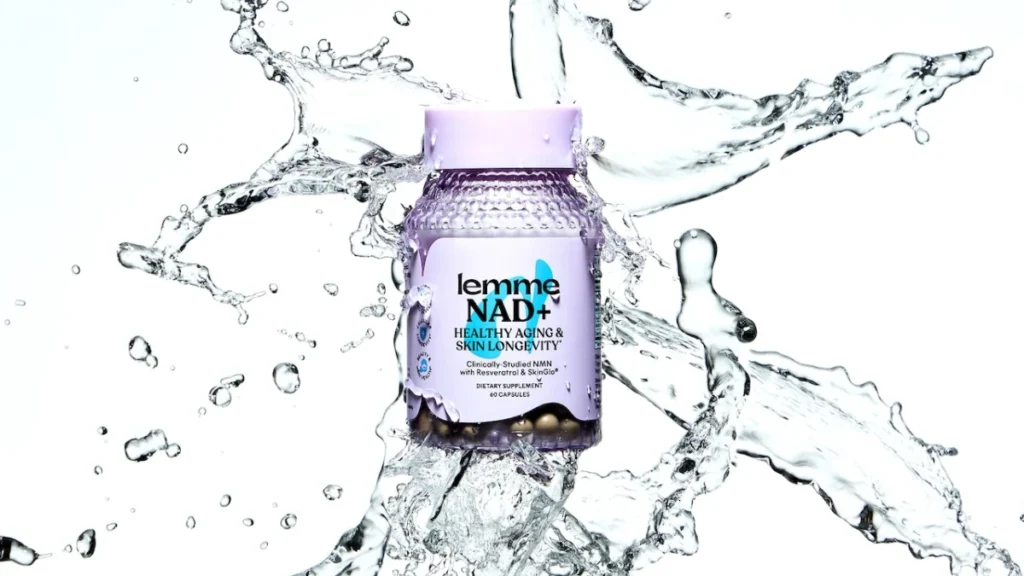
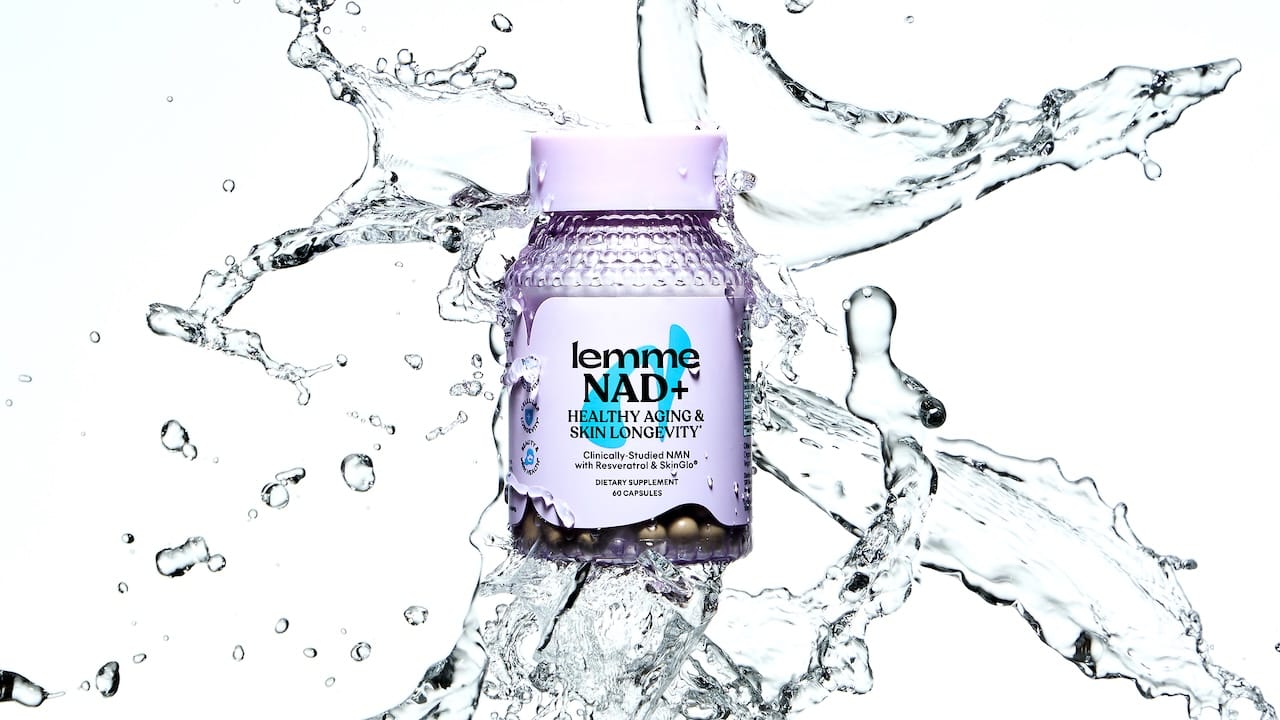
One such example is the launch of NAD+ supplements by Lemme, which strategically combine nicotinamide mononucleotide (NMN) with other potent ingredients. NMN is a precursor to nicotinamide adenine dinucleotide (NAD+), a vital coenzyme involved in cellular energy production and DNA repair, processes that are fundamental to healthy aging and skin longevity. The formulation is further enhanced with resveratrol, a well-known antioxidant found in grapes and berries, and spermidine, a polyamine found in foods like wheat germ and aged cheese, which has been linked to cellular renewal processes. The inclusion of carotenoids, a class of pigments found in fruits and vegetables with antioxidant and photoprotective properties, further rounds out the skin-focused benefits of this new offering.
These finished products underscore a growing consumer understanding of the interconnectedness of internal health and external appearance. Consumers are increasingly seeking supplements that offer not just symptomatic relief but also proactive support for cellular health, aging gracefully, and maintaining a youthful, radiant complexion. The strategic inclusion of ingredients like NMN, resveratrol, and spermidine reflects a commitment to science-backed solutions that address the multifaceted aspects of skin health from within.
Industry Outlook and Future Implications
The advancements showcased in this week’s Supplement Shorts paint a picture of a dynamic and scientifically driven industry. The focus on the gut-hormone axis for menopausal support represents a sophisticated evolution in women’s health, moving beyond generic solutions to targeted, mechanism-based interventions. The rapid emergence of postbiotics offers novel avenues for immune support, while new product launches demonstrate a continued commitment to addressing key consumer concerns like skin health and healthy aging.
The implications of these developments are far-reaching. For consumers, it means access to increasingly sophisticated and effective dietary supplements that are backed by robust scientific research. For the industry, it signals a growing emphasis on innovation, clinical validation, and a deeper understanding of the complex interplay between the microbiome, hormones, and overall health. As research continues to unveil the intricate connections within the human body, the supplement industry is well-positioned to translate these discoveries into tangible health benefits for a global population. The ongoing dialogue between ingredient suppliers, formulators, and scientific researchers is crucial for driving this progress and ensuring that consumers have access to safe, effective, and cutting-edge nutritional solutions.
For companies looking to share their own innovations, SupplySide Supplement Journal encourages outreach to Devon Gholam at [email protected] to discuss new ingredients, product launches, or clinical trial results. The journal remains a key platform for disseminating critical information within the nutraceutical community, fostering an environment of collaboration and scientific advancement.