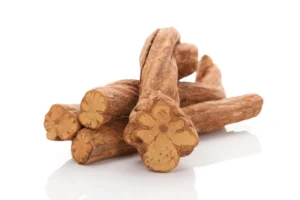








Ashwagandha (Withania somnifera), a cornerstone of Ayurvedic medicine with a history stretching back thousands of years, has experienced a meteoric rise in popularity within the United States and globally. It has become a ubiquitous ingredient in dietary supplements targeting stress, sleep, athletic performance, and women’s health. However, this surge in demand has not been without its complexities, drawing significant attention from regulatory bodies and sparking considerable debate within the industry. The core of these discussions often centers on its global legal status, specific national regulatory decisions, and the ongoing scientific discourse surrounding the efficacy and safety of its various plant parts. This comprehensive report aims to clarify the current landscape of ashwagandha regulation and its implications for the burgeoning natural products market.
The question of whether ashwagandha is banned is a frequent point of inquiry. Globally, ashwagandha is not subject to a universal ban. Neither the United States nor the European Union has implemented a blanket prohibition. However, regulatory approaches vary significantly by jurisdiction. Denmark stands as a notable exception, being the sole country to outright ban ashwagandha in food supplements. Many other nations permit its use, though often with stipulations such as mandatory warnings or limitations on dosage. Food safety agencies in countries like France and Germany, while not enacting outright bans, do issue advisories cautioning specific demographic groups against its consumption. These nuanced regulations underscore the evolving nature of how natural products are assessed and controlled in different markets.
A pivotal development in the ashwagandha regulatory narrative occurred in India during April 2026. Two key governmental bodies took decisive actions to establish the supremacy of ashwagandha root extracts in the market. The Ministry of Ayush (Ayurveda, Yoga & Naturopathy, Unani, Siddha and Homoeopathy) and the Food Safety and Standards Authority of India (FSSAI) issued directives to this effect. These actions were not spontaneous; they followed a period of deliberation and industry engagement. Ayush had previously issued an advisory against the use of ashwagandha leaf extracts in October 2021. Following objections from the industry, the ministry agreed to re-examine the issue. A crucial turning point was the release of a comprehensive safety dossier in 2024 by a government expert committee, which recommended a root-only approach.
The rationale provided by the Indian government for these restrictions encompassed several key concerns. Primarily, the directives aimed to ensure product safety and quality by addressing potential adulteration and misidentification of plant parts. Traditional Ayurvedic practices have historically emphasized the use of the root, and proponents of the new regulations argue that deviations from this practice can compromise the integrity of the final product. Furthermore, concerns were raised regarding the potential for increased toxicity or reduced therapeutic efficacy when non-root parts are included in formulations marketed as traditional ashwagandha.
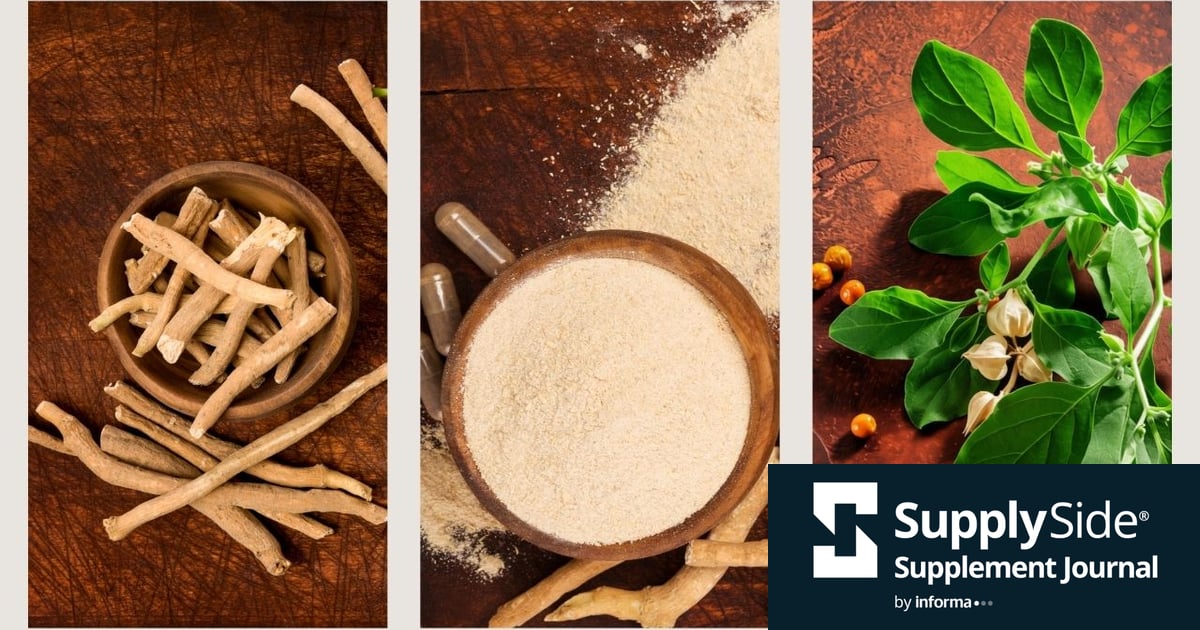
The supporters of the root-only rule, including many domestic suppliers and select brands, view it as a vital measure to combat adulteration. They contend that the addition of cheaper leaf material to extracts purported to be solely from the root can artificially inflate the concentration of key bioactive compounds, known as withanolides. This practice, they argue, deceives consumers and undermines the reputation of genuine ashwagandha products. This perspective aligns with a broader industry push for enhanced transparency and quality control in the botanical supplement sector, as highlighted in previous analyses discussing the importance of minimizing adulteration in the natural products supply chain.
The enforcement of India’s ashwagandha leaf restriction is currently in a state of partial implementation. On May 12, 2026, the Karnataka High Court issued an interim stay on both the Ayush directive and the FSSAI advisory. However, this stay was exclusively for the eight companies that had filed the relevant petitions. Consequently, other companies operating within India and selling ashwagandha products remain bound by the existing directives. As of September 2026, the court had not yet rendered a final ruling, leaving the regulatory landscape in a state of flux for a significant portion of the Indian market.
The root-only rule has faced legal challenges, with petitioners, comprising a consortium of Indian and international ingredient suppliers, presenting several arguments. A primary contention is that the scientific evidence does not unequivocally support the prohibition of leaf extracts. Petitioners assert that both root and leaf parts of the ashwagandha plant contain beneficial compounds and that historical Ayurvedic texts sometimes refer to the entire plant. They highlight that numerous safety studies, including recent toxicology assessments, have demonstrated the safety of root-and-leaf extracts when prepared appropriately. One particular 2026 study focused on a branded root-and-leaf ingredient, providing human safety data that suppliers believe supports the continued use of these formulations.
Crucially, the regulatory decisions made in India do not possess direct legal force in markets like the United States or Europe. National laws govern product safety and labeling within each respective region. However, India’s dominant position as the world’s primary source of ashwagandha means that its directives, particularly those aimed at exporters, can have profound ripple effects on global supply chains and pricing. Changes in Indian regulations can significantly influence the availability and cost of ashwagandha raw materials worldwide, impacting manufacturers and consumers far beyond India’s borders.
The scientific debate surrounding ashwagandha, specifically the distinction between root and leaf usage, remains a complex area with both points of consensus and contention. Both sides generally acknowledge that leaves can indeed be used as an adulterant in root products. A significant 2025 study conducted by the University of Mississippi’s National Center for Natural Products Research, with funding from the U.S. Food and Drug Administration (FDA) and the U.S. Department of Agriculture (USDA), provided compelling evidence for this. The study analyzed 25 ashwagandha supplements purchased online. Of those that met British and U.S. pharmacopeia standards, a mere two were exclusively derived from the root. The majority contained undeclared leaf or other above-ground plant parts. Overall, 44% of the tested supplements failed both standards, indicating a "wide spectrum of adulteration." The researchers also noted that existing testing methodologies, primarily designed for root analysis, are insufficient for accurately assessing the complex blends now prevalent in the market. However, they cautioned that not all observed variability necessarily equates to adulteration, as growing conditions, plant chemotype, and extraction processes also contribute to differences in chemical profiles.
The Netherlands has also emerged as a significant regulatory focal point for ashwagandha. In 2024, the Dutch public health institute RIVM advised against its use, citing case reports of liver issues and potential impacts on thyroid hormones. This led to a proposal by the Ministry of Health to include ashwagandha on its list of banned herbs. A public consultation in March 2025 garnered over 700 responses, the majority of which reportedly opposed the ban, according to reports in Vitafoods Insights.
Subsequently, in September 2026, the Netherlands formally notified the European Commission of a draft decree. This decree proposes to prohibit ashwagandha in food supplements and herbal preparations, with a notable exception for the root. This comprehensive decree addresses a range of substances, including ashwagandha, DMAA (banned), huperzine A (banned), synephrine (capped), and turmeric and St. John’s wort (subject to warnings). Specifically for ashwagandha, root preparations would remain permissible but would be required to carry a warning advising against use during pregnancy or breastfeeding, or by individuals with pre-existing liver or thyroid conditions. The decree also acknowledges the rare possibility of ashwagandha-induced liver problems. This revised proposal is less stringent than the initial full ban considered in 2025. The European Union’s mandatory standstill period for this notification extends until December 7, 2026, with no definitive implementation date yet set. The Dutch supplement trade association, NPN, indicated that the exemption for the root followed the submission of safety data by suppliers and India’s Ministry of Ayush. The RIVM is still under the process of reviewing this data, and the final regulations could be subject to change based on their assessment.
The broader European Union could potentially implement a ban on ashwagandha through a process known as Article 8. This framework, established under Regulation (EC) No. 1925/2006, empowers the European Commission to prohibit or restrict substances in foodstuffs, or place them "under scrutiny," following scientific evaluation by the European Food Safety Authority (EFSA). The EU has previously utilized this mechanism to outright ban ephedra in 2015 and to impose dosage limits on compounds like green tea catechins more recently.
In June 2024, a working group comprising heads of European food safety agencies recommended prioritizing ashwagandha for an Article 8 procedure. As of September 2026, this formal procedure had not been initiated. In the interim, individual EU member states are free to establish their own national regulations concerning ashwagandha. This fragmented regulatory environment creates challenges for companies operating across multiple European markets.
The concerns voiced by Australian and EU regulators often revolve around several key areas. These include potential adverse effects on liver function, as evidenced by reported case studies. Furthermore, questions have been raised about the impact of ashwagandha on thyroid hormone levels, particularly in individuals with pre-existing thyroid conditions. The potential for interactions with certain medications is another area of regulatory focus, alongside the general need for robust safety data and standardized quality control measures for botanical ingredients. The complexity of the plant’s chemical profile, influenced by geographical origin, cultivation practices, and processing methods, contributes to these regulatory hesitations.
For natural product brands, navigating this evolving regulatory landscape requires constant vigilance and proactive engagement. Key areas to monitor include:
- Evolving National Regulations: Staying abreast of any changes in existing regulations or the introduction of new restrictions in key markets like the U.S., EU member states, Canada, and Australia.
- Scientific Research and Data: Keeping informed about new scientific studies that contribute to the understanding of ashwagandha’s safety and efficacy, particularly regarding different plant parts and specific health conditions.
- Industry Best Practices: Adhering to the highest standards of quality control, transparency, and ethical sourcing to build consumer trust and preempt potential regulatory issues. This includes robust testing for contaminants and adulterants.
- Supply Chain Integrity: Working closely with suppliers to ensure the authenticity and purity of ashwagandha raw materials, prioritizing suppliers who can demonstrate adherence to stringent quality standards and traceability.
- Consumer Education: Providing clear and accurate information to consumers about the source, composition, and appropriate use of ashwagandha products, including any necessary warnings or contraindications.
The future of ashwagandha in the global dietary supplement market will likely be shaped by ongoing scientific inquiry, regulatory evolution, and the industry’s commitment to quality and transparency. While its popularity remains strong, brands and manufacturers must remain adaptable and informed to successfully navigate the complex regulatory terrain. The scientific community’s ongoing efforts to delineate the specific benefits and risks associated with different parts of the ashwagandha plant, coupled with regulatory bodies’ commitment to consumer safety, will ultimately guide its trajectory.
The author, Nick Collias, brings over a decade of experience in the health and fitness industry, with a background in journalism and book authorship. His work often delves into exercise, nutrition, and lifestyle topics, providing a well-rounded perspective on the natural products market.