







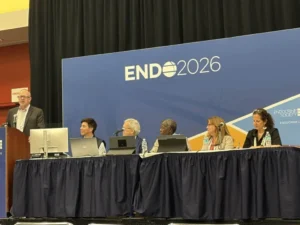
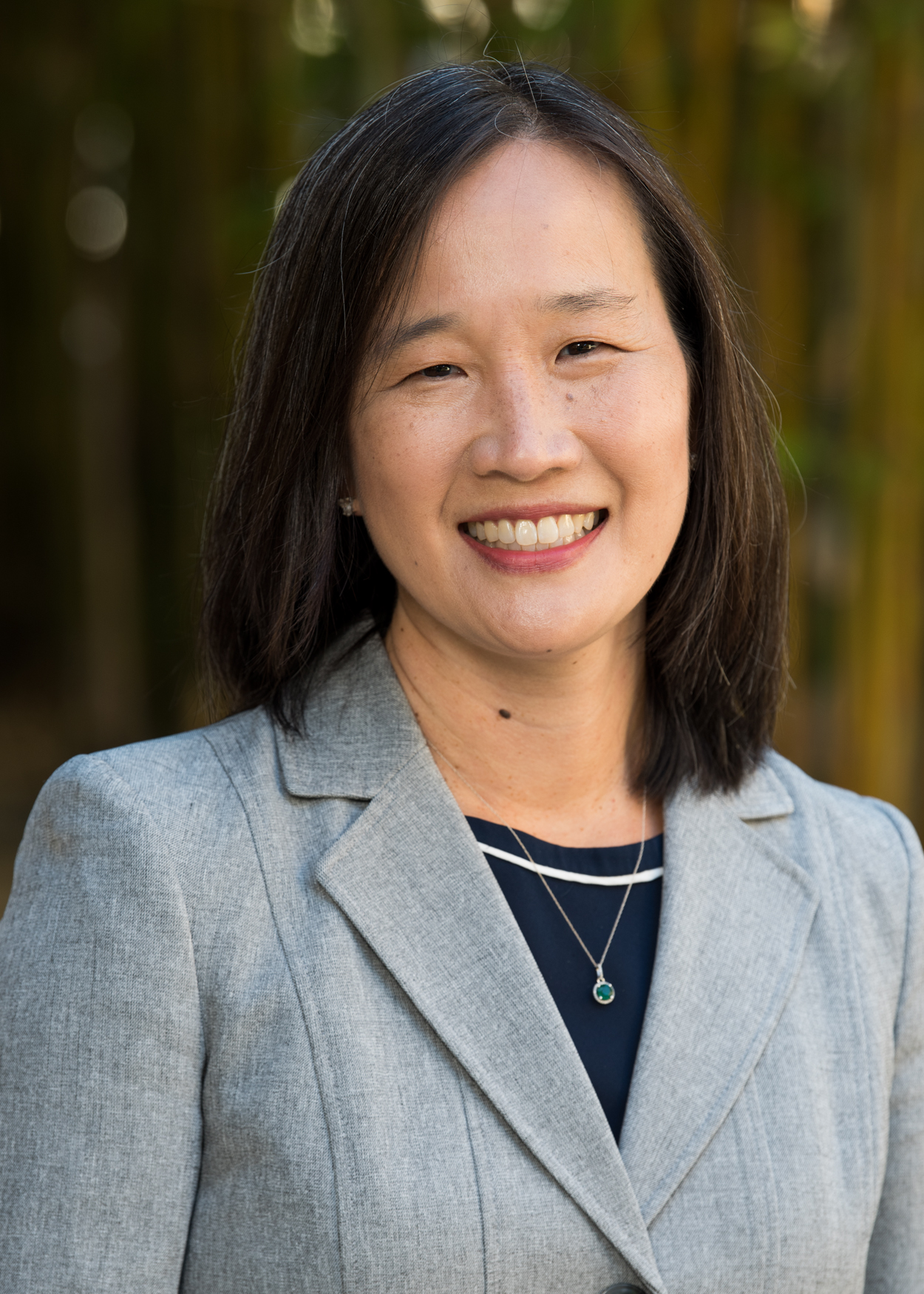
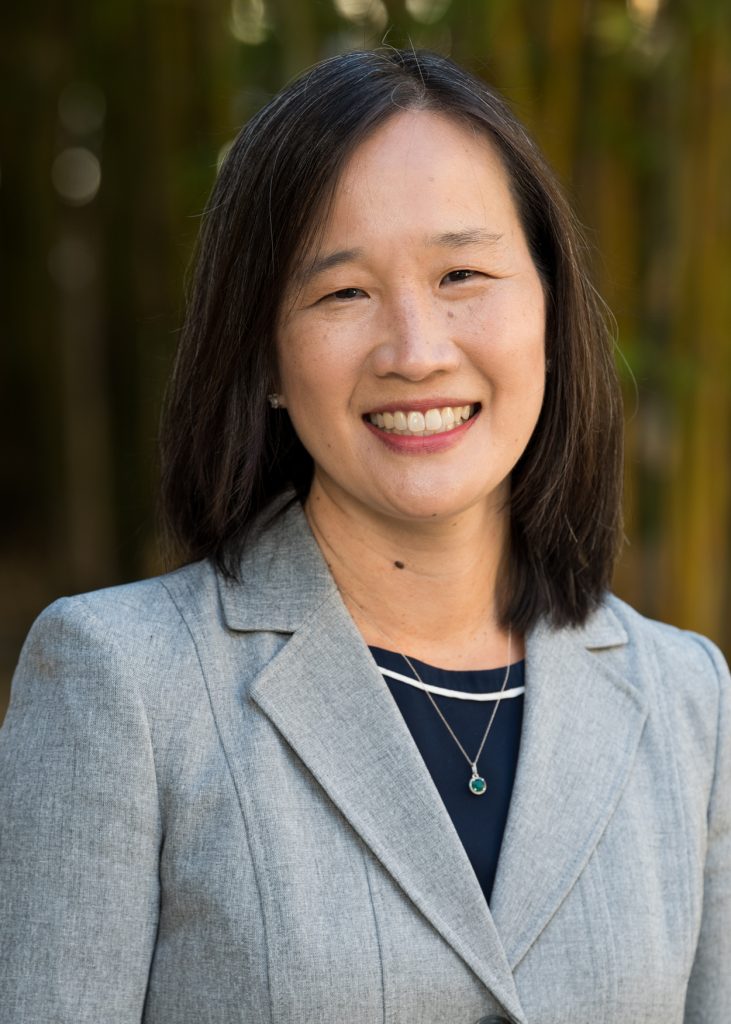
The Endocrine Society, the world’s oldest and largest organization devoted to hormone research and the clinical practice of endocrinology, has officially announced that its members have elected Joy Wu, MD, PhD, as the Society’s President for the 2027–2028 term. Dr. Wu, a distinguished physician-scientist currently serving at the Stanford University School of Medicine, will begin her leadership trajectory as President-Elect in June 2026, following the conclusion of the Society’s annual meeting, ENDO 2026, in Chicago, Illinois. Her formal ascension to the presidency will take place in June 2027, marking a significant milestone for both the institution and the field of bone and mineral research.
Dr. Wu currently holds several high-level leadership positions at Stanford University, where she is the Gerald M. Reaven, MD Professor of Endocrinology. In addition to her endowed professorship, she serves as the Chief of the Division of Endocrinology and the Vice Chair of Basic Science in the Department of Medicine. Her election to the presidency of the Endocrine Society reflects a career-long commitment to advancing the understanding of skeletal health and her extensive service to the international medical community.
A Career Defined by Clinical Excellence and Research Innovation
As a board-certified endocrinologist, Dr. Wu has built a reputation as a leading expert in the treatment of osteoporosis and various complex bone and mineral diseases. Her clinical practice is deeply integrated with her research interests, particularly in the realm of optimizing skeletal health for patients who are at an elevated risk of bone loss due to cancer therapies. This intersection of oncology and endocrinology—often referred to as "bone oncology"—is a critical area of modern medicine, as advancements in cancer survivorship have brought the long-term side effects of treatment, such as bone density loss, to the forefront of patient care.
Dr. Wu’s research program at Stanford is both basic and translational, bridging the gap between laboratory discovery and patient treatment. Her laboratory focuses on the intricacies of skeletal development and the bone marrow hematopoietic niche, which is the specialized environment within the bone marrow where blood cells are produced and regulated. By understanding the molecular signals that govern this environment, her team seeks to develop novel therapies for bone formation.
One of the most promising avenues of Dr. Wu’s current research involves the study of stem cell therapies. Her lab is investigating how stem cells can be harnessed to stimulate bone growth in patients with severe osteoporosis or those recovering from skeletal injuries. Furthermore, her research addresses the prevention of cancer metastases to the bone. Because the bone is one of the most common sites for the spread of solid tumors—such as breast, prostate, and lung cancers—Dr. Wu’s work in identifying the mechanisms that allow cancer cells to take root in the skeleton is of paramount importance to the global oncology community.
Chronology of Leadership and Society Involvement
Dr. Wu’s election to the presidency is the culmination of years of dedicated service to the Endocrine Society. Her involvement has been characterized by a steady progression of responsibilities, ranging from technical committee work to high-level governance.
- Early Involvement and Committee Service: Dr. Wu has been an active member of the Society for many years, contributing her expertise to various task forces and committees. Her technical proficiency was notably utilized during her tenure on the Society’s Hypercalcemia of Malignancy Guideline Writing Committee. This committee was responsible for establishing the clinical standards for treating dangerously high calcium levels in cancer patients, a condition that requires precise endocrine management.
- Board of Directors: Prior to her election as President, Dr. Wu served on the Society’s Board of Directors. This role provided her with a comprehensive understanding of the organization’s strategic goals, financial health, and global advocacy efforts.
- Special Interest Groups: She currently serves on the Bone and Mineral Special Interest Group (SIG), where she helps steer the scientific discourse regarding skeletal health within the Society’s broader framework.
- The Election of 2024: Following a vote by the Society’s global membership, Dr. Wu was confirmed as the future president, securing her place in the leadership succession plan.
- President-Elect Phase (June 2026 – June 2027): Dr. Wu will serve as President-Elect for one year. This period is designed to ensure a seamless transition of power, allowing the incoming leader to work closely with the sitting president and the executive staff.
- Presidency (June 2027 – June 2028): Dr. Wu will officially lead the Society, overseeing its international initiatives, educational programs, and policy advocacy.
The Significance of the Endocrine Society in Global Health
To understand the weight of Dr. Wu’s appointment, it is necessary to consider the scope of the Endocrine Society itself. Founded in 1916, the Society represents over 18,000 scientists, physicians, educators, nurses, and students in more than 120 countries. The organization is the primary authority on hormone-related health issues, including diabetes, thyroid disorders, obesity, infertility, and bone health.
The Society’s annual meeting, ENDO, is the premier global event for the endocrine community, attracting thousands of attendees to discuss the latest breakthroughs in hormone research. By electing a president with a strong background in bone and mineral research, the Society signals a continued focus on the "silent epidemic" of osteoporosis and the growing complexity of endocrine-related complications in aging populations.
Supporting data highlights the urgency of Dr. Wu’s specialty. According to the International Osteoporosis Foundation, osteoporosis causes more than 8.9 million fractures annually worldwide—resulting in an osteoporotic fracture every three seconds. Furthermore, in the United States alone, an estimated 10 million people over age 50 have osteoporosis, and another 44 million have low bone mass. As the population ages, the demand for endocrine expertise in skeletal health is projected to rise exponentially, making Dr. Wu’s leadership particularly timely.
Breaking Barriers: The Glass and Bamboo Ceilings
The election of Dr. Wu is also significant from a sociological perspective within the medical community. The Endocrine Society has previously highlighted her career in its Endocrine News publication, specifically noting her role in "breaking the glass and bamboo ceilings."
The "glass ceiling" refers to the invisible barriers that have historically prevented women from reaching the highest levels of professional leadership. In medicine, while women make up a significant portion of the workforce, they remain underrepresented in department chairs and executive roles. The "bamboo ceiling" refers to the specific challenges faced by Asian Americans in attaining leadership positions despite high levels of educational and professional achievement.
Dr. Wu’s ascent to the Chief of Endocrinology at Stanford and now to the Presidency of the Endocrine Society serves as a powerful precedent for diversity in medical leadership. Her dual role as an MD and a PhD also underscores the importance of the physician-scientist pathway, a career track that is essential for translating laboratory discoveries into clinical applications but one that has faced funding and recruitment challenges in recent years.
Institutional Impact and Official Responses
While formal statements from the Society typically follow the transition ceremonies, the internal reception of Dr. Wu’s election has been overwhelmingly positive. Colleagues at Stanford University and within the Society’s leadership have pointed to her "unique ability to bridge the gap between basic science and clinical care" as her defining strength.
Stanford Medicine has long been a hub for endocrine innovation, and Dr. Wu’s new role further solidifies the institution’s influence on global health policy. As the Gerald M. Reaven Professor, she carries the legacy of a pioneer in insulin resistance research, and her presidency is expected to bring increased visibility to Stanford’s bone and mineral research initiatives.
Industry analysts suggest that under Dr. Wu’s leadership, the Society may see an increased emphasis on:
- Interdisciplinary Collaboration: Strengthening ties between endocrinologists and oncologists to manage the skeletal health of cancer survivors.
- Regenerative Medicine: Promoting research into stem cell therapies and bone tissue engineering.
- Global Health Equity: Addressing disparities in the diagnosis and treatment of osteoporosis, which often goes undetected in underserved populations until a fracture occurs.
Broader Implications for the Future of Endocrinology
The field of endocrinology is currently at a crossroads, moving toward a more personalized, "precision medicine" approach. Dr. Wu’s expertise in the bone marrow niche and stem cells aligns perfectly with this shift. As the medical community moves away from "one-size-fits-all" treatments, the research conducted by leaders like Dr. Wu will be instrumental in developing targeted therapies that account for a patient’s genetic makeup and specific hormonal profile.
Furthermore, her presidency will likely coincide with a period of intense advocacy regarding environmental endocrine disruptors and the rising costs of hormone-related medications. As President, Dr. Wu will be the face of the Society’s efforts to influence government policy and research funding at the national and international levels.
The transition toward her presidency will be watched closely by the scientific community. Her term as President-Elect will officially begin following the ENDO 2026 meeting in Chicago, a city with its own rich history of medical innovation. As the Society prepares for this transition, the focus remains on the core mission: advancing hormone research and improving public health.
In summary, the election of Joy Wu, MD, PhD, represents a strategic and symbolic milestone for the Endocrine Society. By elevating a leader who excels in both the laboratory and the clinic, the Society reaffirms its commitment to scientific excellence and the practical application of research to save lives and improve the quality of life for millions of patients worldwide. Her upcoming tenure from 2027 to 2028 is poised to be a period of significant growth and advocacy for the field of endocrinology.