




In a significant development for the dietary supplement industry, recent independent testing has revealed concerning discrepancies in the quality and labeling of berberine supplements, prompting calls for greater transparency and accountability. Concurrently, emerging scientific research continues to highlight the potential benefits of mushroom-derived compounds for both mood enhancement and gut microbiome health, while several companies within the sector have announced strategic appointments and industry-recognized certifications, signaling ongoing innovation and growth.
The Berberine Blunder: Quality Control Under Fire
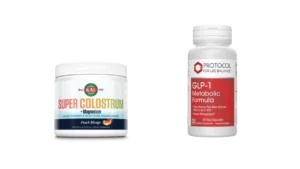
A recent investigation by nutraceutical company Cata-Kor has cast a stark light on the inconsistencies plaguing the berberine supplement market. The company commissioned Swift Laboratories to conduct high-performance liquid chromatography (HPLC) testing on 20 berberine products purchased from the popular online marketplace Amazon. The testing protocol was designed to verify the presence and quantity of either berberine or dihydroberberine, as declared on each product’s label. The findings, released recently, indicate that a substantial portion of these supplements did not meet their stated label claims, with some containing no detectable levels of the active ingredient.

The implications of these findings are far-reaching. Berberine, a compound found in various plants, has gained considerable attention for its potential health benefits, including its role in blood sugar management, cardiovascular health, and antimicrobial properties. Consumers often turn to berberine supplements as a natural alternative to support these health goals. However, as Vlad Seuruk, CEO of Cata-Kor, articulated, the current situation leaves consumers vulnerable. "Someone who buys a 1,500 mg berberine supplement and gets almost none of it has no way to find out," Seuruk stated. "They take it for a couple months, see no change and decide berberine doesn’t work for them, while the bottle keeps selling." This disconnect between consumer expectation and product reality can lead to wasted money, lost faith in the efficacy of beneficial compounds, and potentially hinder individuals from achieving their desired health outcomes.
The testing by Swift Laboratories revealed that seven out of the 20 products failed to meet their label claims. In one particularly egregious case, a product declared to contain berberine was found to have none detectable. This raises critical questions about the manufacturing processes, quality control measures, and regulatory oversight applied to these products. HPLC is a widely accepted analytical method for quantifying active ingredients in supplements, providing a reliable measure of product purity and potency. The fact that a significant number of products failed this rigorous testing underscores a systemic issue within the supply chain.
Seuruk emphasized that achieving accurate dosing of berberine is "entirely achievable," suggesting that the failures are not due to inherent difficulties in formulation but rather a lack of diligence in manufacturing and quality assurance. This points towards a need for stricter enforcement of existing regulations and potentially enhanced industry self-policing mechanisms. The practice of brands independently testing competitors’ products, while a valuable initiative for consumer protection, also highlights a gap where proactive and consistent quality verification is lacking.
The broader context of supplement quality has been a recurring theme in industry discussions. For instance, related analyses have highlighted that a simple quality score for a finished product does not necessarily guarantee a robust manufacturing protocol or ingredient sourcing strategy. This latest berberine investigation serves as a tangible, real-world example of these concerns materializing, impacting consumers directly and potentially damaging the reputation of the entire supplement sector.
Mushroom Marvels: Emerging Science for Mood and Gut Health
In contrast to the quality concerns surrounding some supplements, scientific research continues to illuminate the multifaceted health benefits of mushrooms. Recent studies are providing compelling evidence for the positive impact of mushroom-derived compounds on both mood regulation and the intricate ecosystem of the gut microbiome.
Mushrooms, particularly functional varieties like Lion’s Mane, Reishi, Cordyceps, and Turkey Tail, have been utilized for centuries in traditional medicine for their purported health-promoting properties. Modern scientific inquiry is now beginning to unravel the mechanisms behind these traditional uses. Research into adaptogenic mushrooms, for example, suggests they may help the body adapt to stress, thereby influencing mood and mental well-being. Compounds like psilocybin, found in certain "magic mushrooms," are also undergoing rigorous clinical trials for their potential in treating conditions such as depression, anxiety, and PTSD, though these are typically administered in controlled therapeutic settings and are not available as over-the-counter supplements.
Beyond their impact on mental health, mushrooms are also emerging as significant players in the gut health landscape. The complex polysaccharides found in many mushroom species, such as beta-glucans, are recognized as prebiotics. Prebiotics serve as food for beneficial gut bacteria, promoting their growth and activity. A healthy gut microbiome is increasingly linked to a wide range of health benefits, including improved digestion, enhanced immune function, and even a connection to mood through the gut-brain axis.
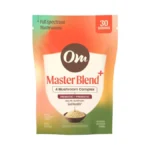
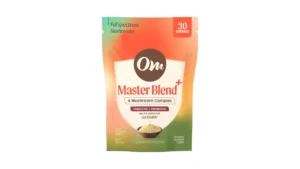
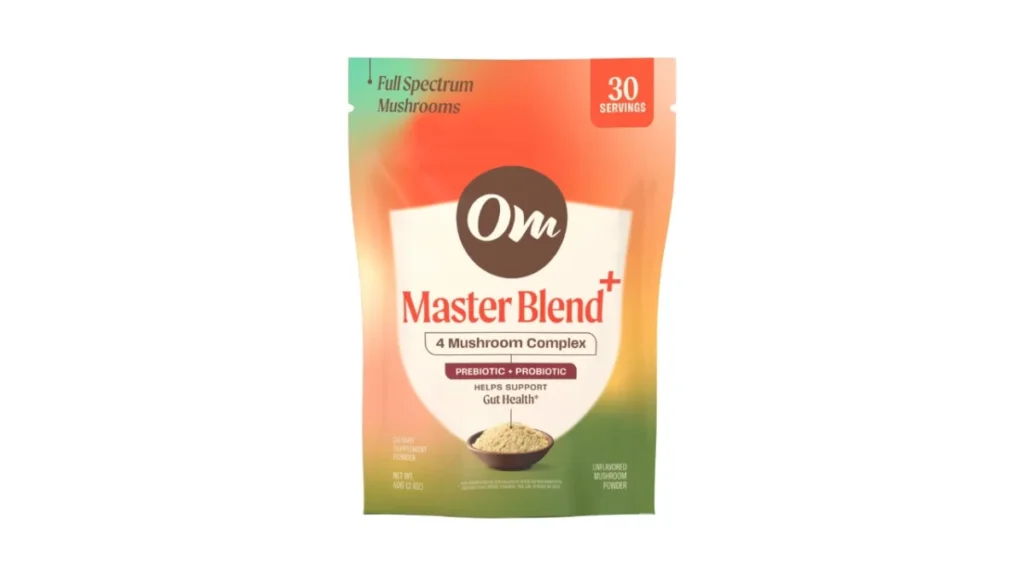
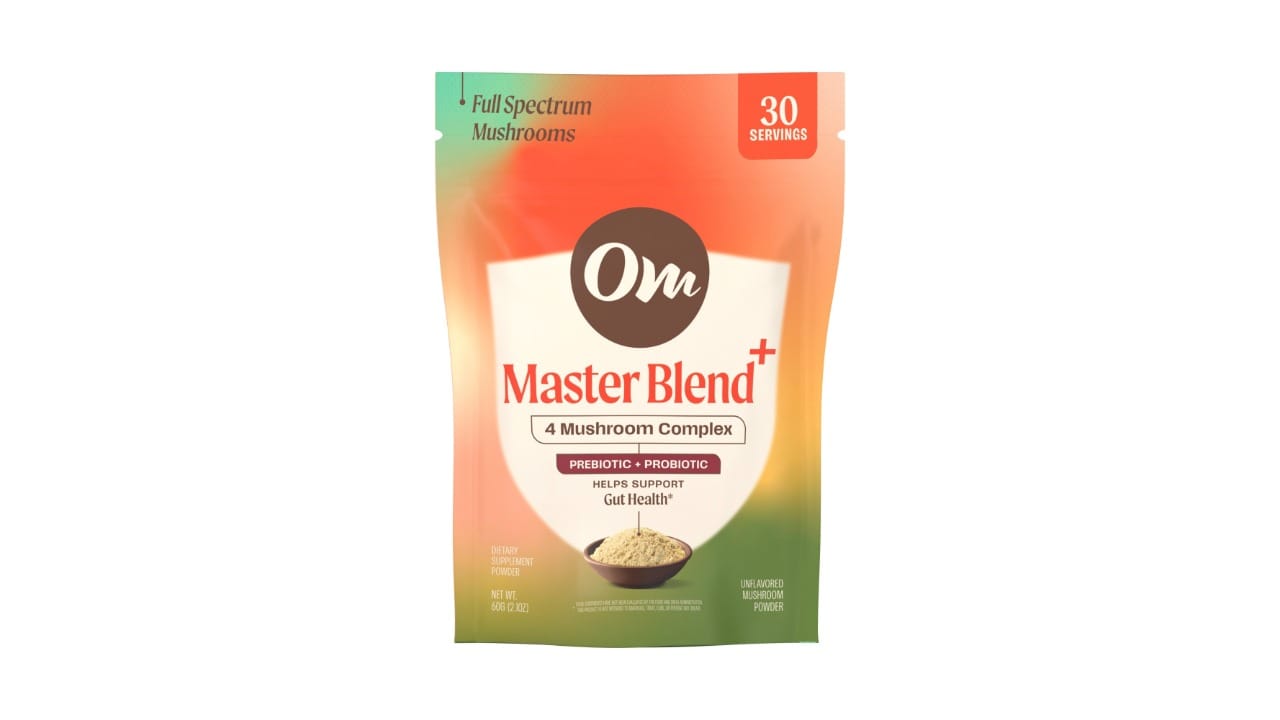
The symbiotic relationship between mushrooms and the gut microbiome is a key area of scientific interest. Certain mushroom extracts and powders are being formulated into dietary supplements designed to nurture this delicate balance. For instance, the mushroom supplement brand Om recently launched a prebiotic and probiotic mushroom powder formulated with mycelia, fruiting bodies, and/or primordia from four distinct mushroom species. This product exemplifies the growing trend of combining the prebiotic potential of mushrooms with probiotics to create synergistic formulations aimed at optimizing gut health.
The scientific community’s growing understanding of mycological compounds is driving innovation in product development. As more clinical trials are published and the therapeutic potential of various mushroom species is validated, consumer interest and demand are expected to surge. This trend suggests a robust future for mushroom-based supplements, provided that quality and sourcing remain paramount.
Industry Milestones: New Appointments and Certifications Signal Growth and Commitment
The supplement industry is not only characterized by scientific advancements and quality challenges but also by its dynamic business landscape, marked by strategic leadership changes and the pursuit of industry-recognized quality standards.
Companies within the sector are actively announcing new appointments to their leadership teams, signaling a focus on strategic growth, innovation, and enhanced operational capabilities. These appointments often bring fresh perspectives and specialized expertise, crucial for navigating the complex and rapidly evolving nutraceutical market. While specific details of new appointments were not provided in the initial report, the consistent announcement of such changes across the industry underscores a healthy and active business environment. These leadership transitions can influence everything from product development pipelines and marketing strategies to international expansion and regulatory compliance.
Furthermore, the emphasis on certifications continues to be a critical differentiator for supplement companies aiming to build consumer trust and demonstrate a commitment to quality. Certifications from third-party organizations, such as those related to Good Manufacturing Practices (GMP), organic standards, or specific ingredient verification, provide tangible proof of a company’s adherence to rigorous quality and safety protocols. The pursuit and attainment of such certifications are often announced as significant company milestones, reflecting investments in operational excellence and a dedication to producing safe and effective products.
The importance of such certifications is amplified when considering the inherent complexities of sourcing and identifying botanical ingredients, a topic that has also been a focus of industry attention. Ensuring the correct identification and purity of raw materials is a foundational aspect of supplement quality. When companies achieve recognized certifications, it reassures consumers and business partners alike that they are engaging with entities that prioritize these critical steps.
Looking Ahead: A Call for Transparency and Innovation
The recent revelations regarding the quality of berberine supplements serve as a critical reminder of the ongoing need for vigilance within the dietary supplement industry. For consumers, this underscores the importance of seeking out reputable brands that prioritize transparency, independent third-party testing, and clear labeling. The proactive testing initiated by companies like Cata-Kor, while commendable, highlights the reliance on industry self-policing in the absence of more comprehensive regulatory oversight.
On the scientific front, the promising research into the benefits of mushrooms for mood and gut health offers exciting avenues for innovation and improved consumer well-being. As scientific understanding deepens, the market can expect to see a wave of new, evidence-based mushroom-derived products.
The ongoing strategic appointments and pursuit of certifications within the industry signal a commitment to growth and a dedication to raising the bar for quality and consumer confidence. The convergence of rigorous scientific validation, unwavering quality control, and strategic business development will be key to fostering a thriving and trustworthy supplement market. As Devon Gholam, Ph.D., Editor at SupplySide Supplement Journal, aptly notes, a passion for knowledge and credible science is essential to fostering an innovative and collaborative spirit within the nutraceutical community. This spirit is vital for addressing challenges like inconsistent product quality and for capitalizing on the immense potential of natural compounds to support human health.