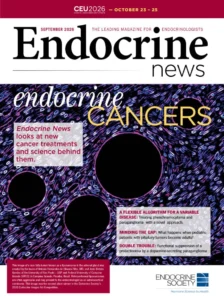
The latest release of Endocrine News provides a comprehensive examination of the critical temporal factors that define human health, from the microscopic level of hormonal programming to the macroscopic scale of lifelong clinical care. By focusing on "pivotal moments," the publication underscores a fundamental truth in endocrinology: the timing of an intervention—whether it is a regulatory decision on chemical exposure, a diagnostic breakthrough in a rare bone disease, or the establishment of patient trust via digital platforms—can fundamentally alter health trajectories. This issue synthesizes the latest research on endocrine-disrupting chemicals (EDCs), the management of rare metabolic disorders such as hypophosphatasia (HPP), and the shifting paradigms of medical communication in the age of social media.
The Developmental Impact of Endocrine-Disrupting Chemicals
A central feature of the current endocrine discourse is the concept of "windows of vulnerability." As explored by Kelly Horvath, the prenatal and early childhood periods represent stages where the human endocrine system is uniquely susceptible to external interference. Endocrine-disrupting chemicals (EDCs), which include a broad spectrum of substances such as phthalates, bisphenols (BPA), and per- and polyfluoroalkyl substances (PFAS), have the capacity to mimic, block, or interfere with the body’s natural hormones.
Research highlights that exposure during these developmental windows does not merely cause transient fluctuations in hormone levels; it can lead to permanent alterations in physiological programming. For instance, EDCs have been linked to changes in brain function, potentially contributing to neurodevelopmental disorders. Furthermore, bone development is increasingly recognized as a target for EDC interference, where chemicals can disrupt the delicate balance between osteoblast and osteoclast activity, leading to long-term implications for skeletal integrity and fracture risk.
Data from the World Health Organization (WHO) and the United Nations Environment Programme (UNEP) suggest that the global prevalence of endocrine-related diseases is on the rise, a trend that correlates with the increased production and use of synthetic chemicals. Economic analyses indicate that EDC-related health costs in the United States alone may exceed $340 billion annually, representing roughly 2.3% of the national Gross Domestic Product (GDP). By moving beyond the identification of risks, current endocrine research is now focusing on actionable mitigation strategies. This includes advocating for stricter regulatory standards, encouraging "green chemistry" in product design, and providing clinicians with the tools to educate patients on reducing environmental exposures.
Chronology of Endocrine Awareness and Regulatory Milestones
The scientific understanding of EDCs has evolved significantly over the past three decades. The timeline of this field reflects a growing urgency among the global scientific community:
- 1991: The Wingspread Statement is issued, marking the first major international consensus that certain chemicals can disrupt the endocrine system.
- 1996: The Food Quality Protection Act and the Safe Drinking Water Act are amended in the U.S., requiring the EPA to screen chemicals for endocrine-disrupting effects.
- 2002: The WHO publishes the Global Assessment of the State-of-the-Science of Endocrine Disruptors, providing a global framework for risk assessment.
- 2015-2023: Increasing focus shifts toward "low-dose effects" and the "mixture effect," acknowledging that human exposure involves complex cocktails of chemicals rather than isolated substances.
- 2024 and Beyond: Current initiatives focus on the "Closing Windows of Vulnerability" framework, emphasizing that the timing of exposure is as critical as the dose.
Clinical Focus on Hypophosphatasia: A Rare Metabolic Challenge
The current issue of Endocrine News also places a significant emphasis on hypophosphatasia (HPP), a rare, inherited metabolic disorder characterized by defective bone mineralization. HPP is caused by mutations in the ALPL gene, which leads to a deficiency of the tissue-nonspecific alkaline phosphatase (TNSALP) enzyme. This deficiency results in the accumulation of substrates like inorganic pyrophosphate, which acts as a potent inhibitor of mineralization.
The clinical presentation of HPP varies widely, ranging from life-threatening conditions in infants—who may present with soft bones and respiratory failure—to adults who suffer from chronic pain, recurring fractures, and dental complications. Because the symptoms of HPP often overlap with more common conditions like rickets or osteoporosis, it is frequently misdiagnosed.
The significance of HPP in the context of "pivotal moments" lies in the necessity of early and accurate diagnosis. The 2015 FDA approval of asfotase alfa, the first enzyme replacement therapy for HPP, revolutionized the treatment landscape. For pediatric patients, timely initiation of this therapy can be the difference between severe physical disability and a relatively normal developmental trajectory. The Endocrine Society continues to advocate for increased awareness among primary care physicians and pediatricians to ensure that low alkaline phosphatase levels in routine blood tests are not overlooked.

The Digital Transformation of Patient-Provider Relationships
Beyond the laboratory and the clinic, the practice of endocrinology is undergoing a digital transformation. Dr. Sehrish Waheed, an early-career endocrinologist, highlights how social media is being leveraged to build trust and combat medical misinformation. In an era where patients often turn to the internet for health advice, the presence of board-certified specialists on digital platforms serves as a vital counterweight to "predatory" health trends and pseudoscientific claims.
One of the most pressing issues addressed through these digital channels is the stigma surrounding obesity. Endocrinology is at the forefront of treating obesity as a chronic metabolic disease rather than a behavioral failing. By using social media to provide evidence-based education, clinicians like Dr. Waheed are helping to dismantle the shame that often prevents patients from seeking care. This approach aligns with a broader shift toward patient-centered care, where the "pivotal moment" is the establishment of a safe, non-judgmental dialogue between the doctor and the patient.
Excellence in Pituitary Care and the Value of Mentorship
The recognition of Dr. Lisa B. Nachtigall as the 2026 Vigersky Outstanding Clinical Practitioner Award recipient underscores the importance of long-term commitment in complex endocrine care. Dr. Nachtigall’s work in pituitary health highlights the necessity of a multidisciplinary approach. The pituitary gland, often referred to as the "master gland," regulates a wide array of vital functions, and disorders such as acromegaly or Cushing’s disease require nuanced, long-term management strategies.
In her reflections, Dr. Nachtigall emphasizes that clinical excellence is not solely the result of technical proficiency but is also rooted in mentorship and patient education. The "windows of opportunity" in a clinician’s career are often opened by mentors who provide guidance during the formative years of residency and fellowship. This cycle of mentorship ensures that the high standards of pituitary care are passed down to the next generation of endocrinologists, maintaining the continuity of care that is essential for patients with chronic endocrine conditions.
Supporting Data and Analysis of Endocrine Trends
The broader implications of these stories suggest that the field of endocrinology is moving toward a more proactive and preventative model. This shift is supported by emerging data in several key areas:
- Epidemiological Shifts: The prevalence of metabolic syndrome and type 2 diabetes continues to rise globally, with the International Diabetes Federation (IDF) predicting that 783 million adults will be living with diabetes by 2045. This trend necessitates earlier hormonal screening and intervention.
- Precision Medicine: Advances in genetic testing are allowing for more precise diagnoses of rare conditions like HPP. Genomic sequencing is becoming a standard tool in the endocrinologist’s arsenal, facilitating personalized treatment plans that target the underlying molecular cause of a disease.
- Communication Efficacy: Surveys indicate that over 70% of patients look for health information online before a consultation. Clinicians who engage in digital outreach report higher levels of patient adherence and improved health literacy among their patient populations.
Broader Impact and Future Implications
The synthesis of research and clinical practice presented in Endocrine News suggests that the future of the field will be defined by its ability to integrate diverse data points—from environmental science and genetics to digital communication. The "windows of vulnerability" mentioned in the context of EDCs are mirrors of the "windows of opportunity" found in clinical practice.
For regulators, the challenge lies in translating endocrine research into policy that protects the most vulnerable populations from chemical exposure. For clinicians, the challenge is to stay abreast of rapidly evolving treatments for rare diseases while navigating the complexities of the modern digital landscape.
The overarching message of this issue is one of agency. Whether it is through the advocacy for cleaner environments, the pursuit of clinical excellence in rare disease management, or the innovative use of technology to foster patient trust, the endocrine community is actively shaping the future of public health. Progress in this field is not a matter of chance; it is the result of recognizing critical moments and having the expertise and determination to act upon them. As endocrinology continues to evolve, the focus on these pivotal windows will remain the cornerstone of efforts to improve lives and ensure long-term health outcomes for populations worldwide.