









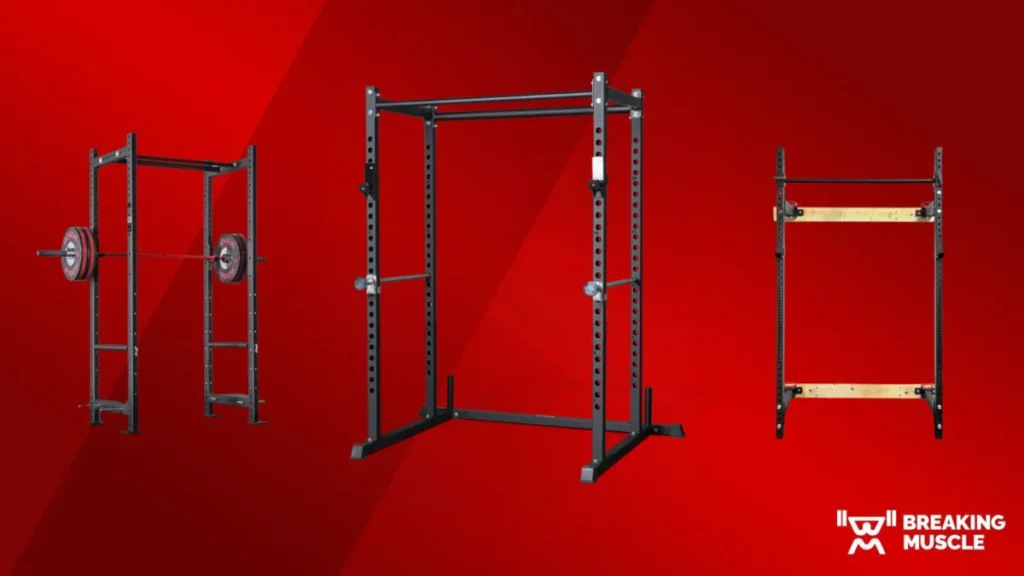
A power rack, also known as a power cage, is an indispensable piece of equipment for any serious home gym enthusiast, offering a safe and versatile platform for a wide range of strength training exercises. These robust structures, typically featuring four upright posts, are designed to allow users to perform heavy compound lifts such as barbell squats, bench presses, and overhead presses with confidence, even when training alone. The integrated safety mechanisms, including pins, straps, or spotter arms, are crucial for preventing injury by catching the barbell if a lifter fails to complete a repetition. Beyond its core function for barbell work, power racks can be augmented with a multitude of accessories, transforming them into comprehensive training stations capable of accommodating exercises like pull-ups, dips, and resistance band training, thus facilitating a truly full-body workout.
As the demand for effective home fitness solutions continues to grow, the market has responded with an array of power rack options, catering to diverse needs and budgets. Whether an individual is facing spatial constraints, seeking cost-effective solutions, or aiming for advanced training capabilities, there is a power rack designed to meet those requirements. This comprehensive guide explores some of the top power racks available in 2025, providing in-depth details to assist consumers in making an informed decision to elevate their home fitness regimen. To further enhance the reader’s understanding, insights from Shane Sevcik, a USAW-1 certified coach, USA Weightlifting Foundation board member, state record holder, and Masters Pan American and World title holder, are integrated throughout the review, offering expert perspectives on what constitutes a high-quality power rack.
Understanding the Power Rack: A Foundation for Strength
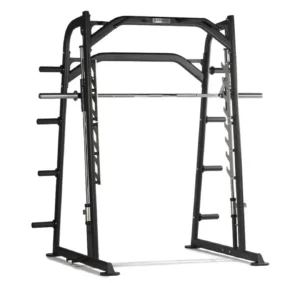
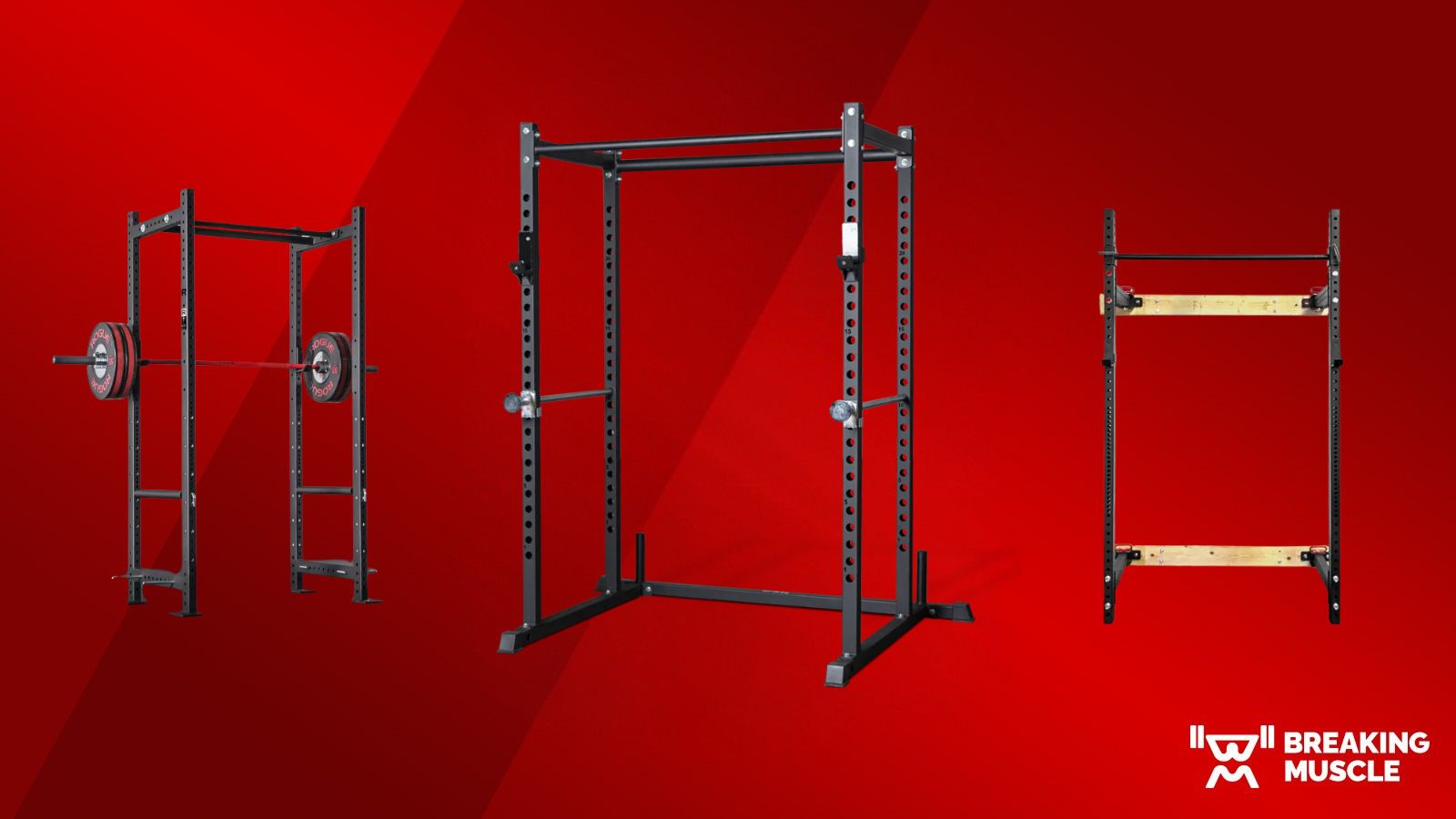
A power rack is fundamentally a four-post steel frame that encloses a lifting area. Its primary purpose is to provide a secure environment for lifting heavy weights. Unlike simpler squat racks or stands, which typically consist of only two uprights, power racks offer a greater degree of safety due to their enclosed design and robust safety features. This enclosure allows lifters to perform exercises within the rack, benefiting from the built-in safety mechanisms that can catch a dropped barbell. The space within the rack also accommodates a wider range of movements and can be adapted with various attachments to perform exercises that might otherwise require separate equipment.
The evolution of the power rack has seen it move from specialized gym equipment to a staple in home fitness setups. This shift is driven by increasing awareness of the long-term health benefits of strength training, including reduced risk of chronic diseases, improved bone density, and enhanced metabolic health. Research published in journals like the British Journal of Sports Medicine consistently highlights the importance of muscle-strengthening activities, recommending 30 to 60 minutes per week to significantly benefit overall health. A power rack democratizes access to this type of training, making it feasible for individuals to achieve significant strength gains safely and conveniently from their own homes.
Expert Insights from Shane Sevcik
Shane Sevcik, a seasoned figure in the weightlifting community, brings a wealth of practical and competitive experience to the discussion of power racks. His credentials, including USAW-1 certification and multiple championship titles, underscore his deep understanding of training mechanics and equipment efficacy. Sevcik emphasizes that a power rack is more than just a frame; it’s a critical component of a safe and progressive training program.
"It’s all about consistency," Sevcik states, referring to effective training. "Make sure you have some kind of progressive overload built into your programming." This principle of progressive overload, the gradual increase of stress on the body during exercise, is precisely what a power rack facilitates. By allowing lifters to safely increase weight, repetitions, or sets over time, it supports continuous improvement.
A key area of focus for Sevcik is the proper utilization of safety features. "One of my biggest pet peeves is when I see people who don’t know how to set the safety arms the right way and have the pins set way too low," he explains. "The purpose of those safety arms is to give you a safe way to bail out of a lift. Otherwise, you’re just using a power rack as a big immobile squat stand." Sevcik elaborates on the correct setup for squats: "To set them up for squats, put the unloaded bar on your back and squat down to the deepest position you can get yourself into. The safety bars should be about an inch and a half or one notch lower than your bottom position, so if you ever fail on a squat, all you do is sit your butt down to the very bottom." This practical advice is invaluable for anyone looking to maximize the safety and effectiveness of their power rack training.
Top Power Rack Picks for 2025
Best Overall Power Rack: REP Fitness PR-1000 Power Rack
The REP Fitness PR-1000 Power Rack stands out as an excellent all-around option, particularly for those beginning their strength training journey or operating within a moderate budget. Constructed from 14-gauge steel with laser-cut holes spaced two inches apart, it offers a sturdy foundation for a variety of exercises. A notable feature is the inclusion of two distinct pull-up bars – one at 1.25 inches and another at 2 inches in thickness – allowing for versatile grip training without requiring additional equipment. These bars are strategically positioned to enhance the rack’s stability, a quality further reinforced by integrated weight storage pegs on the rear base.
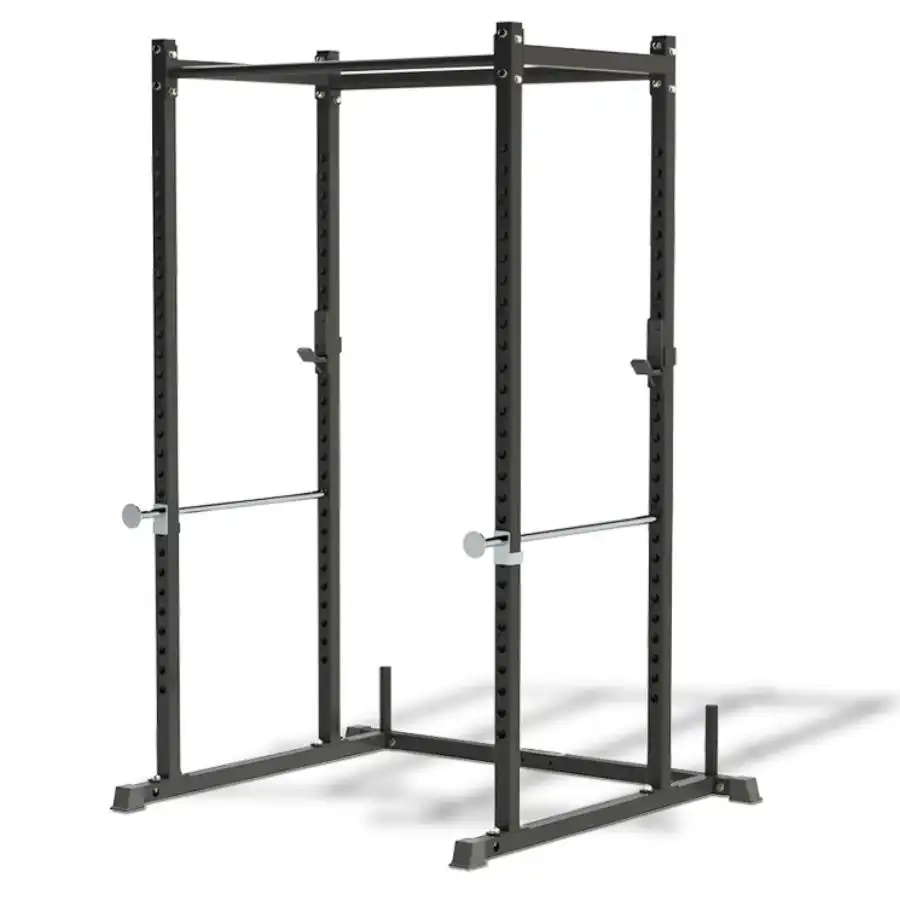
The PR-1000 is designed with customization in mind, offering compatibility with numerous add-on accessories such as safety straps and a dip station. Tester Brandon Lunsford, C.P.T., CF-L1, who used the PR-1000 extensively for nearly two years, described it as an intermediate or beginner-friendly rack. While he noted some minor swaying when un-racking 350 pounds, he affirmed that the rack "held the weight just fine" and expressed overall satisfaction, recommending it for users who do not consistently lift at extremely high capacities. Lunsford particularly praised the chrome-coated safeties that extend beyond the rack, providing an additional safety buffer. The numbered uprights simplify the adjustment of safeties and J-hooks, ensuring precise bar placement. "The J-hooks were easy to move, and the hole spacing of one inch is adequate to get the bar lined up where you need it," Lunsford commented, also attesting to the efficacy of the safeties during a failed bench press.
Best Folding Power Rack: Titan Fitness T-3 Series Folding Power Rack
For individuals prioritizing space efficiency, the Titan Fitness T-3 Series Folding Power Rack is an exceptional choice. This wall-mounted unit folds compactly, reducing its footprint to a mere five inches from the wall when not in use. The stability of the T-3 is ensured by its bolt-down uprights and side bracing, enabling it to safely support up to 1,100 pounds. For dynamic movements like kipping pull-ups or toes-to-bar, the floor attachment provides crucial added stability. The rack features two pull-up bars: a thicker, 2-inch rear bar and the industry-standard 1.25-inch front bar.
Constructed from robust 11-gauge steel with 2×3 inch tubing, the T-3 series represents a strong value proposition. While newer racks often utilize 3×3 inch tubing, potentially limiting attachment compatibility with other brands, the T-3 offers an impressive weight capacity at a competitive price point. Lunsford highlights that for approximately $400, a full power rack of this caliber with a 1,100-pound capacity is "an excellent bang for the buck." Titan Fitness employs advanced manufacturing techniques, including laser-cut holes and robotic welding, which contribute to enhanced precision and durability. The two-inch hole spacing is complemented by Westside hole spacing in critical zones like the bench and clean pull areas, allowing for finer adjustments. It’s important to note that the T-3 does not include safety arms, which must be purchased separately, and the included J-cups are rated to 1,000 pounds, necessitating an upgrade for lifters exceeding that threshold. Titan offers a range of customizable options, including color choices, different rack depths and heights, and weight plate holders.
Best Short Power Rack: REP Fitness PR-1050 Short Power Rack
Addressing the common challenge of low ceilings in home gyms, the REP Fitness PR-1050 Short Power Rack measures just 72 inches (six feet) tall, making it an ideal solution for garages or basements. Despite its compact height, it maintains a sturdy footprint of 58 by 48 inches and supports a weight capacity of up to 700 pounds. This rack is equipped with dual pull-up bars capable of supporting 400 pounds, numbered upright holes with two-inch spacing, rear base weight horns for added stability, chrome-coated safeties, and plastic-lined J-cups. Furthermore, it is compatible with a variety of add-on attachments, such as cannonball grips for grip strength work and landmine attachments for compound movements like presses and rows.
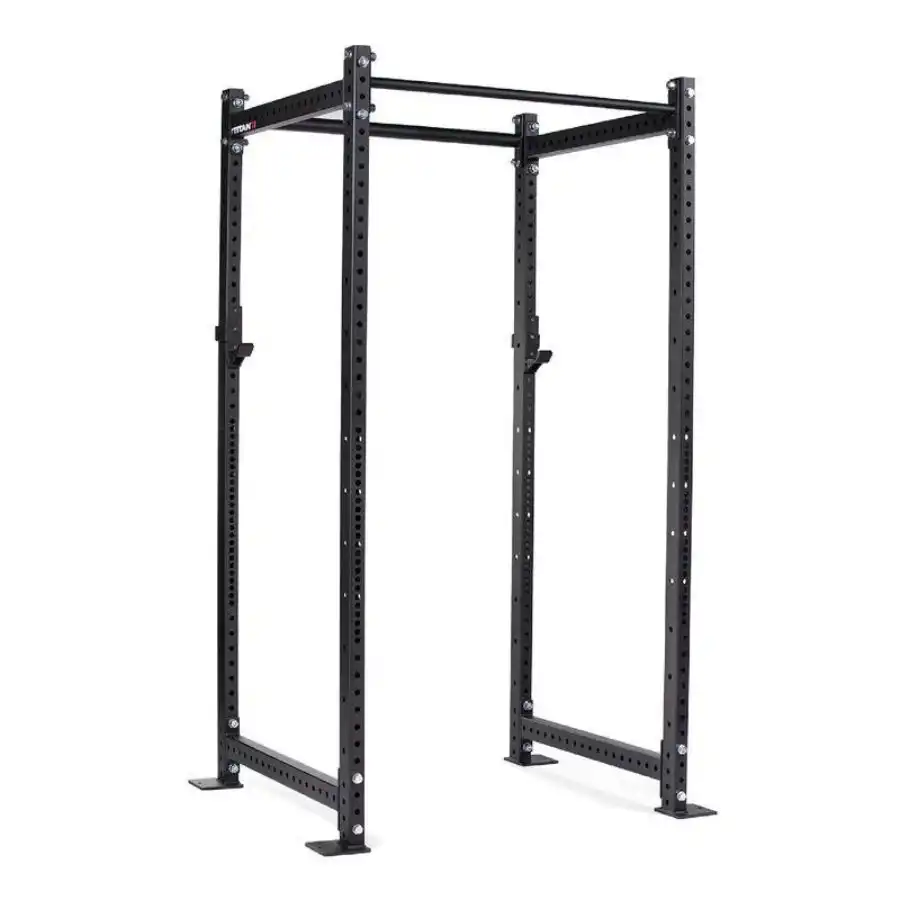
Best Space-Saving Power Rack: Fringe Sport Retractable Power Rack
For those who need to maximize available space, the Fringe Sport Retractable Power Rack offers an innovative solution. This rack can be retracted and folded either inward or outward, reducing its profile to just five inches from the wall when stored. It features a compact base and can support up to 800 pounds. The uprights are constructed from 11-gauge, 2×3 inch steel, incorporating Westside spacing in the bench zone. The 1.25-inch diameter pull-up bar can be adjusted to multiple heights. With a total height of 91 inches, it may not be suitable for very low ceilings. The rack comes with UHMW (ultra-high molecular weight polyethylene) coated J-hooks, designed to protect barbell knurling. Fringe Sport provides an installation video and includes four mounting brackets and six detent pins for secure positioning.
Best Power Rack with Lat Pulldown: Sunny Health & Fitness Power Zone Strength Rack Power Cage Squat Rack
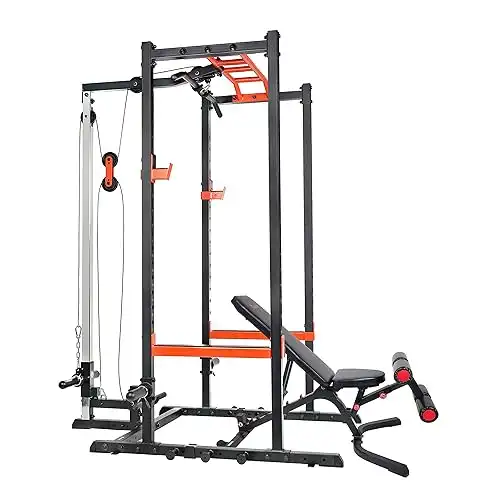
The Sunny Health & Fitness Power Zone Strength Rack integrates a pulley system for lat pulldowns, offering enhanced versatility. This attachment can be loaded with weight plates up to a 352-pound limit and is suitable for exercises like upright rows and curls. When not in use, built-in safety hook latches provide convenient storage for the lever bars. The rack itself features an adjustable, angled pull-up bar with four grip positions and J-hooks with 18 vertical height settings. Spotter bars with safety latches are included for added safety during heavy lifts, and six resistance band pins allow for additional training options.
Best Power Rack for Garage Gym: Rogue Fitness R-3 Power Rack
The Rogue Fitness R-3 Power Rack is the most compact model in Rogue’s R-Series, making it an excellent choice for home garage gyms. Available in two height options (90.4 inches or 84.4 inches), it is designed to fit within spaces with lower ceilings. Constructed from heavy-duty 11-gauge steel, the R-3 features Westside spacing in the bench area (1-inch pattern) and two-inch spacing above and below. It is compatible with a wide range of Rogue Infinity Series attachments, including the Matador dip attachment and bar hangers for weight storage. Standard features include a 43-inch pull-up bar, Infinity J-cups, pin/pipe safeties, and four band pegs. Rogue offers customization options, allowing users to add barbells, benches, or weight plates at the time of purchase. This rack is highly versatile, suitable for various disciplines including low rows, pull-ups, chin-ups, squats, bench presses, powerlifting, CrossFit, and Olympic lifting.
Best Squat Rack: Fitness Reality Squat Rack Power Cage
The Fitness Reality Squat Rack Power Cage is an economical yet robust option with an official weight capacity of 800 pounds, suitable for lifters of all levels. It features solid steel safety arms, unlike some hollow-tube designs, and two rear stability bars for enhanced support. With 19 adjustable height levels, it accommodates a wide range of exercises, from squats and pull-ups to bench presses and overhead presses. Priced at $299, it represents the most affordable option on this list. The unit includes a multi-grip pull-up bar and 23-inch safety bars with chrome locks. While J-hooks, dip bars, and plate storage are not included, the one-inch hole pattern allows for compatibility with standard-sized attachments.
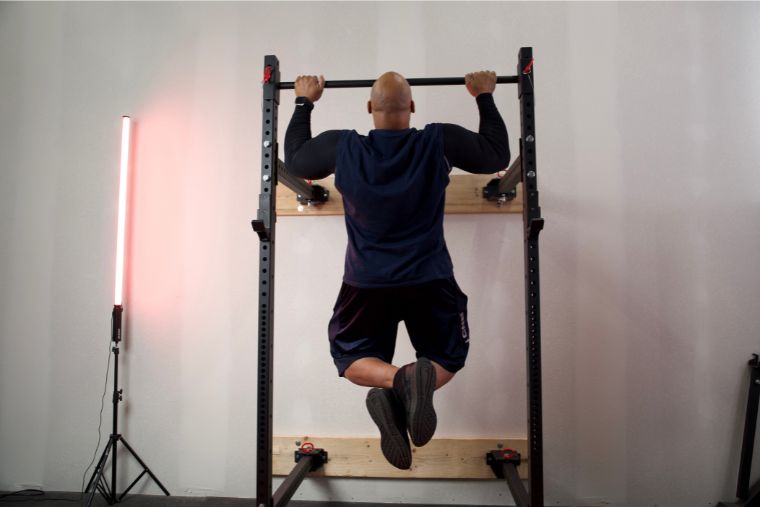
What to Look For in a Power Rack
Size and Footprint
Careful consideration of available space is paramount. This includes measuring the floor area for the rack’s base dimensions and, crucially, assessing ceiling height, especially for those planning to use the pull-up bar or taller rack models. For extremely limited spaces, folding or retractable racks offer a practical solution. It’s also wise to consider personal height and the intended use of accessories. Ensuring adequate clearance around the rack, particularly in the front, is essential for safe execution of lifts and for the ability to "bail" out of a failed repetition without obstruction.
Style and Construction
Power racks vary in design, material, and finish. Key construction elements include the gauge of steel used (lower gauge means thicker steel), the type of welds, and the overall stability of the frame. Different styles, such as full racks, half racks, and folding racks, cater to distinct needs regarding space and functionality. The quality of construction directly impacts the rack’s durability, weight capacity, and safety.
Weight Capacity
The stated weight capacity of a power rack is a critical safety indicator. Racks typically range from 700 pounds to over 1,100 pounds. Beginners and intermediate lifters may find racks in the lower to mid-range sufficient, while advanced athletes may require higher capacities and heavy-duty construction. It’s also important to check the weight limits of individual components like J-hooks and safety arms, as these can sometimes be lower than the rack’s overall capacity.
Cost and Value
The price of power racks can range significantly, from a few hundred dollars to over a thousand. Budget-friendly options often provide essential functionality, with accessories available for separate purchase. More expensive models may come fully equipped with a wider array of attachments and superior construction. Evaluating the cost against the features, material quality, and intended use is key to finding good value. Many brands offer free shipping, which can impact the overall cost.
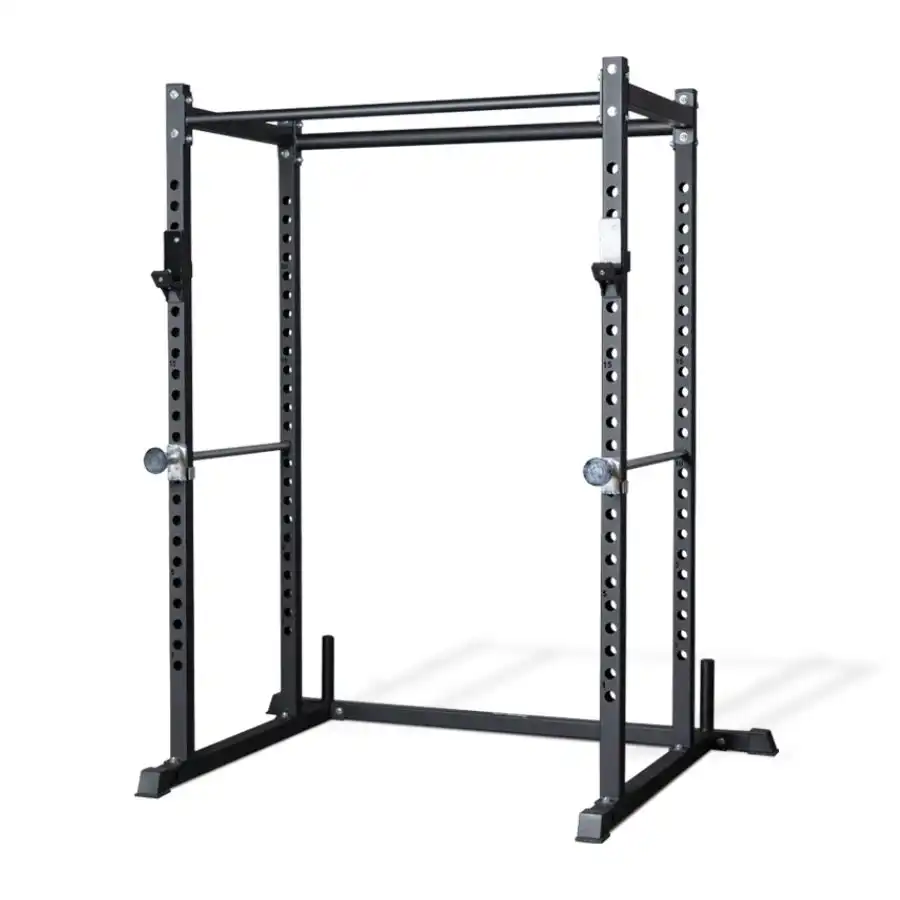
Key Features for Enhanced Training
Material Gauge and Durability
As Shane Sevcik advises, opting for thicker steel, such as 11-gauge, is preferable. "A rack made out of thicker steel creates more leverage on the uprights, especially when you add those attachments," he notes. Thicker steel generally translates to greater stability and longevity, especially under heavy loads and with the addition of accessories.
J-Cups/J-Hooks with Protective Coatings
The quality and design of J-cups, which hold the barbell, are vital. Sevcik emphasizes the importance of J-cups having a protective coating, such as plastic or UHMW. "I think a big must-have a lot of people overlook is to make sure your J-cups, or J-hooks, have some coating on them to preserve the knurling on your bar," he states. This is particularly important for Olympic weightlifters who rely on sharp knurling for grip during dynamic lifts like the snatch.
Hole Spacing and Adjustability
Precise adjustment capabilities are crucial for optimizing lifting positions and safety. Sevcik recommends racks with sufficient hole patterns for ample adjustment. "Sometimes, they’re too spaced out, for example, in two-inch increments instead of one," he observes. "I like to have the added adjustability, especially for those heavier weights." Westside hole spacing, featuring closer increments in key areas, is a desirable feature for fine-tuning bar placement.
Integrated Pull-Up Bar
The inclusion of a pull-up bar significantly enhances a power rack’s utility. Sevcik views it as a fundamental component: "They’re one of the most basic, fundamental movements. Plus, if you dedicate the square footage to put the rack in there, you’ll want to get as much utility as possible because you are sacrificing some real estate." Versatile pull-up bars with multiple grip options add further value.
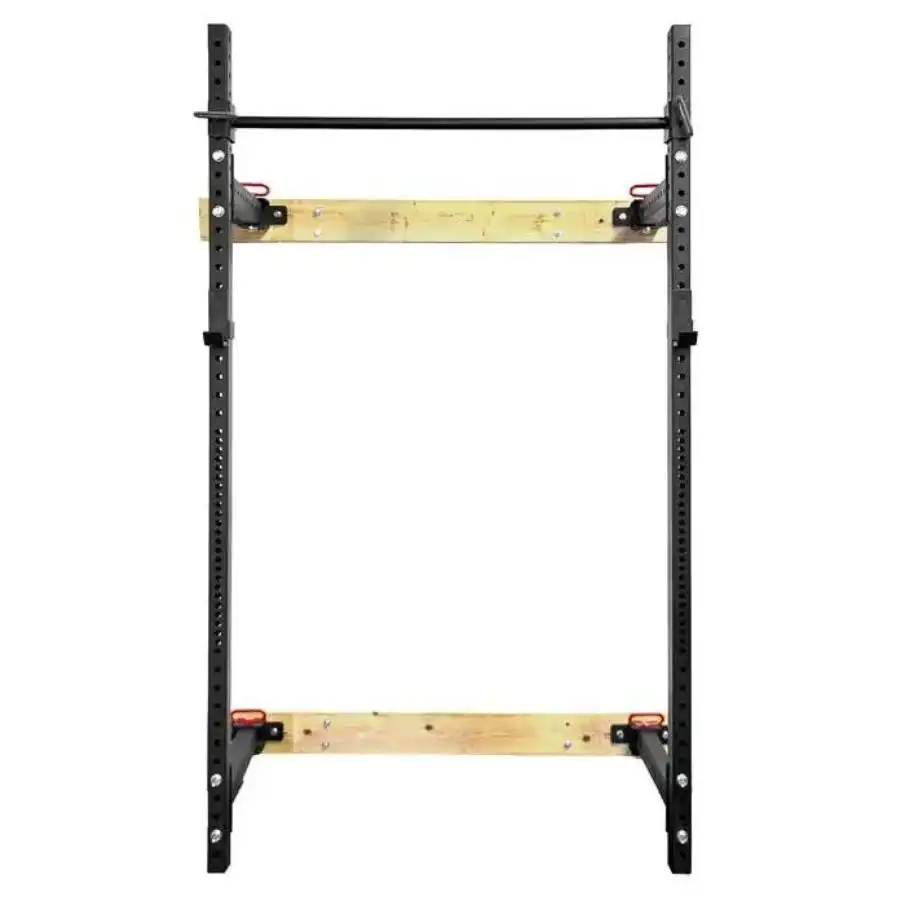
Versatile Attachments
The potential for customization through add-on attachments is a major advantage of power racks. "It’s important to have the option to add accessories," Sevcik says. "You might not want a dip bar right now, but down the road, you may decide to incorporate more dips in the training program, and it sure is nice to have your power rack as your one central piece of equipment." Common attachments include dip stations, landmine attachments, lat pulldown systems, and weight storage solutions.
How We Chose the Best Power Racks
The selection of power racks for this guide was based on a rigorous evaluation process, prioritizing user safety, functionality, durability, and value. Key criteria included:
- Safety Features: The presence and quality of safety pins, straps, or spotter arms were paramount.
- Weight Capacity: Racks were assessed based on their ability to safely support a wide range of training loads.
- Construction Quality: Material gauge, weld quality, and overall structural integrity were examined.
- Versatility and Attachments: The range of exercises supported and the availability of compatible accessories were considered.
- Space Efficiency: Options for compact and folding racks were included to cater to various home gym layouts.
- User Reviews and Expert Opinions: Feedback from testers and insights from experienced coaches like Shane Sevcik informed the final rankings.
- Price and Value: A balance was struck between offering high-end, feature-rich options and more budget-friendly choices.
Final Thoughts
Investing in a power rack is a significant step towards achieving comprehensive strength training goals from the convenience of one’s home. The variety of models available in 2025 ensures that individuals with diverse needs—whether constrained by space, budget, or experience level—can find a suitable and safe training solution. As research continues to underscore the profound health benefits of regular strength training, a power rack emerges not just as an piece of equipment, but as a facilitator of long-term well-being and physical resilience. By carefully considering the factors outlined in this guide and leveraging expert advice, consumers can select a power rack that will serve as a reliable cornerstone of their fitness journey for years to come.
Frequently Asked Questions
What is the difference between a squat rack and a power rack?
A full power rack features four to six uprights connected by cross members, forming an enclosed cage. In contrast, a squat rack, often called a squat stand, typically has only two uprights, making it lighter and more portable. Power racks generally offer greater versatility, especially with the addition of accessories, while squat racks are primarily designed for squats and bench presses performed outside the frame.
How should you bolt down your power rack?
If a power rack is designed to be freestanding, it’s crucial to anchor it securely according to the manufacturer’s specific instructions. This typically involves using appropriate hardware to fix the rack to the floor or a sturdy subfloor to prevent any movement during heavy lifting.
How far from the wall should a power rack be?
For freestanding models, a general recommendation is to position the power rack a few feet away from the wall to ensure comfortable and safe exercise execution. Always consult the manufacturer’s guidelines for precise setup and clearance requirements.
What gauge steel should a power rack be?
Commonly, power racks are made from 11-gauge or 12-gauge steel, with lower gauge numbers indicating thicker, stronger steel. While 11-gauge steel is often considered premium, 14-gauge steel can also be suitable for many home gym setups, offering a balance between sturdiness and cost. Thinner gauges, such as 16-gauge, may be found on more budget-oriented models but might offer less long-term durability under heavy use.