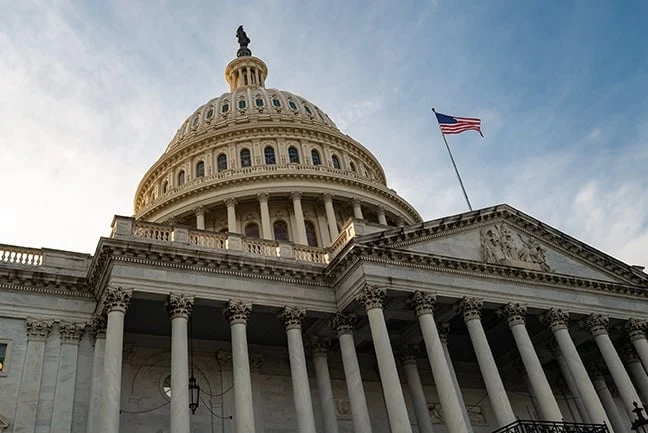
The Endocrine Society, the world’s oldest and largest organization of scientists and clinicians dedicated to hormone research and the clinical care of patients with endocrine conditions, has issued an urgent appeal to the United States Congress to secure the future of diabetes research and treatment. As the end of the calendar year approaches, the Society is intensifying its advocacy efforts, focusing on two critical legislative priorities: the reauthorization of the Special Diabetes Program (SDP) and the passage of the Improving Need-based Strategies for Urgent Lowering of Insulin Costs (INSULIN) Act. With the expiration of current funding for the SDP looming on December 31, the Society warns that a failure to act will result in a catastrophic halt to life-saving research and essential prevention programs for vulnerable populations.
The Society’s campaign emphasizes that the window for legislative action is closing rapidly. By mobilizing its global membership to contact representatives and senators, the organization aims to highlight the human and economic stakes involved in these policy decisions. The advocacy push comes at a time when diabetes remains one of the most prevalent and costly chronic conditions in the United States, affecting more than 38 million Americans and placing an immense burden on the national healthcare infrastructure.
The Special Diabetes Program: A Pillar of Research and Tribal Health
The Special Diabetes Program (SDP) consists of two primary components, both of which are currently facing a funding cliff. The first, the Special Statutory Funding Program for Type 1 Diabetes Research, is administered by the National Institute of Diabetes and Digestive and Kidney Diseases (NIDDK). This program has been instrumental in driving innovation for type 1 diabetes (T1D) management, including the development of continuous glucose monitors (CGMs), artificial pancreas systems, and breakthroughs in islet cell transplantation. Unlike traditional NIH funding, which is often broader in scope, the SDP provides dedicated, multi-year resources specifically for T1D, allowing for long-term clinical trials that have fundamentally changed the prognosis for those living with the autoimmune condition.

The second component is the Special Diabetes Program for Indians (SDPI), managed by the Indian Health Service (IHS). This program provides critical funding for type 2 diabetes prevention and education services for American Indian and Alaska Native (AI/AN) communities. Statistically, AI/AN populations experience the highest prevalence of diabetes of any racial or ethnic group in the United States. Since its inception, the SDPI has been hailed as one of the most successful public health initiatives in federal history. Data from the Centers for Disease Control and Prevention (CDC) indicates that the program has contributed to a 54% reduction in the incidence of end-stage renal disease (ESRD) among AI/AN adults, a complication that is both debilitating for patients and extraordinarily expensive for the healthcare system to manage.
If Congress fails to reauthorize these programs before the December 31 deadline, the Endocrine Society warns that research progress will be derailed. Clinical trials currently underway may lose funding, potentially wasting years of scientific effort and millions of dollars in prior investment. Furthermore, the loss of SDPI funding would leave thousands of tribal members without access to the preventative screenings and educational resources that have successfully lowered amputation and blindness rates in these communities for over two decades.
The INSULIN Act and the Fight for Affordability
Parallel to its efforts regarding the SDP, the Endocrine Society is championing the INSULIN Act, a bipartisan legislative effort designed to address the skyrocketing cost of insulin. While the Inflation Reduction Act of 2022 successfully implemented a $35 monthly co-pay cap for insulin for those enrolled in Medicare, a significant portion of the population remains unprotected from high out-of-pocket costs. The INSULIN Act seeks to bridge this gap by extending the $35 cap to the private insurance market, ensuring that millions of Americans with employer-sponsored or individual insurance plans are not forced to ration their medication.
Beyond the insurance cap, the INSULIN Act includes provisions to assist the uninsured. The legislation aims to streamline the process for obtaining affordable insulin for those without any coverage, who often face the highest "list prices" at the pharmacy counter. These prices can exceed $300 per vial, forcing many patients to choose between life-saving medication and basic necessities like food or housing. The Endocrine Society notes that insulin rationing is a primary cause of diabetic ketoacidosis (DKA), a life-threatening complication that leads to emergency room visits and intensive care hospitalizations, further driving up national healthcare expenditures.
The Senate Health, Education, Labor, and Pensions (HELP) Committee approved the bill in July with bipartisan support, signaling a rare moment of consensus on healthcare policy. However, the legislation has stalled before reaching a full vote in either the Senate or the House of Representatives. The Society’s advocacy campaign is designed to break this legislative logjam by demonstrating the overwhelming public and professional support for price controls on essential biologics.
A Chronology of Diabetes Legislation and Funding
The legislative history of diabetes support in the United States is marked by periodic cycles of expiration and emergency extensions, a pattern the Endocrine Society argues creates unnecessary instability.
- 1997: Congress established the Special Diabetes Program to address the growing epidemic of diabetes and the specific needs of T1D research and tribal health.
- 2000–2020: The SDP received multiple reauthorizations, usually with broad bipartisan support, as data continued to show the program’s high return on investment in terms of reduced healthcare costs and improved patient outcomes.
- 2022: The Inflation Reduction Act capped insulin costs at $35 for Medicare beneficiaries, setting a precedent for national price caps but leaving the private sector and the uninsured behind.
- July 2023: The Senate HELP Committee advanced the INSULIN Act, moving the bill closer to a floor vote than many previous attempts at insulin reform.
- Late 2023: As the year-end deadline approached, the SDP was included in temporary continuing resolutions, but a long-term reauthorization remained elusive.
- December 31: The current statutory deadline for SDP funding, creating the "cliff" that the Endocrine Society is now urging Congress to avoid.
This timeline illustrates a recurring struggle to secure permanent or long-term funding for chronic disease management, despite the documented success of these programs. The Society argues that the "stop-and-go" nature of federal funding hampers scientific recruitment and prevents tribal health centers from making long-term investments in staff and infrastructure.
Supporting Data: The Economic and Human Toll of Diabetes
The urgency of the Endocrine Society’s call is supported by staggering data regarding the prevalence and cost of diabetes in the United States. According to the American Diabetes Association (ADA), the total estimated cost of diagnosed diabetes in the U.S. in 2022 was $412 billion. This includes $306 billion in direct medical costs and $106 billion in indirect costs, such as reduced productivity and disability.
Diabetes is the leading cause of new cases of blindness among adults, the leading cause of non-traumatic lower-limb amputations, and the primary driver of kidney failure. Furthermore, the CDC reports that medical expenses for people with diagnosed diabetes are 2.3 times higher than for those without the condition.
The disparity in insulin access is equally stark. Research published in Annals of Internal Medicine suggests that approximately 1.3 million Americans with diabetes ration their insulin due to cost. Rationing is associated with poor glycemic control, which increases the risk of every major diabetic complication. The Endocrine Society posits that by capping costs and funding research, Congress is not merely performing a moral duty but is also making a fiscally responsible decision to lower the long-term burden on the American economy.
Official Responses and Stakeholder Perspectives
The push for these legislative actions has garnered support from a wide array of stakeholders, though political hurdles remain. Patient advocacy groups, including JDRF (formerly the Juvenile Diabetes Research Foundation) and the American Diabetes Association, have joined the Endocrine Society in its call to action. These organizations argue that diabetes does not discriminate by political party and that the solutions—research and affordable access—should remain bipartisan priorities.
Within Congress, proponents of the INSULIN Act, such as Senators Susan Collins (R-ME) and Jeanne Shaheen (D-NH), have frequently highlighted the personal stories of constituents who have struggled to afford their medication. On the other side of the aisle, leaders like Senator Bernie Sanders (I-VT), chair of the HELP Committee, have pushed for even more aggressive measures to lower drug prices across the board.
However, opposition or delay often stems from broader budgetary debates. Some lawmakers express concern over federal spending levels, while others are hesitant to interfere with the private insurance market or the pharmaceutical industry’s pricing structures. The pharmaceutical industry, while having introduced its own voluntary $35 programs in some instances, generally prefers market-based solutions over federal mandates. The Endocrine Society counters these concerns by pointing to the unique nature of insulin as a hormone that is essential for life, rather than a discretionary medication.
Broader Impact and the Path Forward
The implications of Congressional inaction extend far beyond the immediate funding of research labs or the price of a single prescription. If the SDP is allowed to lapse, it signals a retreat from the federal commitment to ending the diabetes epidemic. For the AI/AN communities, it could mean a reversal of the hard-won gains in life expectancy and a return to higher rates of ESRD and amputations.
In the scientific community, a loss of SDP funding would likely lead to a "brain drain," where researchers move away from T1D studies toward other fields with more stable funding sources. This would delay the development of a cure and the refinement of technologies that allow people with diabetes to live longer, healthier lives.
The Endocrine Society’s advocacy campaign, accessible at endocrine.org/advocacy/take-action, serves as a final plea for legislative sanity before the clock runs out. The organization maintains that the solutions are already on the table: the SDP is a proven success, and the INSULIN Act has already cleared significant committee hurdles. What remains is a requirement for political will. As millions of Americans look toward the new year, their health and financial stability may well depend on whether Congress chooses to prioritize these essential diabetes initiatives in its final sessions of the year.