When individuals express a desire to lose weight, their underlying objective is typically to reduce excess body fat. However, without a meticulously designed strategy, a calorie deficit can lead to the loss of both fat and essential muscle tissue. To effectively mitigate muscle loss during weight reduction, it is imperative to integrate a regimen that includes resistance training, prioritize quality sleep, and adhere to a high-protein diet.
Protein plays a pivotal role in weight management, influencing critical physiological processes such as appetite regulation, metabolic rate, and muscle preservation. While robust resistance training provides the necessary stimulus for the body to retain existing muscle mass, a diet rich in protein ensures an ample supply of amino acids. This abundance prevents the body from catabolizing muscle tissue for energy during periods of caloric restriction.
Protein powders offer a convenient and lean source of this vital macronutrient, assisting individuals in meeting their daily protein targets while simultaneously maintaining a calorie deficit. Following an extensive evaluation of over 100 protein powders, nine products have been identified as particularly beneficial for weight loss.
This content is intended for informational purposes only and does not constitute medical advice. It is not designed for the diagnosis, prevention, or treatment of health conditions. Always consult with a healthcare professional before initiating any new supplement or exercise program.
Methodology: Selecting the Top Protein Powders for Weight Loss
The selection of these protein powders was based on a comprehensive evaluation of several key factors. The process involved rigorous testing and analysis to ensure that each product met specific criteria essential for supporting weight loss objectives. This included an examination of protein content relative to calories, ingredient quality, taste and mixability, and the presence of third-party certifications for purity and safety.
Expert Picks for the Leading Protein Powders in 2025 for Weight Loss
The following are the protein powders that have been identified as the most effective for individuals seeking to achieve their weight loss goals through a high-protein, calorie-conscious approach.
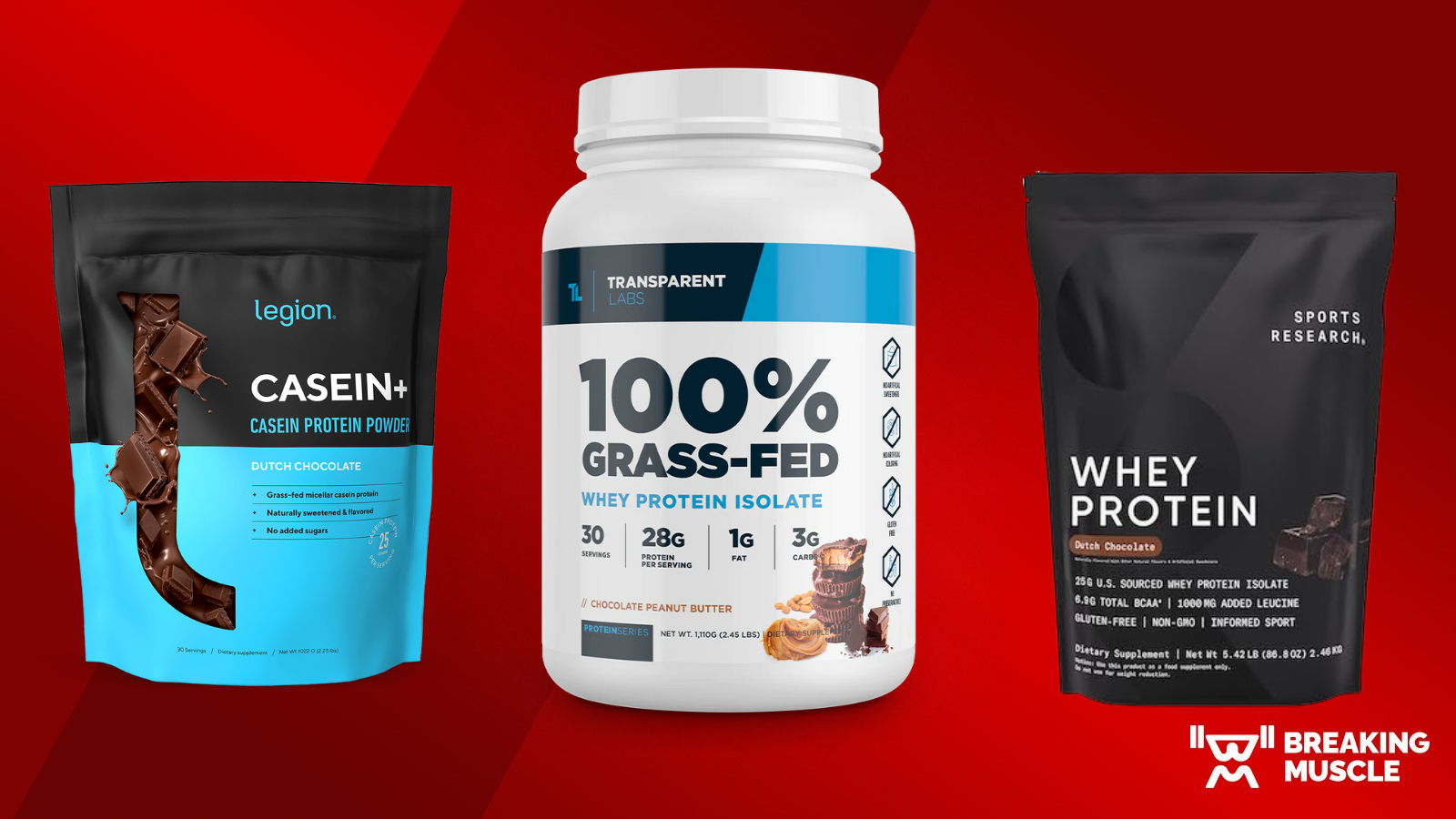
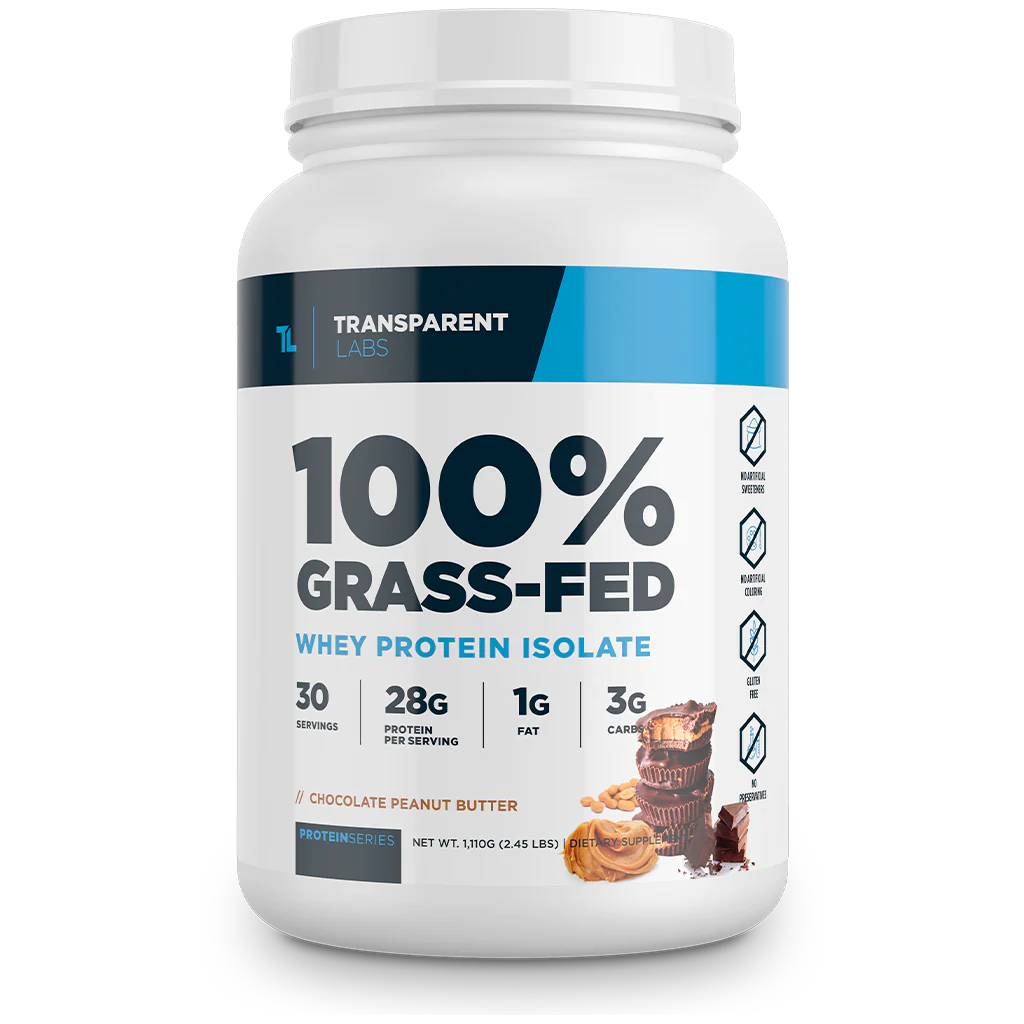
Best Overall Protein Powder for Weight Loss: Transparent Labs 100% Grass-Fed Whey
Transparent Labs 100% Grass-Fed Whey has been recognized as the premier protein powder for weight loss due to its exceptional protein-to-calorie ratio. Each serving delivers 28 grams of protein for only 130 calories, maximizing protein intake within a caloric deficit. This ratio is crucial for preventing muscle loss during weight reduction. Furthermore, the product undergoes third-party testing, holds Informed Choice certification, and is free from artificial ingredients, offering consumers assurance of its quality and purity. It is available in 15 distinct flavor options, catering to a wide range of preferences.
The Chocolate Peanut Butter flavor is a standout, with Mocha being a close second. Both flavors are noted for their excellent mixability in both blenders and shaker bottles. Many users find this protein powder effective in curbing sweet cravings and managing hunger between meals, particularly when adhering to a weight loss regimen. A minor consideration noted in some customer feedback pertains to potential challenges in customer service responsiveness.
Pros:
- High protein-to-calorie ratio
- Third-party tested and Informed Choice certified
- Free from artificial ingredients
- Wide variety of flavors
Cons:
- Some customer reviews mention difficulty contacting customer service
Best Affordable Protein Powder for Weight Loss: Jacked Factory Authentic Iso
Jacked Factory Authentic Iso stands out as the most budget-friendly option on the list, offering excellent value without compromising on nutritional profile. Certain flavors, such as Cookies & Cream and Peanut Butter, are priced as low as $1.05 per serving. Despite its affordability, this protein powder provides the macronutrient balance conducive to weight loss and is reported to taste great by testers.
Each serving contains 25 grams of protein, 2 grams of carbohydrates, and a mere 0.5 grams of fat, the lowest fat content among the reviewed powders. This macronutrient composition is highly beneficial for maintaining a weight loss trajectory. However, a notable aspect is its use of sucralose, an artificial sweetener. While studies have linked artificial sweeteners to potential health concerns, this powder’s low fat and carb profile makes it an appealing choice for those prioritizing calorie control. It is important to note that Jacked Factory does not conduct third-party testing on its products, meaning there is no independent verification of ingredient purity or label accuracy.
One tester, Cory Kessler, C.N.C., C.P.T., praised Jacked Factory Authentic Iso for its exceptional mixability, stating it was the only powder tested that did not settle. While finding it slightly too sweet, he acknowledged its dessert-like quality, making it a strong contender for those seeking a satisfying flavor.
Pros:
- Highly affordable
- Low in fat and carbohydrates
- Good taste and mixability
Cons:
- Contains artificial sweeteners
- Lacks third-party testing
Best Plant-Based Protein Powder for Weight Loss: Ka’Chava
Ka’Chava is an excellent choice for individuals seeking a high-quality vegan protein powder that aligns with weight loss goals. Marketed as a "whole-body meal," it functions as a meal replacement rather than a supplement to be added to meals. Consequently, its calorie, carbohydrate, and fat counts are higher than traditional protein powders (240 calories, 25 grams of carbohydrates, and 7 grams of fat per serving). While the carbohydrate content might be a consideration for those on strict low-carb diets, it delivers 25 grams of plant-based protein derived from peas, brown rice, and quinoa, which effectively supports muscle preservation during weight loss.
Zoe Ettinger, a Certified Nutrition Coach in training, frequently uses Ka’Chava and is a strong advocate. She finds it delicious when blended into smoothies with blueberries and appreciates its inclusion of adaptogens, probiotics, greens, and prebiotics, noting a positive impact on her overall well-being when consumed regularly. The primary drawback is its price point, with a 15-serving bag costing $79.99, making it the most expensive option. This price reflects its comprehensive nutritional profile as a meal replacement.
Pros:

- Comprehensive meal replacement
- Rich in plant-based protein and micronutrients
- Contains adaptogens and probiotics
Cons:
- Higher in calories and carbohydrates
- Most expensive option
Best Protein Powder for Weight Loss on Amazon: Nutricost Grass-Fed Whey Protein Isolate
Nutricost Grass-Fed Whey Protein Isolate has been selected as the best protein powder for weight loss available on Amazon due to its optimal calorie and macronutrient profile for fat reduction. It boasts a high protein content per serving, which is crucial for weight loss as protein enhances satiety and helps preserve muscle mass during a caloric deficit. With minimal fat and carbohydrates, this protein powder ensures maximum protein intake without unnecessary calories, making it an efficient choice for effective weight loss.
The taste and mixability of Nutricost are also noteworthy. The Vanilla flavor tested blended exceptionally well with both milk and water, offering an authentic vanilla taste. Despite using artificial sweeteners, the sweetness level was found to be well-balanced, avoiding the overly sweet profile sometimes associated with such ingredients. For individuals aiming to avoid artificial sweeteners, alternatives like Promix or Transparent Labs, which use natural sweeteners, are recommended.
Pros:
- Excellent protein-to-calorie ratio
- Minimal fat and carbohydrates
- Good taste and mixability
- Widely available on Amazon
Cons:
- Uses artificial sweeteners
Best Meal Replacement Protein Powder for Weight Loss: Huel Black Edition
Huel Black Edition is a top choice for a meal replacement specifically designed for weight loss, offering an impressive protein-to-carb ratio. It provides a substantial 40 grams of protein per serving, the highest among the reviewed products, alongside 24 grams of carbohydrates. While the carbohydrate content may be higher than ideal for ketogenic diets, it is suitable for most individuals aiming for weight loss, as carbohydrates are an essential nutrient. Experts suggest that consuming between 100 to 150 grams of carbohydrates daily can still facilitate weight loss.

Cory Kessler tested Huel Black Edition in Chocolate and Vanilla flavors. He found the Chocolate flavor to be excellent, attributing its authentic taste to real cocoa powder. The Vanilla flavor, however, was less impressive, lacking a true vanilla taste and possessing an artificial aftertaste. He also noted that it doesn’t mix particularly well but reported feeling great after consumption, unlike with other similar products that caused stomach upset.
Pros:
- Highest protein content per serving
- Suitable carbohydrate content for general weight loss
- Provides a feeling of fullness
Cons:
- Some flavors have an artificial aftertaste
- Mixability can be an issue
Best Clean Protein Powder for Weight Loss: Promix Grass-Fed Whey
Promix Grass-Fed Whey earns the title of best clean protein powder due to its commitment to transparency and quality. It is third-party tested, with results readily available on Promix’s website, verifying its absence of heavy metals and gluten-free status. The product features a minimalist ingredient list, with the Vanilla flavor containing only four ingredients and no artificial additives.
This protein powder maintains a favorable protein-to-carb ratio for weight loss, offering 25 grams of protein to 7 grams of carbohydrates per serving. Research from 2020 indicates that a higher protein-to-carbohydrate ratio can aid in weight loss and prevent weight regain. The tester found the Vanilla flavor to be enjoyable, though not quite sweet enough for their preference, and noted some clumping during mixing. While Promix is third-party tested, it is not certified for sport, making it less suitable for competitive athletes who require testing for banned substances.
Pros:

- Third-party tested for purity and safety
- Simple ingredient list, free from artificial additives
- Good protein-to-carb ratio
Cons:
- May require additional sweetener for some palates
- Mixability could be improved
- Not certified for sport
Best Casein Protein Powder for Weight Loss: Legion Athletics Casein+
Legion Athletics Casein+ is a highly recommended casein protein powder for weight loss. It is entirely natural, free from artificial sweeteners, flavors, and colors, and has undergone third-party testing by Labdoor for purity and potency. Each serving provides 25 grams of protein with only 110 calories, regardless of flavor. This protein-to-calorie ratio is ideal for supporting weight loss efforts.
Casein, unlike whey, is characterized by its slow digestion and absorption. This property makes it an excellent choice for managing hunger and providing a sustained release of amino acids, particularly beneficial during sleep or extended periods between meals. By ensuring a steady supply of protein to the muscles, casein helps combat muscle breakdown associated with calorie restriction, making it a strategic addition to a weight loss plan.
Brandon Lunsford, C.P.T., sampled the Dutch Chocolate flavor and described it as reminiscent of a dark chocolate bar, perfectly balanced in richness and sweetness. He did, however, note that casein protein typically has a thicker consistency and can take longer to dissolve, leading to a "slightly chalky aftertaste."
Pros:
- All-natural ingredients
- Third-party tested for purity and potency
- Slow digestion for sustained satiety
- Good protein-to-calorie ratio
Cons:

- Can have a thicker consistency
- May have a slightly chalky aftertaste
Best Unflavored Protein Powder for Weight Loss: Naked Grass-Fed Whey
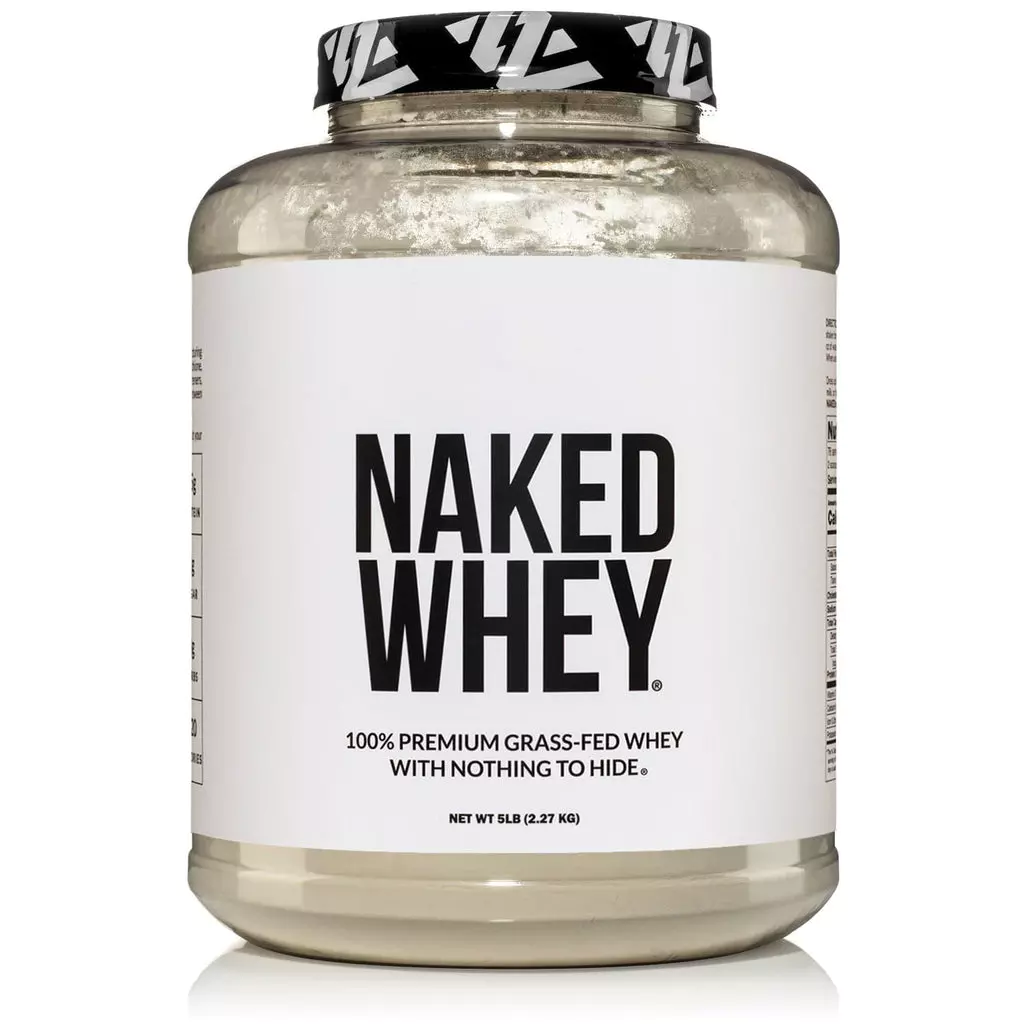
Naked Whey’s Unflavored protein powder distinguishes itself through its simplicity and purity. Its single-ingredient formula consists solely of whey protein concentrate sourced from grass-fed cows, reflecting the brand’s commitment to transparency and the absence of additives, fillers, or artificial ingredients.
The unflavored nature of this protein powder offers exceptional versatility, allowing seamless integration into any smoothie or recipe without altering the intended flavor profile. Cory Kessler found the Unflavored version to possess a very subtle vanilla note and a hint of earthiness, suggesting it would be highly compatible with smoothies. He also advised using extra liquid when blending due to the larger two-scoop serving size. For those who prefer flavored options, Naked also offers five flavored varieties, sweetened with coconut sugar, which is less intensely sweet than artificial sweeteners like sucralose.
Pros:
- Single-ingredient, pure whey protein concentrate
- Versatile and unflavored
- Uses natural sweeteners in flavored options
Cons:
- The unflavored version may have a slight earthy taste
- Larger serving size may require more liquid for mixing
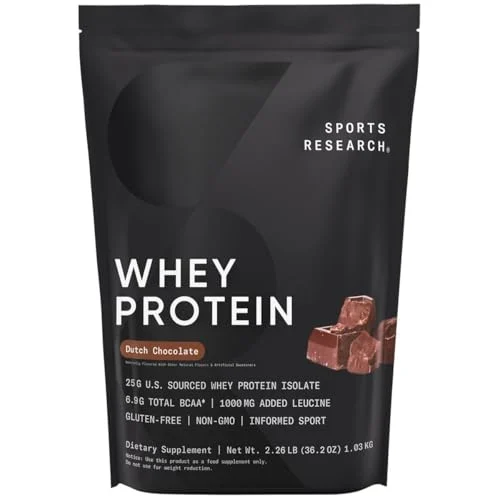
Best Protein Powder for Weight Loss and Muscle Gain: Sports Research Whey Protein
Sports Research Whey Protein has been identified as the best protein powder for simultaneously supporting weight loss and muscle gain. It offers a solid protein-to-calorie ratio (25 grams of protein to 140 calories), is Informed Sport Certified, reasonably priced at $1.20 per serving, and is reported to taste great by testers.
Nutritionally, Sports Research compares favorably with other options on the market. Its per-serving protein (25 grams), calorie (140), and carbohydrate (2 grams) content are competitive. The fat content, however, is on the higher side (3.5 grams for Vanilla and 4 grams for Dutch Chocolate). The inclusion of vitamin D is a notable addition, as recent research has linked it to muscle health.

Tester Cory Kessler found the Creamy Vanilla flavor tasted akin to vanilla ice cream when mixed with milk, though he noted that mixing with water diluted the flavor and amplified the sweetness. He praised its excellent mixability, reporting no grittiness or clumping.
Pros:
- Good balance for weight loss and muscle gain
- Informed Sport Certified
- Pleasant taste, especially with milk
- Excellent mixability
Cons:
- Slightly higher fat content compared to some competitors
The Role of Protein Powder in Weight Loss
Protein powder serves as a valuable adjunct to weight loss strategies by primarily aiding in:
- Satiety: Protein is highly satiating, helping individuals feel fuller for longer, which can reduce overall calorie intake.
- Muscle Preservation: During calorie restriction, adequate protein intake, combined with resistance training, signals the body to preserve lean muscle mass rather than break it down for energy.
- Thermic Effect of Food: Protein has a higher thermic effect compared to carbohydrates and fats, meaning the body expends more energy to digest and metabolize it, contributing to a slightly higher calorie expenditure.
Protein shakes and smoothies offer a quick and convenient method for consuming substantial amounts of protein with minimal calories, carbohydrates, and fats. A key advantage of protein powder is its typically high protein-to-total calorie ratio, making it an efficient tool for meeting daily protein requirements while adhering to calorie goals.
How to Select the Optimal Protein Powder for Your Weight Loss Journey
Choosing the right protein powder is crucial for maximizing its benefits during a weight loss program. Several factors should be carefully considered:

Protein Content and Quality
Opt for protein powders that provide a significant amount of protein per serving, ideally around 25 grams. For weight loss, whey, soy, or pea protein isolates are generally recommended. These forms are ultra-filtered to minimize excess carbohydrates and fats, offering a more concentrated protein source.
Calories per Serving
When aiming for weight loss, select protein powders with a moderate calorie count per serving, typically between 100 and 160 calories. It is essential that the majority of these calories are derived from protein. This ensures that the supplement effectively supports your weight loss progress. As a general guideline, protein contains four calories per gram; therefore, a 25-gram protein serving would typically fall between 110 to 120 calories if it is exceptionally lean.
Ingredient Quality
Scrutinize the ingredient list for added sugars or unnecessary fillers. While these may enhance flavor and texture, they often contribute unwanted calories. Prioritize protein powders with minimal, high-quality ingredients. Some powders may include beneficial additions like creatine, probiotics, or branched-chain amino acids (BCAAs). Evaluate whether these extra ingredients align with your personal health and fitness objectives.
Taste and Mixability
Personal preference plays a significant role. Select a protein powder whose flavor and texture you genuinely enjoy. If you dislike the taste, you are less likely to consume it consistently, undermining its potential benefits.
Third-Party Testing
As a certified nutrition coach, I strongly advise clients, particularly athletes, to choose protein powders that have undergone third-party testing for quality, purity, and safety. This certification ensures the absence of contaminants, including banned substances, and verifies that the product’s ingredients match the label. It also holds manufacturers accountable for product integrity.
What to Avoid in a Protein Powder for Weight Loss
When selecting a dietary supplement for weight loss, it is important to align your choice with your specific health and fitness goals. Generally, products with added sugars, or excessive amounts of carbohydrates and fats, should be avoided. Some individuals may also prefer to steer clear of artificial additives such as sweeteners, flavors, and colors. For those seeking a natural protein powder with minimal ingredients, Transparent Labs 100% Grass-Fed Whey and products from Naked Nutrition are excellent alternatives.
Final Thoughts: The Value of Protein Powder for Weight Loss
From a certified nutrition coach’s perspective, protein powder is not an absolute requirement for successful weight loss. However, its convenience and efficacy can provide significant advantages when integrated into a comprehensive approach that includes resistance training, adequate sleep, and healthy lifestyle habits. A high-protein diet, particularly during a weight loss phase, is instrumental in managing hunger and preserving muscle mass. If a protein powder can help you meet your daily protein targets while maintaining a calorie deficit, it is a worthwhile addition to your routine.
Protein Powder for Weight Loss: Frequently Asked Questions
Should you drink protein shakes when you’re trying to lose weight?
Protein shakes can be an excellent way to preserve lean muscle mass during weight loss. For individuals prioritizing weight loss, a lean whey protein isolate, such as Transparent Labs 100% Grass-Fed Whey, is recommended. This powder is exceptionally lean, with the majority of its calories derived from protein, enabling you to meet daily protein targets without excess calories from carbohydrates and fats often found in whey protein concentrate.
How much protein should I eat in a day to lose weight?
Weight loss strategies are individualized, but individuals aiming for weight loss should target at least 1.2 to 1.6 grams of protein per kilogram of body weight (approximately 0.5 to 0.7 grams per pound). This range ensures sufficient protein to support muscle mass while maintaining the calorie deficit necessary for weight loss.
What type of protein is best for weight loss?
Certain protein sources are considered "leaner" than others. Whey protein isolates, for instance, undergo processing and filtration that reduce fat and carbohydrate content. While some plant-based proteins can be naturally higher in carbohydrates, high-quality plant protein powders can yield comparable results to whey protein in promoting lean body mass. Lean animal protein sources include chicken breast, fish, and eggs. Non-animal options include Greek yogurt, tofu, beans, and lentils.
What should I drink for weight loss?
For weight loss, it is advisable to avoid calorie-dense beverages such as sugary sodas, sports drinks, fruit juices, and alcohol. Instead, opt for water, seltzer, black coffee, and unsweetened tea, which are essentially calorie-free. By avoiding these caloric beverages, you can reallocate those calories to food, which can enhance satiety and feelings of fullness after meals.
Which protein is best for belly fat loss?
There is no specific protein that targets belly fat loss exclusively. However, prioritizing lean protein, such as whey protein isolate, can contribute to overall weight loss goals. Whey protein isolates are processed to minimize carbohydrate and fat content, maximizing the protein-to-calorie ratio. This makes them an efficient option to support dietary protein intake while maintaining a calorie deficit.