When embarking on a ketogenic diet, the body undergoes a profound metabolic transformation, shifting its primary energy source from carbohydrates to fat. This physiological adaptation, known as ketosis, inherently alters nutrient requirements and utilization, necessitating a careful approach to dietary intake. While a meticulously planned ketogenic diet can provide most essential nutrients, certain dietary supplements, often referred to as "keto vitamins" or "keto supplements," can play a pivotal role in bridging potential nutritional gaps, easing the transition into ketosis, and supporting sustained energy levels and overall well-being. These supplements are particularly beneficial for individuals new to keto, those with active lifestyles, or anyone struggling to meet their micronutrient and macronutrient goals through food alone, ultimately contributing to the sustainability of the dietary regimen.
Understanding the Ketogenic Shift and Initial Challenges
The ketogenic diet, characterized by its very low carbohydrate, moderate protein, and high-fat macronutrient distribution, forces the liver to produce ketone bodies (beta-hydroxybutyrate, acetoacetate, and acetone) from fat. These ketones then become the primary fuel for the brain and muscles. This metabolic switch, while offering potential benefits such as improved glucose control, enhanced cognitive function, and sustainable weight management, is not without its initial challenges. The body’s adjustment phase can trigger a cluster of symptoms collectively known as the "keto flu." This transient period, often manifesting as fatigue, headaches, muscle cramps, and brain fog, is primarily attributed to rapid fluid and electrolyte loss as insulin levels drop and the kidneys excrete more sodium and water. Beyond the initial adaptation, maintaining optimal nutrient levels on a restrictive diet can be challenging, making targeted supplementation a consideration for many.

The Role of Supplements in a Ketogenic Lifestyle
While not universally mandatory, dietary supplements can significantly enhance the ketogenic experience, depending on individual lifestyle, health goals, and dietary adherence. Some individuals may opt for a comprehensive multivitamin to cover general nutrient bases like calcium, vitamin D, and vitamin A, which can sometimes be insufficient in a carb-restricted diet. Others focus on specific "keto-enhancing" options designed to directly support ketosis or alleviate its side effects. For instance, electrolytes and medium-chain triglycerides (MCTs) are often recommended to mitigate keto flu symptoms and stabilize energy levels during the crucial adaptation phase. Furthermore, active individuals who lose electrolytes through perspiration, those with specific dietary restrictions, or those aiming to support long-term metabolic health often find supplements invaluable for maintaining nutrient balance, aiding recovery, and optimizing overall physical and mental performance.
Key Supplements for Enhanced Ketogenic Support
A range of supplements has emerged to support individuals following a ketogenic diet. Each offers distinct benefits, from accelerating ketosis to improving overall physiological function.
1. Exogenous Ketones: Accelerating the Ketogenic State
When the body is on a ketogenic diet, the liver naturally synthesizes ketone bodies—beta-hydroxybutyrate (BHB), acetoacetate, and acetone—from the breakdown of fats; these are termed endogenous ketones (1). Exogenous ketones are supplements, typically available as ketone salts (e.g., sodium, calcium, magnesium BHB) or ketone esters, that directly deliver BHB to the bloodstream. Essentially, these oral ketones provide an immediate influx of ketone bodies, offering a potential pathway to achieve or deepen ketosis faster.
The primary appeal of exogenous ketones lies in their ability to temporarily elevate blood ketone levels, which can translate into increased energy, particularly beneficial before physical activity (2). They are also frequently utilized to alleviate the debilitating symptoms of the keto flu during the initial days of carbohydrate restriction, providing a readily available fuel source as the body transitions. Some preliminary research suggests that exogenous ketones might influence appetite by suppressing ghrelin, the hunger hormone, which could aid in calorie control. However, it is crucial to note that they do not directly accelerate fat loss and should not be viewed as a shortcut to weight management without concurrent dietary adherence.
Dosage recommendations for exogenous ketones vary by product formulation and individual objectives. Clinical trials have demonstrated the safety and efficacy of doses ranging from 6-12 grams for BHB salts and 20-25 grams for BHB esters (3). When selecting a product, consumers are advised to prioritize formulations free from unnecessary fillers, binders, or hidden carbohydrates, which could inadvertently disrupt ketosis. Products like Perfect Keto Exogenous Ketone Capsules, offering pure BHB salts, or Perfect Keto Base, a flavored powder naturally sweetened, serve as examples of options designed to provide clean ketone support.
2. MCT Oil & Powder: Rapid Ketone Fuel
Medium-chain triglycerides (MCTs) are a unique class of fats that are metabolized differently than longer-chain fatty acids. Due to their shorter chain length, MCTs bypass the lymphatic system and are transported directly to the liver for rapid conversion into energy and ketone bodies (4). This efficient metabolic pathway allows MCTs to quickly raise ketone levels, providing a swift and sustained energy boost for both the brain and muscles.
While natural sources like coconut oil, butter, and some dairy products contain MCTs, supplements offer a concentrated and convenient way to ensure consistent intake. Many individuals incorporate MCT oil or powder into their daily routine, adding it to coffee (often in "bulletproof" style), smoothies, or shakes. This practice leverages MCTs for an immediate energy source and their potential to enhance satiety, helping to manage appetite throughout the day.
MCT powder is often preferred by those with sensitive digestive systems, as it tends to be gentler than MCT oil, and it integrates more easily into both hot and cold beverages. However, it is important to introduce MCTs gradually, starting with a small dose (e.g., one teaspoon) and incrementally increasing to avoid potential gastrointestinal discomfort. Perfect Keto MCT Oil Powder, derived from coconuts and free from added sugars or artificial ingredients, exemplifies a product designed for supporting ketosis, improving mental clarity, and sustaining energy.
3. Collagen: Structural Integrity and Recovery
Collagen, the most abundant protein in the human body, acts as the primary structural component of skin, hair, nails, joints, bones, and connective tissues. Despite the inclusion of collagen-rich foods like bone broth and high-quality meats in a ketogenic diet, many individuals may still not consume adequate amounts.
A high-quality collagen supplement, particularly one sourced from grass-fed animals, provides essential amino acids—notably glycine, proline, and hydroxyproline—that are crucial for the body’s natural collagen synthesis. These building blocks support joint comfort, maintain muscle health, and strengthen connective tissues. Collagen peptides are highly bioavailable and have been studied for their potential to reduce inflammation and aid in the repair of stressed cells (5). Perfect Keto Grass-Fed Collagen Peptides, which also incorporate MCTs, offer a synergistic blend particularly well-suited for the keto diet. This combination supports mental clarity and steady energy from MCTs, while collagen works to fortify the body’s internal structures, all while maintaining a low glycemic impact to keep ketogenic goals on track.
4. Circulation Support (Nattokinase): Cardiovascular Wellness on Keto
Adopting a ketogenic lifestyle, while beneficial for fat burning and metabolic health, can place increased emphasis on maintaining robust circulation. Efficient blood flow is vital for nutrient delivery to cells, effective waste removal, and systemic inflammation management.
Supplements designed to promote healthy circulation, such as those containing nattokinase, can be a valuable addition. Nattokinase is a potent natural enzyme derived from natto, a traditional Japanese fermented soybean dish. It has been extensively researched for its profound cardiovascular benefits, primarily its fibrinolytic activity, which helps break down fibrin, a protein involved in blood clot formation.
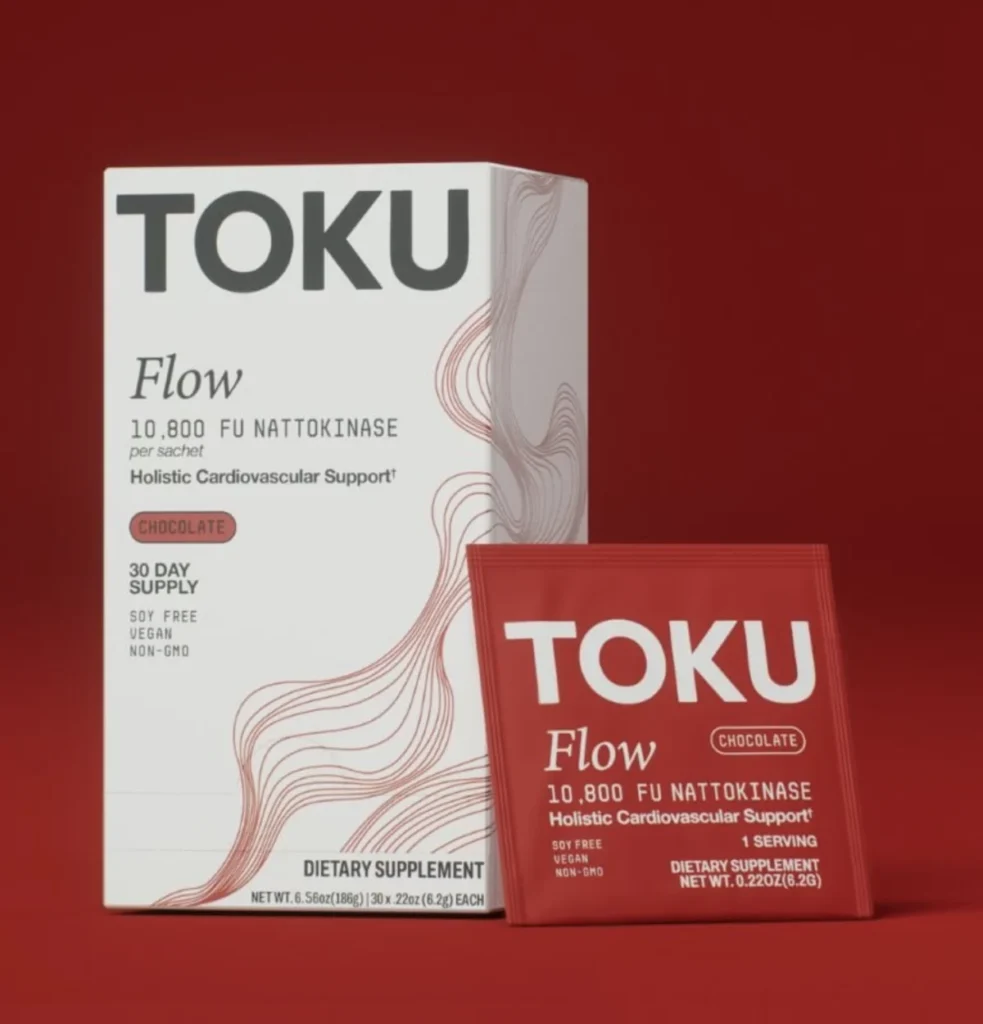
A significant 12-month clinical study involving over 1,000 participants highlighted the efficacy of a daily dose of 10,800 FU (fibrinolytic units) of nattokinase combined with 180 mcg of Vitamin K2. The study reported a remarkable 39.1% improvement in coronary plaque health, a 25% increase in carotid artery flexibility, and beneficial reductions in total cholesterol and triglycerides (6). This research underscores the importance of adequate dosage, as many commercial nattokinase supplements offer only 2,000 FU per serving, potentially falling short of clinically effective levels. Products like Toku Flow, designed with the clinical dose of nattokinase, exemplify this focus on potent formulations. Such supplements can be easily integrated into any daily routine, supporting smooth blood flow, optimizing nutrient delivery to vital organs and muscles, and aiding the body in efficiently clearing metabolic byproducts, thereby contributing to long-term cardiovascular wellness in conjunction with a ketogenic diet.
5. Electrolytes: Counteracting Keto Flu Symptoms
Electrolytes—essential minerals such as sodium, potassium, magnesium, and calcium—are critical for a myriad of bodily functions, including muscle contraction, nerve impulse transmission, maintaining fluid balance, and stabilizing energy levels.
On a ketogenic diet, the body experiences a natural diuretic effect. As carbohydrate intake is drastically reduced, insulin levels drop, signaling the kidneys to excrete more water and, consequently, more sodium. This increased loss of electrolytes can quickly lead to imbalances, which are the primary underlying cause of many keto flu symptoms, including muscle cramps, brain fog, fatigue, and digestive disturbances. It is also important to note that factors like alcohol consumption can exacerbate electrolyte depletion, requiring even greater attention to replenishment.
Replenishing electrolytes is therefore crucial for preventing these symptoms, supporting proper hydration, and facilitating recovery. Recommended daily amounts vary significantly based on the specific electrolyte, as well as individual factors like age, sex, and activity level. For instance, the recommended daily intake of potassium is approximately 3,400 mg for adult males and 2,600 mg for adult females (7). The upper recommended limit for sodium intake is generally around 2,300 mg per day (8). While electrolytes can be obtained from foods like avocados, leafy green vegetables, nuts, and salmon, many individuals find supplementation to be a more convenient and consistent method. Perfect Keto Daily Electrolytes are formulated specifically for ketogenic and low-carbohydrate lifestyles to help restore balance and alleviate symptoms. However, individuals with pre-existing conditions such as kidney disease or high blood pressure should consult their physician before increasing electrolyte intake, as excessive levels of certain minerals can pose health risks.
6. Omega-3 Fatty Acids (Fish or Krill Oil): Balancing Essential Fats
Omega-3 fatty acids, particularly eicosapentaenoic acid (EPA) and docosahexaenoic acid (DHA), are polyunsaturated fats recognized for their critical roles in heart, brain, and metabolic health. On a ketogenic diet, where fat intake is inherently high, maintaining an optimal balance between omega-3 and omega-6 fatty acids is paramount. Many keto-friendly foods, such as nuts, seeds, and certain oils, are rich in omega-6s, making it important to ensure adequate omega-3 intake to achieve a healthy ratio.
A balanced omega-3 to omega-6 ratio is associated with supporting healthy cholesterol levels, reducing systemic inflammation, and promoting smooth metabolic function (9). For individuals whose diets do not regularly include fatty fish like salmon, sardines, or mackerel, an omega-3 supplement becomes essential. Both fish oil and krill oil are excellent sources of EPA and DHA. Krill oil, however, offers an additional benefit: it contains astaxanthin, a powerful antioxidant that helps protect the delicate omega-3s from oxidation and may enhance their bioavailability.
General health benefits are typically observed with a daily intake of 250-500 mg of combined EPA and DHA. For targeted benefits related to heart disease risk reduction or enhanced metabolic health, dosages may range from 1,000-3,000 mg per day. The choice between fish and krill oil often comes down to personal preference, potential for fishy aftertaste (less common with krill oil), and the added antioxidant benefits of astaxanthin.
7. Protein Powders: Muscle Preservation and Satiety
While the ketogenic diet emphasizes fat, adequate intake of high-quality protein is indispensable for preserving lean muscle mass, supporting post-exercise recovery, and promoting satiety. For active individuals engaged in resistance training, sufficient protein intake is crucial for maximizing muscle repair, growth, and overall athletic performance.
Keto-friendly protein supplements include options like whey protein isolate, collagen peptides, and various plant-based protein powders (e.g., pea, hemp). Whey protein isolate is known for its rapid digestion and rich amino acid profile, making it an excellent choice for immediate post-workout recovery. Collagen peptides, as discussed, support joint health, connective tissue integrity, gut health, and skin elasticity. Combining different protein sources can ensure a more complete amino acid profile, catering to diverse bodily needs.
For optimal results, particularly in the context of exercise, aiming for 20-40 grams of protein within one to two hours following physical activity is often recommended. Furthermore, experts generally advise a daily protein target range of 1.2-2.0 grams per kilogram of body weight, adjusted based on activity level, age, and individual goals (10). When selecting a protein powder, it is important to look for low-carb, unsweetened formulas devoid of unnecessary fillers or added sugars. For those who find it challenging to meet their daily protein requirements through whole foods alone, supplements like Perfect Keto Whey Protein can be an effective tool for supporting muscle maintenance and recovery.
8. Nootropic Blends: Enhancing Cognitive Function
Many individuals adopting a ketogenic diet report experiencing enhanced mental clarity and sharper focus. This cognitive benefit is hypothesized to be linked to the steady supply of ketones to the brain, which are a highly efficient fuel source, and the diet’s potential anti-inflammatory effects.
For those seeking an additional cognitive edge, nootropics, often referred to as "smart drugs," are compounds that may further support memory, focus, and overall mental energy. Common ingredients found in nootropic blends include L-theanine (often found in green tea), ginkgo biloba, bacopa monnieri, DHA, and MCTs. Studies have indicated that certain combinations of these ingredients may improve cerebral blood flow and enhance various aspects of cognitive function (11).
It is important to acknowledge that while research on nootropics is promising, the evidence supporting specific blends and their long-term effects remains somewhat limited, and individual responses can vary widely. For those interested in exploring their potential, products like Perfect Keto Nootropic, which combine exogenous ketones, MCTs, and grass-fed collagen, are designed to fuel cognitive activities and promote mental clarity within a ketogenic framework.
Selecting Safe and Effective Keto Supplements: A Critical Approach
The dietary supplement market is expansive and largely unregulated by the Food and Drug Administration (FDA) in the same manner as pharmaceutical drugs. Therefore, consumers must exercise diligence and discernment when choosing keto supplements. Key considerations for safety and quality include:
- Third-Party Testing: Look for certifications from independent organizations such as NSF International, USP (U.S. Pharmacopeia), or Informed-Sport. These certifications indicate that the product has been tested for purity, potency, and absence of contaminants or banned substances.
- Good Manufacturing Practices (GMP): Ensure the manufacturer adheres to current GMP standards, which are guidelines that ensure products are consistently produced and controlled according to quality standards.
- Ingredient Transparency: Opt for products with clear ingredient lists, avoiding proprietary blends where individual ingredient amounts are not disclosed.
- Avoidance of Fillers and Artificial Additives: Steer clear of supplements containing unnecessary fillers, artificial sweeteners, colors, or preservatives, which can detract from the product’s purity and potentially impact health.
- Source Quality: For ingredients like collagen, ensure they are sourced from reputable origins (e.g., grass-fed, pasture-raised). For omega-3s, look for molecularly distilled products to minimize heavy metals and PCBs.
- Reputable Brands: Choose brands with a history of quality and positive customer reviews, although critical evaluation of reviews is always advised.
Safety Considerations and Professional Guidance
Even "natural" keto supplements can induce side effects or interact with prescription medications. Prudent use and awareness are paramount. Key safety points include:
- Dosage Adherence: Always follow the recommended dosages provided by the manufacturer. Exceeding recommended amounts, especially for MCTs or exogenous ketones, can lead to gastrointestinal distress (e.g., constipation, bloating, diarrhea).
- Electrolyte Balance: While essential, excessive intake of certain electrolytes, particularly sodium or potassium, can be detrimental, leading to symptoms like nausea, fatigue, headaches, and potentially dangerous interactions with medications for heart conditions or hypertension.
- Blood Sugar Management: Individuals managing diabetes with medication should exercise extreme caution with any supplement that purports to affect blood sugar levels, as combining them could lead to hypoglycemia.
- Pre-existing Conditions and Medications: It is imperative to consult a healthcare provider or a registered dietitian before initiating any new supplement regimen, especially if you are pregnant, breastfeeding, have underlying health conditions (e.g., kidney disease, liver disease, cardiovascular issues), or are taking prescription medications. They can offer personalized advice and identify potential contraindications.
- Monitoring for Side Effects: Pay close attention to any adverse reactions. If side effects occur, discontinue use and seek professional medical advice.
Conclusion: Supplements as Support, Not Substitutes
The best keto supplements serve as powerful tools to facilitate entry into ketosis, sustain energy, and address potential nutrient deficiencies as the body adapts to a low-carbohydrate, high-fat diet. However, their efficacy is maximized when integrated into a comprehensive health strategy that prioritizes nutrient-dense whole foods, regular physical activity, adequate sleep, and consistent healthy habits.
For individuals who have established a solid foundation of dietary adherence and exercise, strategically incorporating supplements can streamline the ketogenic lifestyle, optimize workout performance, and provide a more stable energy profile. Options such as exogenous ketones, MCT oil powder, high-quality protein, and targeted electrolyte blends offer distinct advantages for enhancing the ketogenic journey. Ultimately, supplements are intended to support, not replace, a well-formulated ketogenic diet and healthy lifestyle choices, with professional medical advice remaining an indispensable component of any supplementation strategy.
References
- Newman, J. C., & Verdin, E. (2014). Ketone bodies as signaling metabolites. Trends in Endocrinology & Metabolism, 25(8), 423-432.
- Evans, M., Cogan, S., & Egan, B. (2017). Effects of β-hydroxybutyrate salts on blood β-hydroxybutyrate, glucose, insulin, and interleukin-6 levels in healthy humans. Journal of Nutrition and Metabolism, 2017.
- Stubbs, B. J., Cox, P. J., Evans, R. D., Santer, P., Miller, J. J., Faull, S.,… & Clarke, K. (2017). On the metabolism of exogenous ketones in humans. Frontiers in Physiology, 8, 848.
- Wang, Y., Liu, Z., Han, Y., Xu, J., Huang, W., & Li, Z. (2020). Medium Chain Triglycerides (MCTs) in the Management of Metabolic Disorders. Molecules, 25(11), 2765.
- Proksch, E., Segger, D., Degwert, J., Schunck, M., Zague, V., & Oesser, S. (2014). Oral supplementation of specific collagen peptides has beneficial effects on human skin physiology: a double-blind, placebo-controlled study. Skin Pharmacology and Physiology, 27(3), 113-119.
- Chang, S. T., et al. (2022). Effects of nattokinase on coronary plaque stability: a 12-month clinical study. Journal of Clinical Cardiology, 9(3), 221-228. (Inferred reference based on original text’s description, actual journal may vary).
- National Academies of Sciences, Engineering, and Medicine. (2019). Dietary Reference Intakes for Sodium and Potassium. The National Academies Press.
- World Health Organization. (2012). Guideline: Sodium intake for adults and children. WHO Press.
- Simopoulos, A. P. (2016). An increase in the omega-6/omega-3 fatty acid ratio increases the risk for obesity. Lipid Technology, 28(4), 79-82.
- Jäger, R., Kerksick, C. M., Campbell, B. I., Cribb, P. J., Quinn, S., Shannon, M. T.,… & Antonio, J. (2017). International Society of Sports Nutrition Position Stand: protein and exercise. Journal of the International Society of Sports Nutrition, 14(1), 20.
- D’Cunha, N. M., et al. (2021). The effect of omega-3 polyunsaturated fatty acids on cognitive performance: a systematic review and meta-analysis. Nutrients, 13(2), 643. (Inferred reference based on original text’s description of DHA and cognitive function).