


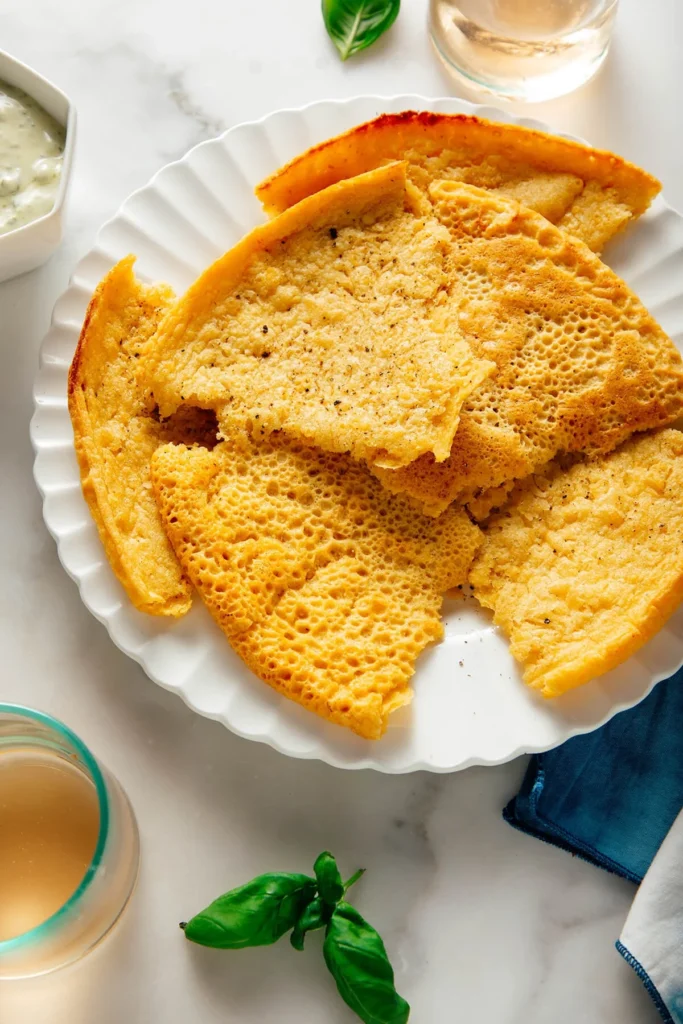
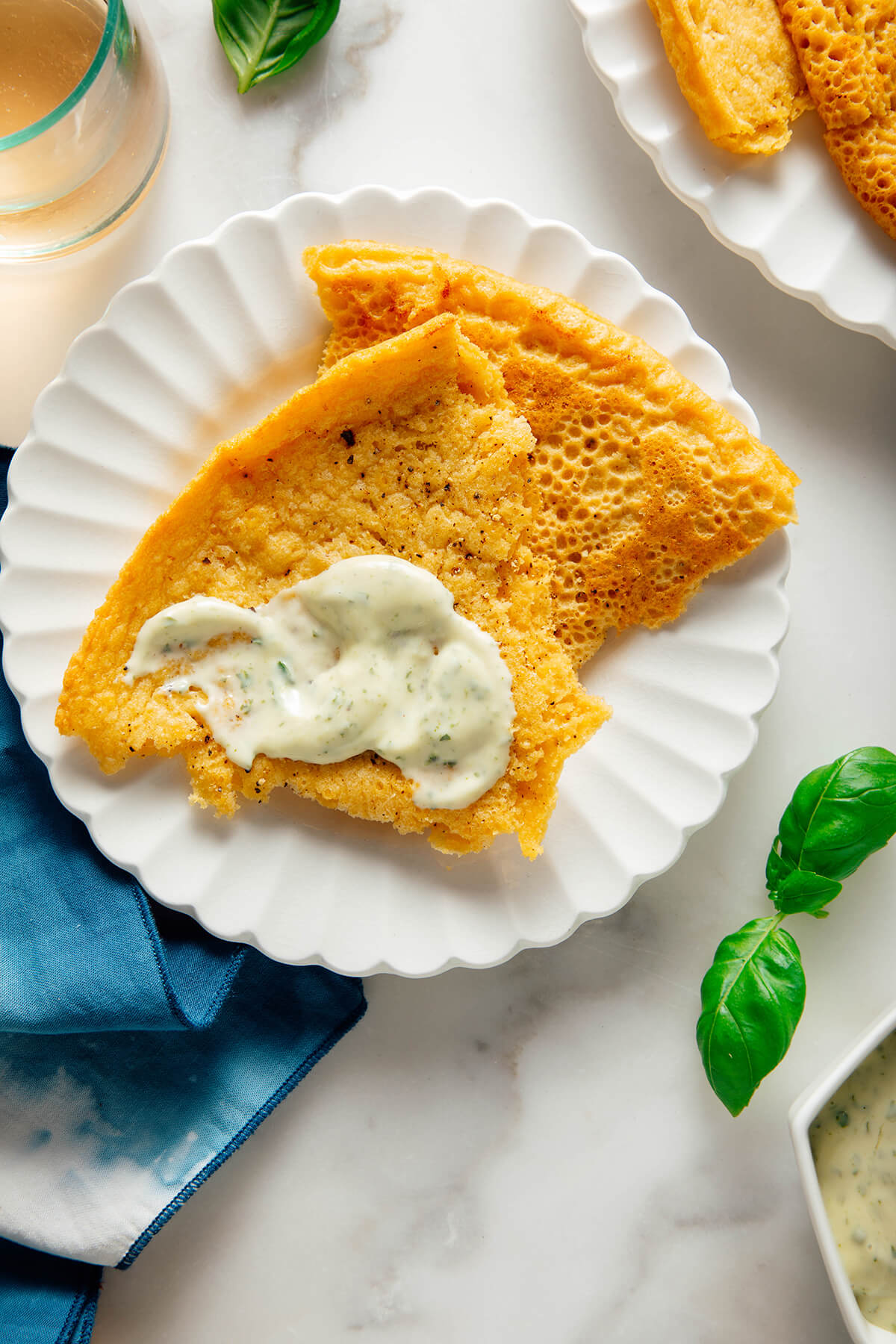
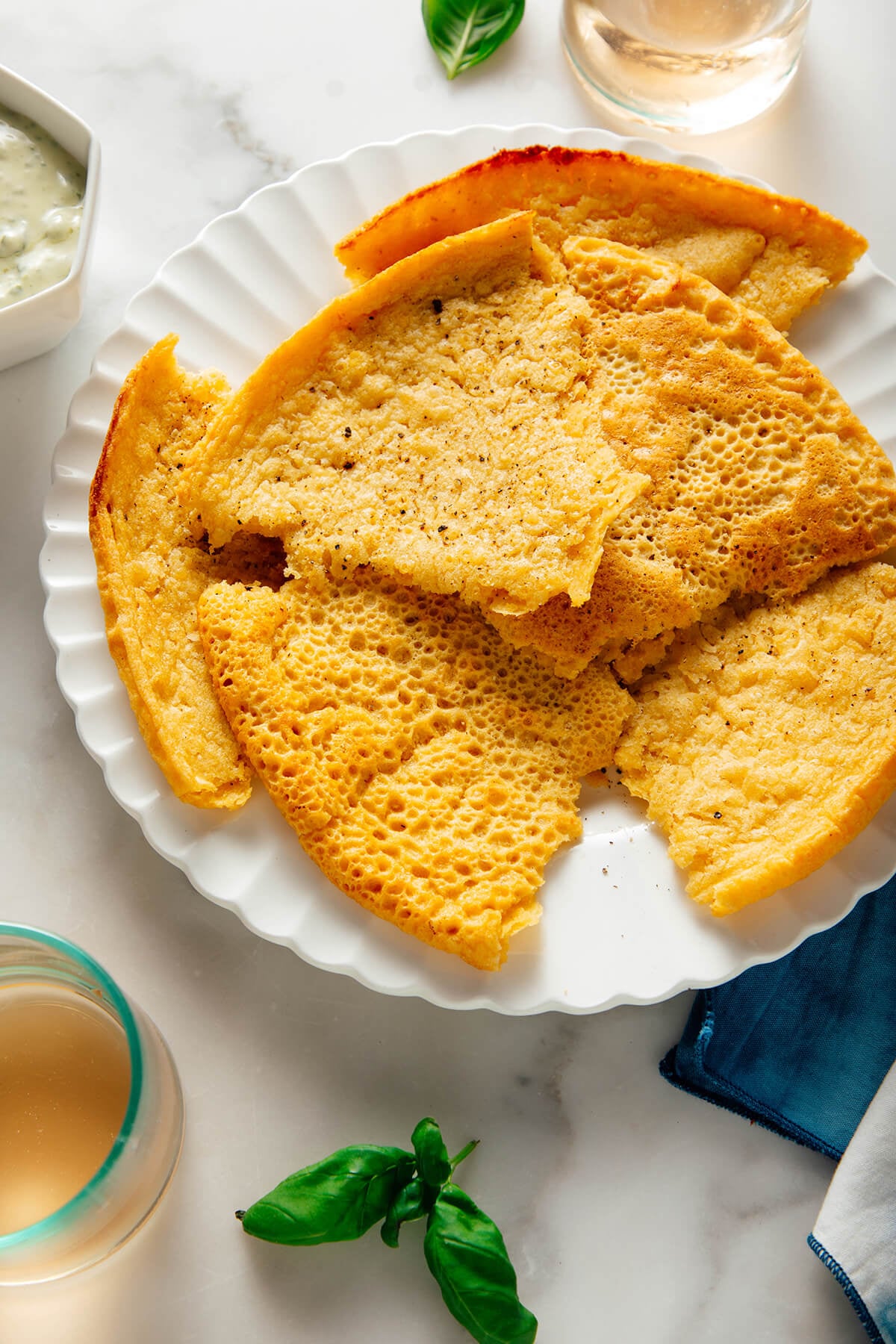
Socca, a distinctive savory pancake crafted from chickpea flour, has long been a culinary emblem of Nice, France, embodying centuries of Mediterranean tradition. Characterized by its remarkably crispy and chewy edges, a tender and flaky interior, and a delicately lacy, golden bottom, this deceptively simple dish offers a complex textural and flavor profile. Originating as a staple street food in the sun-drenched alleys of the French Riviera, Socca’s history intertwines with that of its Italian cousin, farinata, highlighting a shared gastronomic heritage across the Ligurian Sea.
Historical Roots and Mediterranean Legacy
The origins of Socca are deeply embedded in the ancient culinary practices of the Mediterranean basin, dating back potentially to Roman or even Greek times when chickpea flour was a common and valuable commodity. Historical accounts suggest that variations of chickpea flatbreads were consumed by sailors and laborers due to their simple ingredients, ease of preparation, and nutritional density. In Nice, the specific preparation known as Socca emerged as a quintessential street food, sold piping hot from large copper pans (called poêles) cooked over wood-burning ovens in public markets and along the Promenade des Anglais. This traditional method of cooking at extremely high temperatures is crucial for developing its signature texture and flavor.

The lineage of Socca can be traced through numerous regional variations, underscoring the widespread adoption of chickpea flour in Southern European and North African cuisines. In Italy, farinata (from Genoa and Liguria) and cecina (from Tuscany) are almost identical preparations, often seasoned with rosemary or black pepper. Across the border in Marseille, a thicker, fried version known as panisse exists, while in Gibraltar, a similar dish called calentita is recognized as the national dish. Even in distant South America, particularly Argentina and Uruguay, fainá – brought by Italian immigrants – accompanies pizza, demonstrating the enduring global impact of this humble chickpea flatbread. These interconnected culinary traditions attest to the resourcefulness and shared pantry staples of the Mediterranean, where chickpeas, olive oil, and basic seasonings form the bedrock of countless dishes.
The Culinary Science of Simplicity
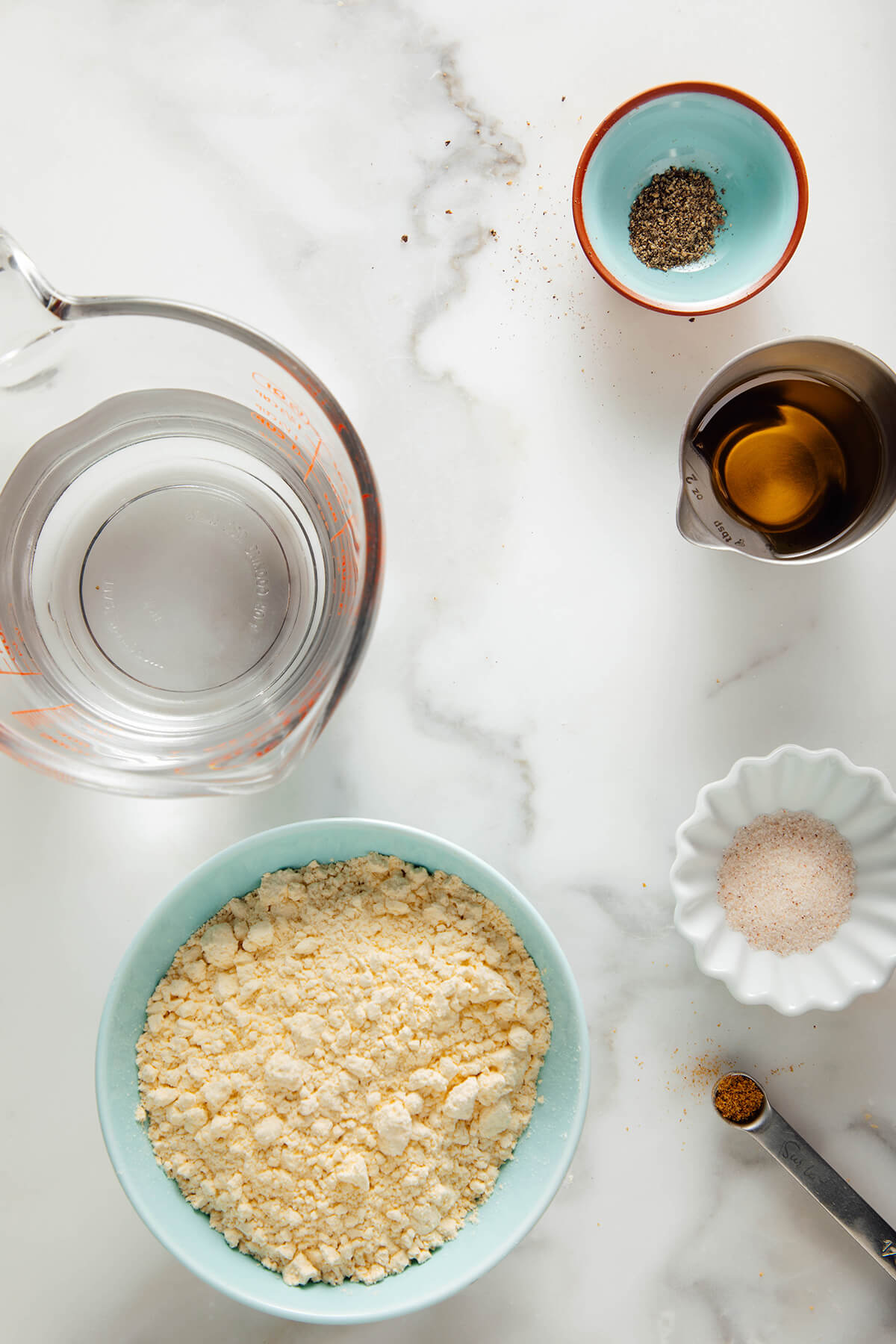
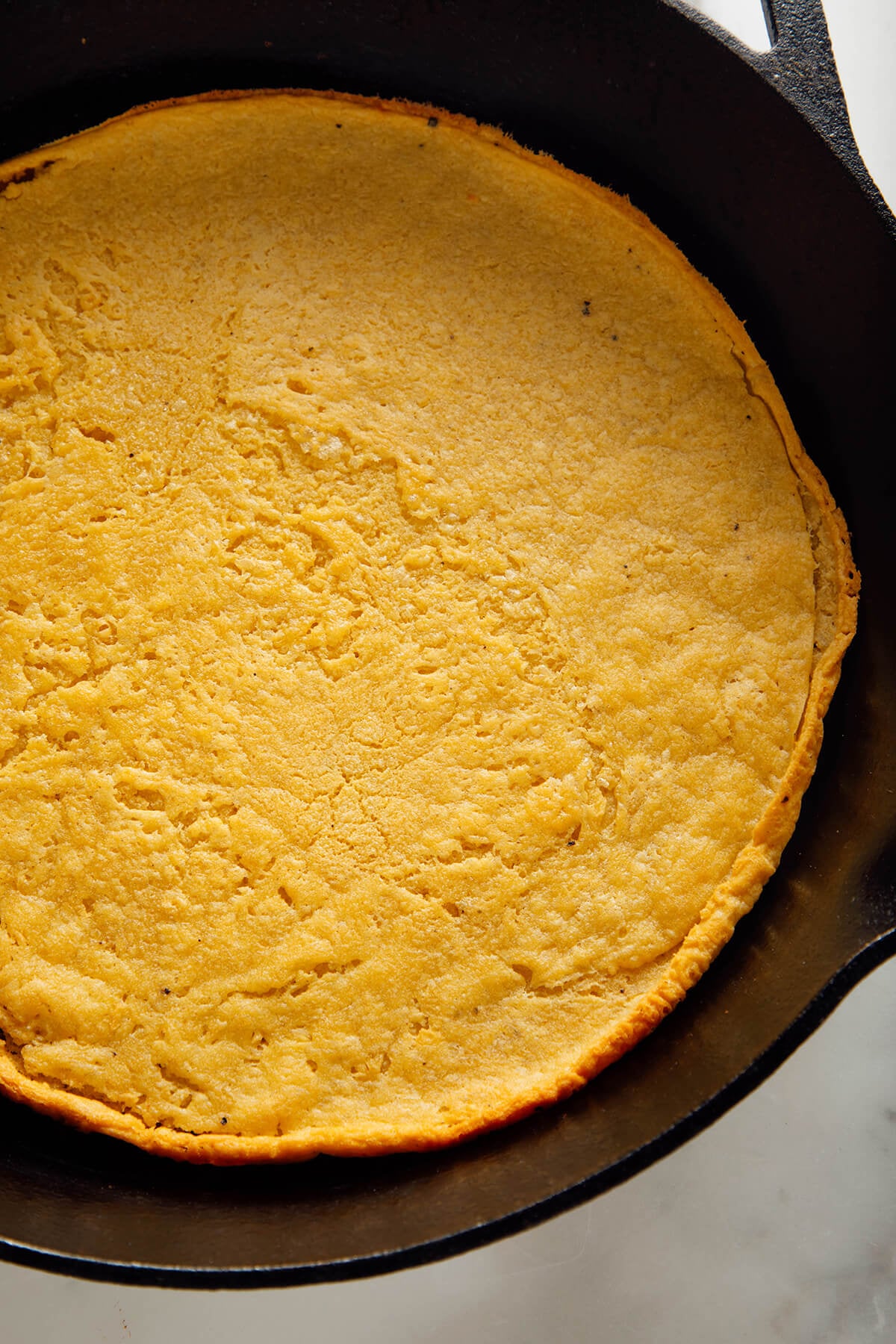
At its core, Socca is a testament to the power of a few high-quality ingredients. The essential components include chickpea flour, water, premium olive oil, salt, freshly ground black pepper, and often a touch of cumin. Chickpea flour, also known as gram flour or besan in other culinary contexts, is the star. Unlike wheat flour, it is naturally gluten-free, which is fundamental to Socca’s distinct texture. Its lack of gluten means the batter does not develop elasticity, resulting in the characteristic flakiness rather than a chewy, bread-like crumb. When cooked rapidly at high temperatures, the starches in the chickpea flour gelatinize and then crisp, while the protein content contributes to its satisfying, substantial mouthfeel.
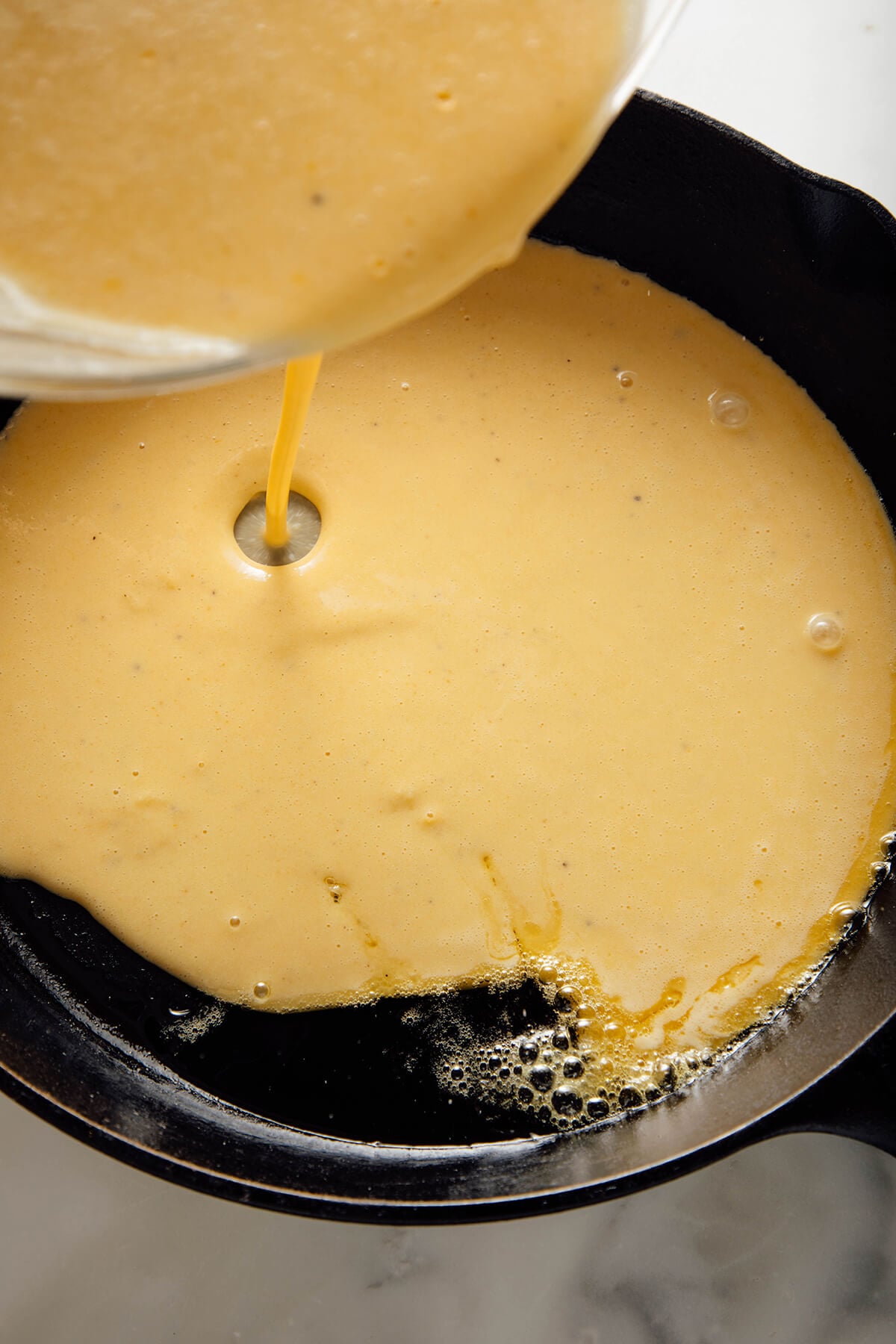
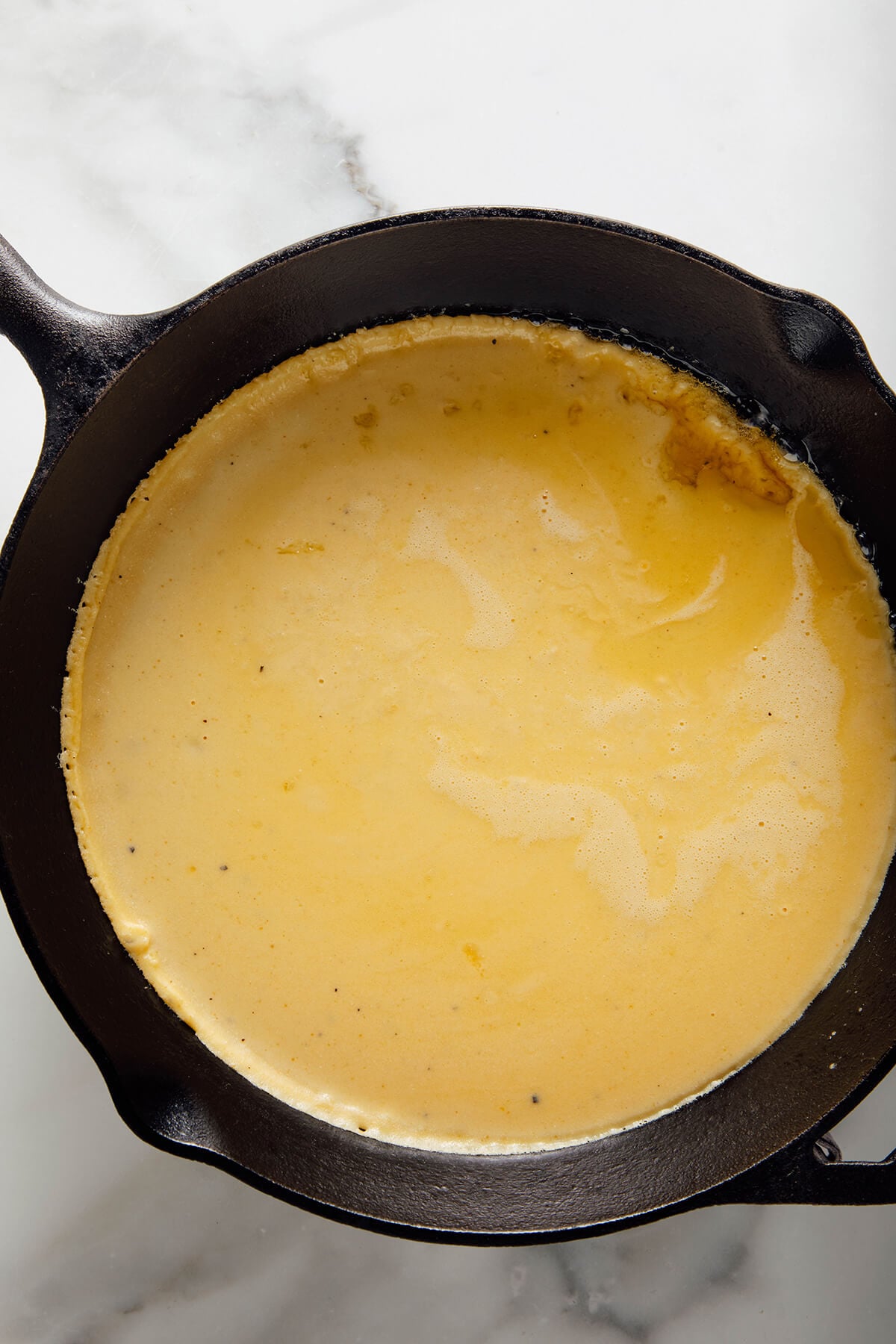
The role of olive oil is equally critical. Not only does it impart a rich, fruity flavor, but it also facilitates the intense browning and crisping of the pancake’s surface and edges, creating the desirable "lacy" bottom. The high heat, whether from a traditional wood-fired oven or a well-preheated cast iron skillet, is paramount. The oil, heated to near-smoking point, essentially flash-fries the batter, ensuring a rapid crust formation and preventing the pancake from becoming soggy. This process encourages the Maillard reaction, contributing to the golden-brown color and complex savory notes.
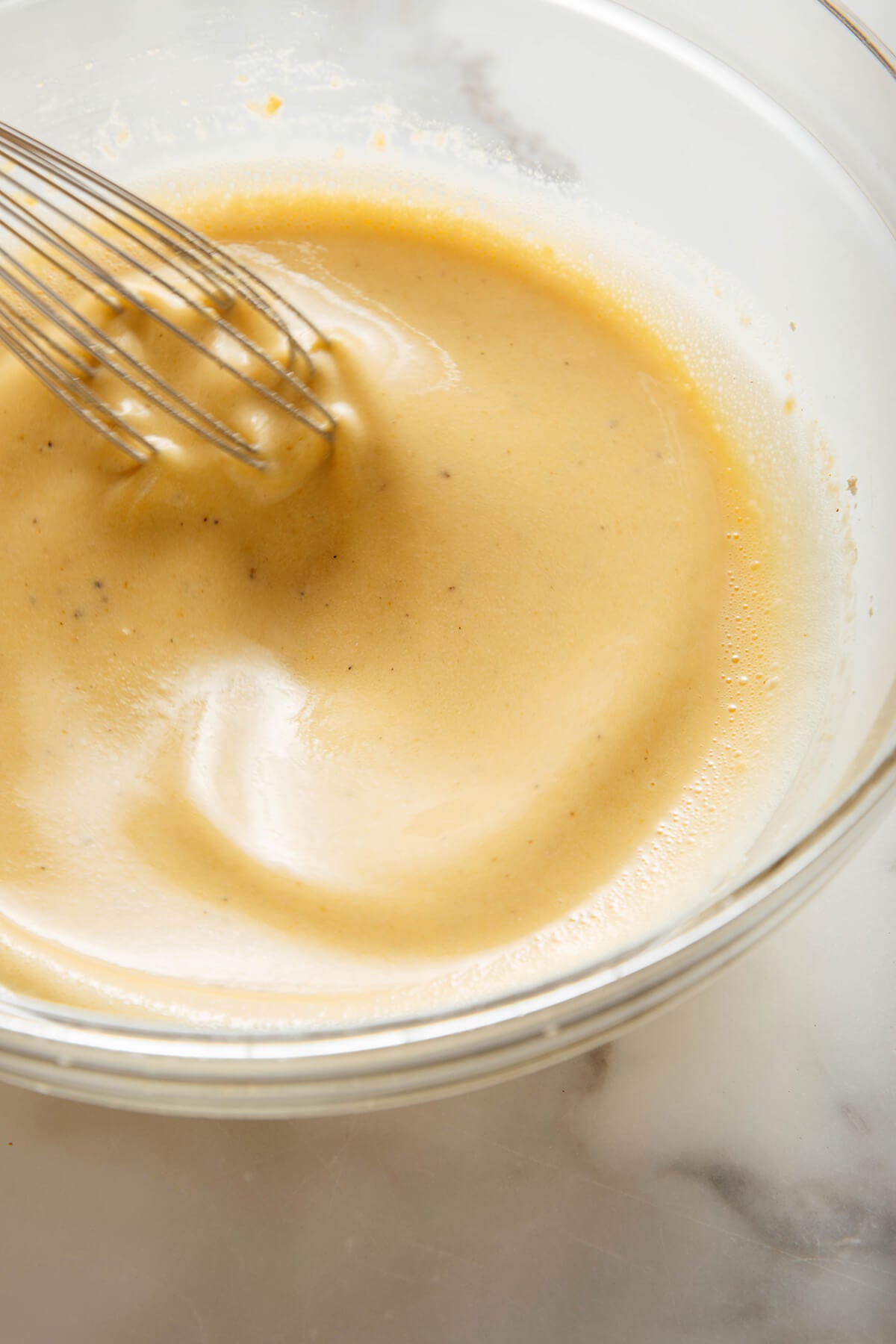
Interestingly, contemporary culinary experimentation has revealed a departure from some traditional practices regarding batter preparation. While many historical recipes for chickpea flatbreads suggest an extended resting period for the batter—sometimes an hour or more—modern adaptations for home cooking indicate that this step may not be necessary, and in some cases, might even be counterproductive for achieving optimal texture. Recent observations suggest that mixing the batter just before cooking, allowing for minimal hydration time, can yield a flakier, more desirable result. This challenges the conventional wisdom that a longer rest is always beneficial for flour-based batters, potentially due to the specific properties of chickpea flour which hydrates quickly and does not benefit from gluten development. This finding significantly enhances Socca’s appeal as a quick and accessible dish for home cooks.
Nutritional Profile and Dietary Versatility
Beyond its delightful taste and texture, Socca stands out for its impressive nutritional credentials and remarkable dietary inclusivity. Made predominantly from chickpea flour, it offers a healthier alternative to many wheat-flour-based flatbreads.
- Protein Powerhouse: Chickpeas are an excellent source of plant-based protein, crucial for muscle repair, satiety, and overall bodily function. A serving of Socca contributes significantly to daily protein intake, making it a valuable component of vegetarian and vegan diets.
- Rich in Fiber: Chickpea flour is exceptionally high in dietary fiber, which plays a vital role in digestive health, helps regulate blood sugar levels, and contributes to a feeling of fullness, aiding in weight management.
- Healthy Fats: The generous use of olive oil provides a substantial amount of monounsaturated fats, known for their benefits in reducing bad cholesterol levels and promoting cardiovascular health.
- Complex Carbohydrates: Socca offers complex carbohydrates, which provide sustained energy release, avoiding the rapid spikes and crashes associated with simple sugars.
- Naturally Gluten-Free and Vegan: One of Socca’s most compelling attributes is its natural suitability for specific dietary needs. Being entirely free of wheat and animal products, it is inherently gluten-free and vegan. This makes it an ideal appetizer, snack, or meal component for individuals with gluten sensitivities or celiac disease, as well as those adhering to plant-based diets. In an era where dietary restrictions and preferences are increasingly common, Socca’s inherent inclusivity positions it as a versatile and widely appreciated culinary option. Its alignment with the principles of the Mediterranean diet, lauded globally for its health benefits, further cements its status as a nutritious choice.
Modern Culinary Adaptations and Serving Innovations
While traditionally enjoyed simply, often with a generous dusting of freshly ground black pepper and perhaps a glass of chilled rosé wine—evoking the leisurely pace of the South of France—Socca’s robust flavor and adaptable texture lend themselves to a myriad of modern culinary applications.
Culinary experts and home cooks alike are exploring its potential far beyond its street food origins. Its sturdy yet pliable form makes it an excellent base for more elaborate creations. For instance, Socca can be transformed into a healthier pizza crust, offering a crisp, gluten-free foundation for a variety of toppings, from classic marinara and mozzarella to more sophisticated combinations involving basil pesto, fresh vegetables, or artisanal cheeses. This adaptation leverages its inherent crispness and unique flavor profile to create a distinct pizza experience.
Furthermore, Socca serves as an exceptional vehicle for dips and spreads. Its robust structure holds up well to creamy basil mayo, a tangy Green Goddess tahini dip, or a briny tapenade, creating a delightful interplay of textures and flavors. Its neutral yet savory base also makes it suitable for "messy wraps," where it can be laden with creamy cheeses like ricotta, feta, or goat cheese, or a vegan tahini sauce, complemented by chopped fresh vegetables (tomatoes, cucumbers), roasted vegetables (eggplant, cauliflower), sun-dried tomatoes, or fresh herbs. This versatility underscores its potential as a canvas for both traditional and innovative flavor pairings.
The enduring appeal of Socca lies in its ability to bridge historical culinary practices with contemporary dietary demands and gastronomic trends. From its humble beginnings as a nourishing street food for the working class in Nice to its current status as a celebrated item in healthy, plant-based, and gluten-free diets, Socca exemplifies the timeless allure of simple, wholesome ingredients transformed through skilled preparation. Its global spread, evidenced by variations across continents, speaks to a universal appreciation for its unique taste and texture. As culinary landscapes continue to evolve, Socca stands as a testament to the enduring power of tradition, adapted and cherished by a new generation of food enthusiasts.