









Kansas City-based culinary enthusiast and bestselling cookbook author Kathryne Taylor has introduced a meticulously developed recipe for plant-based sofritas, drawing inspiration from Chipotle Mexican Grill’s popular tofu option. This homemade rendition aims to offer a "fresh, flavorful, and nicely spiced" alternative to the fast-casual chain’s version, which Taylor notes can sometimes be overpoweringly spicy. The recipe emerges at a time when consumer interest in plant-based proteins and customizable home cooking solutions continues to escalate, reflecting broader shifts in dietary preferences and culinary practices across the nation.

Chipotle Mexican Grill first introduced Sofritas to its menu in 2014, a strategic move designed to cater to the burgeoning demand for vegetarian and vegan options among its diverse customer base. This innovative plant-based protein, crafted from shredded tofu braised with chipotle peppers, roasted poblanos, and a blend of aromatic spices, quickly garnered a dedicated following. Its introduction was a significant milestone for a mainstream fast-casual chain, signaling a broader industry recognition of plant-forward eating. The term "sofritas" itself is a portmanteau, a nod to the traditional "sofrito," an aromatic base of sautéed vegetables, typically garlic, onions, and peppers, fundamental to Spanish, Latin American, and Mediterranean cuisines. Chipotle’s adaptation provided a hearty, saucy, and spicy addition to burritos and bowls, becoming a staple for many seeking a non-meat protein source.
Taylor’s endeavor to create her own Sofritas recipe stems from a desire to replicate the beloved dish with a personalized touch, specifically addressing the heat level and overall flavor balance. "Sometimes Chipotle’s sofritas are so spicy that they overwhelm the other flavors in my bowl," Taylor explains, articulating a common sentiment among some consumers who appreciate the flavor but prefer a milder kick. Her development process involved a direct study of Chipotle’s publicly available ingredient list, followed by iterative experimentation with ingredient quantities and cooking methodologies. The goal was to achieve a version that not only met but exceeded the original in terms of nuanced flavor and controlled piquancy, allowing the inherent freshness of the ingredients to shine through. This meticulous approach underscores a growing trend among home cooks to not just recreate, but actively enhance, popular restaurant dishes, leveraging the flexibility of a home kitchen to tailor meals to individual preferences.

The Accelerating Shift Towards Plant-Based Diets
The rise of plant-based diets is not merely a passing fad but a significant culinary and societal shift. Data from the Plant Based Foods Association indicates a continuous upward trajectory in sales of plant-based foods, with market value projected to reach hundreds of billions globally in the coming years. For instance, reports from SPINS, a leading wellness-focused data technology company, show that U.S. retail sales of plant-based foods grew by 27% in 2020, reaching $7 billion, and have continued to expand in subsequent years. This growth is driven by a confluence of factors, including increasing awareness of the environmental impact of meat production, growing health consciousness among consumers, and ethical considerations regarding animal welfare. Plant-based proteins like tofu, tempeh, and legumes have moved from niche health food stores to mainstream grocery aisles, becoming accessible and appealing to a wider demographic, including flexitarians who occasionally opt for meat-free meals. Recipes like Taylor’s homemade Sofritas directly tap into this expanding market, providing accessible and delicious ways for individuals to incorporate more plant-based meals into their diets without sacrificing flavor or familiarity. The global pandemic further accelerated this trend, as more people cooked at home and sought healthier, more sustainable options.
Deconstructing the Sofritas: A Culinary Blueprint
Central to Taylor’s refined Sofritas recipe is its carefully selected array of ingredients, each playing a crucial role in achieving its distinct flavor profile and texture. The foundation begins with extra-virgin olive oil, used for sautéing, honoring the traditional cooking medium of sofrito. Extra-firm tofu is the star protein, chosen for its ability to absorb flavors and its robust texture when crumbled. Taylor emphasizes the importance of pressing and crumbling the tofu with a fork before sautéing it in olive oil until golden. This process not only mimics Chipotle’s characteristic texture but also develops a "surprising, subtly smoky note" through the Maillard reaction and creates ample surface area for seasoning absorption. This transformation of humble tofu into a flavorful, textured protein highlights its versatility and potential when prepared correctly, debunking common misconceptions about tofu being bland.

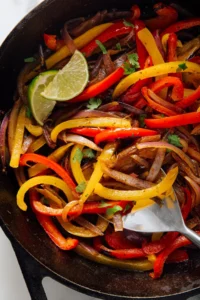
The aromatic backbone of the dish is formed by a classic sofrito trifecta: onion, red bell pepper, and garlic. These ingredients are finely diced and sautéed to create a fragrant and sweet base, fundamental to the depth of flavor in many Latin American and Spanish dishes. The slow caramelization of the onions and bell peppers, combined with the pungent aroma of garlic, establishes a complex foundation upon which the other flavors are built. While red bell pepper is preferred for its sweetness and vibrant color, yellow or orange varieties are suggested as suitable substitutes, demonstrating flexibility in ingredient sourcing for home cooks.
To enrich the sauce, tomato paste and canned diced tomatoes are incorporated. The diced tomatoes contribute essential moisture and a fresh, bright acidity, while the umami-rich tomato paste concentrates the tomato flavor, adding complexity and depth that would otherwise be difficult to achieve. This dual-tomato approach ensures a well-rounded and robust sauce that clings beautifully to the crumbled tofu, creating a cohesive and satisfying mouthfeel.

The signature smoky and spicy kick comes from adobo sauce or chopped chipotle peppers in adobo sauce. These ingredients are paramount, delivering the characteristic smoky heat that defines Sofritas. Chipotle peppers, which are essentially smoked and dried jalapeños, impart a unique depth that cannot be replicated by fresh chilies alone. The adobo sauce itself, a rich, tangy, and slightly sweet sauce, further enhances the overall flavor profile. Taylor also includes a splash of red wine vinegar, a critical component for brightening the overall flavor profile. Acidity is a powerful tool in balancing rich and spicy dishes, preventing them from becoming heavy or one-dimensional by cutting through the richness and enhancing other flavors. Sherry vinegar is offered as an excellent substitute, providing similar complex notes and a touch of sweetness. Finally, a carefully curated blend of dried spices – ground cumin, smoked paprika, and oregano – rounds out the flavor. The cumin adds an earthy warmth, the oregano provides a classic Mediterranean herbaceous note, and the smoked paprika specifically echoes and enhances the smoky notes introduced by the chipotle peppers, creating a cohesive and aromatic experience that ties the entire dish together.
A practical culinary tip shared by Taylor addresses a common challenge for home cooks: managing leftover ingredients from cans. She advises storing leftover tomato paste and chipotle peppers in adobo sauce in separate small freezer bags. By squeezing out the air and flattening the bags before freezing, cooks can easily tear off the precise amount needed for future recipes, minimizing waste and maximizing efficiency. This tip reflects a broader movement towards sustainable cooking practices and thoughtful ingredient management in home kitchens, aligning with consumer desires to reduce food waste.

Versatility and Broader Culinary Impact
The versatility of homemade Sofritas makes it an invaluable addition to any meal rotation, particularly for those exploring Mexican and Tex-Mex cuisines. Its protein-rich nature and robust flavor profile allow it to serve as a primary component or a flavorful topping. Taylor recommends pairing the Sofritas with rich, creamy elements such as guacamole or sour cream (or vegan alternatives) to effectively balance its inherent heat – a classic culinary strategy for spicy dishes. Beyond the standard burrito bowls, where it provides a hearty plant-based alternative to meat, Sofritas can be innovatively incorporated into various dishes. It can be sprinkled over loaded nachos for an extra layer of flavor and protein, stirred into cheese mixtures before making quesadillas, or used as a foundational filling for a diverse array of tacos. Furthermore, its savory and slightly spicy profile makes it an excellent accompaniment to eggs, whether scrambled or fried, offering a unique breakfast or brunch option. This adaptability underscores the recipe’s potential to integrate seamlessly into diverse meal plans, catering to different dining occasions and preferences.
To build a complete and satisfying meal around these Sofritas, complementary additions are key. These include staple Mexican rice, robust black or pinto beans, fresh pico de gallo or a vibrant salsa verde, crisp shredded lettuce, a sprinkle of fresh cilantro, and a squeeze of lime juice. These components not only add texture and freshness but also contribute to a well-balanced nutritional profile, transforming the Sofritas into a holistic and satisfying dining experience. The ability to customize these additions further enhances the appeal of homemade Sofritas, allowing individuals to craft meals that perfectly align with their dietary preferences and flavor cravings, whether they are seeking a gluten-free, dairy-free, or fully vegan meal.

The increasing popularity of recreating restaurant dishes at home speaks to a broader cultural shift towards culinary empowerment and experimentation. Consumers are not just seeking convenience; they are also keen to understand the provenance of their food, control ingredients for health reasons, and enjoy the satisfaction of preparing meals from scratch. Food blogs and online recipe platforms, like Taylor’s, play a crucial role in facilitating this trend, providing detailed instructions, visual guides, and expert tips that demystify complex dishes and make them accessible to home cooks of all skill levels. This digital culinary landscape fosters a community of shared knowledge and inspires continuous innovation in home cooking, allowing culinary enthusiasts like Taylor to directly engage with and serve a global audience.
Kathryne Taylor, a respected voice in the plant-based culinary community since 2010, brings a wealth of experience and a passion for vegetables to her recipe development. Her bestselling cookbooks and long-standing blog underscore her commitment to creating approachable and delicious plant-forward meals. Her latest Sofritas recipe stands as a testament to her philosophy: that healthy eating can be incredibly flavorful and deeply satisfying. It exemplifies how thoughtful recipe development can bridge the gap between restaurant-quality dining and the comfort of home cooking, all while championing sustainable and health-conscious choices. The enthusiastic reception from her audience, as evidenced by the engagement on her platform, highlights the strong demand for such meticulously crafted plant-based recipes that offer both familiarity and an elevated culinary experience. This new recipe is poised to become a staple for many, offering a delicious and adaptable option for those looking to enjoy the vibrant flavors of Chipotle-style Sofritas in their own kitchens, with the added benefit of customized spice and freshness, reinforcing the idea that culinary excellence is achievable for everyone.