The Endocrine Society’s Science Summit 2026, held from September 21 to 23 in the coastal city of Málaga, Spain, marked a pivotal moment for the international scientific community as experts gathered to bridge the gap between fundamental molecular biology and clinical applications. Under the theme "Networked for Life: Nuclear Receptors in Age-Related Diseases," the three-day summit provided a high-level forum for established investigators, clinical practitioners, and emerging researchers to dissect the complexities of nuclear receptor signaling. The consensus among the world’s leading endocrinologists was that while the field has made extraordinary strides in understanding how these proteins regulate gene expression, the journey toward comprehensive therapies for age-related conditions is entering a sophisticated new phase characterized by precision medicine and sex-specific considerations.
A Strategic Convergence in Málaga: Chronology of the Summit
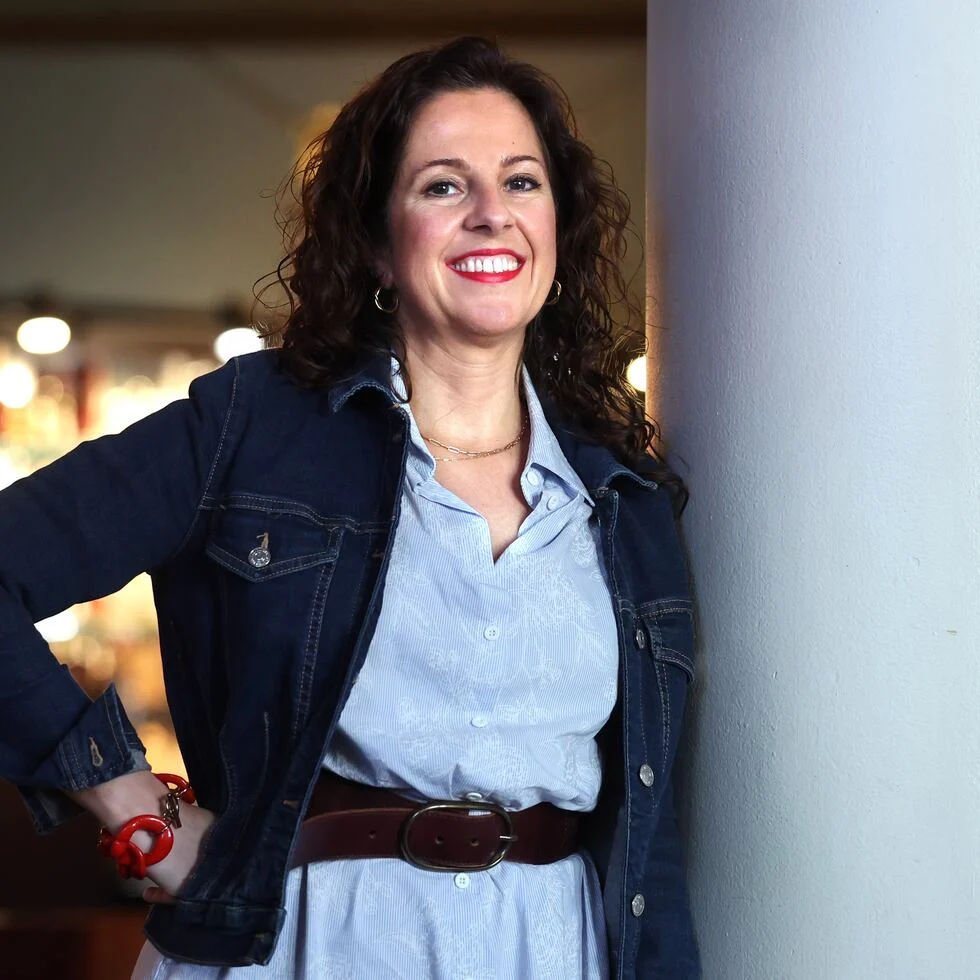
The selection of Málaga as the host city underscored the growing prominence of Mediterranean biomedical hubs in the global research landscape. Organized by a committee of international luminaries, including Christopher Glass, MD, PhD, of the University of California San Diego, and co-chaired by Inés Pineda-Torra, PhD, of the Andalusian Centre of Molecular Biology and Regenerative Medicine (CABIMER), the summit was designed to facilitate a chronological progression of ideas.
The first day of the summit focused on the fundamental molecular and cellular mechanisms of nuclear receptors. These proteins, which function as ligand-activated transcription factors, serve as the body’s internal sensors for steroids, thyroid hormones, and various other lipid-soluble signals. Researchers presented high-resolution structural data and advanced genomic mapping that illustrated how these receptors interact with chromatin to dictate cellular identity and metabolic state.

On the second day, the agenda shifted toward "Networked Systems," exploring how nuclear receptors do not operate in isolation but rather within complex interactomes. This session highlighted the "promiscuity" of receptors—their ability to interact across traditional silos, such as the overlap between metabolic signaling and oncological pathways. This interdisciplinary approach is essential for understanding multi-system diseases like metabolic syndrome, where inflammation, lipid processing, and hormonal signaling are inextricably linked.
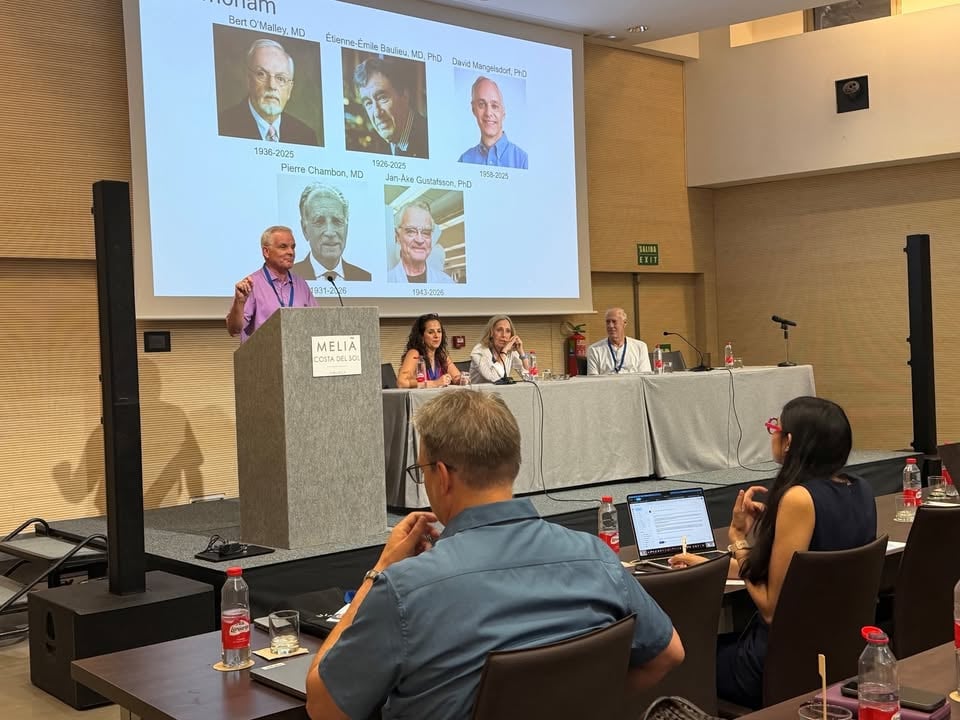
The final day was dedicated to translational research and the "clinic-ready" potential of new compounds. Case studies of recent pharmacological successes were presented, showcasing how decades of laboratory work have finally resulted in approved therapies for conditions ranging from non-alcoholic steatohepatitis (NASH) to specific hormonal cancers. The summit concluded with a forward-looking panel discussion on the "unanswered questions" that will define the next decade of endocrine research.
The Role of Nuclear Receptors in the Aging Process
A central pillar of the 2026 Summit was the exploration of how nuclear receptor activity shifts as the human body ages. As populations worldwide experience increased longevity, the prevalence of age-related diseases—including type 2 diabetes, osteoporosis, neurodegenerative disorders, and cardiovascular disease—has reached unprecedented levels. According to data from the World Health Organization, the global population aged 60 years and older is expected to total 2.1 billion by 2050.
Nuclear receptors are at the heart of this demographic shift because they regulate the very processes that decline with age: proteostasis, metabolic flexibility, and inflammatory response. During the summit, researchers discussed the "inflammaging" phenomenon—a state of chronic, low-grade inflammation that characterizes old age—and how receptors such as the Peroxisome Proliferator-Activated Receptors (PPARs) and Liver X Receptors (LXRs) might be modulated to dampen this response.
Inés Pineda-Torra emphasized that the field is moving beyond a binary view of these receptors. "The conversations during poster sessions and networking breaks demonstrated that this field is evolving toward a focus on contextualization," she noted. This means understanding how the same nuclear receptor might perform a protective role in a young, healthy tissue but contribute to pathology in an aged or diseased environment.
Sex-Specific Medicine and Women’s Cardiovascular Health
One of the most significant themes to emerge from the Málaga summit was the critical need for sex-specific research in endocrinology. For decades, biomedical research heavily favored male models, leading to a "data gap" that has historically disadvantaged women’s health outcomes. The 2026 Summit took a proactive stance on this issue, dedicating its opening session to women’s health and requiring all presenters to specify the sex of the species used in their studies.
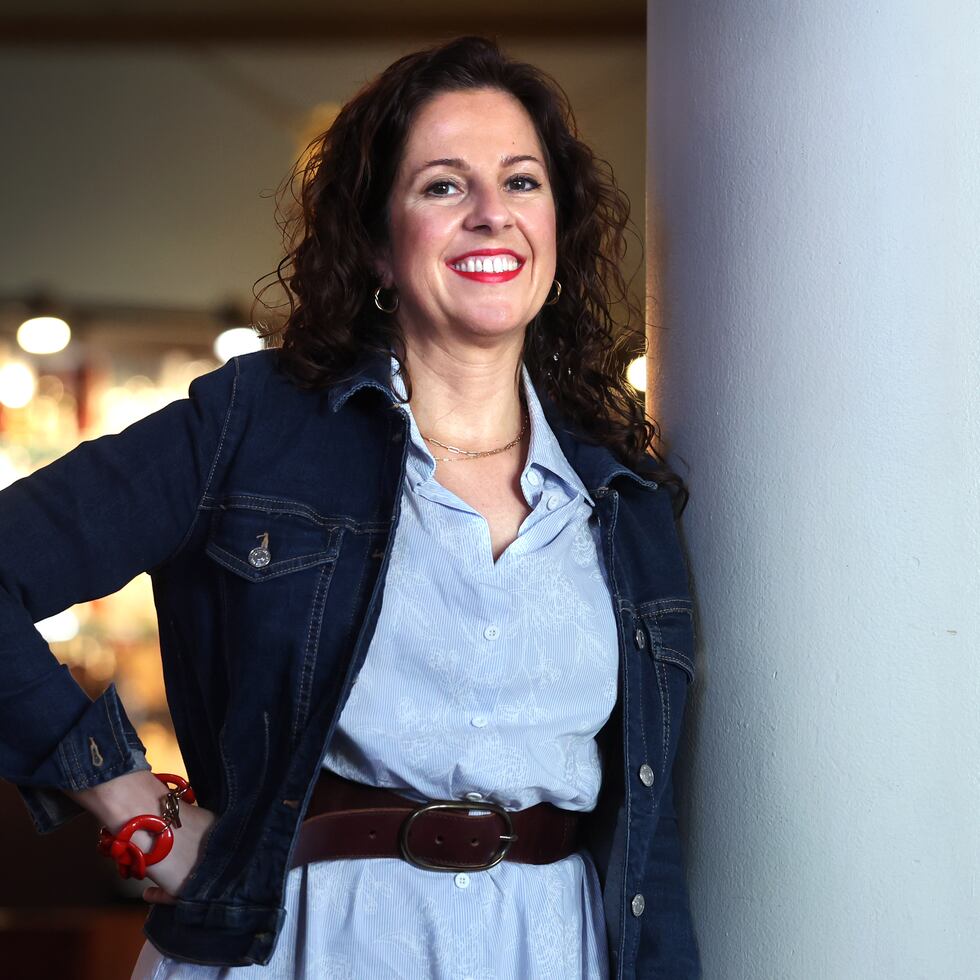
Pineda-Torra, whose own research at CABIMER focuses on the intersection of sex hormones, lipid metabolism, and immune signaling, highlighted why this focus is overdue. "Specifically for metabolic and immune diseases, the biology we have learned in male studies does not necessarily translate to women," she explained. Her work investigates why heart disease manifests differently in women, particularly following the transition into menopause.
The loss of estrogen during menopause is associated with a sharp increase in cardiovascular risk, yet the precise mechanisms of how estrogen receptors interact with lipid-processing pathways in the vascular wall remain partially obscured. Summit participants explored how "selective estrogen receptor modulators" (SERMs) and other targeted ligands could be refined to provide the cardiovascular benefits of hormonal signaling without the associated risks of certain cancers. This "one size does not fit all" philosophy was a recurring mantra, signaling a shift toward more personalized endocrine therapies.
Addressing Gaps and the Path to 2028
Despite the celebratory atmosphere surrounding recent translational successes, the summit served as a sobering reminder of the hurdles that remain. Christopher Glass, MD, PhD, noted that the meeting reinforced the existence of "major gaps" in the collective understanding of how nuclear receptors function across different tissues.
One area of intense discussion was the role of "orphan receptors"—nuclear receptors for which the endogenous ligands have not yet been identified. Even without known natural triggers, these receptors have shown profound effects on disease progression. The summit highlighted that unlocking the secrets of these orphans could provide a new frontier for drug development, offering targets for diseases that currently lack effective treatments.
The complexity of "ligand promiscuity" also poses a challenge. Because nuclear receptors often share structural similarities, a drug designed to target one receptor may inadvertently activate or inhibit another, leading to side effects. The consensus among the Málaga attendees was that the next phase of research must utilize high-throughput screening and AI-driven modeling to predict these interactions with greater accuracy.
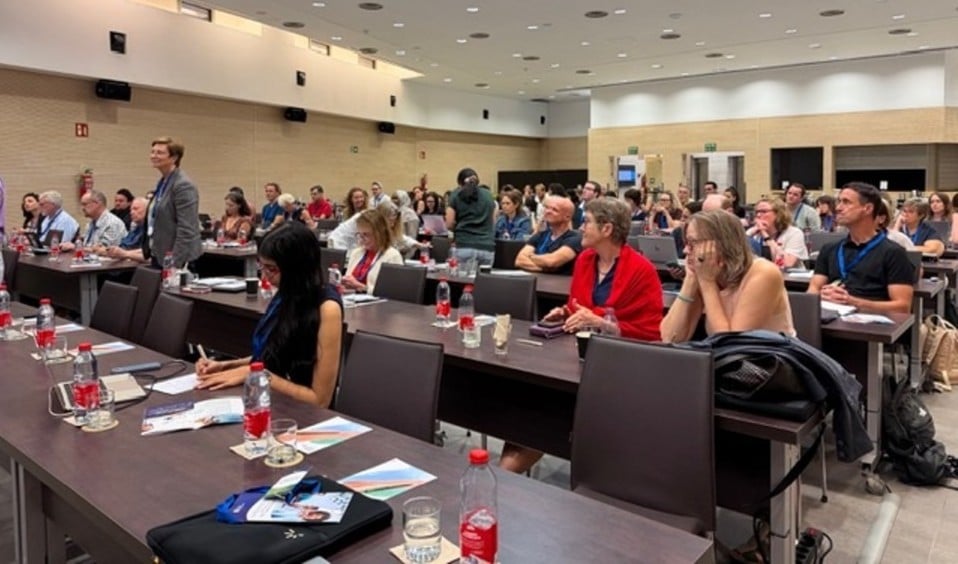
Broader Implications for Global Healthcare
The implications of the Science Summit 2026 extend far beyond the laboratory. As healthcare systems grapple with the rising costs of chronic disease management, the development of therapies that target the underlying hormonal and metabolic drivers of aging could offer significant economic relief. By delaying the onset of age-related disability by even a few years, nuclear receptor research could improve the "healthspan" of millions, not just their lifespan.
Furthermore, the summit established a blueprint for future scientific discourse. The Endocrine Society’s commitment to integrating fundamental science with clinical practice reflects a modern understanding of medicine where the bench and the bedside are in constant communication. The success of the Málaga meeting has already sparked plans for a follow-up summit in 2028, with the goal of tracking the progress of the experimental therapies discussed this year.
In her closing remarks, Pineda-Torra expressed hope that the event was "truly inspiring" for the next generation of scientists. The evolution of the field—from observing cellular biochemical fragments to treating complex clinical conditions—represents one of the most successful trajectories in modern science. As the researchers departed Spain, they left with a renewed sense of urgency: the biological "networks for life" are vast and intricate, and while much has been mapped, the most transformative discoveries may still lie ahead.
The Endocrine Society continues to monitor the developments arising from the Málaga summit, with several collaborative papers and multi-center trials expected to launch as a direct result of the networking fostered during the event. For the global community, the message from Málaga is clear: the future of healthy aging is being written through the language of nuclear receptors.