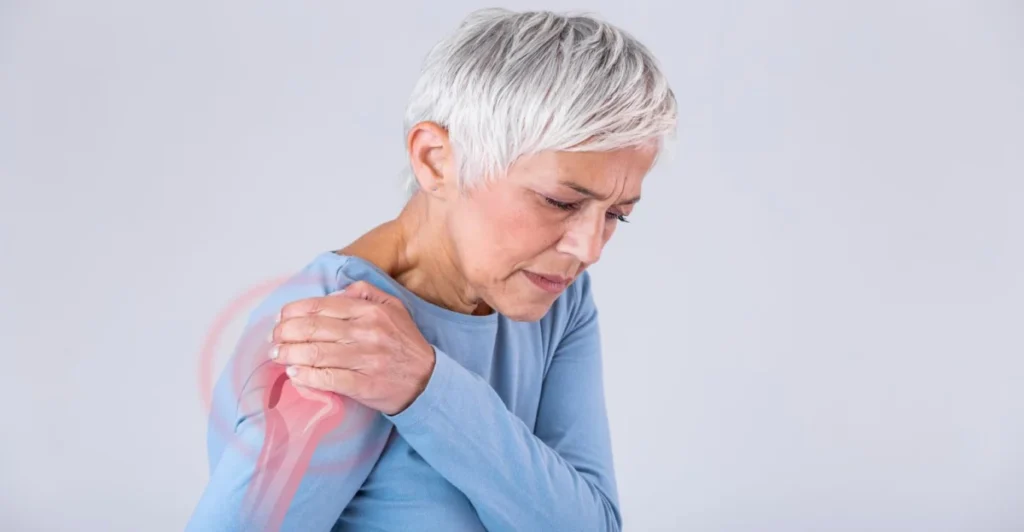
A significant new study has established a compelling correlation between diminished levels of docosahexaenoic acid (DHA), a crucial omega-3 fatty acid, and a heightened risk of frailty among older individuals. The findings, drawn from an extensive dataset, hold considerable promise for both the development of advanced diagnostic tools and the formulation of proactive interventions aimed at mitigating frailty’s onset and progression. Published in the esteemed Journal of Nutrition, Health and Aging, this research represents a collaborative effort by scientists affiliated with South Korean universities, the University of Illinois, and the Fatty Acid Research Institute (FARI).
Unraveling the Link: The UK Biobank Study and Its Findings
The bedrock of this groundbreaking research is the vast repository of data collected by the UK Biobank survey. This longitudinal study meticulously tracked 38,577 non-frail adults, aged between 40 and 69, who were initially enrolled between 2006 and 2010. The participants were subsequently monitored for an impressive period of up to 13 years, providing a rich dataset for analyzing health trajectories and the emergence of age-related conditions.
Frailty, a complex geriatric syndrome characterized by diminished physiological reserves and increased vulnerability to stressors, was defined within the study based on a rigorous set of criteria. Participants were classified as frail if they exhibited at least three out of the following five indicators: low physical activity levels, persistent feelings of exhaustion, a noticeable decline in walking speed, unintentional weight loss, and reduced grip strength. These quantifiable markers provide a robust framework for identifying individuals at risk.
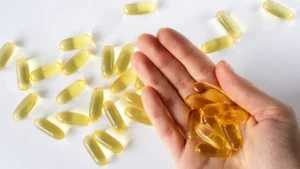
The study’s methodology involved comprehensive blood analyses to measure omega-3 fatty acid concentrations. Researchers specifically assessed total omega-3 levels, as well as the distinct contributions of DHA and other non-DHA omega-3s, including eicosapentaenoic acid (EPA), docosapentaenoic acid (22:5n3), alpha-linolenic acid (ALA), and stearidonic acid (18:4n3). This granular approach was crucial for pinpointing the specific role, if any, of each fatty acid in the development of frailty.
The Global Burden of Frailty and the Role of Omega-3s
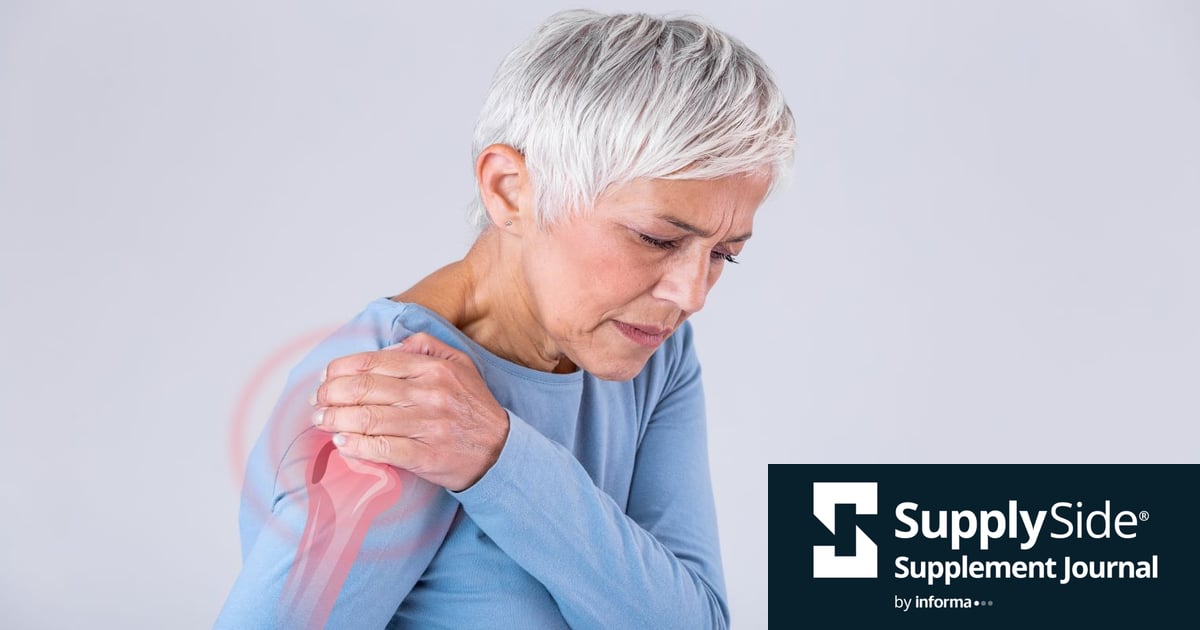
Frailty is a pervasive global health concern, impacting an estimated 12% to 24% of the older adult population worldwide, with variations dependent on geographical location and socioeconomic factors. While the exact etiology of frailty remains a subject of ongoing scientific inquiry, chronic inflammation has emerged as a significant and widely recognized risk factor. The intricate interplay between inflammation, cellular aging, and functional decline underscores the need for comprehensive understanding and targeted interventions.
The UK Biobank cohort, upon enrollment, averaged approximately 55 years of age. Over the median follow-up period of roughly nine years, a notable 1,024 individuals within this cohort met the established criteria for frailty. The analysis revealed a clear and concerning trend: the incidence of frailty was inversely proportional to the concentration of DHA in participants’ blood. In simpler terms, individuals with lower DHA levels were more likely to develop frailty.
Crucially, the study found no discernible "frailty protection" associated with either the total levels of omega-3 fatty acids or the concentrations of non-DHA omega-3s. This suggests that DHA may play a unique and indispensable role in maintaining physical resilience and warding off the debilitating effects of frailty, differentiating it from its omega-3 counterparts.
Implications for Diagnostics and Interventions
The researchers behind the study have articulated the significant potential of their findings. They stated, "DHA could be used as a predictor of high frailty risk. Future clinical trials are needed to determine the extent to which DHA supplementation can reduce the risk of frailty." This assertion highlights a dual pathway for leveraging this discovery: as an early warning system and as a target for therapeutic strategies.
To gain deeper insight into the specific role of DHA, SupplySide Supplement Journal engaged with Dr. William S. Harris, the esteemed head of FARI and a co-author of the study. Dr. Harris elaborated on the complexities of frailty and the singular association with DHA.
"There are so many biologic systems involved with frailty. It’s a weird composite," Dr. Harris explained. "Heart attack is easy by comparison." This statement underscores the multifaceted nature of frailty, involving a complex interplay of physiological systems that makes it a challenging condition to dissect.
When pressed on why DHA, and not other omega-3s, showed this specific correlation, Dr. Harris offered a direct response: "The short answer is that we just don’t know. It could be that DHA is the principal omega-3 that is resident in tissues." This suggests a potential mechanism where DHA’s preferential accumulation in cellular membranes and tissues might confer unique protective properties against the cellular dysfunction associated with aging and frailty.
Dr. Harris further posited that these findings pave the way for the development of innovative and accessible diagnostic tools. By measuring omega-3 fatty acid profiles, clinicians could gain valuable insights into an individual’s frailty risk. This early identification could empower healthcare providers to design personalized and timely interventions, potentially delaying the onset of a spectrum of age-related ailments that significantly impact quality of life.
The Future of Frailty Research: Beyond DHA
The researchers are not resting on their laurels. Dr. Harris indicated that the next logical progression of this research involves expanding the scope of investigation. "The next logical step for this area of study is to look beyond these two fatty acids and to look if there is a fingerprint of fatty acids that could be even more predictive," he stated. This forward-looking perspective suggests a potential for a more nuanced and comprehensive predictive model, possibly incorporating a broader array of fatty acids and other biomarkers to create an even more accurate assessment of frailty risk.
The implications of this research extend beyond individual health. As global populations continue to age, the societal and economic burden of frailty-related conditions will undoubtedly escalate. Early detection and effective prevention strategies, informed by studies like this, could lead to significant reductions in healthcare costs, improved functional independence for older adults, and a higher overall quality of life in later years.
A Deeper Dive into Omega-3s and Cellular Health
Docosahexaenoic acid (DHA) is a long-chain omega-3 polyunsaturated fatty acid that is a vital structural component of the brain, retina, and other key tissues. Its presence is critical for neuronal function, visual acuity, and overall cellular health. DHA plays a role in maintaining cell membrane fluidity, reducing inflammation, and supporting antioxidant defense mechanisms. These properties are particularly important as the body ages, when cellular repair processes may become less efficient and the risk of oxidative stress and chronic inflammation increases.
While EPA (eicosapentaenoic acid) is also a crucial omega-3 fatty acid, it is more commonly associated with cardiovascular health and anti-inflammatory effects. The study’s finding that only DHA, and not EPA or other omega-3s, showed a significant correlation with frailty suggests that the unique structural and functional roles of DHA in specific tissues, such as muscle and neural cells, might be more directly implicated in maintaining physical strength and resilience.
The researchers’ hypothesis that DHA might be preferentially retained in tissues is supported by existing scientific literature. DHA’s high degree of unsaturation makes it a more integral part of cell membranes, contributing to their stability and signaling functions. In the context of aging, maintaining the integrity and functionality of muscle fibers and neuronal networks is paramount for preserving mobility, cognitive function, and overall physical performance. Lower levels of DHA could therefore compromise these essential functions, leading to the observable signs of frailty.
The Path Forward: From Research to Practice
The transition from research findings to clinical practice is a critical step. The researchers’ call for future clinical trials is essential to validate the efficacy of DHA supplementation in preventing or reversing frailty. These trials would likely involve administering controlled doses of DHA to at-risk populations and monitoring their frailty status over time, comparing outcomes with placebo groups.
Furthermore, the development of accessible diagnostic tools is crucial. This could involve simple blood tests that provide a comprehensive omega-3 fatty acid profile, integrated into routine health screenings for older adults. Such tools would empower both individuals and their healthcare providers to make informed decisions about lifestyle modifications and potential supplementation strategies.
The broader implications of this research also touch upon nutritional guidelines and public health initiatives. As awareness of the specific benefits of DHA grows, there may be increased emphasis on dietary sources of this fatty acid, such as fatty fish, or on the judicious use of DHA supplements. Public health campaigns could be developed to educate older adults and their caregivers about the importance of omega-3 fatty acids for healthy aging.
The study’s authors have provided a compelling foundation for future research and clinical application. By illuminating the specific role of DHA in combating frailty, they have opened new avenues for promoting healthy aging, enhancing functional independence, and improving the overall well-being of the growing global population of older adults. The journey from identifying a correlation to developing effective interventions is often long and complex, but the insights gleaned from this study represent a significant leap forward in our understanding of this critical aspect of aging.