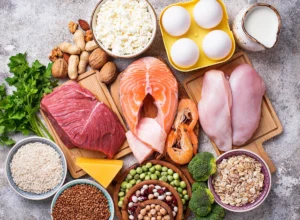










As the vibrancy of spring approaches, a renewed focus on personal well-being, particularly weight management and fitness, becomes a common aspiration for many. Embarking on a dietary change or a more disciplined health regimen necessitates meticulous planning, with an optimized grocery list serving as the cornerstone of success. The strategic selection of foods, especially snacks, plays a pivotal role in these efforts. Unpreparedness can often lead to the derailment of a well-intended calorie deficit, with late-night cravings or impulsive choices proving to be significant pitfalls. To navigate this crucial aspect of dietary planning, Dr. Kezia Joy, RDN, a distinguished Medical Advisor with Welzo, has provided expert guidance on healthy snack alternatives. Dr. Joy emphasizes that integrating specific nutrient-dense options can profoundly impact weight loss journeys, offering not just satiety but also sustained energy and vital nourishment.
The Landscape of Modern Snacking and Its Impact on Health
In contemporary society, snacking has become an ingrained habit, often driven by convenience, stress, or a momentary desire for indulgence rather than genuine hunger. This widespread practice contributes significantly to the escalating global health crisis of overweight and obesity. According to the World Health Organization, global obesity rates have nearly tripled since 1975, with over 1 billion people worldwide living with obesity in 2022. A substantial portion of daily caloric intake for many individuals comes from snacks, which are frequently high in refined carbohydrates, unhealthy fats, and added sugars. These "empty calorie" snacks offer minimal nutritional value, leading to rapid blood sugar spikes followed by precipitous crashes, perpetuating a cycle of hunger and overeating. The financial burden associated with obesity-related health conditions, including diabetes, heart disease, and certain cancers, is immense, underscoring the critical need for effective preventive strategies, such as mindful and nutritious snacking.
Expert-Approved Snacking: Five Pillars of Weight Loss
Dr. Kezia Joy, drawing on her extensive expertise, identifies five specific snack options that she consistently recommends for individuals aiming for sustainable weight loss. These choices are meticulously designed to align with key nutritional principles, promoting satiety, providing essential nutrients, and preventing the energy slumps that often lead to poor dietary decisions. Her recommendations are:
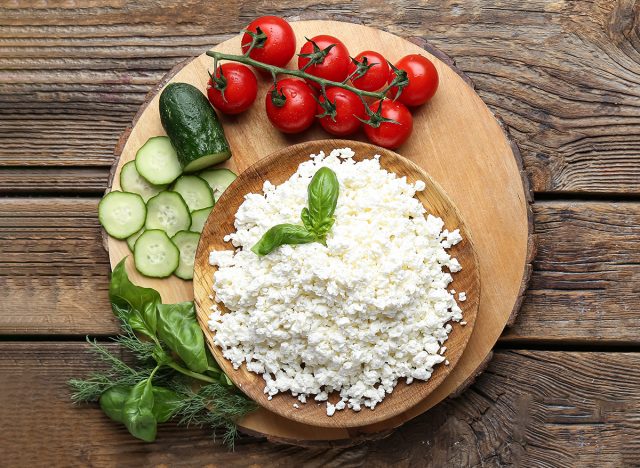
- Cottage Cheese with Vegetables: This combination harnesses the power of high-quality protein from cottage cheese, known for its slow digestion and muscle-supporting amino acids, paired with the fiber and micronutrients found in various vegetables such as cucumbers, bell peppers, or cherry tomatoes. A single serving of cottage cheese can provide upwards of 12-15 grams of protein, making it an excellent hunger suppressant. The addition of vegetables enhances the fiber content, contributing to gut health and prolonged fullness.
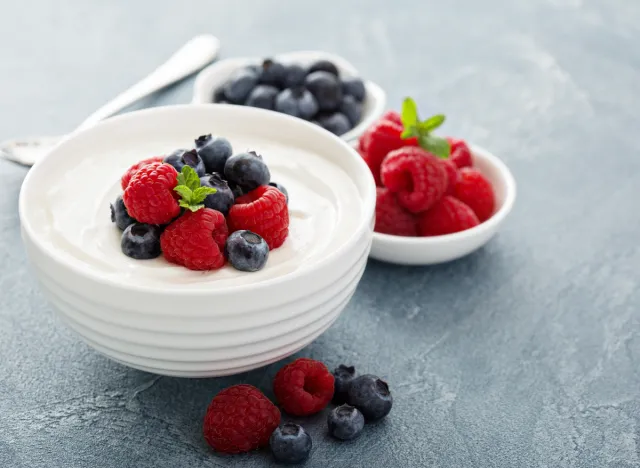
- Greek Yogurt with Fresh Berries: Greek yogurt stands out for its elevated protein content compared to regular yogurt, often boasting twice the amount. This makes it an incredibly effective tool for satiety and muscle maintenance. Furthermore, it is a rich source of probiotics, beneficial bacteria that support gut health, which is increasingly linked to metabolic function and weight management. Pairing it with fresh berries—strawberries, blueberries, raspberries—introduces a wealth of antioxidants, vitamins, and dietary fiber, adding natural sweetness without relying on added sugars.
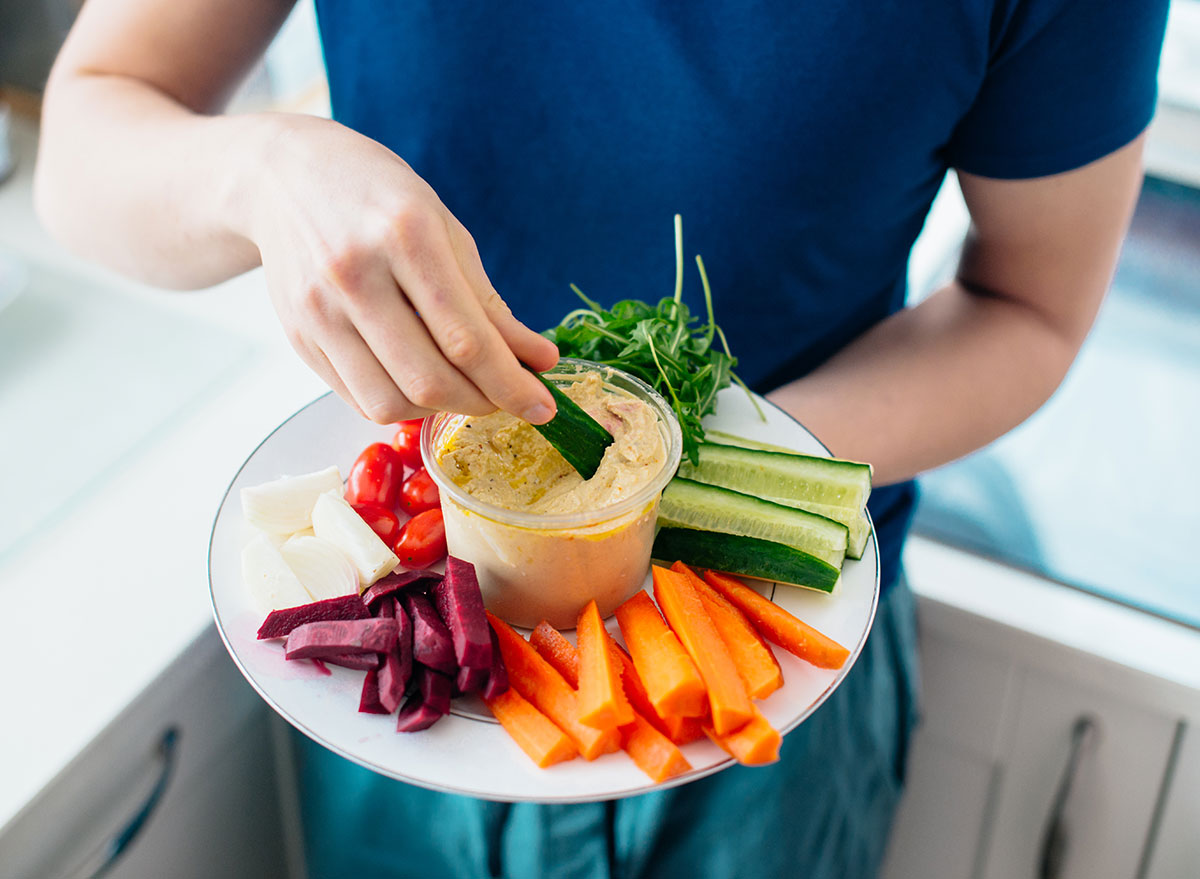
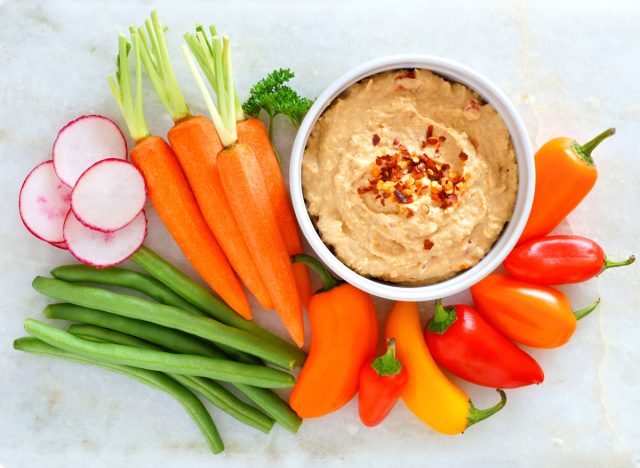
- Hummus with Raw Vegetables: A plant-based powerhouse, hummus, made from chickpeas, tahini, olive oil, and lemon juice, offers a harmonious blend of plant protein, healthy monounsaturated fats, and complex carbohydrates. Its high fiber content, particularly from chickpeas, aids in digestion and contributes significantly to feelings of fullness. Raw vegetables like carrot sticks, celery, snap peas, or broccoli florets serve as ideal dippers, providing additional fiber, vitamins, and minerals with very few calories. This snack is particularly effective in stabilizing blood sugar levels, preventing the post-snack energy crash often associated with less healthy alternatives.
- An Ounce of Nuts with a Piece of Fruit: This seemingly simple pairing is a nutritional goldmine. Nuts (such as almonds, walnuts, or pistachios) are packed with healthy fats, protein, and fiber, alongside essential vitamins and minerals like magnesium and vitamin E. While calorie-dense, their high satiety factor means a small portion (approximately an ounce, or a small handful) is sufficient to curb hunger effectively. The accompanying piece of fruit, like an apple, banana, or orange, provides natural sugars for quick energy, coupled with additional fiber and crucial vitamins, creating a balanced and satisfying snack that addresses both immediate energy needs and long-term satiety.
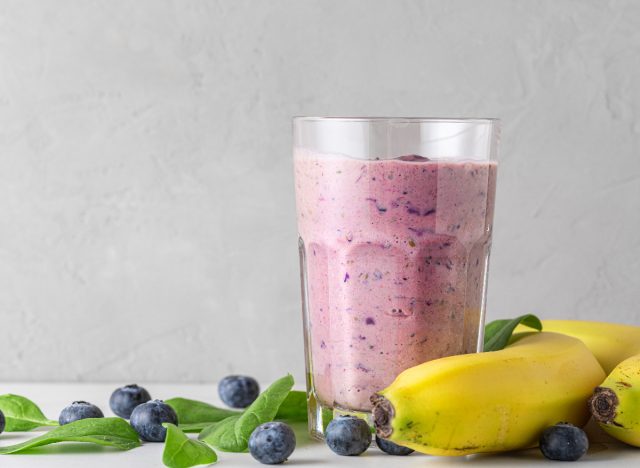
- A Smoothie Using Whole Food Ingredients and Protein: Smoothies offer unparalleled versatility and nutrient density, provided they are constructed with whole, unprocessed ingredients. Dr. Joy advocates for a base of leafy greens (spinach, kale), a source of healthy fats (avocado, chia seeds), fiber (flax seeds, oats), and a significant protein component (protein powder, Greek yogurt, or silken tofu). Blended with water or unsweetened plant milk, such a smoothie can deliver a substantial nutritional punch, promoting sustained energy and satiety. The customization aspect allows individuals to tailor it to their taste preferences while ensuring a rich intake of macronutrients and micronutrients vital for overall health and weight loss.
The Foundational Trio: Protein, Healthy Fats, and Fiber
At the core of Dr. Joy’s recommendations are three critical macronutrients: protein, healthy fats, and fiber. These components are not merely additive; they are synergistic in their ability to support effective weight loss and overall metabolic health.
- Protein: Often hailed as the king of satiety, protein requires more energy to digest and metabolize compared to carbohydrates or fats, a phenomenon known as the thermic effect of food. It also stimulates the release of satiety hormones, such as GLP-1 and PYY, which signal fullness to the brain, reducing appetite and the likelihood of overeating. Furthermore, adequate protein intake is crucial for preserving lean muscle mass during weight loss, which is metabolically active tissue that burns more calories even at rest.
- Fiber: Dietary fiber, particularly soluble fiber, forms a gel-like substance in the digestive tract, slowing down gastric emptying and nutrient absorption. This leads to a prolonged feeling of fullness and helps stabilize blood glucose levels, preventing the sharp peaks and valleys that trigger hunger pangs. Beyond satiety, fiber is indispensable for digestive health, feeding beneficial gut bacteria and promoting regular bowel movements.
- Healthy Fats: While calorie-dense, healthy fats, predominantly monounsaturated and polyunsaturated fats found in nuts, seeds, avocados, and olive oil, are crucial for satiety. They contribute to the palatability of food and slow down digestion, ensuring sustained energy release. Moreover, these fats are essential for the absorption of fat-soluble vitamins (A, D, E, K) and play vital roles in hormone production and cellular function.
Dr. Joy underscores the practical advantages of these snack choices, stating, "Each of these options allows for quick preparation, can be easily incorporated into your daily routine, and will allow you to have a variety of options as you work on losing weight, and help keep you from feeling like you’re being deprived by eating a ‘snack.’ When you eat snacks that are good for you and allow you to meet your nutritional needs, but also limit the amount of calories you consume, you are more likely to continue to make good choices over time." This perspective highlights the psychological component of dieting, emphasizing that feeling satisfied and nourished is key to long-term adherence.
Beyond Satiety: Blood Glucose Regulation and Preventing Overeating
The benefits of these dietitian-approved snacks extend beyond simple satiety. Their rich composition of fiber and protein plays a critical role in maintaining consistent blood glucose levels. Unlike snacks laden with refined carbohydrates and sugars, which cause rapid spikes and subsequent crashes in blood sugar, these options promote a gradual and sustained release of glucose into the bloodstream.
"Consistent blood glucose levels are very important to regulate your hunger. The less your blood glucose levels fluctuate, the less you will experience hunger," Dr. Joy explains. This stability is paramount in curbing cravings and preventing the impulsive consumption of highly processed convenience foods. By providing a steady energy source, these snacks empower individuals to make more deliberate and healthier food choices during subsequent meals, effectively reducing overall calorie intake and fostering more balanced eating habits. This proactive approach to hunger management is a cornerstone of sustainable weight loss, shifting the focus from restrictive dieting to informed and empowering food selections.
The Pitfalls of Conventional Snacking: A Deeper Look
Many commercially available snacks are engineered for maximum palatability and minimal satiety, often featuring a deceptive blend of refined carbohydrates, unhealthy fats, and copious amounts of added sugar. These ultra-processed foods are designed to be "hyper-palatable," triggering reward centers in the brain and making it difficult to stop consumption. They are rapidly digested, providing a fleeting surge of energy that quickly dissipates, leaving individuals feeling hungry again shortly after eating.
"They’re easily digested, but do little to suppress our desire for additional food," Dr. Joy observes. This rapid digestion and lack of satiety contribute directly to excess calorie consumption throughout the day, undermining weight loss efforts. Furthermore, these snacks typically offer negligible nutritional value, displacing opportunities to consume nutrient-dense foods.
Dr. Joy elaborates on the superior nutritional profile of her recommended snacks: "Another reason why the snacks I recommend are better than typical snacks is that they have a larger volume of nutrients per serving than typical snacks. Most snack foods are designed so that we can eat too much of them with very little nutritional value. Therefore, when you choose to eat one of the snacks I recommend, the calories will provide satiety, or fullness." This distinction is crucial: it’s not just about calorie count, but the quality of those calories and their ability to nourish the body and satisfy hunger effectively.
The Art of Timing: When to Snack for Optimal Results
The "when" of snacking is almost as important as the "what." Strategic snack timing can be a powerful tool in managing hunger, maintaining energy levels, and preventing overeating.
"Snacks at appropriate times may prevent an interval of time from one meal to another in which individuals are likely to consume excess calories due to a large gap in time since the last meal. Snacking maintains consistent levels of energy throughout the day," Dr. Joy advises. A mid-morning or mid-afternoon snack, for instance, can bridge the gap between main meals, preventing excessive hunger that often leads to larger portion sizes or less healthy choices at the next meal.
These strategically timed snacks also play a vital role in regulating energy throughout the day. "A mid-afternoon snack will also help control energy crashes and reduce the likelihood that you’ll feel the need for sweet treats. A balanced snack supports your ability to focus and be productive," she adds. By stabilizing blood sugar and providing a steady stream of nutrients, these snacks help combat the common afternoon slump, enhancing cognitive function and productivity without resorting to sugary pick-me-ups.
Regarding evening snacking, Dr. Joy offers a nuanced perspective: "Evening snacking should be purposeful (not routine) and based on your body’s need for food as opposed to just eating out of habit. Protein-based snacks are usually the best choice." This emphasizes mindful eating over automatic consumption, encouraging individuals to distinguish between genuine physiological hunger and emotional or habitual eating. If an evening snack is genuinely needed, a protein-rich option will be more satiating and less likely to disrupt sleep or lead to unwanted weight gain compared to carbohydrate-heavy alternatives.
Broader Implications and a Holistic Approach to Wellness
Adopting these dietitian-approved snacking strategies extends far beyond individual weight loss. It represents a fundamental shift towards a more holistic and health-conscious lifestyle. By prioritizing nutrient-dense foods, individuals can significantly improve their overall dietary quality, leading to a cascade of health benefits. These include better blood sugar control, reduced risk of chronic diseases such as type 2 diabetes and cardiovascular disease, improved digestive health, and enhanced energy levels and mental clarity.
The emphasis on whole foods, protein, fiber, and healthy fats aligns with broader public health recommendations from organizations like the American Heart Association and the Dietary Guidelines for Americans. Such practices not only support personal well-being but also contribute to reducing the societal burden of preventable lifestyle diseases. Sustainable weight management is not about temporary deprivation but about cultivating enduring habits that nourish the body and mind. Dr. Joy’s recommendations provide a clear, actionable framework for achieving this, transforming the often-tricky realm of snacking into a powerful ally in the pursuit of health and vitality. By making informed choices, individuals can effectively manage hunger, stabilize energy, and move closer to their weight loss and wellness goals, one mindful snack at a time.