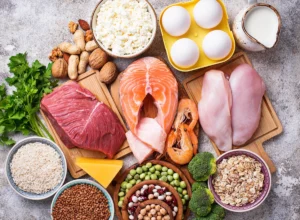










The dawn of a new year frequently brings with it renewed commitments to health and wellness, with weight loss often topping the list of resolutions. In an era where time is a precious commodity, the notion of preparing every meal from scratch can be daunting, leading many to seek convenient yet nutritious alternatives. Contrary to persistent misconceptions, the frozen food aisle can be a powerful ally in achieving these dietary goals, provided choices are made with informed discretion. Tara Collingwood, MS, RDN, CSSD, LD/N, ACSM-CPT, a Board Certified Sports Dietitian and co-author of the Flat Belly Cookbook for Dummies, emphasizes that strategic selection of frozen items can significantly support weight management and enhance satiety. Her expert guidance underscores that effective frozen food choices are characterized by a balance of low calories, ample protein and fiber, and inherent convenience.
The Science of Satiety: Why Protein, Fiber, and Mindful Choices Matter
Collingwood’s fundamental advice for leveraging frozen foods revolves around specific nutritional benchmarks. She advises consumers to prioritize items that are "lower in calories, balanced with protein/fiber, and convenient." This recommendation is rooted in established nutritional science. Protein is widely recognized for its high thermic effect of food (TEF), meaning the body expends more energy to digest and metabolize protein compared to fats or carbohydrates. Moreover, protein stimulates the release of satiety hormones like cholecystokinin (CCK) and peptide YY (PYY), which signal fullness to the brain, thereby reducing appetite and overall caloric intake. Studies published in journals such as the American Journal of Clinical Nutrition consistently demonstrate protein’s superior ability to promote satiety, making it a cornerstone of effective weight loss strategies.


Similarly, dietary fiber plays a critical role in weight management. Fiber, particularly soluble fiber, absorbs water and forms a gel-like substance in the digestive tract, which slows down digestion and nutrient absorption. This prolonged gastric emptying contributes to a sustained feeling of fullness, preventing overeating and unnecessary snacking. Furthermore, fiber adds bulk to meals without contributing significant calories, aiding in portion control. The average adult often falls short of the recommended daily fiber intake (25-30 grams), making fiber-rich frozen options particularly valuable.
Beyond macronutrient balance, Collingwood highlights the importance of scrutinizing sodium content. "Some frozen meals are high in sodium. Look for under ~600 mg per serving," she cautions. Excessive sodium intake is a well-documented contributor to high blood pressure, a leading risk factor for cardiovascular disease. The American Heart Association (AHA) recommends an ideal limit of no more than 2,300 milligrams (mg) of sodium per day for most adults, with an ideal limit of no more than 1,500 mg per day for individuals with or at risk of high blood pressure. Many heavily processed frozen meals can easily exceed these limits in a single serving, making careful label reading essential for overall health, not just weight loss.
Collingwood also offers a practical strategy for enhancing the nutritional profile of existing frozen meals: "You can add a yogurt or piece of fruit or extra veggies to many frozen meals to round them out." This simple yet effective approach allows consumers to boost fiber, vitamins, and minerals while increasing meal volume, further contributing to satiety and nutrient density without significantly increasing caloric load.
A Culinary Revolution: The Evolution of Frozen Meals for Health
The perception of frozen foods has undergone a significant transformation over the decades. Historically, the frozen aisle was often synonymous with heavily processed, high-sodium, and nutrient-poor options designed primarily for quick preparation rather than nutritional value. However, a chronological shift in consumer demand and food technology has propelled the industry towards healthier, more sophisticated offerings.
Beginning in the late 20th century, as women entered the workforce in greater numbers and dual-income households became the norm, the demand for convenient meal solutions skyrocketed. Early frozen meals prioritized speed and shelf life. However, by the early 2000s, a growing awareness of health and nutrition, coupled with increasing concerns about obesity rates, began to reshape the food landscape. Consumers started demanding transparency in ingredients, fewer artificial additives, and more balanced nutritional profiles.
This shift was met by innovation from food manufacturers. Advancements in flash-freezing technology ensured better preservation of nutrients and textures. The rise of "clean eating" movements and the increasing popularity of dietary restrictions (e.g., gluten-free, vegetarian, low-carb) further diversified the frozen food market. Brands began to focus on incorporating whole grains, lean proteins, and a wider array of vegetables, moving away from the traditional model of calorie-dense, sauce-laden entrees. Market research consistently shows growth in the health-focused segment of the frozen food industry, with consumers increasingly seeking options that align with their wellness goals while still offering the undeniable benefit of convenience. This evolution has made it possible for dietitians like Tara Collingwood to confidently recommend select frozen foods as legitimate tools for weight management.
Navigating the Frozen Aisle: Dietitian-Approved Selections for Weight Loss
With the understanding that not all frozen foods are created equal, Collingwood pinpoints specific brands and categories that stand out for their adherence to healthy eating principles.
1. Strategic Convenience: Healthy Choice and Lean Cuisine Lead the Way
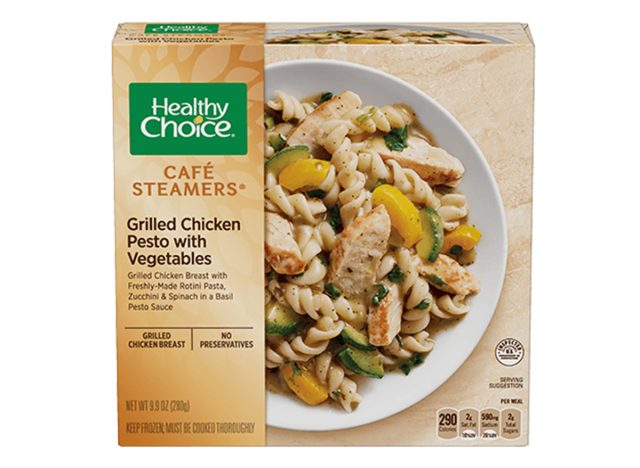
Both Healthy Choice Frozen Meals and Lean Cuisine have long been staples in the diet-conscious consumer’s freezer, and for good reason. Collingwood notes Healthy Choice as a "brand known for portion-controlled meals that tend to be lower in calories and higher in protein/veg." Examples like their Grilled Chicken & Veggie Bowls or Cauliflower Curry Power Bowls illustrate this commitment. These meals typically feature lean protein sources (chicken, fish), abundant non-starchy vegetables (broccoli, bell peppers, cauliflower), and often complex carbohydrates in controlled portions. The emphasis on vegetables ensures a high volume of food for fewer calories, a crucial factor in feeling full without overeating. The protein content helps maintain muscle mass during weight loss, which is vital for a healthy metabolism. Healthy Choice’s "Power Bowls" line, in particular, often highlights a substantial protein and fiber count, aligning perfectly with the dietitian’s recommendations for satiety.
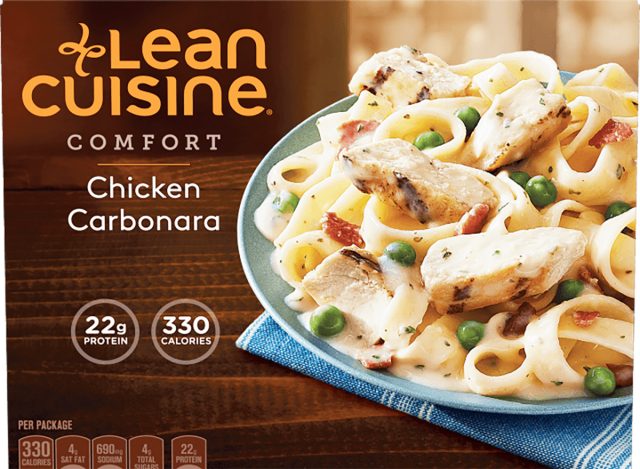
Similarly, Lean Cuisine is described as "a classic frozen meal brand generally focused on lower-calorie entrees (~200–300 calories) with balanced macros." Their Lemon Garlic Shrimp Stir Fry Balance Bowl serves as a prime example. Shrimp offers a lean source of protein, while the stir-fry format naturally incorporates a variety of vegetables. These meals are meticulously designed to provide a complete, balanced nutrient profile within a controlled caloric range, simplifying meal planning for individuals tracking their intake. The implication of such brands is significant: they democratize healthy eating, making it accessible even for those with limited cooking skills or time, effectively removing common barriers to dietary adherence.
2. Calorie-Conscious Control: The Role of Smart Ones
Smart Ones emerges as another "solid option" for individuals focused on weight management. Collingwood highlights that Smart Ones "offers a range of frozen meals and entrées geared toward calorie-conscious eating" and provides "a lot to choose from with breakfasts to dinners, many are portion-controlled for weight management." This brand has historically been associated with weight management programs, offering a structured approach to calorie control. Their extensive variety, spanning from breakfast scrambles to dinner entrees, allows for dietary flexibility while maintaining strict portion sizes. This consistent portion control is invaluable for preventing accidental overconsumption, a common pitfall in weight loss efforts. The convenience of having pre-portioned, nutritionally analyzed meals means less guesswork and a higher likelihood of staying within daily caloric targets.

3. Boosting Nutrient Density: The Indispensable Green Giant Frozen Veggies
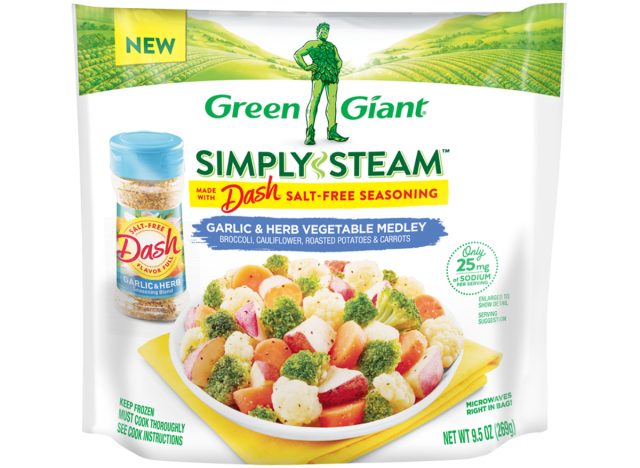
While not a complete meal in themselves, Green Giant Frozen Veggies are deemed a "must-buy" by Collingwood for their exceptional utility in a weight-loss diet. "Not a ‘meal,’ but their frozen vegetables are excellent for adding volume and nutrients without many calories to meals (steamed veggies, stir-ins for bowls, etc.)," she explains. This recommendation underscores a critical principle of healthy eating: increasing vegetable intake. Vegetables are rich in vitamins, minerals, antioxidants, and fiber, yet are remarkably low in calories. Incorporating frozen vegetables, such as broccoli florets, mixed greens, or stir-fry blends, into any meal instantly boosts its nutritional value and fiber content, promoting fullness and nutrient absorption. The versatility of frozen vegetables—they can be steamed, roasted, sautéed, or added to soups and casseroles—makes them an incredibly convenient and cost-effective way to meet daily vegetable recommendations, which are often overlooked in busy schedules. Public health initiatives consistently advocate for higher vegetable consumption, and brands like Green Giant make this objective easily achievable.
4. Whole Food Alternatives: Dr. Praeger’s Sensible Approach
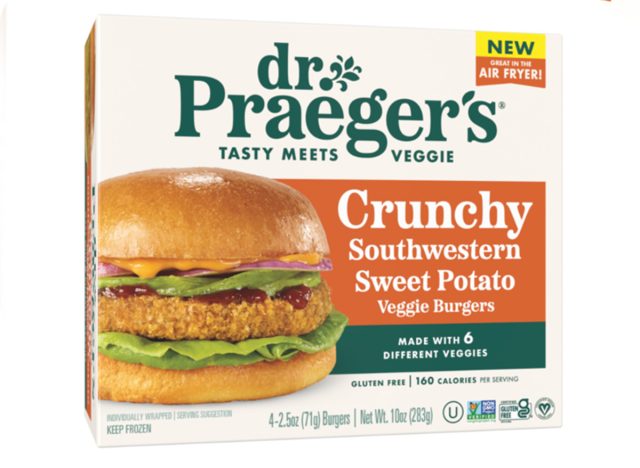
For those seeking cleaner labels and plant-forward options, Dr. Praeger’s Sensible Foods provides a compelling choice. Collingwood describes it as a "health-conscious brand that makes some healthy options," offering "all-natural frozen items like veggie burgers, littles (veggie bites), and fish sticks that are generally lower in saturated fat and calories with no artificial additives." This brand appeals to consumers who are not only focused on weight loss but also on consuming fewer processed ingredients and artificial components. Their veggie burgers, often made from a blend of vegetables, legumes, and grains, offer a substantial source of fiber and plant-based protein. The absence of artificial additives and lower saturated fat content aligns with broader dietary recommendations for heart health and disease prevention. These products serve as excellent alternatives to traditional, often higher-fat, meat-based options, allowing for diverse and flavorful meal compositions.
5. Curated Global Flavors: Trader Joe’s Unique Frozen Offerings
Trader Joe’s Frozen Options (store brand) receive a special mention for their "delicious and often nutritious line of frozen meals." Collingwood particularly praises their "Chicken Burrito Bowls and Veggie-packed Stir-Fry Mixes" as "examples of balanced nutrition, with good protein and fiber," adding, "I also love their Indian options." Trader Joe’s has carved out a niche by offering unique, globally inspired dishes that often feature high-quality ingredients. Their commitment to balanced nutrition, even in their convenience meals, provides consumers with flavorful options that don’t compromise health goals. The availability of various ethnic cuisines, such as Indian curries or Asian stir-fries, allows for culinary exploration while adhering to dietary guidelines, demonstrating that healthy eating does not equate to blandness or monotony. The success of private label brands like Trader Joe’s in the healthy frozen food segment underscores a consumer desire for both quality and value.
6. Sweet Endings, Smart Choices: Yasso Frozen Greek Yogurt Bars
Weight loss journeys often face challenges from sweet cravings. Yasso Frozen Greek Yogurt Bars offer a solution to "satiate your sweet tooth." Collingwood describes them as a "sweet but weight-friendly treat," providing "portion-controlled frozen yogurt bars that are relatively low in calories (often 80–100 cals), helping satisfy cravings without derailing goals." The inclusion of Greek yogurt is particularly beneficial, as it is a protein-rich dairy product that also provides probiotics, supporting gut health. These bars deliver a satisfying dessert experience without the high sugar and fat content typically found in ice cream or other frozen treats. This strategic indulgence is crucial for long-term adherence to a healthy eating plan, preventing feelings of deprivation that can lead to binge eating. Collingwood’s personal endorsement ("Even my kids love these!") further highlights their broad appeal.
Beyond the Freezer Door: Best Practices for Sustainable Weight Loss
Integrating frozen foods into a weight loss strategy is most effective when combined with broader healthy eating principles. Consumers should always make label reading a priority, looking beyond marketing claims to understand the true nutritional content of a product. Key metrics include total calories, protein, fiber, sodium, and saturated fat. The goal is to maximize nutrient density while minimizing calories and undesirable additives.
Furthermore, even with dietitian-approved frozen meals, portion awareness remains paramount. While many frozen meals are portion-controlled, supplementing them with additional non-starchy vegetables or a piece of fruit can enhance satiety and nutrient intake without significantly increasing calories. This practice ensures a robust meal that keeps hunger at bay for longer periods. Hydration, regular physical activity, and adequate sleep also form crucial pillars of any sustainable weight management plan, working synergistically with dietary choices.
The food industry’s response to consumer demand for healthier options has made the frozen food aisle a dynamic and increasingly beneficial resource. Official responses from nutrition organizations and public health bodies consistently emphasize the importance of balanced diets, reduced intake of highly processed foods, and increased consumption of fruits, vegetables, and lean proteins. The availability of carefully formulated frozen meals aligns with these recommendations, offering a practical solution for millions navigating busy lives.
Conclusion: Empowering Health Through Informed Frozen Food Choices
The era of viewing all frozen foods as inherently unhealthy is definitively over. With expert guidance from dietitians like Tara Collingwood, consumers can confidently navigate the frozen food section, selecting options that actively support their weight loss goals and overall well-being. By prioritizing meals that are rich in protein and fiber, mindful of sodium content, and free from excessive processing, individuals can transform the humble frozen meal into a strategic component of a balanced, convenient, and satisfying diet. This informed approach not only aids in achieving New Year’s resolutions but also fosters sustainable, long-term healthy eating habits, proving that convenience and nutrition can indeed coexist in harmony.