

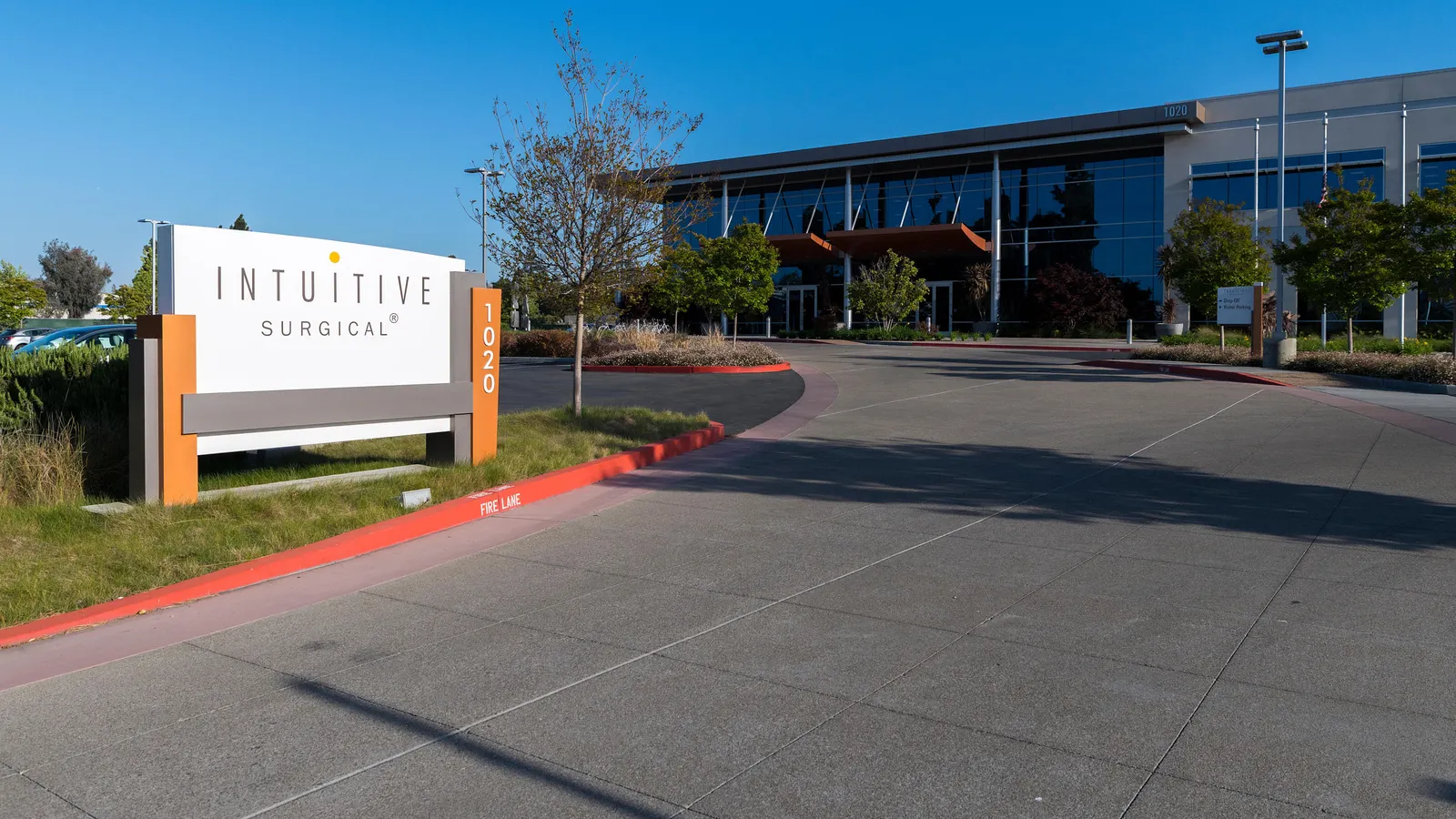
Intuitive Surgical, the global leader in robotic-assisted surgery, has confirmed a significant cybersecurity breach involving the unauthorized access of sensitive corporate, employee, and customer data. The Sunnyvale, California-based company revealed that the incident stemmed from a sophisticated phishing campaign that targeted a specific employee, allowing a third party to infiltrate the firm’s internal business administrative network. While the breach has raised concerns regarding the security of medical device manufacturers, the company emphasized that its core surgical platforms—including the da Vinci and Ion systems—remain unaffected and fully operational.
According to a formal statement released by the company on March 13, 2026, the breach was localized to the administrative and corporate side of the business. The unauthorized party successfully exfiltrated a variety of data points, including business contact information for customers, internal corporate records, and personal information belonging to Intuitive employees. A spokesperson for the company confirmed the timeline of the disclosure, noting that the official statement was posted to the company’s newsroom on Thursday following a preliminary internal investigation.
Anatomy of the Phishing Incident and Immediate Response
The breach originated when an unauthorized actor gained access to an employee’s credentials through a phishing lure. Phishing remains one of the most prevalent vectors for cyberattacks in the healthcare and medical technology sectors, often involving fraudulent emails designed to mimic legitimate corporate communications. Once the credentials were compromised, the attacker was able to navigate Intuitive’s internal business administrative network, which houses operational data and employee records.
Upon discovering the unauthorized activity, Intuitive Surgical initiated its established incident response protocols. The company’s cybersecurity team worked to identify the point of entry, secure all affected applications, and contain the spread of the intrusion. In its public statement, the company noted that it took "immediate action to assess and contain the incident, begin an investigation, review security protocols, and remind employees of online security training and processes."
While the company has not yet specified the exact date the breach was first detected, the disclosure follows a rigorous period of forensic analysis to determine the scope of the data exfiltration. The company has engaged third-party cybersecurity experts to assist in the ongoing investigation and to ensure that the administrative environment is fully remediated.
Network Segmentation and the Safety of Surgical Systems
One of the most critical aspects of Intuitive’s disclosure is the assurance that the breach did not extend to its clinical or manufacturing environments. Intuitive Surgical utilizes a strategy known as network segmentation, which involves dividing a computer network into smaller, distinct sub-networks (segments). This architectural choice is designed to prevent a security failure in one area—such as an administrative office—from cascading into mission-critical systems.
"The networks and infrastructure that support our internal IT business applications, our manufacturing operations, and our da Vinci and Ion platforms and digital products are separate," the company stated. This isolation ensured that the software governing surgical procedures, patient data processed through the robots, and the digital ecosystems used by surgeons remained untouched.
Furthermore, Intuitive clarified that hospital customer networks were not impacted by the incident. Because hospital IT teams manage their own infrastructure and maintain separate security protocols from Intuitive’s internal business network, the breach was contained within Intuitive’s corporate perimeter. The company’s robotic systems are designed with independent security protocols, allowing them to operate autonomously from the corporate networks that manage billing, marketing, and general administration.
Contextualizing the Attack: A Rising Tide of MedTech Breaches
The incident at Intuitive Surgical does not exist in a vacuum. It follows closely on the heels of a massive cyberattack on Stryker, another giant in the medical technology space. Earlier this week, Stryker reported a global network disruption that severely impacted its Microsoft environment, leading to significant delays in order processing, shipping, and manufacturing. That attack was claimed by a threat actor known as "Handala," a group with alleged links to Iranian interests. Handala claimed to have wiped thousands of Stryker’s servers and exfiltrated up to 50 terabytes of data.
While there is currently no evidence linking the Intuitive Surgical phishing incident to the Handala group or the Stryker attack, the proximity of these events highlights the increasing vulnerability of the medical device industry. As surgical platforms become more integrated with cloud computing, artificial intelligence, and remote monitoring, the "attack surface" for these companies grows.
According to industry data from 2025, the healthcare and life sciences sectors saw a 22% increase in cyberattacks compared to the previous year. Phishing remains the primary entry point in nearly 40% of these cases. The high value of intellectual property in the surgical robotics field, combined with the sensitive nature of employee and customer data, makes companies like Intuitive Surgical prime targets for both state-sponsored actors and cybercriminal syndicates seeking financial gain through ransomware or data extortion.

Potential Impact on Customers and Employees
While Intuitive has stated that operations remain normal, the breach of customer business and contact information could have secondary effects. This type of data is often used by cybercriminals to launch "spear-phishing" attacks—highly targeted fraudulent communications directed at hospital administrators or procurement officers. By using legitimate business contact information obtained in a breach, attackers can craft more convincing messages to solicit fraudulent payments or gain access to hospital networks.
For Intuitive’s employees, the compromise of personal data carries the risk of identity theft. The company has not yet detailed the specific types of employee data accessed, but typical corporate breaches involve names, social security numbers, tax information, or direct deposit details. In similar cases, companies often provide affected employees with complimentary credit monitoring services and identity restoration support.
The "corporate data" mentioned in the disclosure also raises questions regarding intellectual property and strategic planning. Intuitive is currently in the midst of rolling out its da Vinci 5 system, a next-generation platform with significantly enhanced computing power and sensing capabilities. Any unauthorized access to documents related to product roadmaps, supply chain logistics, or proprietary research could have long-term competitive implications.
Regulatory and Legal Landscape
Under the current regulatory environment, Intuitive Surgical must navigate a complex web of disclosure requirements. The U.S. Securities and Exchange Commission (SEC) requires public companies to disclose "material" cybersecurity incidents within four business days of determining that the incident is material. While Intuitive’s March 13 announcement serves as a public notice, the company will likely provide more granular details in its upcoming quarterly filings.
Additionally, the company may face scrutiny from the Department of Health and Human Services (HHS) if the investigation reveals that any Protected Health Information (PHI) was inadvertently caught in the administrative breach. While Intuitive’s robots operate on separate networks, the "digital platforms" and cloud-based data analytics tools the company offers to surgeons often handle patient-related data, making the segmentation of these services a point of intense regulatory interest.
Legal experts suggest that data breaches of this scale often lead to class-action lawsuits from affected employees or customers, particularly if it is determined that the company’s security training or multi-factor authentication (MFA) protocols were insufficient. Intuitive’s mention of "reminding employees of online security training" suggests that a human error was at the heart of the vulnerability.

The Future of Cybersecurity in Surgical Robotics
The Intuitive Surgical incident serves as a stark reminder that even the most technologically advanced companies are susceptible to the "human element" of cybersecurity. As the surgical robotics industry shifts toward "Digital Surgery"—where robots are interconnected via the Internet of Medical Things (IoMT)—the industry must balance the benefits of connectivity with the necessity of robust defense.
Industry analysts expect that this incident will prompt a broader review of cybersecurity standards across the MedTech sector. There is a growing call for "Zero Trust" architecture, where no user or device is trusted by default, even if they are already inside the corporate network. For Intuitive, the successful containment of this breach to its administrative network validates its current segmentation strategy, but the fact that a single phishing email could grant access to corporate data suggests that there is room for tightening access controls.
As of March 13, 2026, Intuitive Surgical shares remained relatively stable, as investors appeared reassured by the fact that the company’s manufacturing and primary product lines were not disrupted. However, the long-term impact on the company’s reputation for data stewardship will depend on the final results of the forensic investigation and the transparency of its subsequent communications with stakeholders.
The company has urged its partners and employees to remain vigilant and to report any suspicious activity as it continues to bolster its defenses in the wake of the attack. Further updates are expected as the investigation progresses and the full extent of the data exfiltration is quantified.
