








The sprawling aisles of warehouse clubs like Costco have become an indispensable part of modern consumer life, offering everything from electronics to oversized bags of chips. Yet, amidst the allure of bulk bargains, a growing number of shoppers are turning to these giants not just for savings, but for strategic health-focused purchasing. This trend is particularly evident in the realm of weight management, where dietitians and nutritionists are increasingly guiding their clients toward smart bulk buys. Leading this charge is Tara Collingwood, MS, RDN, CSSD, LD/N, ACSM-CPT, a Board Certified Sports Dietitian and co-author of the Flat Belly Cookbook for Dummies. Collingwood, herself a dedicated Costco member, recently shared her curated list of high-protein, high-fiber bulk foods specifically chosen to support weight loss goals. Her insights underscore a fundamental principle: while no single food is a magic bullet for weight loss, the consistent integration of nutrient-dense, minimally processed options can profoundly impact satiety, blood sugar regulation, and overall dietary quality, ultimately contributing to a sustainable calorie balance.
The Evolving Landscape of Weight Management and the Role of Dietitians
In recent decades, the approach to weight loss has significantly evolved. Gone are the days when restrictive, low-fat diets were universally championed. Contemporary nutritional science, championed by experts like Collingwood, increasingly advocates for a balanced approach centered on macronutrient quality and satiety. The emphasis has shifted towards foods rich in protein and fiber, recognized for their ability to promote fullness, stabilize blood sugar, and reduce the likelihood of overeating. Protein, essential for muscle maintenance and repair, has a higher thermic effect than carbohydrates or fats, meaning the body expends more energy digesting it. Fiber, on the other hand, adds bulk to food without contributing significant calories, aids digestion, and slows sugar absorption, preventing sharp spikes and crashes that can trigger hunger.


Dietitians serve as crucial guides in this complex nutritional landscape. Their expertise helps consumers navigate conflicting dietary advice and make informed choices tailored to their individual needs. Collingwood’s recommendations reflect a practical application of these principles within the unique context of bulk shopping. She stresses that while healthy foods like nuts, seeds, and almond flour are nutritious, their calorie density necessitates careful portion control—a critical caveat often overlooked by enthusiastic bulk buyers. The ultimate success in weight loss, she reminds us, hinges on achieving an overall calorie deficit, which is made more manageable when the diet is rich in satisfying, nutrient-dense foods.
The Costco Phenomenon: Balancing Bargains with Health Goals
Costco’s business model thrives on offering large quantities at competitive prices, a magnet for families and individuals looking to save money. However, this bulk purchasing environment presents both opportunities and challenges for healthy eating. The sheer volume of products, from giant tubs of ice cream to multi-packs of sugary snacks, can be tempting. Yet, beneath the surface of these high-calorie indulgences lies an expanding selection of wholesome options. Savvy shoppers, armed with a dietitian’s guidance, can leverage Costco’s bulk format to their advantage, stocking up on staples that support their health objectives.
The "Costco effect" can be a double-edged sword. While buying healthy items in bulk can be cost-effective and convenient, ensuring a consistent supply of nutritious food, it can also inadvertently encourage overconsumption if not managed mindfully. This is where Collingwood’s emphasis on portion control, even for "healthy" foods, becomes particularly salient. Her list provides a roadmap for navigating these vast warehouses, transforming a potentially overwhelming shopping trip into a strategic mission for wellness.
A Deep Dive into the Dietitian’s Top 9 Bulk Buys for Weight Loss
Here are the nine Costco bulk foods Tara Collingwood, MS, RDN, CSSD, LD/N, ACSM-CPT, recommends for weight loss, along with expanded nutritional context and practical usage tips:
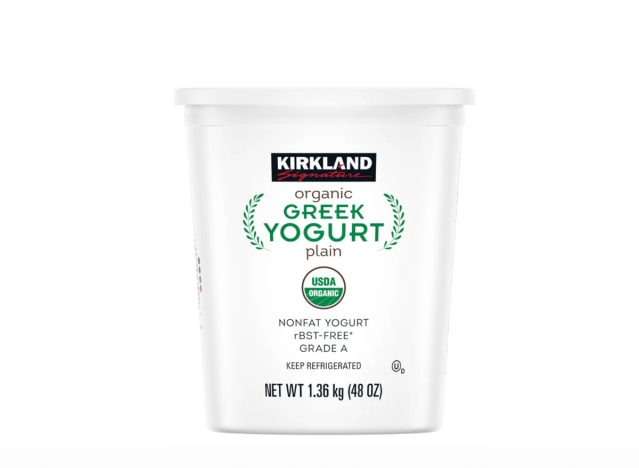
1. Kirkland Organic Greek Yogurt: A Protein Powerhouse
Kirkland Organic Greek Yogurt consistently earns high marks from health and fitness experts, and for good reason. As Collingwood notes, it is "high in protein, which helps with fullness and preserving lean muscle during weight loss." A typical serving (around 6 ounces) can contain 15-20 grams of protein, significantly more than traditional yogurt. This robust protein content makes it an excellent choice for breakfast, a post-workout snack, or even a light meal, helping to keep hunger at bay for longer periods.
Beyond protein, Greek yogurt is also a valuable source of calcium for bone health and contains beneficial probiotics that support gut health, which is increasingly linked to overall well-being and even weight management. Collingwood clarifies a common misconception: "It’s not ‘zero sugar’ because it contains natural lactose, but it is zero added sugar." This distinction is crucial for consumers seeking to reduce their intake of refined sugars. Its creamy texture and mild flavor make it incredibly versatile. It can be enjoyed plain, topped with fresh or frozen berries and a sprinkle of nuts, or used as a base for smoothies, savory dips, or even as a healthier substitute for sour cream in recipes. Buying it in bulk ensures a steady supply for consistent healthy eating.
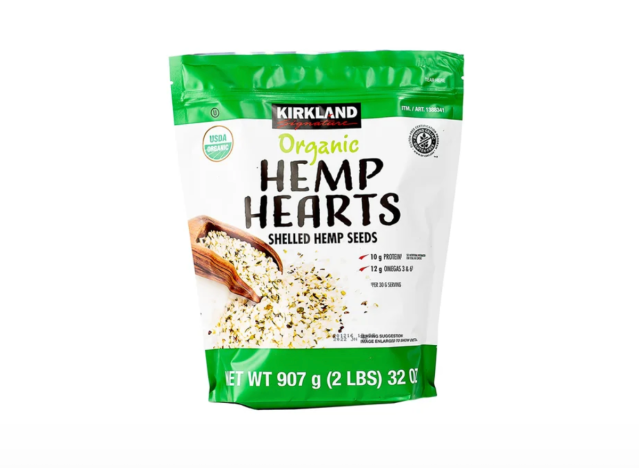
2. Kirkland Shelled Hemp Hearts: Tiny Seeds, Mighty Nutrients
Kirkland Shelled Hemp Hearts are another dietitian-approved gem. Collingwood highlights their contribution of "healthy fats, some protein, and minerals. Fats help with satiety, but portion size matters since they’re calorie-dense." These small seeds pack a significant nutritional punch. A 3-tablespoon serving typically provides around 10 grams of protein, 15 grams of healthy fats (including an optimal ratio of omega-3 and omega-6 fatty acids, known for their anti-inflammatory properties), and a good dose of minerals like magnesium, zinc, and iron.
The healthy fats in hemp hearts are particularly beneficial for satiety, helping to keep you feeling full and satisfied, which can prevent mindless snacking. Their mild, nutty flavor makes them an easy addition to a wide range of dishes. Sprinkle them over salads, oatmeal, yogurt, blend them into smoothies, or even incorporate them into baked goods for an added nutritional boost. Given their calorie density, adhering to recommended serving sizes is key to harnessing their benefits for weight loss without overshooting calorie targets.
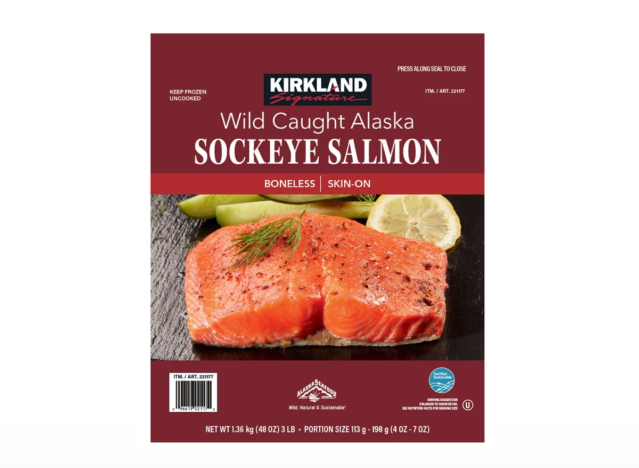
3. Wild Caught Sockeye Salmon: Omega-3 Rich and Satisfying
Wild Caught Sockeye Salmon is a go-to for many health-conscious shoppers, and Costco offers it in bulk at a competitive price point. Collingwood praises it as "rich in protein and omega-3 fatty acids, which may support heart health and help with satiety. A great option for balanced meals." Sockeye salmon is particularly renowned for its high levels of eicosapentaenoic acid (EPA) and docosahexaenoic acid (DHA), two crucial omega-3 fatty acids that are vital for brain health, cardiovascular function, and reducing systemic inflammation.
The high-quality protein in salmon contributes significantly to satiety, making it an excellent centerpiece for a weight-loss friendly meal. Wild-caught salmon is often preferred for its leaner profile and potentially higher nutrient content compared to some farmed varieties. Buying it frozen in bulk from Costco not only offers cost savings but also ensures a convenient, long-lasting source of this powerhouse protein. It can be baked, grilled, pan-seared, or even air-fried, pairing beautifully with a variety of vegetables and whole grains.
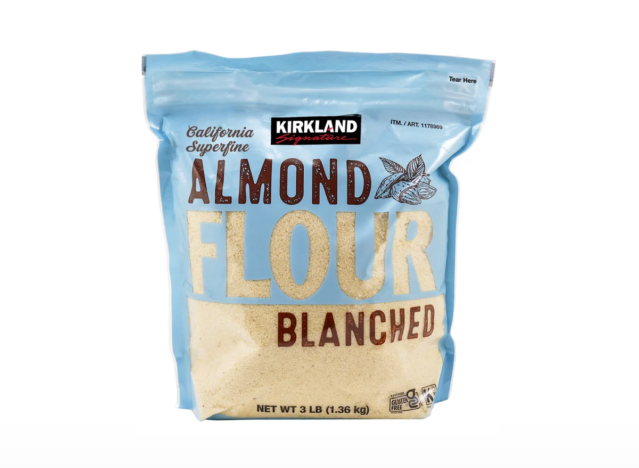
4. Kirkland Almond Flour: A Gluten-Free, Nutrient-Dense Alternative
For those who enjoy cooking and baking, Kirkland Almond Flour presents a versatile and nutrient-dense alternative to traditional wheat flour. Collingwood notes, "Lower in carbs than traditional flour and contains healthy fats and some fiber, but it’s still calorie-dense, so it’s not inherently ‘weight loss friendly’ unless portions are controlled." This caveat is crucial. While almond flour is naturally gluten-free and offers a more favorable macronutrient profile (higher protein and fiber, lower net carbs) compared to all-purpose flour, its fat content makes it calorically denser.
It’s an excellent choice for creating healthier versions of baked goods, pancakes, or as a breading for proteins, adding a delicate flavor and a boost of nutrients. It provides vitamin E, magnesium, and antioxidants. However, the dietitian’s emphasis on portion control cannot be overstated. Substituting almond flour 1:1 for wheat flour in recipes without adjusting other ingredients or portion sizes could inadvertently lead to higher calorie intake. Used judiciously, it supports a balanced, weight-conscious diet.
5. Rotisserie Chicken: Convenience Meets Lean Protein
Costco’s famously cheap $5 rotisserie chicken has achieved legendary status, and for good reason. It’s not just a budget-friendly option; it’s a remarkably convenient and versatile source of lean protein that can be a game-changer for meal prep. "A convenient, high-protein option that can make meal prep easier," Collingwood states. "Removing the skin can reduce saturated fat and calories if needed."
The ability to pick up a fully cooked, seasoned chicken makes healthy eating accessible even on the busiest days. The meat can be shredded for salads, sandwiches, tacos, stir-fries, or soups. It provides a significant amount of high-quality protein necessary for muscle repair and satiety. While the skin contains flavorful fats, removing it aligns with a weight-loss strategy to reduce overall fat and calorie intake. Its sheer convenience reduces the temptation for less healthy takeout options, making it a powerful ally in a structured weight management plan.
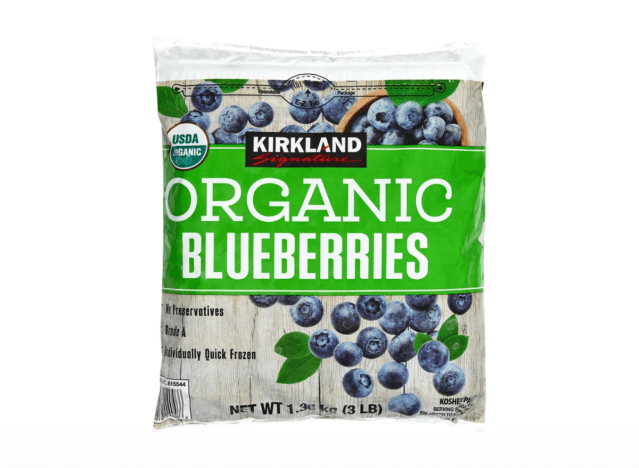
6. Kirkland Frozen Organic Berries: Antioxidant and Fiber Rich
Kirkland Frozen Organic Berries are a perennial favorite among health experts, particularly for their ease of use in smoothies and shakes. "High in fiber and antioxidants with no added sugar," Collingwood affirms. "Fiber helps with fullness and blood sugar control, making them excellent for weight management." Berries like blueberries, raspberries, and blackberries are packed with vitamins (especially vitamin C and K), minerals, and a wide array of antioxidants, such as anthocyanins, which contribute to their vibrant colors and numerous health benefits, including reduced inflammation.
The high fiber content is crucial for digestive health and contributes significantly to satiety, helping you feel full for longer after meals. The "no added sugar" aspect is vital for weight loss, as many processed fruit products contain excessive amounts of sweeteners. Buying them frozen offers year-round availability, often at a better price point than fresh, and ensures nutrient retention. They can be added directly to smoothies, oatmeal, yogurt, used in healthy baking, or simply thawed and enjoyed as a refreshing snack.
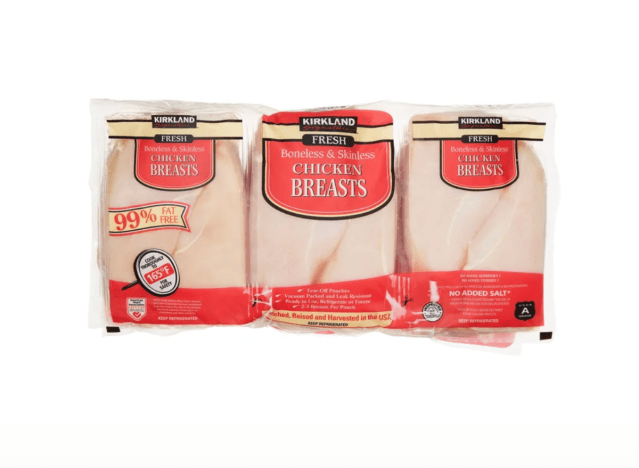
7. Kirkland Boneless Skinless Chicken Breast: The Lean Protein Staple
Kirkland Boneless Skinless Chicken Breast has been a warehouse bestseller for decades, a testament to its enduring appeal as a lean protein source. Collingwood describes it as "a staple lean protein that is high in protein, low in fat, and very versatile. Supports satiety and muscle maintenance." Chicken breast is virtually fat-free when skinless and boneless, providing an excellent source of complete protein with minimal calories.
Its versatility is unmatched, making it a go-to for countless recipes. It can be grilled, baked, pan-fried, slow-cooked, or shredded, easily incorporating into salads, stir-fries, pasta dishes, and more. For individuals focused on weight loss and muscle preservation, having a bulk supply of chicken breast simplifies meal planning and ensures consistent access to a fundamental building block of a healthy diet.

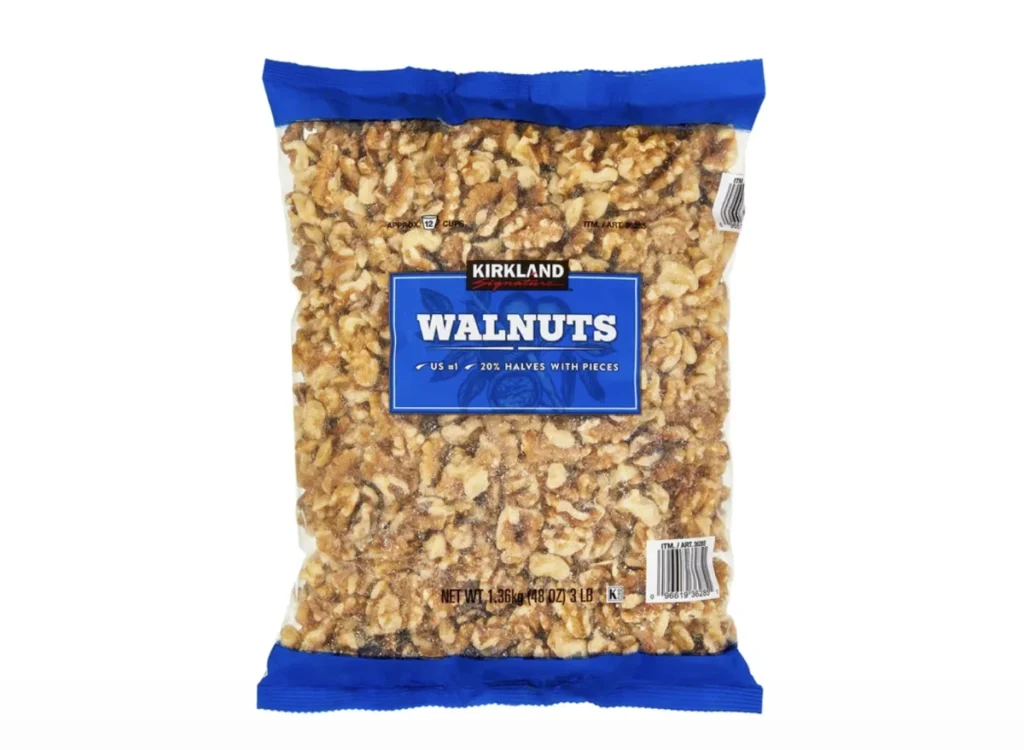
8. Kirkland Walnuts: Heart-Healthy Fats and Fiber
Kirkland Walnuts are a popular choice among nuts, recognized for their unique nutritional profile. Collingwood states, "Contain heart-healthy fats and some fiber, which can help with fullness. Like all nuts, they’re nutritious but calorie-dense, so portion awareness is key." Walnuts are distinct among nuts for their high content of alpha-linolenic acid (ALA), a plant-based omega-3 fatty acid. This contributes to their cardiovascular benefits, including supporting healthy cholesterol levels.
Beyond healthy fats, walnuts also provide protein, fiber, and a range of vitamins and minerals, including magnesium and B vitamins. Their combination of healthy fats and fiber makes them highly satiating, making a small handful a satisfying snack that can curb appetite. However, their calorie density demands strict portion control. A standard serving is typically a quarter cup or about 14 halves. They are excellent for snacking, adding to salads, oatmeal, yogurt, or incorporating into healthier baked goods.
9. Season Brand Sardine Fillets: A Nutrient-Dense Superfood
Season Brand Sardine Fillets might not be the most glamorous item on a shopping list, but they are a nutritional powerhouse that Collingwood enthusiastically recommends. "Packed with protein, omega-3s, and calcium (especially if bones are included). Very nutrient-dense and satisfying," she explains. Sardines offer an incredible concentration of nutrients for their small size and low cost.
They are an outstanding source of protein and particularly rich in EPA and DHA omega-3 fatty acids, even surpassing salmon in some cases. Furthermore, if consumed with the edible bones, they provide an excellent source of calcium and vitamin D, both critical for bone health. Sardines are also low in mercury compared to larger fish, making them a safe and sustainable seafood choice. While some may initially be hesitant, their savory flavor can be enjoyed on whole-grain toast, added to salads, or incorporated into pasta sauces. Their portability and long shelf life make them an ideal pantry staple for quick, nutrient-dense meals.
Beyond the Shopping Cart: Strategic Approaches to Bulk Buying for Weight Loss
Collingwood’s list is more than just a collection of healthy foods; it’s an invitation to adopt a strategic approach to grocery shopping and meal preparation.
- Meal Planning and Preparation: Buying in bulk naturally lends itself to more structured meal planning. Having a consistent supply of lean proteins, healthy fats, and high-fiber produce means less last-minute scrambling and fewer temptations to opt for less healthy, convenience foods. Shoppers can dedicate time each week to batch cooking chicken breast, portioning out Greek yogurt, or preparing salmon for multiple meals.
- Effective Storage Solutions: To maximize the benefits of bulk buying and prevent waste, proper storage is paramount. Freezing meats, fish, and berries extends their shelf life significantly. Airtight containers for nuts, seeds, and flours maintain freshness and prevent spoilage. Investing in quality storage solutions is an integral part of a successful bulk-buying strategy.
- Mindful Consumption and Portion Control: The "Costco effect"—the psychological tendency to consume more when larger quantities are available—is a real challenge. Even with healthy foods, overconsumption can derail weight loss efforts. Collingwood’s repeated emphasis on portion control for calorie-dense items like nuts and almond flour is a critical reminder. Pre-portioning snacks and meals, using smaller plates, and being mindful of hunger cues can counteract this effect.
- Budgetary Benefits: One of the most significant advantages of bulk buying at Costco is the cost savings. Healthy eating can sometimes be perceived as expensive, but strategically purchasing staples in larger quantities can make it more affordable, removing a common barrier to adopting a healthier lifestyle.
Broader Implications for Health and Consumer Habits
The increasing demand for healthy, bulk-friendly options at retailers like Costco reflects a broader shift in consumer priorities towards health and wellness. As dietitians like Tara Collingwood provide actionable advice, they empower consumers to make informed choices that benefit both their personal health and their wallets. This trend also signals to large retailers the importance of expanding their offerings of nutrient-dense, minimally processed foods, thereby playing a crucial role in promoting public health on a larger scale. The availability of affordable, healthy staples in bulk makes sustainable weight management more attainable for a wider demographic.
In conclusion, achieving and maintaining a healthy weight is a multifaceted journey that requires consistent effort, informed choices, and a balanced approach to nutrition. Tara Collingwood’s expert guidance provides a valuable blueprint for leveraging the unique benefits of bulk shopping at Costco. By prioritizing high-protein, high-fiber, and healthy-fat foods, coupled with diligent portion control and strategic meal planning, individuals can transform their grocery trips into powerful steps towards their weight loss goals, proving that health and savings can indeed go hand-in-hand within the bustling aisles of a warehouse club.