






Amanda Sobhy, a celebrated figure in professional squash and the most accomplished player in American history, has bravely shared her personal battle with an eating disorder, offering a powerful testament to the multifaceted nature of recovery and the importance of seeking help, even outside traditional treatment pathways. For years, Sobhy navigated the intense pressures of elite athletics while silently contending with bulimia, a struggle that began in college and continued into her professional career. Her decision to speak publicly about her experience, particularly during National Eating Disorders Awareness Week, underscores a growing movement to destigmatize mental health challenges within sports and beyond.
The narrative of Sobhy’s recovery is one of resilience, gradual progress, and the critical role of supportive professionals who, while not formally her eating disorder treatment team, addressed the underlying psychological and nutritional patterns fueling her disorder. Her journey, which spanned from 2015 until she publicly disclosed her story in 2021, highlights that recovery is not always linear and can be achieved through a combination of mindfulness-based interventions, self-discovery, and expert guidance.
The Silent Struggle: Years of Denial and Secrecy
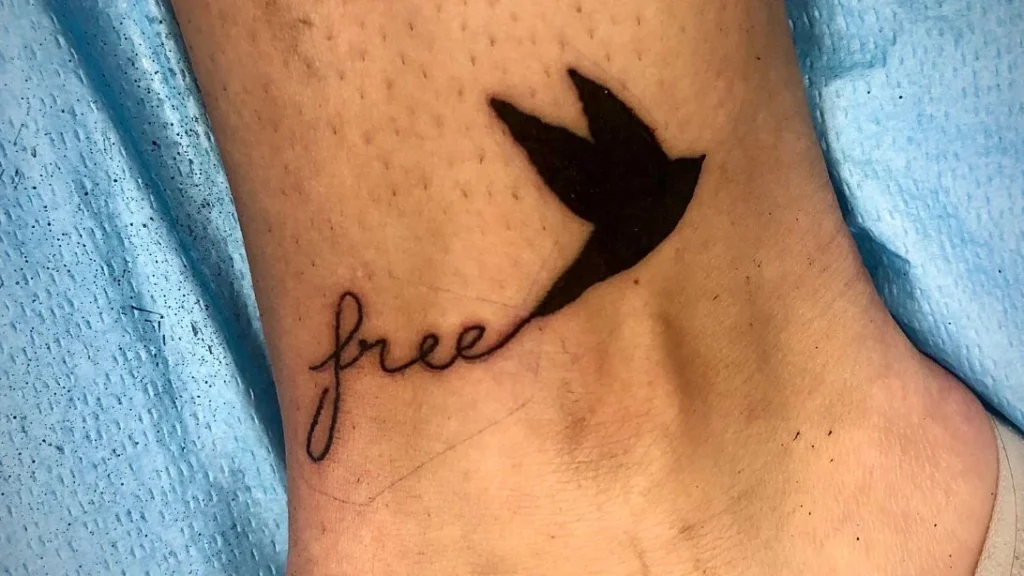
For Sobhy, the initial years of her eating disorder were marked by profound shame and embarrassment, barriers that prevented her from seeking formal treatment. The very idea of acknowledging her struggle felt like an admission of weakness, especially as a high-functioning, high-achieving athlete. "Seeking specialized treatment or seeing an eating disorder therapist would have required me to acknowledge that this was real—and I wasn’t ready for that truth," Sobhy recounted. This denial led her to internalize her pain, carrying the secret like an "invisible weight shackled to my ankle" throughout her college years and into the early stages of her professional squash career. She concealed her battle from family, friends, coaches, teammates, and peers on the professional tour, perpetuating a cycle of isolation.

The breaking point arrived in the fall of 2018. The severity of her binge-purge cycle, particularly following tournaments, became unsustainable. Desperate for intervention, she sought out a therapist specializing in eating disorders. However, financial constraints, due to insurance limitations and out-of-pocket costs, meant this crucial support was limited to a single introductory session. This experience underscored the systemic challenges many face in accessing specialized mental health care, even when they recognize the need for it.
A Non-Linear Path to Recovery: Mindfulness and Sports Psychology
Sobhy’s recovery process, commencing in 2015, was a deliberate, albeit winding, journey that integrated various therapeutic modalities. A pivotal figure in this phase was holistic sports psychologist Amy Gross, whom Sobhy began working with in 2015 after graduating from college and embarking on her professional career. Gross adopted a holistic approach, recognizing that peak athletic performance was inextricably linked to an athlete’s mental well-being, both on and off the court.
Gross and Sobhy delved into the core psychological traits that characterized Sobhy’s internal landscape: perfectionism, an "all-or-nothing" mindset, a relentless inner critic, underdeveloped emotional regulation, and limited coping mechanisms. It became apparent that Sobhy’s coping patterns, particularly in response to losses, burnout, or emotional distress, were deeply intertwined with her disordered eating.
Within the safe, non-judgmental environment cultivated by Gross, Sobhy found the courage to disclose her struggles with binging and purging. This disclosure, even while still grappling with denial about the formal diagnosis of an eating disorder due to her continued high performance, marked a significant turning point. The focus then shifted to mindfulness-based interventions. These practices included cultivating present-moment awareness, practicing non-judgmental observation of thoughts and feelings, meditation, identifying healthier coping strategies when triggers arose, and, crucially, creating a conscious "space between thoughts and actions."
For years, Sobhy’s binge-purge cycle had operated on an almost automatic pilot. Mindfulness provided the critical interruption to this ingrained pattern. She began to recognize urges as they emerged, rather than being completely consumed by them. This heightened awareness allowed for a pause—a moment to engage in a walk, practice breathwork, journal, meditate, or reflect on the negative aftermath of a binge. This shift enabled her to make choices with her future self in mind, fostering a sense of agency over her behavior.
This transformation was not instantaneous, and Sobhy acknowledges experiencing numerous relapses. However, with each setback, the grip of shame and self-loathing gradually loosened, replaced by compassion. Judgment gave way to acceptance, kindness, and the reassurance that progress was still being made. A cornerstone of her recovery was dismantling her perfectionist, all-or-nothing mindset. She learned that a single bad day, a lost match, or an imperfect training session did not diminish her inherent worth or signify failure. Embracing imperfection and the inherent humanity of her experience proved to be a vital element in her healing.
Rebuilding a Healthy Relationship with Food: The Role of a Sports Dietitian
Complementing the work with Amy Gross, sports dietitian Nyree Dardarian played an instrumental role in Sobhy’s recovery, particularly from the fall of 2017 onwards, as Sobhy was returning from her first Achilles rupture. At this juncture, Sobhy’s relationship with food remained deeply disordered.
The prospect of entrusting Dardarian and being transparent about her lack of control around food was initially terrifying. Yet, Sobhy recognized that professional support was essential for her return to high-level competition. Dardarian’s approach extended beyond simply optimizing fueling for athletic performance; she guided Sobhy in relearning how to enjoy food.
A key strategy was the creation of a weekly "life calendar," meticulously mapping out training sessions, tournaments, travel days, social engagements, and recovery periods. This framework facilitated the planning of meals that not only supported her performance but also integrated seamlessly into her demanding life. Crucially, these were meals Sobhy genuinely enjoyed and anticipated, moving away from a diet driven by restriction and fear. The focus was on simple, sustainable options and flexibility. During international tournaments, navigating unfamiliar culinary landscapes in places like Egypt or Malaysia, Sobhy would send photos of restaurant menus to Dardarian, who would offer supportive guidance that felt empowering rather than overwhelming.
A reliable pre-match meal was developed—a peanut butter, banana, and honey sandwich—which has remained a consistent part of her match routine to this day. Over time, Dardarian educated Sobhy on the science of fueling for performance, navigating social eating situations, and intentionally incorporating dessert after tournaments. This allowed Sobhy to savor these indulgences without the accompanying guilt or compulsion to binge in private. Dardarian’s philosophy fundamentally rejected diet culture, eschewing forbidden foods, "cheat days," and the labeling of foods as "good" or "bad." Instead, the emphasis was on connection, enjoyment, and shared meals.
While Sobhy no longer works as closely with Dardarian, she continues to utilize the life calendar structure and the practical tools she acquired. A significant marker of her recovery is her current enjoyment of exploring food with friends during tournaments, an experience that was unimaginable for her in 2017.
The Power of Sharing: Reclaiming Agency and Fostering Connection
The final and perhaps most profound stage of Sobhy’s recovery unfolded in the summer of 2021. A persistent inner voice signaled her readiness to share her story publicly. Having accumulated the necessary tools and diligently engaged in the recovery process, she finally felt liberated from the binge-purge cycle that had dominated her life for over a decade.
To commemorate this significant milestone, Sobhy got an ankle tattoo of a bird with the word "free" beside it, symbolizing the release of the immense weight she had carried. Her decision to speak out was not merely an act of reclaiming personal power but also a profound act of connection and a quest for validation. She recognized that countless others were silently fighting similar battles and did not want anyone to experience the profound sense of isolation she had once felt. The hope was that her narrative could offer solace, understanding, and the courage for even one person to take the initial step toward recovery.
For an extended period, Sobhy grappled with the validity of her eating disorder. Lacking a formal diagnosis and having never completed structured treatment, her continued high performance led her to minimize her own experience. This internal questioning is a common challenge for individuals who do not fit a stereotypical image of an eating disorder sufferer.
Broader Implications: Every Body Belongs in Recovery
Sobhy’s courageous disclosure resonates deeply with the core message of National Eating Disorders Awareness Week, particularly its theme, "Every Body Belongs." This sentiment underscores that eating disorders do not discriminate; they can affect individuals across all demographics, backgrounds, identities, and professions, including highly disciplined athletes. The illnesses can manifest in those who never seek formal treatment, those hindered by fear or shame, and those who endure in silence for years.
The athlete’s journey illustrates that there is no single, universally applicable narrative of an eating disorder. Her experience serves as a powerful reminder that worthiness of support and the pursuit of help are not contingent on specific diagnostic criteria or treatment pathways.
In alignment with the spirit of National Eating Disorders Awareness Week, Sobhy’s sharing aims to empower more individuals to feel seen, worthy of support, and emboldened to seek help, precisely as they are. Her decision to be vulnerable remains one of her proudest achievements, a constant reminder that healing is attainable, that vulnerability is a profound source of strength, and that no one navigating such challenges is ever truly alone.
Resources and Continued Impact
Amanda Sobhy’s exceptional career in squash is marked by numerous historic achievements. She is the most decorated player in American squash history, having achieved a career-high world ranking of #3, a record for an American. She is a six-time U.S. National Champion and a two-time Pan American Games triple gold medalist. Her success on the Professional Squash Association (PSA) Tour includes 22 titles. Sobhy was instrumental in leading Team USA to its first-ever World Team Championships final, securing silver medals in both 2022 and 2024. Her collegiate career at Harvard University was equally remarkable, boasting an undefeated 62-0 record and leading the Crimson to three national championships.
Despite her outward success, Sobhy has candidly addressed the internal struggles she faced, including pressures, perfectionism, an eating disorder, anxiety, and depression. Her willingness to share these experiences is intended to encourage help-seeking behavior among others facing similar adversies. As of 2024, she has returned to competition following her second Achilles injury, with her sights set on the LA28 Summer Games, where squash will make its Olympic debut.
Beyond her athletic endeavors, Sobhy actively contributes to the sport’s development, serving on the board of the Professional Squash Association and the Squash & Education Alliance, and as an ambassador for the USSquash Foundation. Her Instagram handle is @asobhy93.
This blog post represents the author’s views and should not be interpreted as professional/medical advice or endorsed by NEDA.