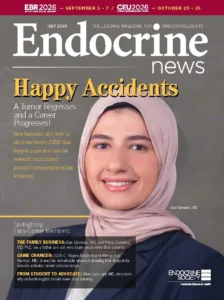







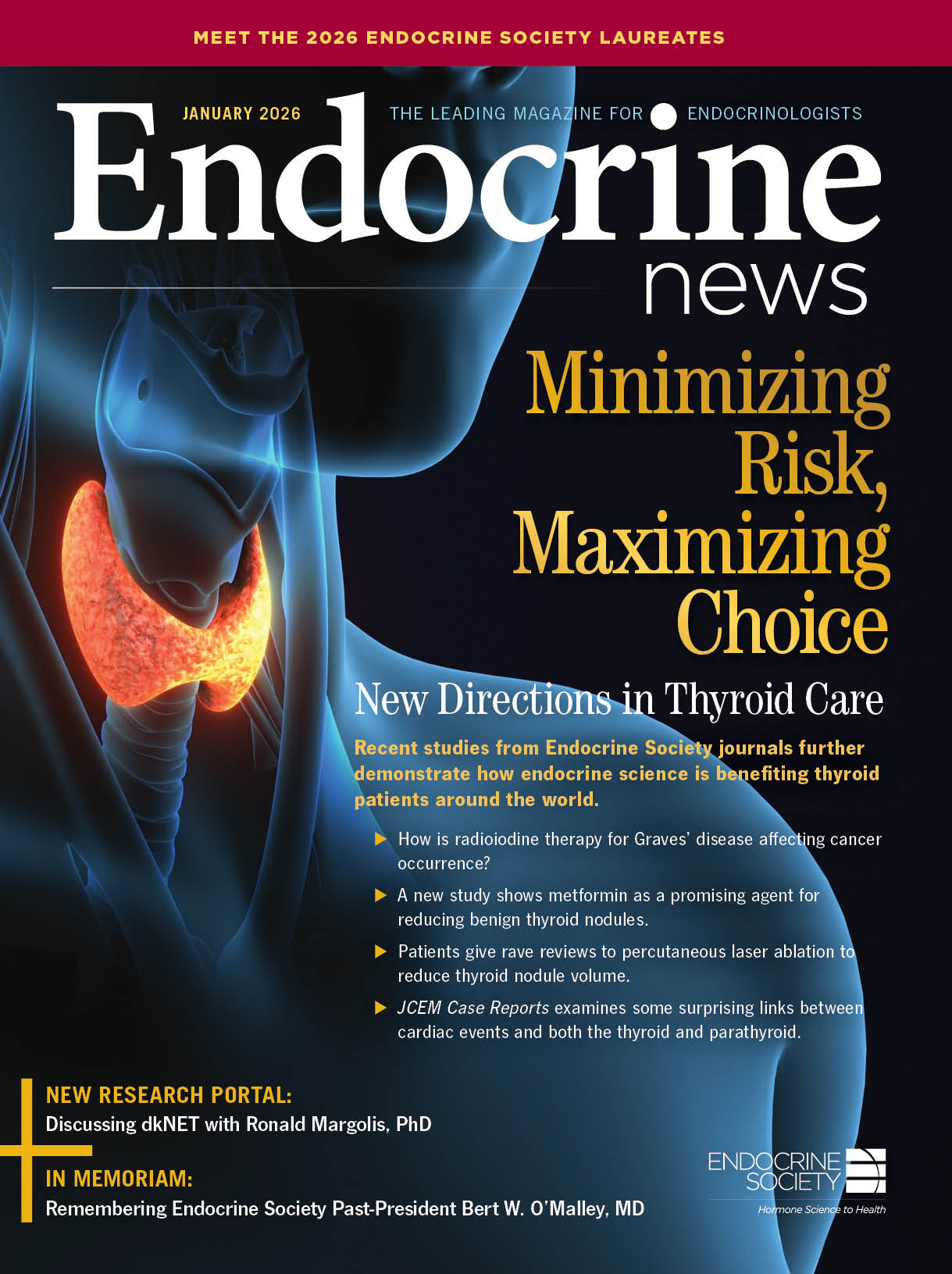
The commencement of 2026 marks a pivotal moment for the global medical community as the Endocrine Society introduces its newest cohort of Laureate Award winners, alongside groundbreaking research in thyroid pathology and the launch of a sophisticated digital infrastructure for metabolic research. These developments, highlighted in the January 2026 edition of Endocrine News, underscore the organization’s commitment to fostering excellence in clinical care, scientific discovery, and the mentorship of the next generation of endocrinologists. As the field faces evolving challenges—ranging from the rising prevalence of metabolic disorders to the need for more precise, minimally invasive surgical interventions—these updates provide a comprehensive roadmap for the future of endocrine science.
Honoring Excellence: The 2026 Laureate Awards and the Legacy of Mentorship
The Endocrine Society Laureate Awards represent the highest honors in the field, recognizing individuals who have made significant contributions to endocrine research, clinical practice, and medical education. The 2026 class of laureates reflects a diverse group of international scholars whose work spans the breadth of hormonal health. Central to this year’s recognition is the emphasis on mentorship and the professional development of early-career scientists, a theme championed by Patricia Lee Brubaker, PhD, the recipient of the 2026 Outstanding Mentor Award.
Dr. Brubaker, a renowned researcher in the field of intestinal hormones and their role in glucose homeostasis, emphasizes a philosophy of trust and empowerment within the laboratory environment. According to Dr. Brubaker, the success of a principal investigator is inextricably linked to the autonomy and growth of their trainees. She notes that while senior researchers focus on the administrative and financial sustainability of their programs—such as grant writing and institutional teaching—trainees serve as the operational backbone of scientific inquiry.
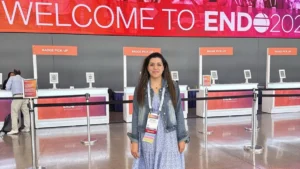
Furthermore, the Endocrine Society’s annual meeting, ENDO, remains a cornerstone for professional advancement. Dr. Brubaker highlights that presenting original research at such high-profile international forums is critical for young endocrinologists to build the networks necessary for career longevity. This focus on mentorship is a response to the "leaky pipeline" in academic medicine, where many promising researchers exit the field due to a lack of support or visibility during their formative years.
Chronology of Clinical Advancement: Thyroid Awareness Month and New Standards of Care
January serves as Thyroid Awareness Month, a period dedicated to educating the public and healthcare providers about the complexities of thyroid health. In conjunction with this observance, recent findings published in The Journal of Clinical Endocrinology & Metabolism (JCEM) are reshaping the therapeutic landscape for thyroid disorders. The research focuses on balancing efficacy with patient quality of life, specifically regarding Graves’ disease and the management of thyroid nodules.
Historically, the treatment of Graves’ disease—an autoimmune disorder resulting in hyperthyroidism—has relied heavily on radioiodine therapy (RAI). While effective, recent longitudinal studies have sought to further clarify the long-term risks associated with RAI, including its impact on secondary cancer occurrence. The 2026 reports provide a more nuanced understanding of these risks, allowing clinicians to tailor treatment plans that minimize long-term morbidity while effectively managing the primary endocrine dysfunction.
Simultaneously, the management of benign thyroid nodules is shifting toward less invasive modalities. For decades, surgical resection (thyroidectomy) was the standard for nodules that caused compressive symptoms or cosmetic concerns. However, surgery carries risks of recurrent laryngeal nerve injury, hypoparathyroidism, and the requirement for lifelong hormone replacement therapy. The emergence of pharmacologic treatments and minimally invasive procedures is providing patients with viable alternatives.
Percutaneous Laser Ablation: A Paradigm Shift in Minimally Invasive Surgery
One of the most significant advancements highlighted this year is the efficacy of percutaneous laser ablation (PLA) for thyroid nodules. This technique involves the insertion of a fine needle into the nodule under ultrasound guidance, through which laser energy is delivered to induce thermal necrosis of the tissue.
Giovanni Gambelunghe, MD, PhD, of the Endocrine Unit at Clinica Liotti in Perugia, Italy, has provided substantial data confirming the long-term safety and efficacy of PLA. His research indicates that the procedure results in significant nodule volume reduction and symptom relief without the complications associated with traditional surgery. A critical metric in Dr. Gambelunghe’s study was patient satisfaction; the vast majority of participants indicated a willingness to undergo the procedure again if necessary.
This high level of patient acceptance is attributed to the minimally invasive nature of the technique, which requires only local anesthesia, leaves no visible scarring, and allows for a rapid return to daily activities. Dr. Gambelunghe suggests that as the evidence base for PLA grows, it should become a standard component of the "therapeutic armamentarium" for endocrinologists and endocrine surgeons worldwide.
Supporting Data: The Rising Global Burden of Thyroid Disease
The focus on thyroid innovation is driven by the increasing global prevalence of thyroid conditions. Epidemiological data suggests that approximately 20 million Americans have some form of thyroid disease, with women being five to eight times more likely than men to be affected. Furthermore, it is estimated that up to 60 percent of those with thyroid disease are unaware of their condition.
The economic implications of these statistics are significant. The cost of managing chronic thyroid conditions, combined with the loss of productivity due to untreated symptoms like fatigue, depression, and cognitive impairment, underscores the need for the types of diagnostic and therapeutic advancements discussed in the 2026 Endocrine News. By improving the precision of treatments like RAI and expanding the use of PLA, the medical community can reduce the long-term healthcare costs associated with surgical complications and chronic disease management.
Digital Infrastructure: The Launch of dkNET and the Future of Data Sharing
In an era defined by "Big Data," the ability to access and synthesize information across scientific disciplines is paramount. To address this need, the National Institute of Diabetes and Digestive and Kidney Diseases (NIDDK), a branch of the National Institutes of Health (NIH), has launched dkNET—the Diabetes, Endocrinology, and Metabolic Diseases Information Network.
Robert Margolis, PhD, an emeritus member of the Endocrine Society and a longtime researcher, describes dkNET as a "research information superhighway." The portal is designed to serve as a single-entry point for researchers to access a vast array of data, services, and community-wide knowledge. The platform adheres to the FAIR principles of data stewardship: Findability, Accessibility, Interoperability, and Reuse.
The primary goal of dkNET is to break down the silos that often exist between different research specialties. For instance, a researcher studying the molecular mechanisms of insulin resistance can use dkNET to find relevant datasets from kidney disease studies or digestive health trials that may share common biological pathways. Dr. Margolis notes that this connectivity will maximize the impact of individual investigations and foster international collaborations that were previously hindered by geographical and institutional barriers.
Official Responses and Broader Implications for the Scientific Community
The reception of these initiatives within the medical community has been overwhelmingly positive. Senior editors and leaders within the Endocrine Society have noted that the integration of digital tools like dkNET with clinical advancements in thyroid care represents a holistic approach to modern medicine. By providing researchers with the tools to connect and clinicians with the data to refine patient care, the society is positioning itself at the forefront of the precision medicine movement.
The implications of these developments extend beyond the laboratory and the clinic. The emphasis on global connectivity and the sharing of resources suggests a move toward more equitable scientific advancement. Researchers in resource-limited settings can now access the same high-level data and research portals as those in major metropolitan medical centers, potentially accelerating the pace of discovery in regions that face unique endocrine health challenges.
Analysis: The Synergy of Mentorship, Technology, and Clinical Precision
The updates for 2026 reveal a clear synergy between different facets of the endocrine profession. Mentorship, as advocated by Dr. Brubaker, ensures that there is a skilled workforce capable of utilizing the new technologies being developed. Clinical research, such as the studies on PLA and RAI, provides the evidence base necessary for these professionals to improve patient outcomes. Finally, digital platforms like dkNET provide the infrastructure required to store, share, and analyze the resulting data.
This trifecta—people, practice, and platform—is essential for addressing the complex health crises of the 21st century. As obesity, diabetes, and thyroid disorders continue to rise globally, the endocrine community’s focus on interdisciplinary collaboration and technological innovation will be the deciding factor in the quality of care provided to millions of patients. The January 2026 outlook serves as both a celebration of past achievements and a rigorous call to action for the year ahead, ensuring that the field of endocrinology remains dynamic, inclusive, and evidence-driven.